Why Do Mallard Ducks Have Green Heads
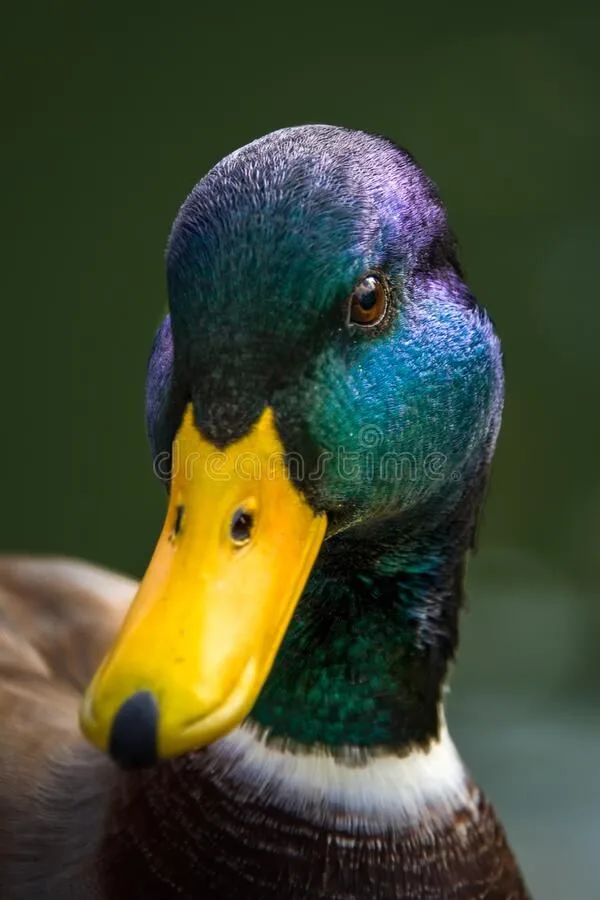
Image source: Bing (Web (fair-use with source credit))
Why Mallard Ducks Have Those Incredible Green Heads
Ever looked at a mallard duck and marveled at the iridescent green on the male's head? It's not paint, and it's not a dye; it's a stunning display of nature's own light show. Understanding why mallard ducks have green heads reveals a fascinating intersection of biology, physics, and animal behavior.
This vibrant plumage isn't just for decoration; it serves crucial functions for the duck's survival and reproductive success. As of 2026, research continues to explore the intricate mechanisms behind these natural displays, but the core principles are well-understood and involve the interaction of light with feather structure.
Quick Answer
Mallard ducks have green heads because of structural coloration in their feathers. Tiny structures on the feathers refract and reflect light, creating a shimmering, iridescent green. This vibrant color is primarily used by male mallards for attracting mates and signaling their health during courtship displays.
The Science Behind the Shimmer: Structural Coloration Explained
The brilliant green on a male mallard duck's head isn't due to pigment, like the color in a leaf or a painted surface. Instead, it's a phenomenon known as structural coloration. This is where the physical structure of the material, in this case, the microscopic architecture of the feather, manipulates light to produce color.

Image source: Web (Bing) / youtube.com (Web image (fair-use with source credit))
How Light Works on Feathers
This process relies on how light waves interact with precisely arranged nanostructures. Mallard feathers have these incredibly fine, layered structures composed of keratin. When sunlight hits these layers, it's reflected and scattered in specific ways.
Different angles of light and viewing angles cause the interference patterns to shift, creating the illusion of movement and changing colors. It's similar to how a prism bends light or how a soap bubble displays a rainbow of colors, but on a microscopic feather scale.
What "Iridescence" Really Means
The term for this effect is iridescence. It means the color appears to change depending on the angle of illumination and observation. For mallards, this means their green heads can appear almost black in shadow, a dazzling emerald in direct sunlight, and somewhere in between from different viewpoints.
This dynamic quality makes the display even more captivating and effective for communication.
Why the Green? It's All About Mating and Survival
The striking green head isn't just a random evolutionary quirk; it's a vital tool for the male mallard's success, both in finding a mate and signaling his quality as a potential partner. This coloration plays a central role in their breeding rituals and overall fitness.
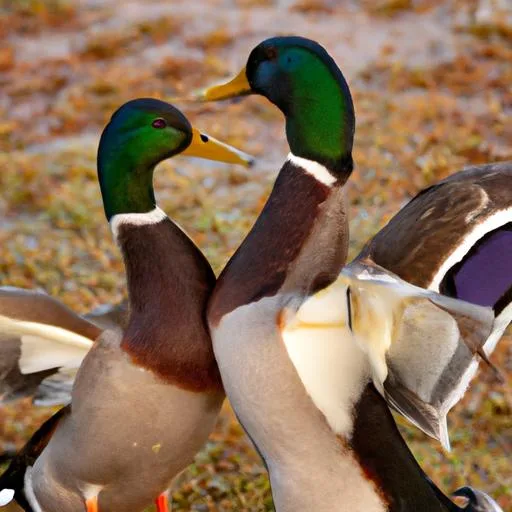
Image source: Bing (Web (fair-use with source credit))
The Male's Showy Display
During the breeding season, male mallards engage in elaborate courtship displays. A key element of this is showcasing their iridescent green heads. A brighter, more intense green, often perceived by females as more vibrant, can indicate a healthier, well-fed male with a robust immune system.
This is a strong signal of good genes, making him a more attractive choice for reproduction. The intensity and purity of the color can communicate vigor and fitness.
Female Camouflage: A Different Kind of Advantage
While the male sports dazzling colors, the female mallard's plumage is dramatically different. She typically has mottled brown feathers, which serve as excellent camouflage. This subdued coloration helps her blend into her surroundings, whether she's foraging or nesting, providing crucial protection from predators for herself and her eggs.
This stark difference between the sexes, known as sexual dimorphism, is common in many bird species and highlights the different survival and reproductive pressures they face.
It's Not Just Color: How Feathers Are Built
The magic of the mallard's green head lies entirely in the physical makeup of its feathers. It's a testament to how biological structures can harness physics to create remarkable effects, going far beyond simple pigment.
Microscopic Feather Structures
Mallard feathers, particularly those on the head and neck of the male, are not uniform. They contain specialized structures called melanosomes, which are small, rod-shaped organelles packed with melanin pigments. These melanosomes are arranged in intricate, repeating patterns within the feather's barbules.
The size, shape, and arrangement of these melanosomes are precisely controlled during feather development.
What Makes a Vibrant Green
The arrangement of these melanosomes creates a diffraction grating. As light strikes these ordered structures, it diffracts and interferes, causing specific wavelengths of light to be amplified while others are canceled out. For the mallard's head, this structural arrangement is optimized to reflect the wavelengths we perceive as green.
The intensity and hue of this green can also be influenced by the angle of incidence of light and the viewing angle, leading to the shimmering, iridescent quality. This biological marvel is described in various ornithological studies and is a fundamental principle in understanding avian coloration.
When to Admire: Seeing the Green in Action
The vibrant green of a mallard's head isn't just present all the time in the same way a painted object is. Its visibility and intensity can change, and observing it in the right context enhances our understanding of its purpose.
During the Breeding Season
The most spectacular display of the green head occurs during the mallard's breeding season. This is when males are actively courting females and establishing territories. They will preen their head feathers meticulously, angling their heads to catch the sunlight and maximize the iridescence.
This period, typically from late winter through spring, is when the visual signal is most critical for reproductive success. Outside of this season, the color may appear slightly duller or less pronounced as the feathers undergo wear and tear.
Other Waterfowl: A Quick Comparison
While mallards are famous for their green heads, it's worth noting that other waterfowl species might exhibit similar or different types of iridescent plumage. For example, some other dabbling ducks might have iridescent patches, but the specific, unmistakable solid green head is characteristic of the male mallard. This visual distinctiveness is crucial for species recognition, preventing hybridization.
Many diving ducks, conversely, may have darker, more uniformly colored heads that offer better camouflage in different aquatic environments or during different activities.
The Takeaway: Nature's Brilliant Design
The green head of a male mallard duck is a prime example of how evolution has honed striking visual signals for survival and reproduction. It’s a complex interplay of feather structure and light, designed to attract mates and convey fitness. Unlike pigmented colors, this structural coloration is dynamic, shimmering with iridescence.
Understanding this feature offers a window into broader biological principles. It highlights how form follows function in the natural world, with even seemingly simple traits like a duck's head color serving sophisticated purposes. This vibrant display is a key element in the mallard's life cycle and its continued success as a species.
Frequently Asked Questions
Are all mallard ducks male?
No, not all mallards are male. You can usually tell the males apart by their distinctive iridescent green heads, yellow bills, and grey bodies. Female mallards have a more camouflaged appearance with mottled brown feathers and orange-speckled bills.
How do mallards get their green heads if it's not pigment?
The green color comes from the microscopic structure of their head feathers. These structures, made of keratin, refract and reflect light in such a way that specific wavelengths, appearing as green, are amplified and become visible.
When is the best time of year to see the green heads most vividly?
The green heads are typically most vivid during the mallard's breeding season, which usually occurs from late winter through spring. During this period, males are actively displaying and preening, making their plumage appear at its best to attract mates.
Do other duck species have green heads too?
While some other duck species might have iridescent patches on their heads, the solid, vibrant green head is a characteristic trait of the male mallard. This distinctiveness is important for species recognition among different waterfowl.