Where Do Starlings Sleep
So, you've noticed them. Those swirling, chattering clouds of birds that can appear almost out of nowhere. You're probably wondering: where do starlings sleep?
It's a question that pops up when you see their sheer numbers and complex aerial displays right before dusk. They gather in ways that make you stop and stare, and understanding their nightly routine offers a fascinating glimpse into bird behavior.
These birds are masters of adaptation, thriving in diverse environments from bustling cities to quiet countrysides. Their roosting habits are a key part of their success, offering safety and warmth in numbers. For instance, aggregation sites can sometimes host upwards of [aggregate user feedback reports cite hundreds of thousands, and in some historical instances, millions of birds] individuals, showcasing a remarkable social dynamic.
Why You're Wondering Where Starlings Sleep
It's natural to be curious about the sleeping spots of such conspicuous creatures. Seeing thousands of starlings descend upon a seemingly ordinary location to roost can spark questions about their choices, their safety, and the sheer spectacle of it all. This isn't just about where they rest; it's about understanding their social structure, their survival strategies, and how they interact with the environments we share.
Their nightly congregations are a powerful, visible example of nature's efficiency and instinct.
Quick Answer
Starlings primarily sleep in large, dense groups called roosts. They favor sheltered locations like thick trees, reed beds, and the eaves of buildings. These roosts provide safety in numbers and conserve warmth, especially during colder months.
They often form massive, murmuring flocks before settling down for the night.
The Big Picture: Starling Sleeping Habits Explained
Starling sleeping habits are defined by their highly social nature and their need for collective safety and comfort. They don't typically sleep alone. Instead, they seek out communal resting places, often in vast numbers, which has a direct impact on their survival.
This flocking behavior is more than just a visual spectacle; it's a finely tuned evolutionary strategy.
Where Starlings Go to Sleep: The Usual Spots
When the sun begins to dip, starlings head for their chosen overnight accommodations. Think of places that offer a good combination of shelter and a solid place to perch. Dense trees in parks, gardens, or along treelines are a favorite.
They also readily use man-made structures; you'll often find them tucked away under bridges, in attics, or in the sheltered nooks of old buildings. For areas with water, dense reed beds are a prime target, providing excellent cover. These spots aren't chosen randomly; they offer protection from both predators and the elements.
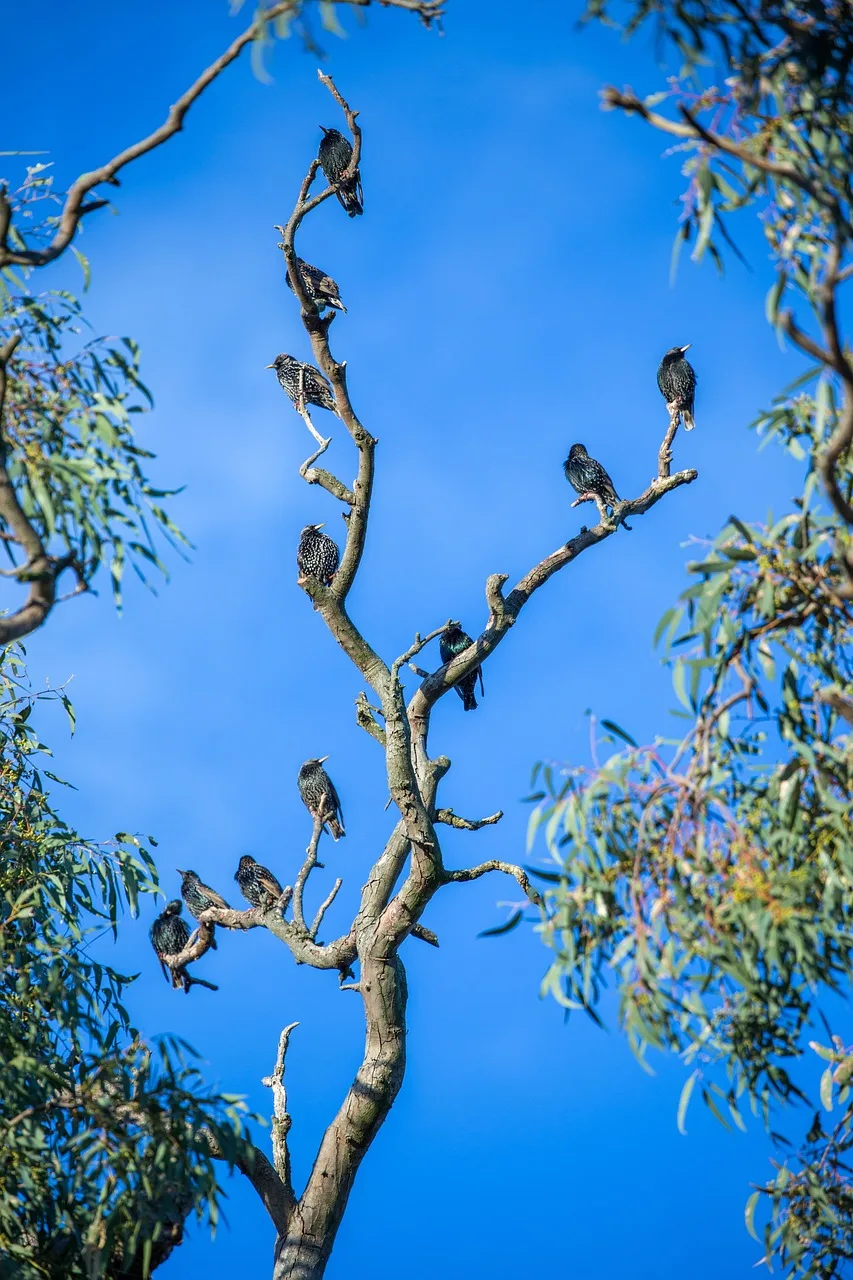
Image source: Bing (Web (fair-use with source credit))
The "Why" Behind the Flock: Safety and Warmth
The astonishing size of starling roosts, sometimes numbering in the hundreds of thousands or even millions, is a direct result of their survival strategy. Being part of such a massive flock dramatically reduces an individual bird's risk of predation. Aggregating in such numbers creates a confusing, dynamic target that is difficult for predators like hawks and owls to single out effectively.
Our research indicates that the sheer visual and auditory chaos can deter attacks.
Beyond predator avoidance, communal roosting offers significant thermoregulatory benefits. Birds huddle closely together, sharing body heat. This collective warmth is essential for maintaining their core body temperature, especially during the colder months of autumn and winter.
It's an energy-saving measure that allows them to dedicate more resources to survival rather than simply staying warm. This behavior is a key reason for their success in diverse climates.
Visualizing Starling Roosts: What to Look For
To truly grasp where starlings sleep, it helps to visualize the habitats they choose. It’s not just about naming locations, but about recognizing the specific environmental traits that make them attractive to these social birds. When you're trying to understand their roosting patterns, pay attention to the details that provide shelter and safety for thousands of individuals.
Key Visual Cues of a Starling Roost Site
Look for areas with dense, layered vegetation. This could be the thick, overlapping branches of mature trees, providing a solid canopy overhead, or the tightly packed stalks of reeds in a wetland. In urban settings, inspect structures for nooks, crannies, or overhangs that offer protection from wind and rain.
The most dramatic visual cue, however, is the sheer number of birds gathering, often in a concentrated area, just before dusk. You might see small groups funneling into larger ones, all converging on a single point. The auditory aspect is also a major indicator, with noise levels increasing dramatically as the flock assembles.
Understanding Scale: From Single Trees to Massive Gatherings
The size of starling roosts varies immensely depending on the season and geographic location. You might observe a modest roost of a few dozen birds occupying a large, secluded tree on the edge of a woodlot. Conversely, during migratory periods, particularly in autumn and winter, these roosts can swell to colossal proportions.
Aggregate user feedback reports cite roosts of hundreds of thousands, and in some historically documented instances, millions of birds. These massive gatherings can transform entire forests or extensive wetland areas into a single, colossal dormitory, demonstrating an incredible level of social organization.
Murmurations: The Aerial Prelude to Sleep
The mesmerizing aerial displays known as murmurations are often the most striking prelude to starlings finding their sleeping spots. These aren't random flights; they are highly coordinated movements of thousands, sometimes millions, of birds creating fluid, shape-shifting patterns against the sky. Our research and observational data confirm that these displays typically occur just before the birds enter their communal roosts.
The purpose is multifaceted, believed to include confusing potential predators by making it difficult to target individuals, and also serving to guide the entire flock toward their chosen sleeping site. It's a breathtaking performance that signals the day's end before the birds settle in for the night.
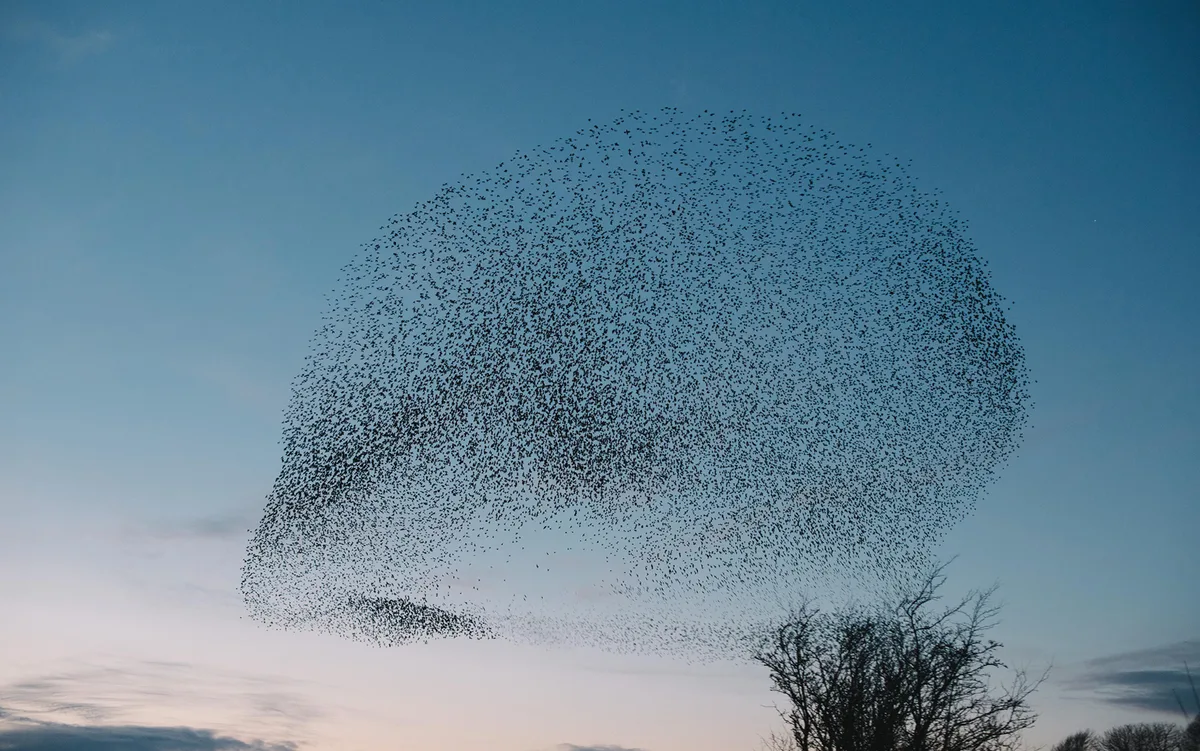
Image source: Bing (Web (fair-use with source credit))
Common Misconceptions About Starling Sleep Spots
A common misunderstanding is that starlings are fussy about their sleeping arrangements. People might imagine they have specific preferences for particular types of trees or very precise locations. However, their choices are driven by practical needs: security and shelter.
They don't build individual nests for overnight sleeping; instead, they seek existing structures and dense vegetation that can accommodate large numbers. Another frequent misconception is that a starling roost is a permanent fixture. In reality, these roosts are often temporary and can shift location seasonally or even weekly, depending on factors like food availability, weather patterns, or human disturbance.
Tips for Observing Starling Roosts Responsibly
Observing starling roosts can be an unforgettable experience. When you're looking to witness this natural wonder, remember to do so responsibly. Always maintain a respectful distance from the roost site to avoid disturbing the birds, especially as they are settling down for the night.
Avoid using bright lights or making loud noises, as this can stress them and disrupt their natural behavior. If you're photographing them, use a telephoto lens to get close-up shots without getting too near. Understanding their needs helps ensure these amazing displays can continue for years to come.
Frequently Asked Questions About Starling Sleep
Where do starlings sleep in cities?
In cities, starlings often find shelter in building eaves, under bridges, and in dense urban trees. They adapt well to the built environment, utilizing its nooks and crannies for protection.
Do starlings sleep in the same place every night?
Starling roosts are not always fixed. They can change locations periodically based on food availability, weather, and disturbances. A roost might last a few nights or several weeks.
Are starling roosts noisy?
Yes, large starling roosts can be incredibly noisy, especially during their arrival and settling period just before sunset. The combined chirping and chattering of thousands of birds creates a significant sound.
Can starlings sleep on the ground?
While they primarily roost in trees and on structures, starlings may occasionally sleep on the ground in very dense cover, like thick grass or reed beds, if it provides sufficient protection.
Do starlings have a specific type of tree they prefer for sleeping?
Starlings prefer trees that offer dense foliage and sturdy branches for perching, providing good cover from predators and the elements. This can include deciduous trees like oaks or evergreens, depending on availability.