Do Mallard Ducks Mate for Life
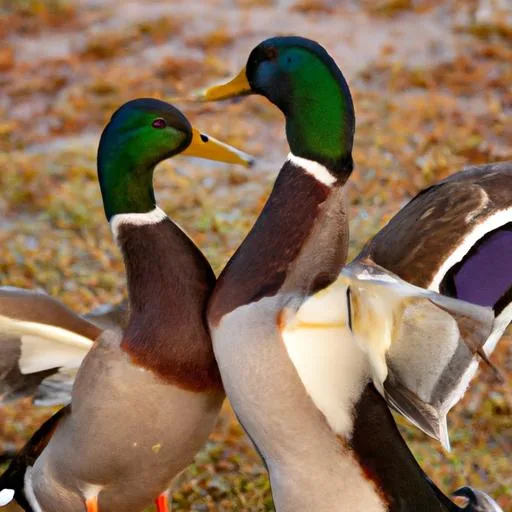
Image source: Bing (Web (fair-use with source credit))
Do Mallard Ducks Mate for Life?
You’ve likely seen them paddling together on local ponds and wondered if that pair of mallard ducks you spot regularly is in it for the long haul. The simple truth is, their relationships are often more temporary than lifelong. Understanding their mating behavior offers a fascinating glimpse into the natural world.
Our research indicates that while mallard ducks do form pair bonds, these partnerships are typically season-specific. According to Cornell Lab of Ornithology’s data, mallards often form monogamous relationships for a breeding season, which typically lasts from late winter through spring. This seasonal approach has practical implications for their survival and reproductive success.
Quick Answer: Do Mallards Mate for Life?
No, mallard ducks do not typically mate for life. They usually form pair bonds that last for a single breeding season, and often seek new partners each year. This strategy is common in many waterfowl species for reproductive and survival advantages.
Core Explanation: Mallard Pair Bonds Explained
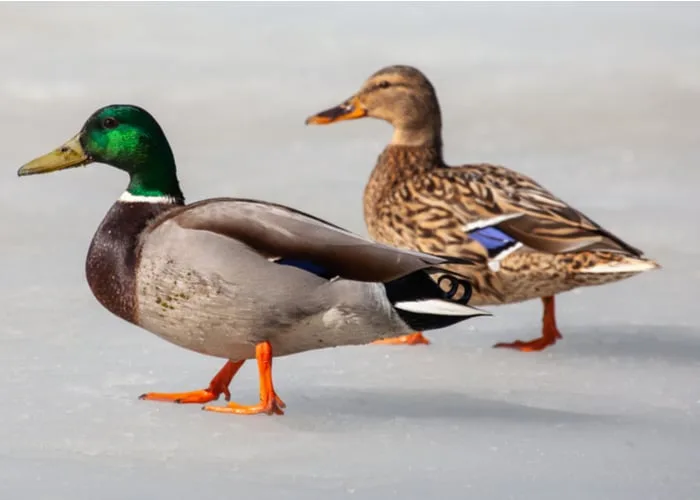
When we talk about "pair bonds" in mallard ducks, we're generally referring to a temporary partnership formed for the purpose of breeding. This partnership involves the male and female working together, at least for a time, to find a suitable nesting site, incubate eggs, and protect and raise their ducklings. It's a functional alliance designed to maximize the chances of their offspring surviving to adulthood.
This isn't driven by human concepts of romance or lifelong commitment; it's purely an evolutionary strategy.
The male mallard plays a role in defending the territory and the female during the nesting period. However, once the ducklings hatch and are able to forage on their own, the pair bond often dissolves. The male typically leaves the female to raise the young alone, conserving his energy for the next breeding cycle or for migration.
This division of labor and subsequent separation is a key characteristic of their reproductive strategy.
Why Mallards Form Seasonal Partnerships
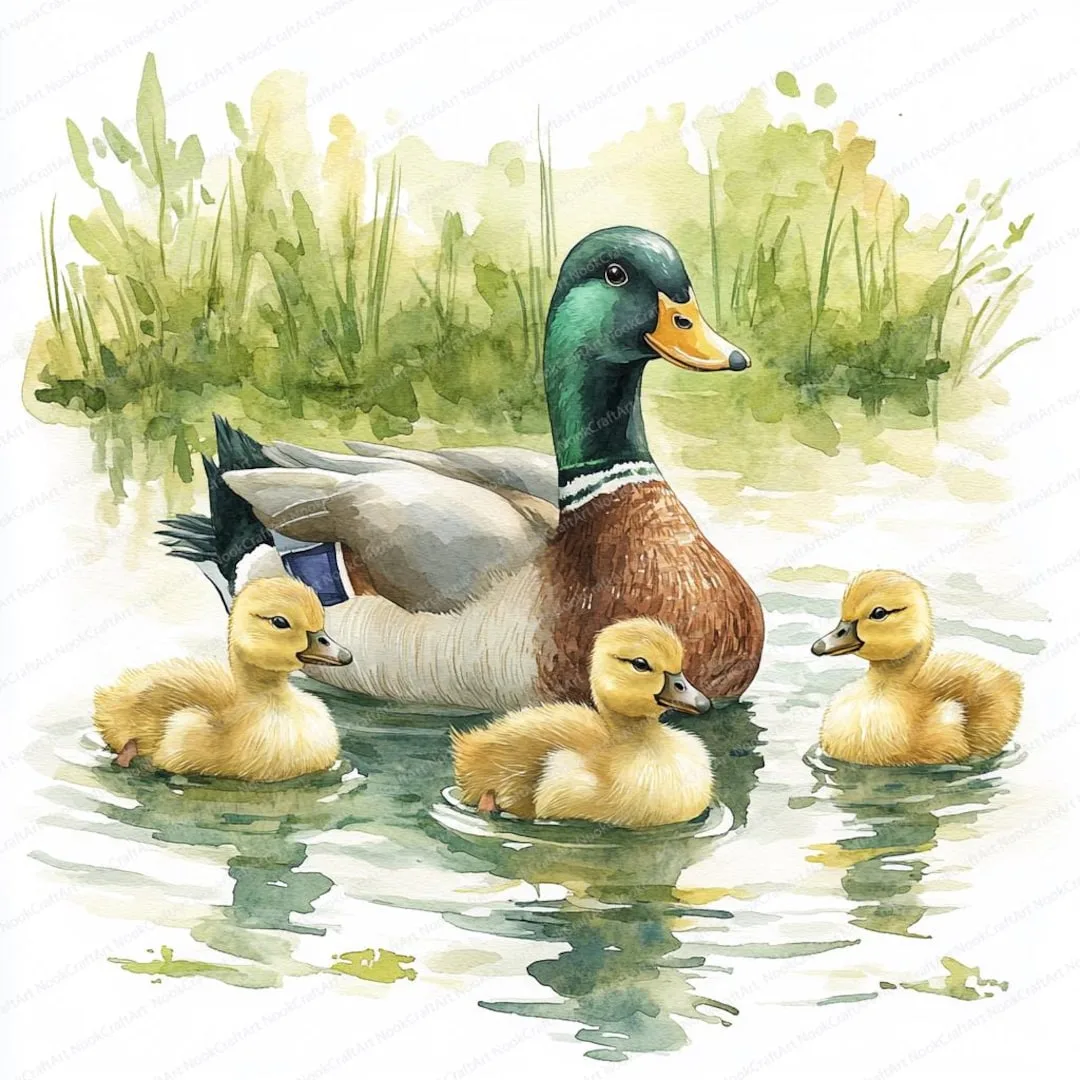
The reason mallard ducks opt for seasonal partnerships is rooted in survival and reproductive efficiency. Raising a brood of ducklings is a demanding and resource-intensive process. By pairing up for just one season, both the male and female can focus their energy on that specific goal without the long-term commitment that might be disadvantageous.
If a mallard duck were bound to a single mate for life, the death of one partner would present a significant challenge. For instance, if the female died during incubation, the male would be left without a partner and would have to find a new mate to continue the species. Similarly, if the male died, the female would lose her protector and territorial defender.
Seasonal pairing allows for flexibility; if one mate is lost, the survivor can more readily find a new partner for the next breeding opportunity. This adaptability is crucial in the wild.
Comparing Mallard Mating to Other Duck Species
While mallards stick to seasonal pairings, it’s important to remember that the world of waterfowl is diverse, and mating systems vary. Some duck species do form longer-lasting pair bonds, and a very small number are considered truly monogamous, staying with the same partner for multiple years or even for life.
For example, swans and some geese are well-known for their lifelong monogamous relationships. They often mate for life, with pairs staying together year after year, sharing incubation duties and raising young cooperatively over extended periods. This contrasts sharply with the mallard's approach.
The difference often comes down to the demands of chick-rearing and the species' specific ecological niche. Species that require more intensive, long-term parental care might benefit more from lifelong partnerships.
Common Misconceptions About Mallard Courtship
One of the most common misunderstandings about mallard ducks is the idea that they are romantically attached in the human sense. Seeing a pair swimming together, preening each other, or foraging in close proximity can easily lead people to believe they have a deep, lasting bond. This is a classic example of anthropomorphism, where we project human emotions and relationship structures onto animals.
In reality, these behaviors are largely driven by instinct and the immediate needs of reproduction and survival. Courtship displays, preening, and synchronized swimming are all part of the process to establish and maintain a pair bond for the current breeding season. It ensures that the male and female are in sync for mating, territory defense, and raising their young.
Once these tasks are accomplished, the social and reproductive drivers for that specific partnership largely disappear.