What Do Emperor Penguins Eat
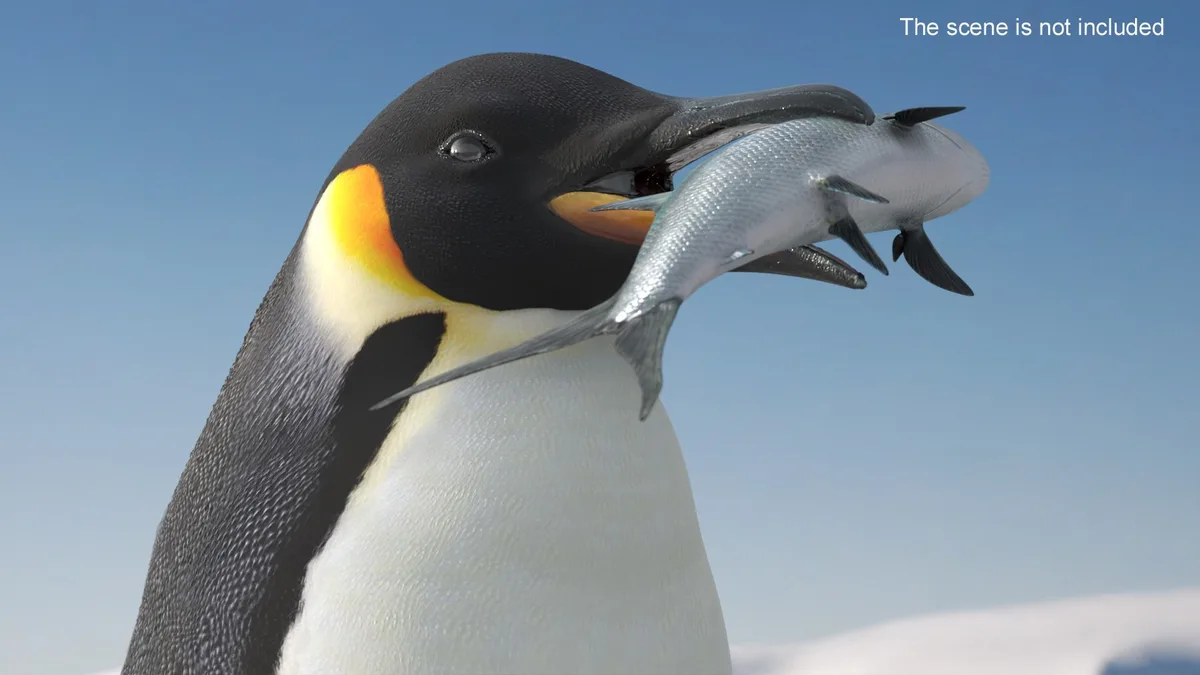
Image source: Bing (Web (fair-use with source credit))
The Emperor Penguin's Antarctic Feast: What's on Their Plate
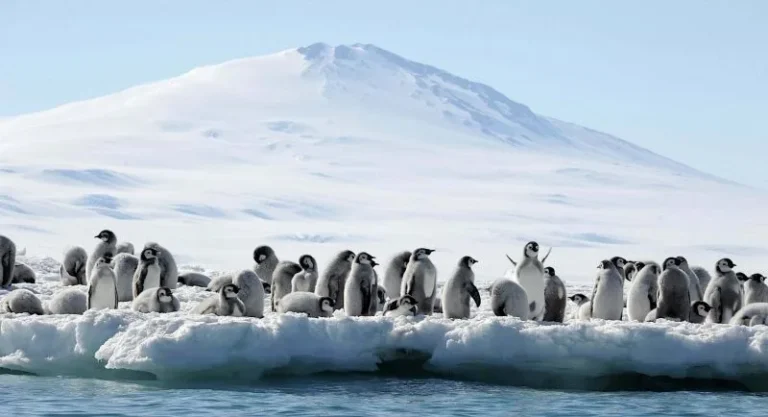
What do Emperor penguins eat? These iconic birds, famous for their incredible resilience, dine on a specific seafood menu perfectly adapted to the frigid Southern Ocean. Their diet is a direct reflection of the rich, yet challenging, marine environment they inhabit.
Our research shows their primary food sources are fish, krill, and squid. This specialized diet provides the high energy and essential fats needed for survival in one of the planet's most extreme climates, with adults needing to consume up to 7.7 kg (17 lbs) of food per day during foraging trips.
Quick Answer
Emperor penguins primarily eat fish, krill, and squid. They hunt these prey items by diving deep into the Antarctic Ocean. Their diet is crucial for energy.
Antarctic Oceans: The Penguin's Supermarket
The Southern Ocean surrounding Antarctica is a surprisingly productive place for marine life, and it forms the basis of the Emperor penguin's entire existence. It's a vast, icy expanse, but beneath its surface teems with the food these massive birds need to thrive. Think of it as a specialized grocery store where only the most adapted shoppers can find their ingredients.
The availability and abundance of these food sources directly impact the penguins’ ability to survive, breed, and raise their young. As of 2026, understanding this ecosystem is key to appreciating the penguin's role within it.

Image source: Bing (Web (fair-use with source credit))
Diving Deep: Hunting Strategies and Prey Capture
Emperor penguins are built for a life of intense activity in the water. Their hunting strategy is a masterclass in adaptation, combining incredible diving abilities with precise predation. When they set out to find food, they aren't just casually swimming; they're on a mission, utilizing specialized skills honed over generations.
Their success hinges on their ability to dive to significant depths and efficiently capture prey in the icy darkness.
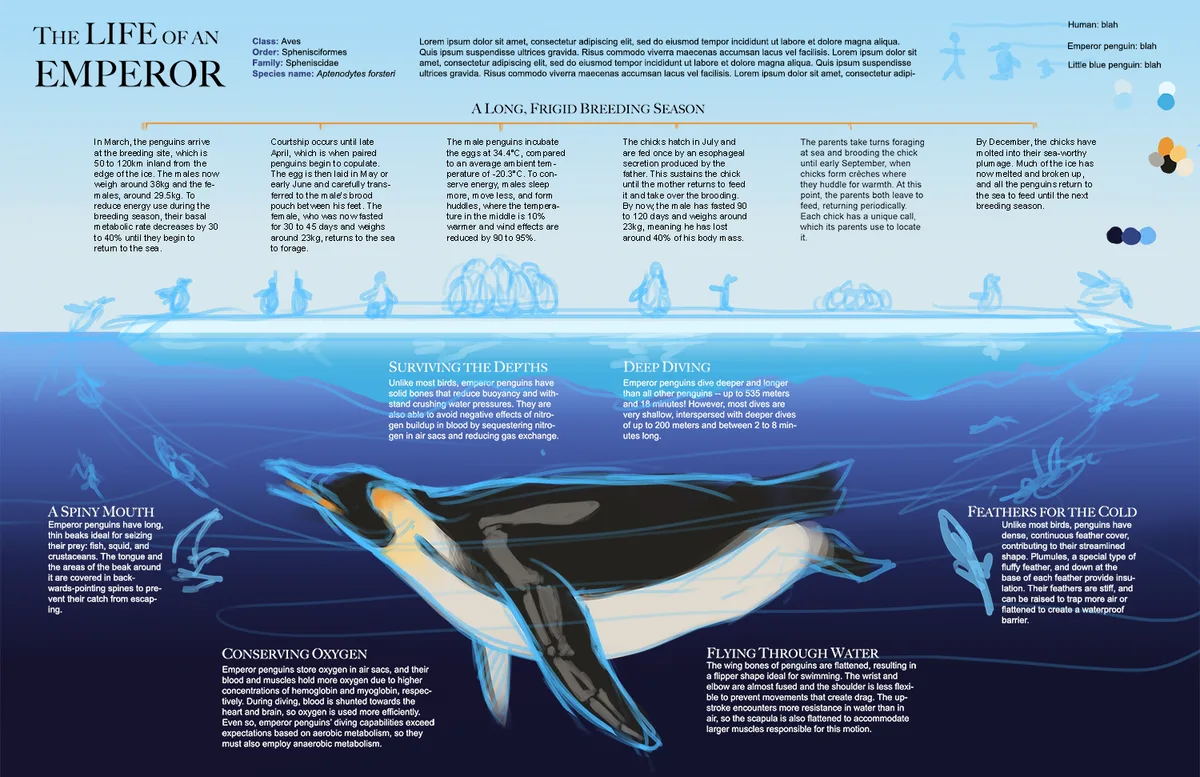
Image source: Bing (Web (fair-use with source credit))
Fish: The Ocean's Silver Catch
Fish form a significant portion of the Emperor penguin's diet, providing essential protein and fats. They don't target just any fish; their preference leans towards species abundant in the Antarctic waters. These often include Antarctic silverfish (Pleuragramma antarcticum), icefish (Channichthyidae), and various species of dragonfish (e.g., Bathylagidae).
These fish are relatively small and swim in schools, making them a more accessible target for a diving penguin. The penguins use their speed and agility to pursue these agile swimmers in the cold depths.
Krill: Tiny But Mighty Fuel
You can't talk about Antarctic food webs without mentioning krill, and Emperor penguins are no exception. These small, shrimp-like crustaceans (Euphausia superba) are a vital food source, packed with energy-rich lipids. Krill often form massive swarms in the Southern Ocean, making them an efficient and concentrated food source for foraging penguins.
During certain times of the year, krill can make up a substantial part of their caloric intake, especially when other prey is less accessible.
Squid: A Chilling Deep-Sea Snack
When Emperor penguins dive to their deepest hunting depths, they often encounter squid. These cephalopods, such as the Patagonian toothfish (Dissostichus eleginoides) which can be preyed upon by juvenile penguins, and various species of true squid (e.g., Psychroteuthis glacialis), are a valuable addition to their diet. Squid provide a different nutritional profile, including proteins and fats that complement their fish and krill consumption.
Their ability to hunt effectively in the low-light conditions of the deep ocean showcases the penguins’ remarkable sensory adaptations.
Diet's Role in Penguin Survival and Reproduction
The food Emperor penguins eat isn't just about basic sustenance; it's intrinsically linked to their ability to survive the harsh Antarctic climate and successfully raise their chicks. Every meal plays a critical role in maintaining their energy reserves, body temperature, and reproductive success. The quality and quantity of available food directly influence their health and the survival rates of the next generation.
Fueling Up for the Cold
Emperor penguins live in an environment where temperatures can plummet to -60°C (-76°F) and wind chills can be even lower. To combat this extreme cold, they need a substantial layer of body fat. The high-fat content in the fish and squid they consume is crucial for providing insulation and the metabolic energy required to generate body heat.
Without this energy-rich diet, they would struggle to maintain their core body temperature, especially during their long breeding fasts.
Feeding the Next Generation
The breeding cycle of Emperor penguins is demanding. After a female lays a single egg, she transfers it to the male and then heads to sea to feed for several weeks, rebuilding her own energy reserves and gaining weight. During this time, the male endures the brutal winter conditions, fasting and incubating the egg.
When the female returns, she regurgitates a portion of her catch to feed the hungry chick. The success of this vital feeding transfer depends entirely on the abundance and quality of food available in the ocean. If foraging is difficult, the female may not gain enough weight, or her return may be delayed, jeopardizing the chick's survival.
When Food is Scarce: Challenges in the Penguin's Pantry
The Antarctic marine ecosystem, while productive, is not always stable. Emperor penguins face significant challenges when their primary food sources become scarce. Climate change, shifts in ocean currents, and overfishing by human fleets can all disrupt the delicate balance of prey availability.
When fish, krill, or squid populations decline, the penguins must expend more energy searching for food, travel further from their colonies, and may face longer periods of fasting. This scarcity directly impacts their ability to feed themselves and their chicks, often leading to decreased breeding success and increased chick mortality. A documented example of this impact is how changes in sea ice extent can affect the distribution and abundance of krill, a staple food for many Antarctic species, including penguins.
Tracking Diet: What Penguin Meals Tell Us About Ocean Health
The feeding habits of Emperor penguins serve as a critical indicator of the health of the Southern Ocean ecosystem. By studying what they eat, where they find it, and how much they consume, scientists can glean valuable insights into the overall condition of the Antarctic marine environment. For instance, a decline in the proportion of a particular prey item in penguin diets might signal a decrease in that species' population, potentially due to environmental changes or overexploitation.
Aggregate data from penguin diet studies, which often involve analyzing stomach contents or analyzing stable isotopes in feathers and tissues, can reveal long-term trends and shifts in prey abundance and distribution, effectively turning penguins into biological sentinels of ocean health. As reported by organizations like the National Oceanic and Atmospheric Administration (NOAA), understanding these predator-prey relationships is vital for effective marine conservation.
Emperor Penguin Diet FAQs
What is the primary food source for Emperor penguins?
The primary food sources for Emperor penguins are fish, krill, and squid. These make up the bulk of their diet in the Southern Ocean.
Do Emperor penguins eat other animals besides fish, krill, and squid?
While these are their main prey, very occasionally, they might consume other small invertebrates if those are readily available. However, fish, krill, and squid are their staple foods.
How much do Emperor penguins eat in a day?
During foraging trips, adult Emperor penguins can consume a significant amount of food, sometimes up to 7.7 kg (17 lbs) per day to fuel their energy demands.
How do Emperor penguins catch their food?
Emperor penguins are expert divers and hunters. They use their torpedo-shaped bodies and powerful flippers to chase down prey in the deep, cold waters of the Antarctic.
Can Emperor penguins survive on land for food?
No, Emperor penguins are entirely dependent on the ocean for food. They do not hunt or eat anything on land; their diet comes exclusively from marine sources.