What Do Mute Swans Eat
Ever watched a graceful mute swan gliding across the water and wondered about their diet? It's not all bread crumbs from well-meaning park-goers, although that's a common misconception! Mute swans are primarily herbivores, meaning they mostly eat plants.
Their diet is pretty specialized, focusing on what they can find in and around freshwater habitats like ponds, lakes, and slow-moving rivers.
We're talking about a lot of aquatic vegetation. Think submerged plants, emergent plants (those that grow with parts above and below water), and even some grasses and roots near the water's edge. Their long necks are perfectly designed for reaching down into the water to grab these tasty greens.
As of 2026, research confirms that their dietary intake is overwhelmingly plant-based, with very little animal matter consumed incidentally.
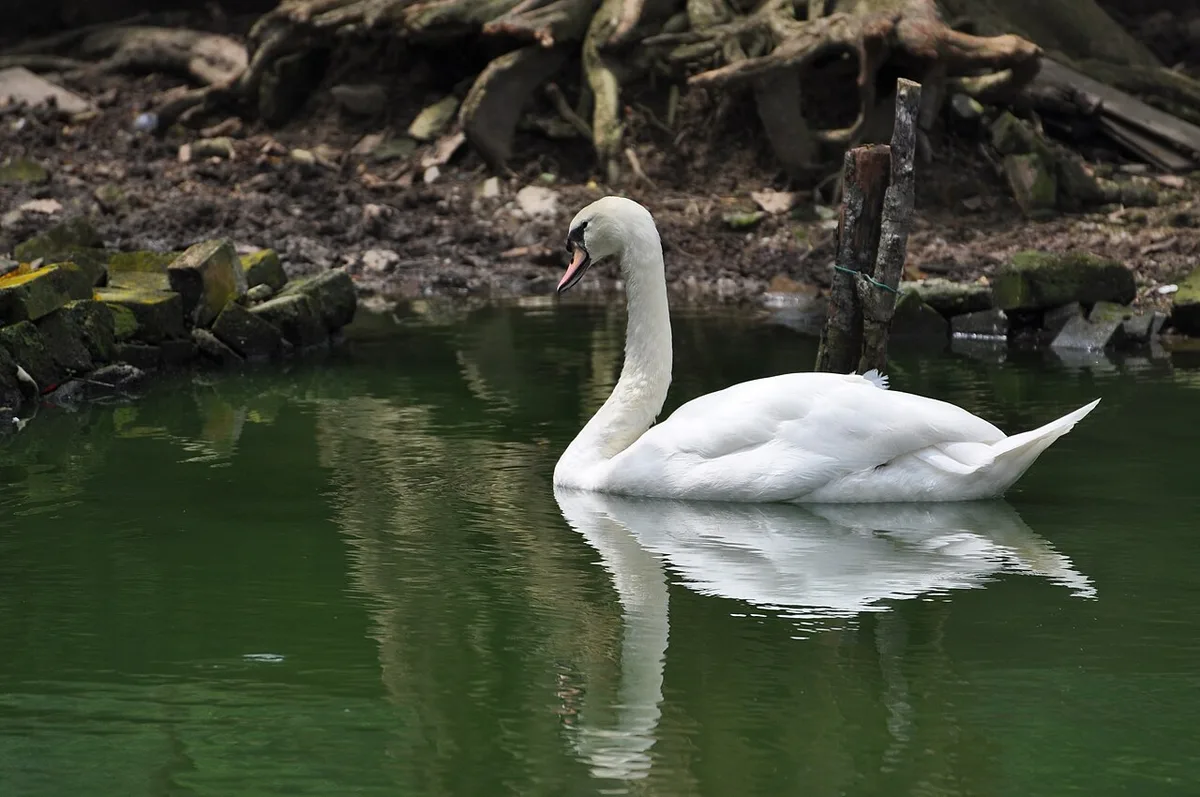
Image source: Wikimedia Commons / shankar s. from Dubai, united arab emirates (CC BY)
Quick Answer
Mute swans primarily eat aquatic vegetation. Their diet consists of submerged plants, emergent plants, grasses, and sedges. They also consume roots and tubers found near water.
Bread is not a healthy food for them.
Understanding the Swan's Natural Diet: Aquatic Plants Are Key
The core of a mute swan's diet revolves around the plant life found in and around freshwater environments. These elegant birds have evolved to thrive on a vegetarian menu, perfectly suited to the ecosystems they inhabit. Their foraging habits are intricately linked to the availability of specific aquatic plants, which provide them with the necessary nutrients for survival and reproduction.
It’s fascinating how much of their day is dedicated to finding and consuming these greens. They don't just randomly peck; they have specific methods for gathering their food, which we’ll get into. The health of wetland environments directly impacts the health and population of mute swans because their food sources are so dependent on clean, thriving aquatic ecosystems.
What's on the Menu? Submerged and Emergent Goodies
When we talk about what mute swans eat, the stars of the show are definitely aquatic plants. These aren't just random weeds; they're nutrient-rich sources of energy and essential vitamins for the swans. Their long necks allow them to access plants that other waterfowl might miss.
- Submerged Plants: These are the treasures hidden beneath the water's surface. Think of pondweeds (Potamogeton species), which are a favorite. Elodea, often called waterweed or anacharis, is another common and nutritious option. Various types of algae also contribute to their diet, especially when other food is scarce.
- Emergent Plants: These are the plants that have roots anchored in the mud below, but their stems and leaves grow up and out of the water. Cattails (Typha species) are a prime example, and swans will pull them up to eat the tender lower stems and roots. Water lilies, with their broad floating leaves, are also part of the diet, with swans often consuming the leaves and sometimes the rhizomes (underwater stems). Sedges (Carex species) and rushes (Juncus species) are also frequently eaten.
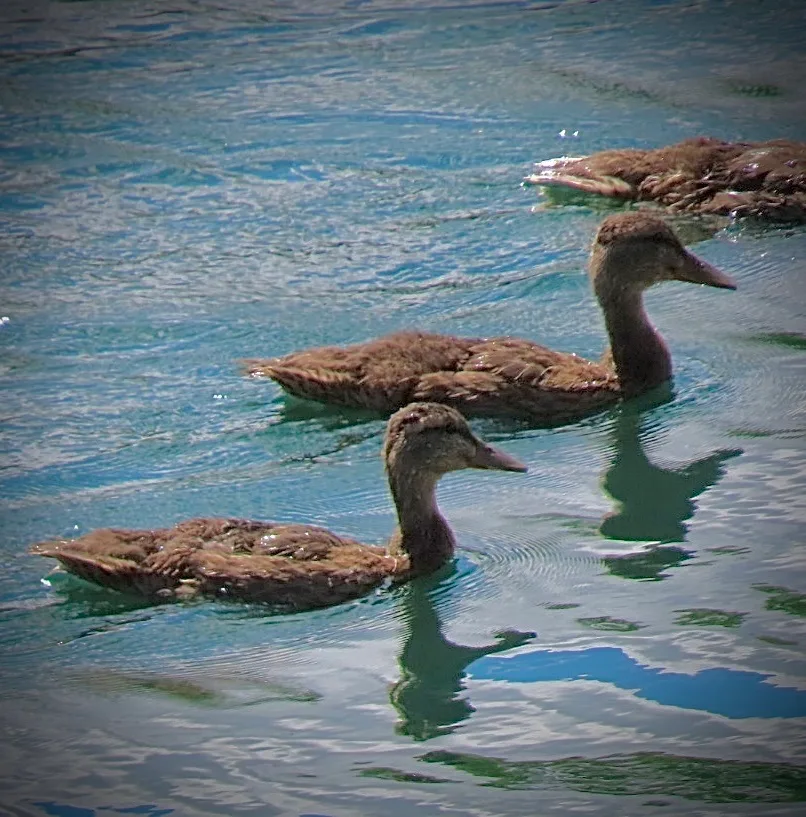
Image source: iNaturalist / Irene
Why Bread Is a No-Go for Swans
You've probably seen people tossing bread to ducks and swans at the park. While it might seem like a kind gesture, it's actually quite harmful. Bread offers very little nutritional value for swans and can cause serious health problems.
It's like us eating only candy all day, it fills us up but doesn't give us the vitamins and minerals we need.
This empty calorie food can lead to a condition called "angel wing," a developmental deformity where the wing twists outward. It also contributes to poor feather quality and can make swans more susceptible to diseases. Furthermore, uneaten bread often sinks and decomposes, polluting the water and fostering algae blooms that can harm the aquatic environment swans depend on for their natural food.
Organizations like the U.S. Fish and Wildlife Service strongly advise against feeding bread to waterfowl, emphasizing the importance of letting them forage for their natural diet.
How Swans Forage for Their Food
Mute swans are masters of foraging, employing specific techniques to gather their plant-based meals. Their physical attributes, particularly their long, flexible necks and broad beaks, are perfectly adapted for this purpose. They spend a significant portion of their day feeding, as their diet requires a large volume of plant matter to sustain them.
The process isn't just about dipping their heads; it involves a deliberate and often visually striking set of actions that help them access the best food sources. Understanding these behaviors gives us a clearer picture of their daily lives and their connection to their environment.
Techniques Swans Use to Find Food
Swans have developed several effective methods for acquiring their food, depending on whether they are feeding in water or on land. These techniques maximize their ability to find and consume nutritious plant material.
- Dipping and Grazing: This is the most common method seen in water. A swan will lower its head and neck beneath the surface, often tipping its body upwards so its tail and rear end point skyward. This maneuver, sometimes called "upending," allows them to reach submerged vegetation that grows on the bottom. They then pull up mouthfuls of plants and eat them.
- Surface Skimming: Sometimes, swans will swim with their heads just above or slightly in the water, nibbling on emergent vegetation or plants floating on the surface. This is less about deep foraging and more about efficiently grabbing readily available greens.
- Terrestrial Grazing: When on land, swans are more like cows or sheep, grazing on short, tender grasses and sedges. They prefer areas with well-maintained, short vegetation, often found in parks or along the edges of their aquatic territories. They will walk and nibble, covering areas to find the most palatable growth.
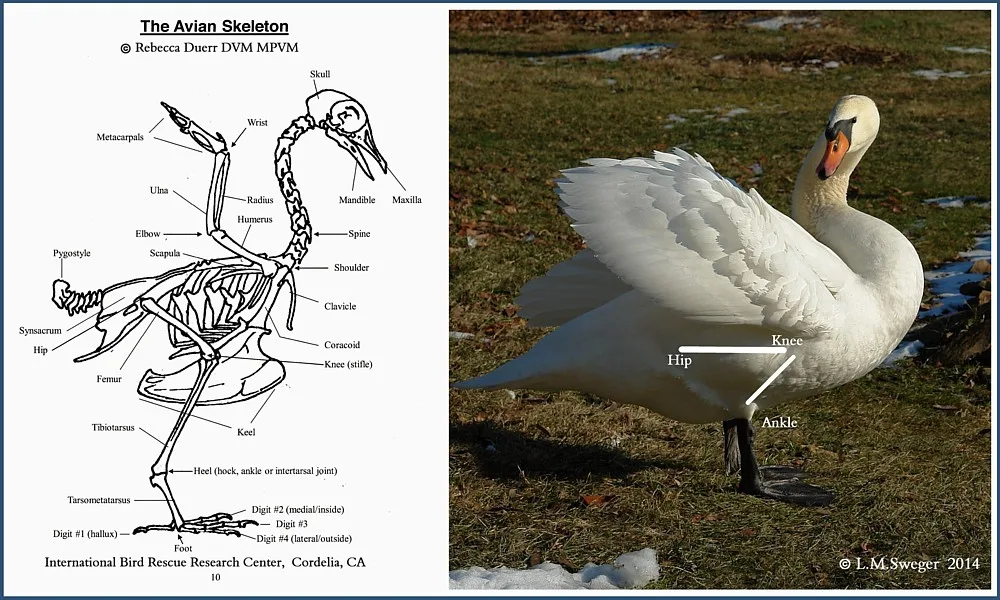
Image source: Bing (Web (fair-use with source credit))
- Rooting: Occasionally, swans will use their beaks to gently probe or dig into the soft mud or bank to unearth roots and tubers of aquatic plants. This is a more targeted feeding strategy to access nutrient-rich underground parts.
The Importance of Natural Habitats for Swan Nutrition
The availability and quality of their natural habitat are absolutely crucial for the health and survival of mute swans. Their specialized diet means they are highly dependent on clean, flourishing freshwater environments. A healthy wetland provides a diverse range of submerged and emergent aquatic plants that are essential for their nutritional needs.
When these habitats are degraded or disappear, swans struggle to find enough food. This isn't just an inconvenience; it can lead to malnutrition, reduced breeding success, and increased susceptibility to disease. Protecting these environments is, therefore, paramount for the well-being of swan populations.
Threats to Their Natural Food Sources
Several factors can threaten the natural food sources that mute swans rely on, impacting their diet and overall health.
- Pollution: Runoff from agriculture, urban areas, and industrial sites can contaminate water bodies. This pollution can kill aquatic plants directly or make them inedible for swans. Excess nutrients, like nitrates and phosphates, can also cause algal blooms that choke out other plant life and deplete oxygen levels.
- Habitat Destruction: Development, dredging of waterways, and excessive shoreline modification can remove or damage the shallow areas where emergent and submerged plants thrive. Wetland drainage for agriculture or construction is a major threat.
- Invasive Species: Non-native aquatic plants can sometimes outcompete native species, altering the plant community and potentially reducing the availability of plants that swans prefer or can digest effectively.
- Overfeeding by Humans: As mentioned earlier, feeding swans inappropriate foods like bread can disrupt their natural foraging behaviors and lead them to neglect the nutrient-dense plants they need. It also encourages them to congregate in areas where they might be more exposed to disease or traffic.
Common Mistakes People Make When Interacting with Swans
While most people mean well, there are a few common mistakes that can inadvertently harm mute swans or their environment. Understanding these can help us be better stewards of these beautiful birds and their habitats.
- Feeding them bread or junk food: This is the biggest one. As we've discussed, it’s nutritionally bankrupt for them and can cause significant health issues like angel wing. Stick to letting them forage naturally.
- Approaching too closely or disturbing nesting sites: Swans, especially during nesting season or when protecting their young cygnets, can become defensive. While they are generally not aggressive unless provoked, maintaining a respectful distance is important for both your safety and their peace. Don't try to pet them or get a selfie right next to them.
- Discarding trash in or near water bodies: Plastic, fishing lines, and other debris can be ingested by swans, causing internal injuries or blockages. They can also become entangled in discarded fishing gear. Always dispose of your trash properly.
- Assuming they are aggressive: While a male swan (cob) might hiss or flap its wings if it feels threatened, they are usually more inclined to retreat than attack. Understanding their body language and giving them space is key.
FAQs About Mute Swan Eating Habits
What is the primary food source for mute swans?
Mute swans primarily feed on aquatic vegetation. This includes a variety of submerged plants, emergent plants, grasses, and sedges found in and around freshwater habitats.
Can mute swans eat fish?
No, mute swans are herbivores and do not typically eat fish. Their digestive system and foraging methods are adapted for consuming plant matter, not animal prey.
Is it safe to feed mute swans lettuce?
While lettuce is a plant, it's not the ideal food for mute swans. It lacks the specific nutrients they get from natural aquatic vegetation. It's always best to let them forage for their natural diet.
What should I do if I see a mute swan that looks sick or injured?
If you see a mute swan that appears sick or injured, contact a local wildlife rehabilitation center or animal control immediately. Do not attempt to feed or approach the bird yourself.