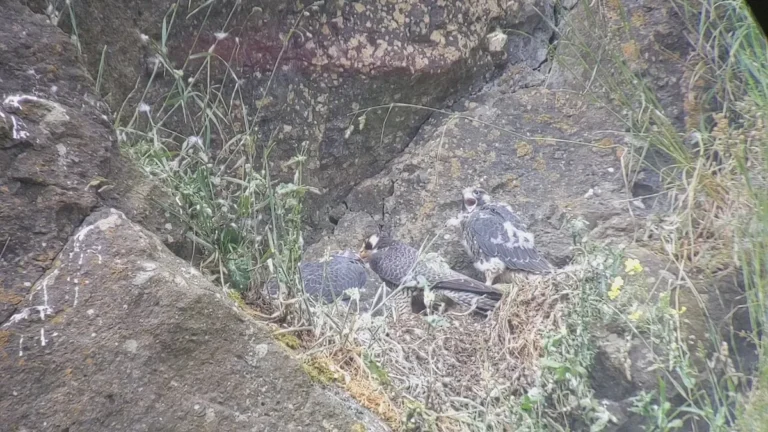
Where Do Burrowing Owls Live
Curious about where burrowing owls live? These fascinating birds prefer wide-open spaces and dry conditions, often making their homes in abandoned burrows. Understanding their habitat needs is key to appreciating these unique creatures.
Our research indicates that burrowing owls thrive in environments with sparse vegetation and good visibility, typically found in grasslands, deserts, and even some agricultural lands. They are ground-dwelling birds, a crucial aspect of their survival strategy as of 2026.
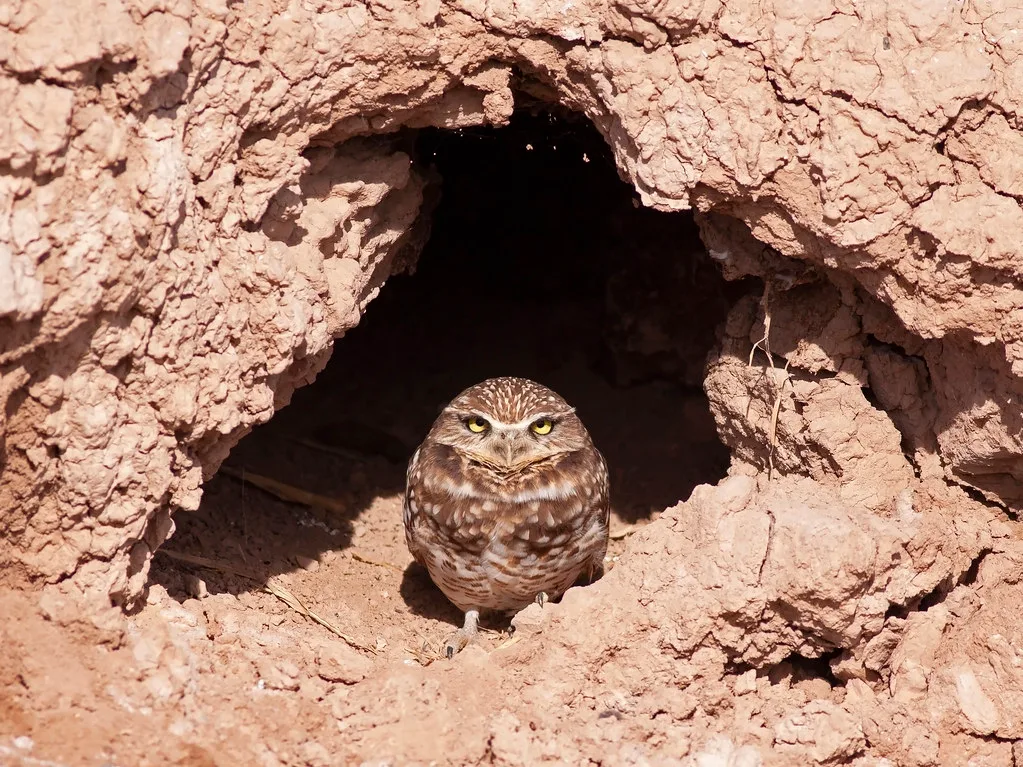
Image source: Bing (Web (fair-use with source credit))
Quick Answer
Burrowing owls live in open, dry habitats across the Americas. They need grasslands, deserts, or scrublands. These owls typically inhabit abandoned burrows.
They are found from Canada to Argentina.
Why Seeing Their Habitat Matters
When we talk about where burrowing owls live, it's not just about naming continents or countries. It's really about understanding the type of environment they need to survive. You can't really grasp their lifestyle without picturing their home turf.
Think about it: these birds are hunters of insects and small rodents, and they rely heavily on being able to spot their prey from a distance, as well as seeing predators coming. Their entire existence, from finding food to raising young, is shaped by their surroundings. Visualizing these open, often arid, landscapes helps paint a clearer picture than just listing locations.
For instance, the U.S. Fish and Wildlife Service lists burrowing owls as a species of conservation concern, highlighting habitat availability as a primary factor in their population health across their range.
What Burrowing Owls Look For in a Neighborhood
Burrowing owls are pretty straightforward about their housing preferences. They aren't building elaborate nests in trees or on cliffs; their needs are more down-to-earth, quite literally.
Open Spaces: The Big Picture
The most critical feature for a burrowing owl's home is open, spacious territory. They need to see far and wide. This means areas with short grass, like prairies or savannas, are ideal.
They also frequent drier, more open environments such as deserts and scrublands, where vegetation doesn't grow too densely. These conditions allow them to effectively hunt and evade predators.
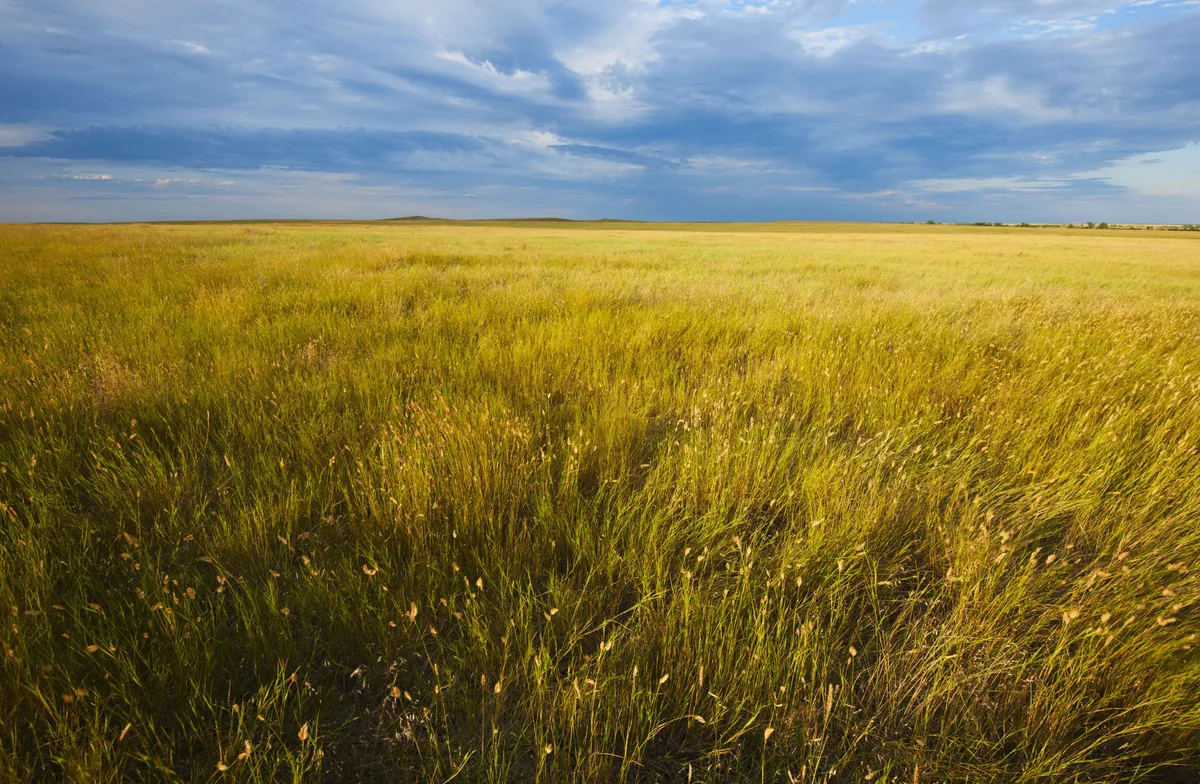
Image source: Bing (Web (fair-use with source credit))
This preference for open country also extends to areas that might seem unusual to us, like golf courses, airport grounds, or even vacant lots in suburban areas, provided they offer sufficient space and a food supply. The key is unobstructed views and room to maneuver.
The Importance of Good Drainage and Access
Beyond just being open, a burrowing owl's chosen spot needs to be practical. They need their homes to be dry and easily accessible. This is why they often select slightly elevated areas or locations that naturally drain well.
Nobody wants a flooded basement, and owls are no different.
This natural drainage is crucial for keeping their burrows from becoming waterlogged, especially during rainy seasons. It helps maintain a healthy environment for eggs and young chicks. Good access also means they can quickly enter and exit their burrow, whether for hunting, escaping danger, or just getting out of the elements.
Not Always Digging Their Own Homes
Here's a fun fact: burrowing owls are generally not excavators. They don't typically dig their own burrows from scratch. Instead, they are quite adept at finding and taking over pre-existing burrows.
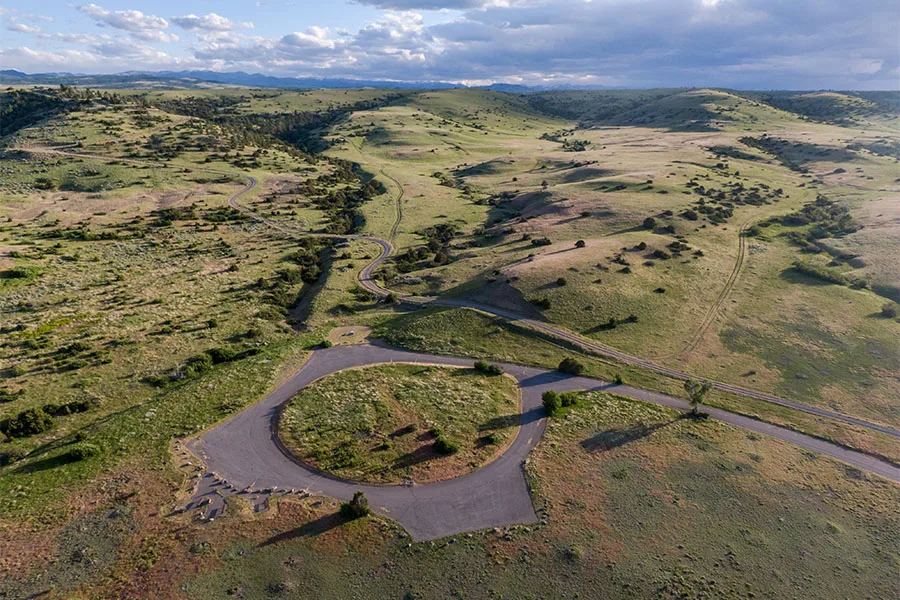
Image source: Bing (Web (fair-use with source credit))
They are opportunistic tenants, often relying on the hard work of other animals. Common "landlords" include prairie dogs, ground squirrels, marmots, and even desert tortoises. The owls will find an abandoned burrow, maybe do a little tidying up, and then settle in.
This reliance on other species means their habitat needs are also tied to the presence of these burrowing mammals.
Visualizing Burrowing Owl Habitats
Understanding where burrowing owls live is a lot easier when you can picture their environment. It's not about abstract geography; it's about recognizing specific landscape features. When you see photos or diagrams of their preferred areas, you get a real sense of their lifestyle.
These visuals often show vast, flat or gently rolling plains with low-lying vegetation. You might see images of arid, sandy soil dotted with cacti or scrub brush, alongside the entrance to a small hole in the ground. This visual context helps connect the dots between the bird's appearance, its behavior, and the environment it calls home.
Spotting the Perfect Spot: Key Landscape Clues
To a burrowing owl, a "perfect spot" is one that offers safety, food, and a place to raise a family. You'll notice that these ideal locations share several common traits. They are typically free of dense tree cover, which obstructs their view and hunting style.
Look for areas with minimal tall grass, as this can hide prey and make hunting more difficult. The ground itself is often somewhat hard-packed or sandy, suitable for burrowing animals. In many regions, particularly in arid or semi-arid zones, you'll find them in areas with natural slopes or elevated ground that prevents flooding.
What a Burrowing Owl's Home Looks Like
A burrowing owl's "home" is more than just a hole in the ground; it's a carefully chosen burrow that provides shelter and security. While they often adopt existing burrows, they might modify them slightly. This can involve widening the entrance or clearing some debris.
The burrow entrance itself is usually about the size of a small rodent's opening, typically around 3 to 4 inches (7.6 to 10 cm) in diameter. Inside, the burrow can extend several feet underground, offering protection from predators and extreme weather. Multiple burrows may exist within a single owl territory, providing options for escape or nesting.
Different Regions, Similar Needs
While burrowing owls are found across a wide range of environments, their fundamental habitat requirements remain consistent. Whether it's the dry prairies of North America or the arid plains of South America, the core needs are the same: open space, low vegetation, and access to burrows. This adaptability allows them to persist in diverse landscapes.
For example, in North America, you might see them on the shortgrass prairies. In parts of South America, they might favor the pampas or drier scrublands. The defining characteristic is always the openness and suitability for ground-dwelling life.
Burrowing Owl Distribution: Who Lives Where
The burrowing owl's range is impressively widespread, spanning a significant portion of the Americas. They are not confined to a single continent but have successfully established populations from the northern reaches of North America down to the southern tip of South America.
North American Strongholds
In North America, burrowing owls are most commonly found in the western and central United States, as well as throughout Mexico. States like California, Arizona, and Texas are known for their burrowing owl populations. They prefer the grasslands, deserts, and some agricultural areas within these regions.
Their presence in Canada is more limited, typically found in the southern parts of the prairie provinces. As of 2026, conservation efforts are actively working to protect these crucial North American habitats.
South American Adventures
South America hosts a significant portion of the global burrowing owl population. They are widespread throughout the continent, inhabiting countries such as Brazil, Argentina, Uruguay, and Chile, among others. Their preferred habitats here include the vast grasslands like the Pampas, arid scrublands, and open plains.
Their distribution in South America is extensive, demonstrating their adaptability to a variety of open, dry environments.
Island Hopping in the Caribbean
Adding to their diverse range, burrowing owls have also managed to colonize several islands in the Caribbean. They can be found on islands like Hispaniola, Puerto Rico, and some of the smaller Antilles. Here, they adapt to the available open habitats, which might include grasslands, coastal areas, or even disturbed urban environments that mimic their natural preferences.
Their presence on these islands highlights their ability to disperse and thrive in island ecosystems.
The Risks Burrowing Owls Face
Despite their adaptability, burrowing owls face significant challenges that threaten their populations. Understanding these risks is crucial for appreciating why conserving their habitats is so important.
Losing Their Homes: Habitat Threats
The biggest threat to burrowing owls is habitat loss and degradation. As human populations grow, development encroaches on the open spaces these birds need. Urbanization, intensive agriculture, and infrastructure projects like roads and dams can fragment or completely eliminate their preferred territories.
This loss of grasslands and arid lands directly reduces the available space for nesting and foraging. When their natural habitats disappear, so do the prairie dogs and ground squirrels whose abandoned burrows the owls rely on. This double impact makes habitat conservation a top priority.
Everyday Dangers: Predators and Competition
Burrowing owls, being ground dwellers, are naturally more vulnerable to predation than many other bird species. Predators like coyotes, foxes, snakes, and various birds of prey pose a constant threat to both adult owls and their chicks. Their camouflage helps, but it's not always enough.
Competition for suitable burrows can also be a significant issue. When populations are healthy, multiple species might vie for the same limited burrow resources. This competition, combined with the ongoing threat of habitat loss, creates a challenging environment for burrowing owls to thrive.
Helping Burrowing Owls Thrive
Given the threats burrowing owls face, conservation efforts are vital for their survival. These initiatives focus on protecting and restoring their natural habitats, ensuring they have the space and resources needed to thrive.
Conservation Efforts That Make a Difference
Conservation groups and government agencies work to identify and protect critical burrowing owl habitats. This often involves land management practices that favor open grasslands and minimize human disturbance. Projects may include restoring degraded areas, managing invasive species, and working with landowners to implement bird-friendly practices.
For example, some programs focus on creating or maintaining prairie dog colonies, which are essential for providing burrows. Others involve monitoring owl populations and nesting success to track the effectiveness of conservation strategies. The U.S.
Fish and Wildlife Service lists burrowing owls as a species of conservation concern in many regions, prompting targeted actions.
What You Can Do to Help
Even as individuals, we can contribute to burrowing owl conservation. The most impactful action is supporting or volunteering with organizations dedicated to wildlife preservation. If you live in an area where burrowing owls are present, be mindful of their habitat.
Avoid disturbing open areas, especially during nesting season, which typically runs from spring through summer.
Proper land management, even on private property, can make a difference. Maintaining open spaces with low vegetation and avoiding the use of broad-spectrum pesticides can help support the insect populations that burrowing owls feed on. Educating others about the needs of these unique birds also plays a crucial role in fostering a conservation ethic.
Frequently Asked Questions About Burrowing Owl Homes
Where are burrowing owls most commonly found?
Burrowing owls are most commonly found in open, dry habitats across the Americas, from southern Canada and throughout the United States and Mexico, down into South America.
Do burrowing owls dig their own homes?
No, burrowing owls typically do not dig their own burrows. They usually adopt existing burrows created by other animals like prairie dogs or ground squirrels.
What kind of environment do burrowing owls prefer?
They prefer open, dry environments with sparse vegetation, such as grasslands, deserts, scrublands, and even some agricultural areas. Good visibility and access to pre-existing burrows are essential.
Why are burrowing owls considered a species of conservation concern?
Burrowing owls are often listed as species of conservation concern due to habitat loss and degradation caused by development and intensive agriculture.