Why Are Kiwis Flightless
You've probably seen pictures of the kiwi, a curious little bird that waddles around instead of soaring. The question that often comes up is simple: why are kiwis flightless? It’s a fascinating tale of adaptation, where an animal's environment dictates its very form over vast stretches of time.
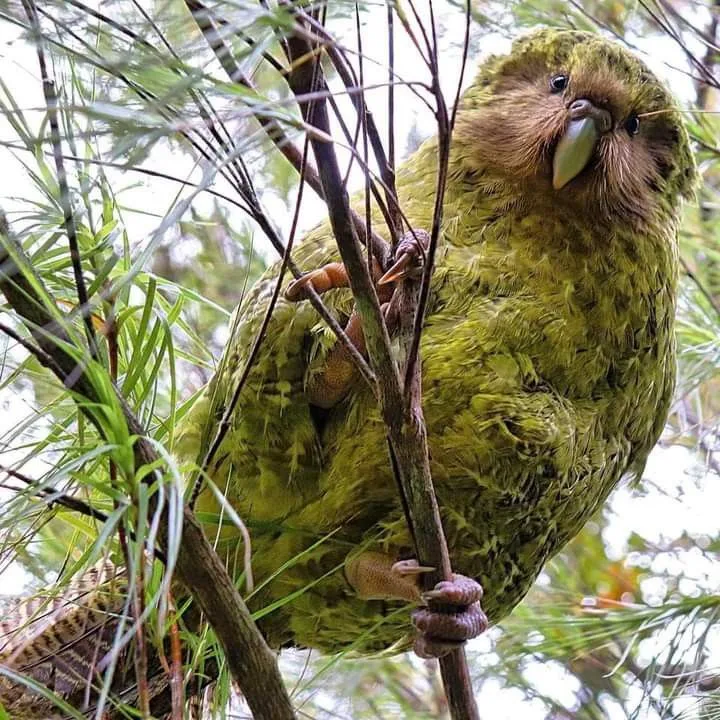
In our research into avian evolution, we've found that the kiwi's journey is a prime example of how life changes when the usual pressures disappear. For instance, the Strigops habroptilus, the Kakapo’s closest living relative, is also flightless, showcasing a broader evolutionary trend in that specific island ecosystem.
Quick Answer: Why Kiwis Are Grounded Birds
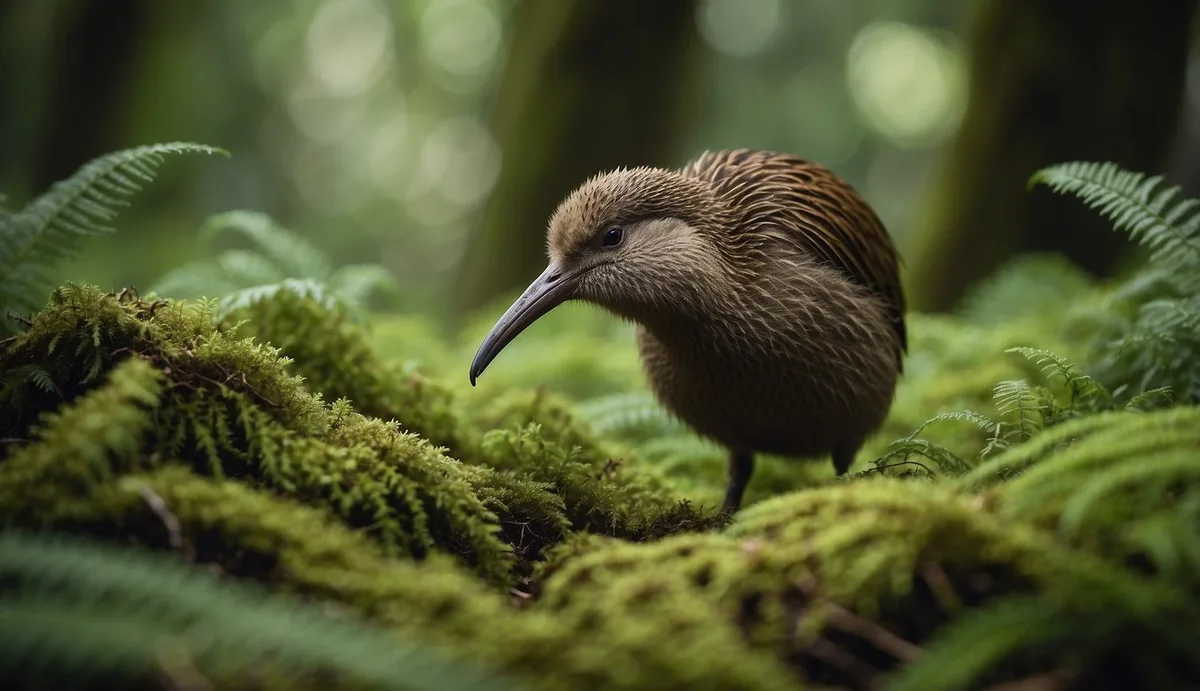
Kiwis are flightless because millions of years ago, their ancestors arrived in an environment with no ground predators. This allowed them to lose the need for flight, a costly trait to maintain. Over time, their wings became smaller and their bodies adapted for life on the forest floor.
This evolutionary trade-off favored digging and foraging skills over aerial escape.
The Big Picture: How Evolution Shaped Flightless Birds
Evolution isn't a plan; it's more like a constant tinkering process. Nature favors traits that help a creature survive and reproduce in its specific home. For many birds, flight is crucial for escaping predators, finding food, and migrating.
But for the kiwi, that equation changed dramatically.
When the ancestors of the kiwi first landed in New Zealand, they found a haven. Think about it: no large mammals like foxes, cats, or weasels roaming around. This meant birds didn't need to fly away from constant threats.
This absence of pressure meant that any energy a bird didn't spend on developing or maintaining flight was energy it could put into other things. This is how, over countless generations, birds like the kiwi began their journey to becoming flightless.
Why Visuals Matter for Understanding Kiwi Anatomy
To truly grasp why kiwis can't fly, looking at them is key. Imagine seeing a diagram of a typical bird skeleton, then comparing it to the kiwi's frame. You'd immediately notice the differences.
- Wing Structure: Flying birds have large, broad wings with specialized bones for flight muscles. A kiwi's wings are tiny stubs. They lack the necessary structure and muscle attachment points for lift.
- Body Shape: Kiwis have a more rounded, somewhat heavy build. This is efficient for foraging on the ground but would be impossible to get airborne.
- Legs and Feet: In contrast to their reduced wings, kiwis possess strong, sturdy legs and feet. These are perfect for their terrestrial lifestyle.
These visual comparisons highlight the evolutionary trade-offs. If you were to see side-by-side illustrations, you’d clearly see how a kiwi’s anatomy is optimized for the ground, not the sky.
What Happened to the Kiwi's Wings?
It’s not like kiwis just woke up one day with no flying ability. This was a gradual process, spanning millions of years. As generations passed in predator-free New Zealand, the genes that favored less prominent wings became more common.
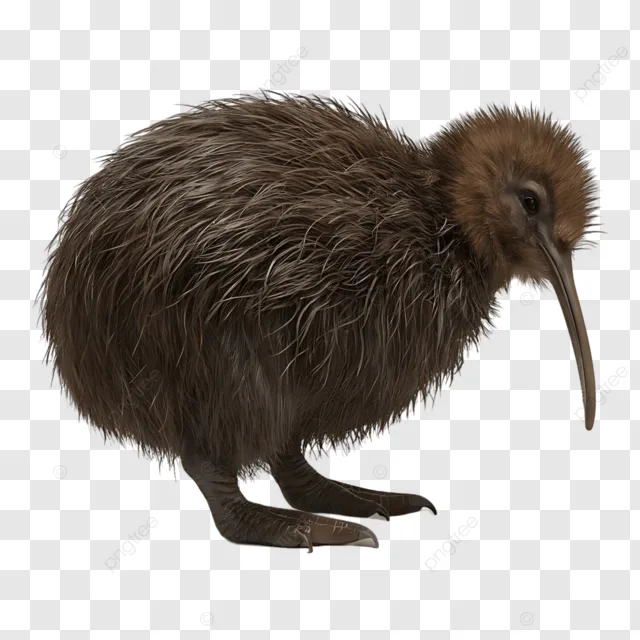
Over time, the kiwi's wings became vestigial, meaning they're greatly reduced and no longer functional for their original purpose. Today, a kiwi's wings are often described as mere nubs, hidden beneath their shaggy, hair-like feathers. They might have small claws, but they certainly can't generate lift.
Instead, the energy that flying birds dedicate to wing muscles and bone structure in kiwis was redirected. This allowed for the development of other features, particularly their powerful legs and highly specialized beaks, which are crucial for their unique foraging methods.
Why New Zealand Was Key to Their Flightless Evolution
New Zealand itself played a starring role in the kiwi’s flightless story. This island nation, isolated for tens of millions of years, provided a unique ecological niche.

Before humans arrived, New Zealand had a remarkably limited number of mammal species. Crucially, it lacked native land predators large enough to threaten adult birds. This "predator-free" environment, a concept studied by ecologists at institutions like the University of Canterbury, removed the primary evolutionary pressure that drove most bird species to develop flight for escape.
With no need to flee from ground-based hunters, the advantage of flight diminished. Birds could instead evolve to exploit ground-level resources more effectively. This safe haven allowed the ancestors of the kiwi, and other endemic flightless birds, to flourish and adapt to life entirely on the ground, leading to the unique species we know today.