What Is the Smallest Owl Species
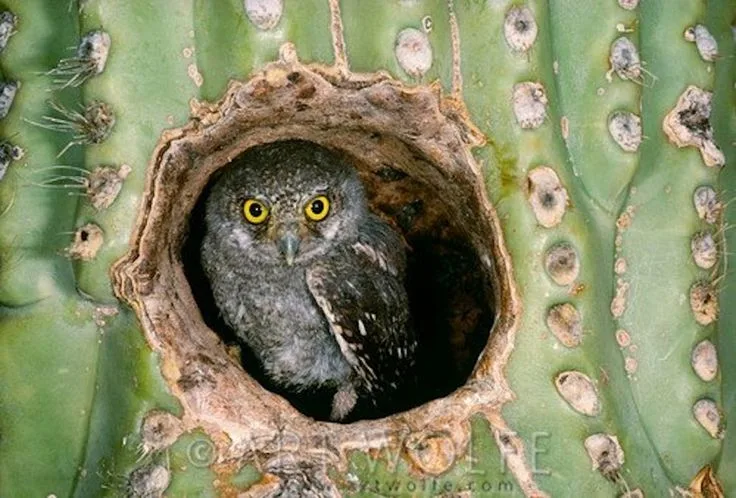
Image source: Bing (Web (fair-use with source credit))
When you picture an owl, you might imagine a majestic, medium-sized bird of prey perched in a tree. But what if you’re curious about the absolute smallest owl species out there? Our research confirms that pinpointing the "smallest" can involve looking at a few different metrics, but one species consistently holds the title.
They're incredibly specialized and often overlooked due to their minuscule size and elusive nature. These tiny raptors, measuring just around 5 to 6 inches in length, are a testament to nature's ability to adapt even the largest predators into the smallest packages.
Quick Answer
The smallest owl species is the Elf Owl. These tiny birds typically measure about 5 to 6 inches (13, 15 cm) long and weigh around 1.5 ounces (40, 50 grams). They are found in the desert regions of the southwestern United States and Mexico, often nesting in cavities created by woodpeckers.
The Elf Owl: Champion of the Tiny Owls
When folks ask about the smallest owl, the undisputed champion is the Elf Owl. Seriously, these little guys redefine what you might think of as an owl. They're not just small for an owl; they're remarkably diminutive, often compared in size to common songbirds.
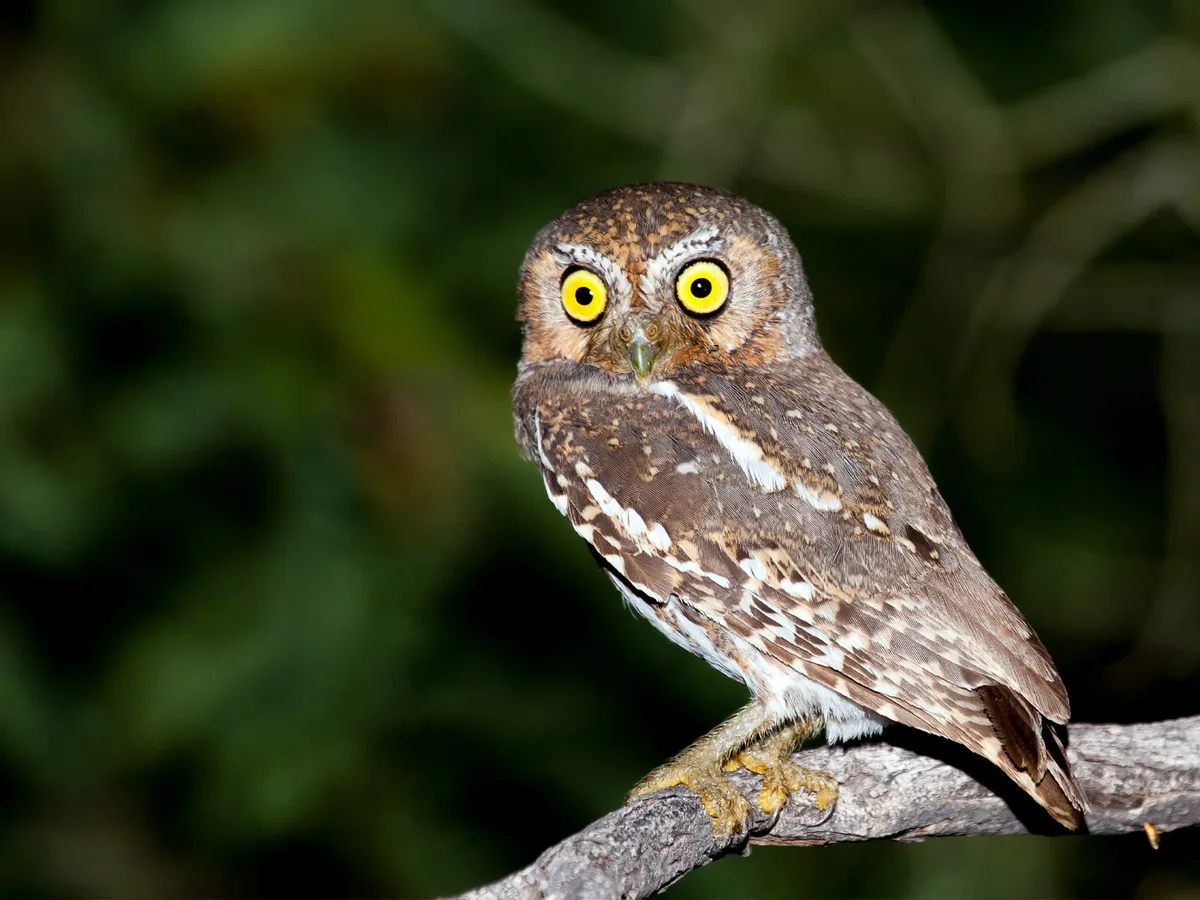
Image source: Bing (Web (fair-use with source credit))
How Small Are We Talking?
Let's get down to the nitty-gritty with their size. An adult Elf Owl usually stands about 5 to 6 inches tall from head to tail. To give you a real sense of scale, that’s roughly the height of a standard coffee mug.
Their weight is even more astounding, typically coming in at just 1.5 ounces, or about 40 to 50 grams. For context, a U.S. quarter coin weighs about 5.7 grams, so you'd need several quarters to equal the weight of an Elf Owl! This tiny stature is key to its survival and lifestyle.
What's Its Habitat and Lifestyle?
Elf Owls are desert dwellers, making their homes in the arid landscapes of the southwestern United States and extending down into Mexico. Their preferred habitat includes areas with cacti, particularly the saguaro cactus, as well as mesquite and palo verde trees. They don't excavate their own nests; instead, they rely on abandoned cavities made by birds like woodpeckers.
These small, tree-lined desert oases provide them with shelter from the intense sun and protection from predators.
Their lifestyle is nocturnal, meaning they are most active during the night. This is when they hunt for their primary food sources: insects like moths, beetles, and scorpions, and occasionally small rodents or lizards. Their small size allows them to maneuver through dense desert vegetation and effectively hunt tiny prey.
They also have a distinctive, high-pitched call, often described as a yip or bark, which can be heard on quiet desert nights.
Other Tiny Owl Contenders
While the Elf Owl stands out as the smallest, it's good to know there are other contenders for the "tiny owl" title. Sometimes, slight variations in measurement or regional populations can lead to discussions about other species. However, across most scientific and ornithological circles, the Elf Owl remains the definitive answer.
Other species often mentioned in the context of small owls include the various species of Pygmy Owls (genus Glaucidium) and the Boreal Owl (Aegolius funereus). For example, the Northern Pygmy Owl (Glaucidium gnoma) can be quite small, measuring around 6 to 7 inches, making it a close second. The Boreal Owl is also compact, usually around 8 to 10 inches.
These owls, while small, are generally larger than the Elf Owl. Their presence in discussions highlights the diverse range of sizes within owl families, but it's the Elf Owl's unique combination of extreme smallness and distinct adaptations that secures its top spot.
Why Size Matters in the Owl World
An owl's size is a critical factor that dictates nearly everything about its life, from what it eats to where it lives and how it avoids becoming a meal itself. For the Elf Owl, its diminutive size isn't just a characteristic; it's a fundamental adaptation. Being small allows them to access specialized nesting sites, like abandoned woodpecker holes in cacti, that larger owls simply cannot use.
This allows Elf Owls to occupy a unique ecological niche, reducing competition with larger owl species. Furthermore, their small size dictates their diet. They primarily hunt insects and small invertebrates, which are abundant in their desert habitats.
If they were larger, they'd need to hunt larger prey, which might not be as readily available or could put them in direct competition with other predators. Their smallness is their strength, enabling them to thrive where others might not.
Comparing Small Owl Species
When we look at the world of small owls, comparing them side-by-side really highlights the Elf Owl's unique position. While several species are considered small, the Elf Owl is consistently the most diminutive.
Here's a quick look at how some of the smallest owl species stack up:
| Species | Typical Length (inches) | Typical Weight (ounces) | Primary Habitat Focus |
|---|---|---|---|
| Elf Owl | 5–6 | 1.2–1.8 | Desert Southwest, Mexico (cavity nesters in cacti) |
| Northern Pygmy Owl | 6–7 | 2–5 | Forests and woodlands (North America) |
| Western Screech Owl | 6–10 | 4–10 | Forests, woodlands, suburban areas (North America) |
| Boreal Owl | 8–10 | 4–7 | Boreal forests (Northern Hemisphere) |
As you can see from the data, the Elf Owl consistently comes in at the lowest end of the scale for both length and weight. This isn't just a slight difference; it's a significant gap that places the Elf Owl in a category of its own when it comes to sheer tininess among owls. This makes them particularly fascinating to birdwatchers and ornithologists alike.
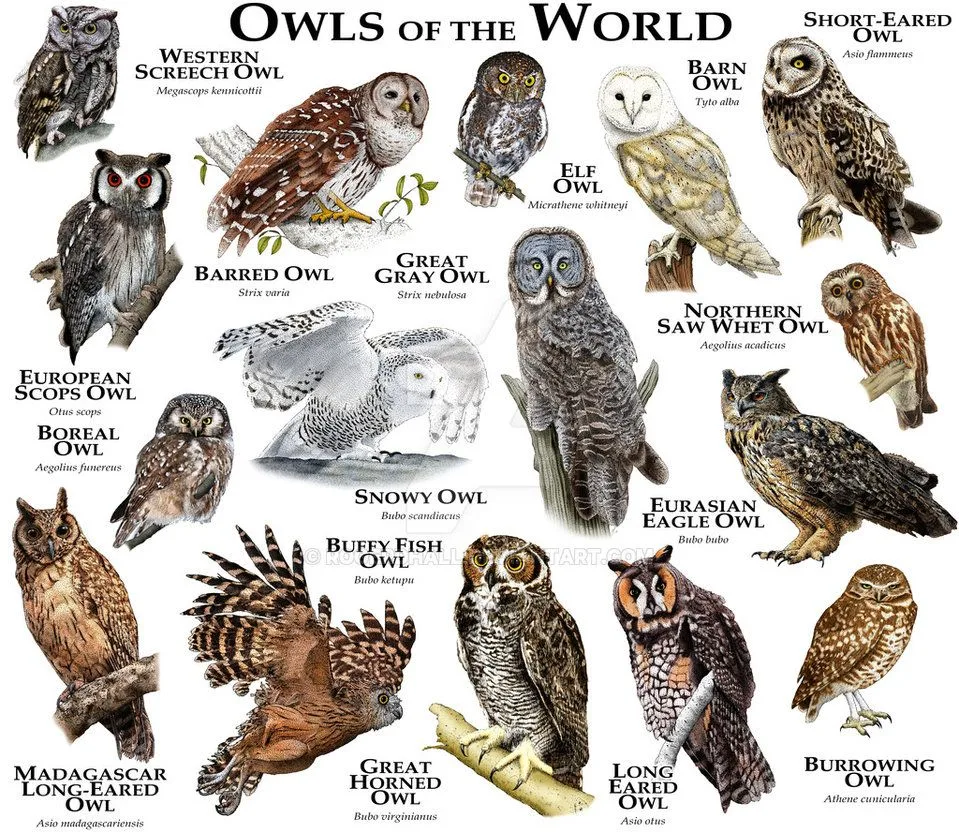
Image source: Bing (Web (fair-use with source credit))
Spotting an Elf Owl in the Wild
Actually seeing an Elf Owl can be a real treat, given their size and habitat. They are primarily nocturnal, which means they're most active from dusk till dawn, making daytime birdwatching less likely to yield a sighting. Your best bet is to listen for their distinctive, high-pitched calls during the night, especially in their desert territories.
If you're trying to spot one, focusing on areas with saguaro cacti or mature mesquite trees in the southwestern U.S. or Mexico is key. Look for active woodpecker holes in these trees, as Elf Owls often nest in them. Bring a good pair of binoculars, and if you're out at night, a red-light flashlight is recommended so as not to disturb the wildlife.
Remember, these owls are incredibly small and can easily be mistaken for a bundle of leaves or a large insect from a distance. Patience and a keen eye are your best tools.
What Do Elf Owls Eat?
The diet of the Elf Owl is perfectly suited to its size and environment. As our research indicates, these tiny raptors are primarily insectivores. Their main food sources include large insects like moths, beetles, and grasshoppers, as well as spiders and scorpions.
Occasionally, they might prey on very small vertebrates like lizards or mice if the opportunity arises. Their hunting strategy often involves perching on a branch and listening or watching for prey movement below, then swooping down to snatch it with their talons. This specialized diet is another reason their small size is so advantageous, allowing them to target prey that larger owls couldn't effectively hunt.
How Do Elf Owls Raise Their Young?
Raising young for such tiny birds is a delicate process, requiring efficient resource management and protection. Female Elf Owls typically lay 1 to 4 eggs in the prepared cavity nest. Both parents are involved in incubation and chick-rearing, though the female often takes the lead on incubation duties while the male hunts and brings food back to the nest.
The owlets hatch after about 25-30 days and remain in the nest for around 30 days before fledging. Once they leave the nest, they stay close to their parents for a period, learning to hunt and forage. Their survival depends heavily on the availability of insects and the continued protection of the parents from predators like snakes and larger birds of prey.
The entire breeding cycle is a testament to the rapid life stages of smaller species, adapted for quick reproduction in favorable conditions.
FAQ: Your Smallest Owl Questions Answered
Do Elf Owls hoot like other owls?
No, Elf Owls don't hoot. They make a distinctive, high-pitched yip or bark sound, often described as sounding more like a small dog than a typical owl call. This vocalization is usually heard at night during their active periods.
What predators threaten the Elf Owl?
Given their small size, Elf Owls face threats from various predators. These include snakes, larger owls, hawks, and mammalian predators like foxes and bobcats. Their primary defense mechanisms are camouflage, nocturnal activity, and nesting in secure tree cavities.
Are Elf Owls endangered?
While not currently listed as endangered, Elf Owls face habitat challenges due to changes in their desert environments, including deforestation and shifts in cactus populations. Conservation efforts focus on protecting their specific desert habitats and the saguaro cacti they rely on for nesting.
Can Elf Owls be kept as pets?
It is illegal and unethical to keep wild animals like Elf Owls as pets. They are highly specialized wild birds with specific dietary and environmental needs that cannot be met in captivity. Their place is in their natural desert habitat, contributing to the ecosystem.