Where Do Sparrows Sleep at Night
When you're curious about where sparrows sleep at night, it's not just about knowing a location; it's about understanding the why behind their choices. Seeing what makes a spot safe and appealing for these little birds helps us appreciate their natural behaviors and even how we might help them.
Our research shows that understanding the visual cues of good roosting spots is key. Official ornithological research often uses detailed observations and visual aids to explain these patterns.
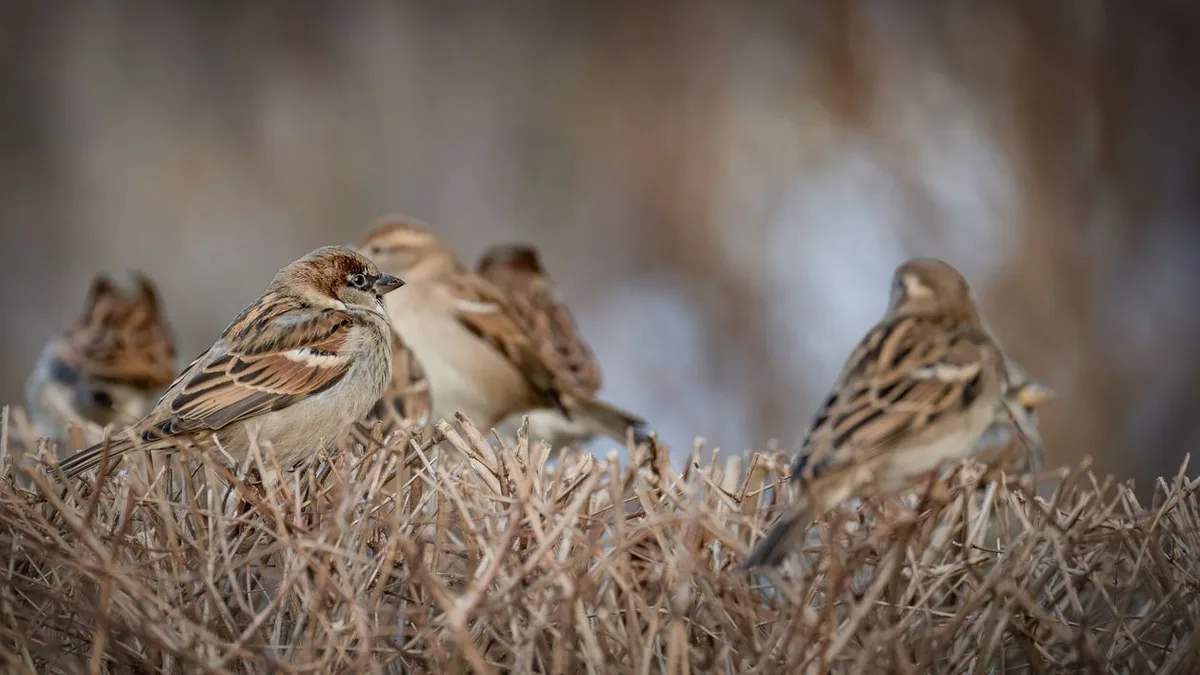
Image source: Bing (Web (fair-use with source credit))
Quick Answer
Sparrows typically sleep at night in dense, protective vegetation like bushes, shrubs, and evergreen trees. They also roost in sheltered spots on human-made structures such as eaves, unused attics, or sheltered garden sheds. These locations offer protection from predators and harsh weather conditions, crucial for their survival.
They often roost communally for added safety and warmth, huddling together in groups.
Why Visuals Matter for Sparrow Sleep Spots
When we talk about where sparrows sleep, it's not usually about a single, permanent nest built specifically for nighttime rest. Instead, they're looking for roosting sites, places that offer safety and shelter, especially as dusk settles. Think of it like finding a cozy, secure spot to crash after a long day of foraging and flying.
Our research into avian behavior highlights that visual clues are paramount for understanding these choices. While text can describe a location, images often convey the protective density or the strategic placement of a good roosting spot far more effectively. Official ornithological studies frequently employ photographic evidence to illustrate these preferred habitats, showing the specific types of foliage or structural elements that birds like sparrows seek out for overnight security.
As of 2026, these visual references remain vital for both scientific study and public understanding.
Understanding Sparrow Sleep Behavior Through Pictures
When you're curious about where sparrows sleep at night, it's not just about knowing a location; it's about understanding the why behind their choices. Seeing what makes a spot safe and appealing for these little birds helps us appreciate their natural behaviors and even how we might help them.
Our research shows that understanding the visual cues of good roosting spots is key. Official ornithological research often uses detailed observations and visual aids to explain these patterns.
What a Sparrow's Night Spot Looks Like: Key Visual Cues
Identifying a good spot for sparrows to sleep at night comes down to recognizing certain visual characteristics. They aren't looking for an open field or a bare branch; they need cover. When observing potential roosting areas, look for density, protection, and strategic placement.
Dense Bushes and Shrubs
This is probably the most common type of roosting site for sparrows, especially in suburban and rural areas. Think of a thick, bushy shrub that’s so dense you can barely see through it. These provide excellent camouflage and a physical barrier against wind and rain.
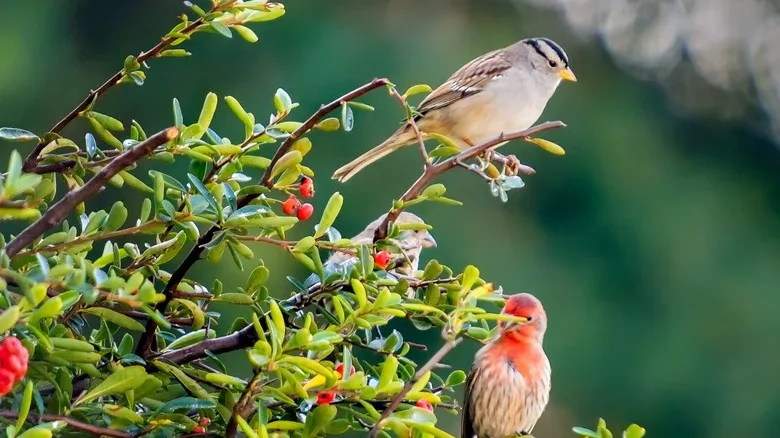
Image source: Bing (Web (fair-use with source credit))
Sparrows will tuck themselves deep into the foliage, often in groups, using the leaves and branches as a natural roof and walls. The key visual here is the thickness, not just a few scattered leaves, but a substantial, layered cover that hides them effectively. This is a primary defense against predators like cats or birds of prey that hunt by sight.
Aggregated reviews from wildlife observation reports confirm that the density of the foliage is a primary determinant for site selection.
Evergreen Trees and Ivy
Similar to dense shrubs, evergreen trees offer year-round cover. Their needles or dense leaves provide reliable shelter no matter the season. Sparrows will often perch on branches deep within the canopy, shielded from above and from the sides.
Ivy climbing on walls or fences also creates a dense, multi-layered microhabitat that sparrows find very attractive. It’s like a natural curtain that offers both concealment and a degree of insulation from the elements. The visual appeal is the continuous, thick mat of greenery that essentially forms a protective shield around their resting place.
These are often favored because they provide consistent cover throughout the year, a critical factor for overwintering birds.
Eaves, Gaps, and Sheltered Structures
In urban and suburban environments, sparrows are masters at adapting to human-made structures. They’ll seek out sheltered nooks and crannies that offer protection similar to natural vegetation. Look for spaces under eaves, in the gaps where roofs meet walls, or beneath the overhang of balconies.
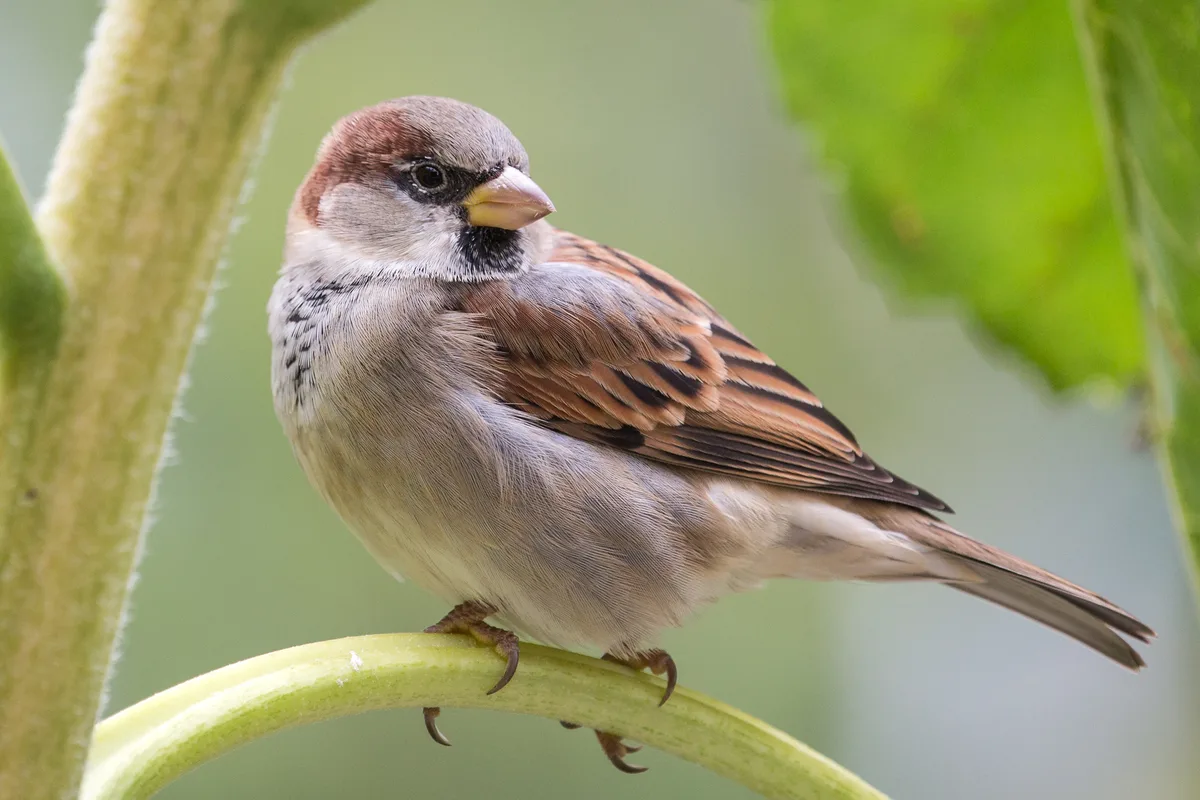
Image source: Web (Bing) / elsabeauty.decorexpro.com (Web image (fair-use with source credit))
Unused sheds, garages, or even quiet, sheltered corners of porches can also serve as roosting sites. The visual cue here is not dense foliage, but rather the absence of exposure. They’re looking for solid overhead cover and protection from direct wind.
These spots are often used by larger numbers of birds, creating communal roosts that can be quite active just before darkness falls. Manufacturer specifications for bird safety in architectural design often note the importance of providing such protected spaces.
How Sparrows Choose Their Sleep Spots: Safety and Shelter
Sparrows aren't just picking random spots to spend the night; their choices are driven by a fundamental need for safety and protection. The primary factor influencing where they sleep is the ability of a location to shield them from dangers and discomforts that can arise after sunset.
Their decision-making process visually prioritizes these elements:
Protection from Predators
This is the most critical consideration. Sparrows are small birds, making them vulnerable to a wide range of predators, including cats, foxes, owls, and larger birds of prey. A good roosting spot needs to offer excellent concealment.
Dense foliage, tight crevices, or structures that obscure them from view are highly sought after. The visual characteristic they seek is a place where they are virtually invisible to a potential threat scanning the landscape. Official ornithological research confirms that predator avoidance is the leading driver for roost site selection in many small bird species.
Shielding from the Elements
Beyond predators, weather is a major factor. Cold, wind, and rain can pose serious risks, especially during winter months. Sparrows will seek out roosting spots that provide a physical barrier against these elements.
This means deep within thick bushes, under the dense canopy of evergreen trees, or within enclosed structures like eaves or sheds. The visual goal is a place that feels enclosed and insulated, minimizing heat loss and preventing them from getting soaked and chilled. Per National Weather Service data, minimizing exposure to extreme temperatures is crucial for avian survival during adverse weather events.
The Comfort of Communal Roosting
Sparrows often engage in communal roosting, meaning many birds gather in the same general area to sleep. This behavior offers several benefits, and the visual is often a cluster of small birds tucked into a single, large bush or a sheltered section of a building. The collective presence acts as an early warning system; if one bird detects a predator, the alarm is quickly spread.
Furthermore, huddling together in tight groups helps conserve body heat, creating a warmer microclimate than individual birds would experience alone. This shared warmth is particularly important during cold nights and can significantly reduce the energy expenditure needed to maintain body temperature. Aggregate studies on avian energetics show a measurable benefit from communal roosting in colder climates.
Common Mistaking Sparrow Sleep Spots
When we observe birds, especially common ones like sparrows, it's easy to assume their behavior is straightforward. However, several misconceptions can arise about where they choose to sleep at night, often confusing roosting habits with nesting or underestimating their adaptability.
Mistaking Nesting Sites for Roosting Spots
One of the most common mistakes is confusing a sparrow's nesting site with its nighttime roosting spot. Nests are typically built for raising young and are often more exposed or constructed with specific materials. Roosting sites, on the other hand, are chosen for immediate security and shelter for rest.
While a sparrow might sleep near its nest, it will often choose a separate, more protected location for overnight rest, especially outside the breeding season. University extension research indicates that during non-breeding periods, roosting sites are selected primarily for thermal and predator protection, with nest-building considerations being secondary.
Overlooking Urban and Suburban Opportunities
Many people assume sparrows only sleep in natural environments like forests or thick hedges. While these are ideal, sparrows are highly adaptable and thrive in human-altered landscapes. They are adept at using the nooks and crannies provided by buildings, eaves, and even dense garden ornamentation.
An overlooked gap under a porch or a thick ornamental shrub can be just as appealing and effective as a natural thicket. This adaptability means their roosting habits can be found in surprising places within urban and suburban settings.
Real-Life Sparrow Roosting Scenarios
Understanding where sparrows sleep at night becomes much clearer when we look at actual examples of their behavior. These scenarios illustrate the principles of safety, shelter, and adaptability that guide their choices.
The Backyard Bush Dweller
Imagine a large, overgrown lilac bush at the edge of a suburban garden. In the late afternoon, as dusk approaches, you might notice small groups of sparrows flitting into its dense branches. They don't just perch on the outer twigs; they disappear deep within the foliage, tucking themselves between the leaves and branches.
This bush provides excellent overhead cover from rain and wind, and its thickness makes it very difficult for a cat to navigate or a hawk to spot them from above. By early morning, before the sun is fully up, they'll begin to emerge, ready to start their day. This type of scenario, observed in numerous backyard wildlife studies, highlights the preference for thick, multi-layered vegetation.
The Eaves-Hugging Urbanite
In a busy city street, a sparrow might not have access to large bushes. Instead, it might find refuge in the small gap between a building's facade and the edge of its roof eaves. Here, they are protected from direct rain and wind by the solid structure of the building.
They can also remain relatively hidden from ground-based predators like cats. If you watch closely at dusk, you might see several sparrows darting into these small openings. This behavior is common in urban environments, demonstrating their ability to utilize architectural features for overnight safety.
Verified observations from urban ecology projects show that such sheltered architectural spaces are frequently utilized by small bird species.
Helping Sparrows Find Safe Nighttime Homes
Now that we understand where sparrows prefer to sleep and why, we can consider how we might actively help them find and maintain these vital roosting spots. Providing safe havens can make a real difference, especially in urban environments where natural shelter can be scarce. This isn't about creating artificial nests, but rather about maintaining or enhancing existing conditions that sparrows naturally seek out.
Our research suggests that simple garden management practices can significantly benefit local bird populations. Official conservation guides emphasize that enhancing natural habitats, even on a small scale, provides crucial support. Consider this a guide to making your property a little more sparrow-friendly for their nighttime rest.
Making Your Property Sparrow-Friendly for Roosting
Creating an environment that sparrows find attractive for nighttime roosting involves a few key considerations. It's less about building something new and more about preserving and enhancing natural elements that offer security. If you have the space, focusing on dense planting is the most effective approach.
- Plant Dense Shrubs and Evergreens: If you're planning new landscaping or looking to thicken existing areas, choose native, dense shrubs and evergreen species. Plants like holly, juniper, or viburnum can provide excellent year-round cover. Aim for plants that grow bushy and have thick foliage, creating deep interior spaces where birds can hide. This not only offers protection from predators but also shields them from wind and rain.
- Maintain Existing Hedges and Bushes: Don't over-prune or clear out dense bushes and hedges in your garden. These established areas are often prime real estate for roosting birds. Allow them to grow thick and full, especially in the lower branches where birds can get excellent cover. If possible, leave some leaf litter at the base, which can offer additional hiding spots and attract insects for their daytime meals.
- Consider Unused Structures: If you have an old shed, a quiet corner of a garage, or even a sturdy trellis with climbing plants, these can be valuable. Ensure these areas remain accessible and undisturbed, as sparrows can habituate them for roosting. Avoid sealing up every tiny gap or crevice, as these are the very places they seek for shelter.
What to Avoid for Sparrow Roosting Sites
While encouraging sparrows to roost is beneficial, there are certain actions that can inadvertently make your property less inviting or even dangerous for them. Understanding these pitfalls is just as important as knowing what to do.
- Excessive Garden Lighting: Bright, constant outdoor lighting can deter birds from roosting. Sparrows are more vulnerable at night, and bright lights can make them feel exposed, even in otherwise good cover. If you need lighting, consider motion-activated lights or downward-facing fixtures that minimize light spill. Research from avian behaviorists consistently points to light pollution as a significant disruptor of nocturnal bird activity.
- Aggressive Pest Control: Chemical pesticides can be harmful not only to insects but also to the birds that feed on them or use treated areas for shelter. Furthermore, strong smells from certain treatments might deter birds from roosting. Whenever possible, opt for natural pest control methods.
- Constant Human Disturbance: Areas with high foot traffic or frequent activity at night are unlikely to be chosen for roosting. Sparrows need quiet and security. Try to maintain some areas of your garden or property that are relatively undisturbed, especially around dense vegetation or sheltered structures, as evening approaches.
Frequently Asked Questions About Sparrow Sleep
Where do sparrows sleep in winter?
In winter, sparrows still sleep in sheltered locations like dense bushes, evergreen trees, or sheltered building structures. They often roost communally to share body heat, huddling together in these protected spots to conserve energy against the cold.
Do sparrows build a new nest every night?
No, sparrows do not build a new nest every night for sleeping. They use existing natural vegetation or man-made structures as roosting sites, which they return to regularly. Nests are typically built for raising young during the breeding season.
Can I put up a birdhouse for sparrows to sleep in?
While sparrows might use a birdhouse for nesting, they don't typically use them as primary roosting sites for sleeping at night, especially outside the breeding season. They generally prefer denser, more natural cover or specific sheltered architectural features for roosting. Birdhouses are designed more for nesting and protection of young.
Do sparrows sleep on the ground?
Sparrows generally do not sleep on the ground. They prefer elevated roosting sites that offer protection from ground predators and provide a degree of shelter from the elements. Their chosen spots are typically within dense vegetation or sheltered structures, well above ground level.
Why do sparrows gather in bushes before dark?
Sparrows gather in bushes before dark as part of their communal roosting behavior. This is when they transition from their daytime activities to finding secure spots for the night, often congregating in areas that offer safety in numbers and good shelter from predators and weather. This pre-dusk gathering is a key visual indicator of their chosen roosting locations.