Pelican Facts
If you have spent any time near the ocean, you have likely encountered the pelican. These iconic water birds are more than just coastal curiosities, as the study of pelican facts reveals a highly evolved set of survival traits.
These birds use specialized anatomy to thrive in environments that would exhaust most other species. As of 2026, research indicates their efficiency is largely due to pneumatic bone structures and advanced hunting techniques. Let's look at what makes these birds so effective in the wild.
Quick Answer
Pelicans are large water birds known for their expansive gular pouches. They use these pouches as nets to catch fish. Most species are expert at hunting in shallow water.
They rely on specialized air sacs for impact cushioning. Their bones are largely hollow to aid in flight.
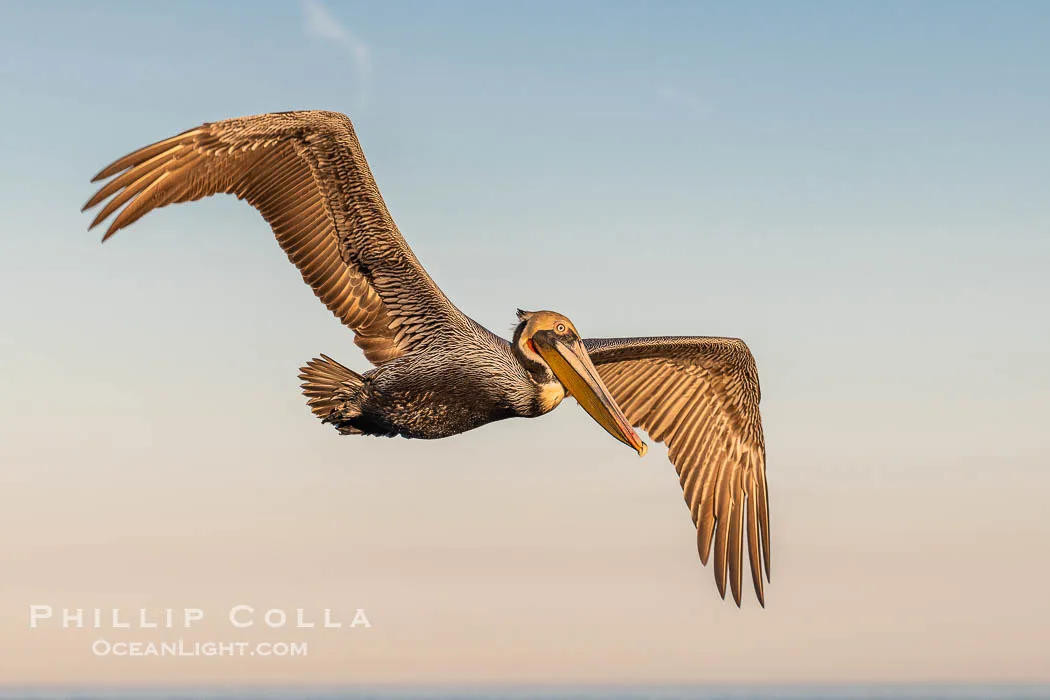
Image source: Bing (Web (fair-use with source credit))
The Mechanics of a Hunter: How Pelicans Actually Work
Pelicans function as precision fishing machines. Their primary tool is the gular pouch, which is a distensible skin sac attached to the lower mandible. Contrary to popular belief, this is not a permanent storage container for food.
Instead, the pouch acts as a temporary trap for prey. When a bird captures fish, it must tilt its beak downward to drain the water before swallowing. This drainage process is essential because the weight of the water would otherwise make flight or even movement impossible.
These birds are classified as piscivores, meaning their diet consists almost entirely of fish. They occupy a vital role in the food web as bio-indicators. Scientists track their population health to monitor the broader status of coastal ecosystems.
You can find detailed ecological data regarding these species through the U.S. Fish and Wildlife Service.
Beyond the Pouch: Decoding Pelican Anatomy and Flight
The anatomy of a pelican is a masterclass in biological engineering. Their skeletons are primarily made of pneumatic bones, which are hollow and reinforced with internal struts. This structure keeps their body weight remarkably low while maintaining the strength needed for flight.

Image source: Bing (Web (fair-use with source credit))
Beyond the skeleton, they possess subcutaneous air sacs under their skin. These sacs serve two main purposes. They provide buoyancy when the bird is resting on the water, and they act as shock absorbers during high-speed dives.
Their feet are also unique. Pelicans feature totipalmate webbing, where all four toes are connected by a membrane. This allows for powerful propulsion while swimming or taking off from the water surface.
Their neck is permanently curved, supporting the weight of a massive beak that would otherwise throw off their center of gravity.
Visual Guide: Distinguishing Between Brown and White Pelicans
Identifying these birds is easier when you focus on their distinct hunting behaviors and color patterns. While they share the same family, their physical traits tell you exactly which species you are observing.
| Feature | Brown Pelican | American White Pelican |
|---|---|---|
| Hunting | Plunge-diving from heights | Cooperative surface herding |
| Plumage | Darker brown and gray tones | Brilliant white with black wingtips |
| Habitat | Primarily salt water and coasts | Freshwater lakes and wetlands |
| Beak Color | Variable, often yellow or orange | Bright orange during breeding |
The Brown Pelican is the only species that frequently utilizes high-speed diving. If you see a bird hovering ten or twenty feet above the surf before tucking its wings and plunging, it is almost certainly a Brown Pelican. The American White Pelican prefers to stay dry, using its wings and body to corral fish into the shallows near the shore.
The Hunt: Plunge-Diving vs. Cooperative Herding
Hunting strategies are the most visible aspect of pelican behavior. The Brown Pelican acts as an individual hunter. It scouts from the air, tracks the movement of schooling fish, and strikes with sudden, calculated force.
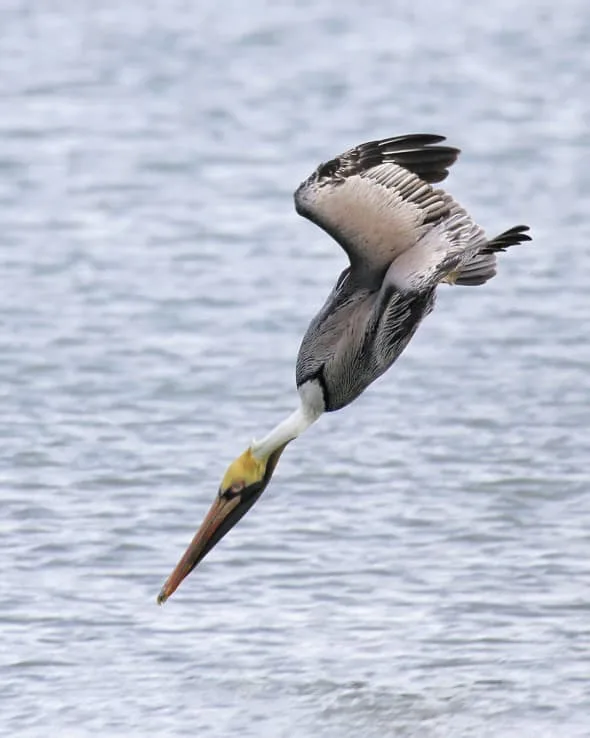
Image source: Bing (Web (fair-use with source credit))
The impact of a dive is significant, but the bird is built for it. By tucking its wings at the last second, it creates a streamlined profile that minimizes injury upon water entry. Once it surfaces, it immediately drains its pouch to secure the catch.
American White Pelicans use a different approach. They gather in groups and swim in coordinated semi-circles. This behavior effectively traps schools of fish in shallow water where they are easy to scoop.
This cooperative hunting saves energy and increases the success rate for the entire flock, particularly in inland lake environments.
Environmental Impact and The Role of the Bio-Indicator
Pelicans are critical indicators of environmental health. Because they sit at the top of the local food chain, their reproductive success or failure often signals changes in water quality or fish populations.
When toxins or pollutants enter a waterway, these birds are often the first to show symptoms. High levels of contaminants can lead to thinning eggshells or reduced hunting efficiency. Conservationists and researchers at the Cornell Lab of Ornithology emphasize that protecting these birds often results in the protection of the entire habitat.
Human activity poses the biggest threat to their survival. Fishing line entanglement is a primary cause of injury, as the gear can prevent them from opening their pouches or flying. Discarded hooks and nets also cause long-term harm to the individual birds.
Simple awareness of these risks, such as keeping fishing areas clean, directly contributes to the stability of local populations.
Safety and Ethics: Navigating Human-Pelican Interaction
You should always maintain a respectful distance when observing these birds in their natural habitat. Pelicans are wild animals, and they can become aggressive if they feel trapped or threatened. Never attempt to feed them, as human food is often harmful and disrupts their natural hunting habits.
If you encounter an injured bird, do not attempt to handle it alone. Their beaks are extremely sharp, and they are capable of inflicting significant injury if they feel cornered. Instead, contact a licensed local wildlife rehabilitator or the National Audubon Society for guidance on safe rescue protocols.
Common indicators of distress include lethargy, tangled fishing line, or visible puncture wounds. If you see a bird with fishing gear attached, leave it in place and call for professional help. Attempting to remove hooks or line without training often causes more damage than the initial injury.
Essential Pelican Facts and Common Misconceptions (FAQ)
Are pelicans capable of storing fish in their pouch for later?
No, the gular pouch is used only as a temporary net to scoop up fish and drain water. Once the water is gone, the bird swallows the entire catch immediately. They do not have a separate storage organ.
How do they avoid injury when diving from high altitudes?
They have specialized subcutaneous air sacs under their skin that cushion the impact of hitting the water. These sacs protect their internal organs from high-velocity entry. They also tuck their wings tight against their body to streamline their shape.
Can I feed a pelican fish from a local dock?
Feeding them is generally discouraged by wildlife experts. It encourages them to associate humans with food, which leads to risky behavior near boat propellers and fishing gear. Let them hunt naturally to ensure they maintain their essential survival skills.
Why do some pelicans appear to have a deformed spine?
That "hump" is actually a natural part of their anatomy. It is a curved spine designed to support the immense weight of their large bill and pouch. If their necks were straight, they would be unable to lift their heads or balance properly.
Are all pelicans the same species?
There are eight distinct species of pelicans found worldwide. In North America, the two most common are the Brown Pelican and the American White Pelican. Each has evolved unique physical and behavioral traits suited to their specific habitat.