How Do Pelicans Catch Fish
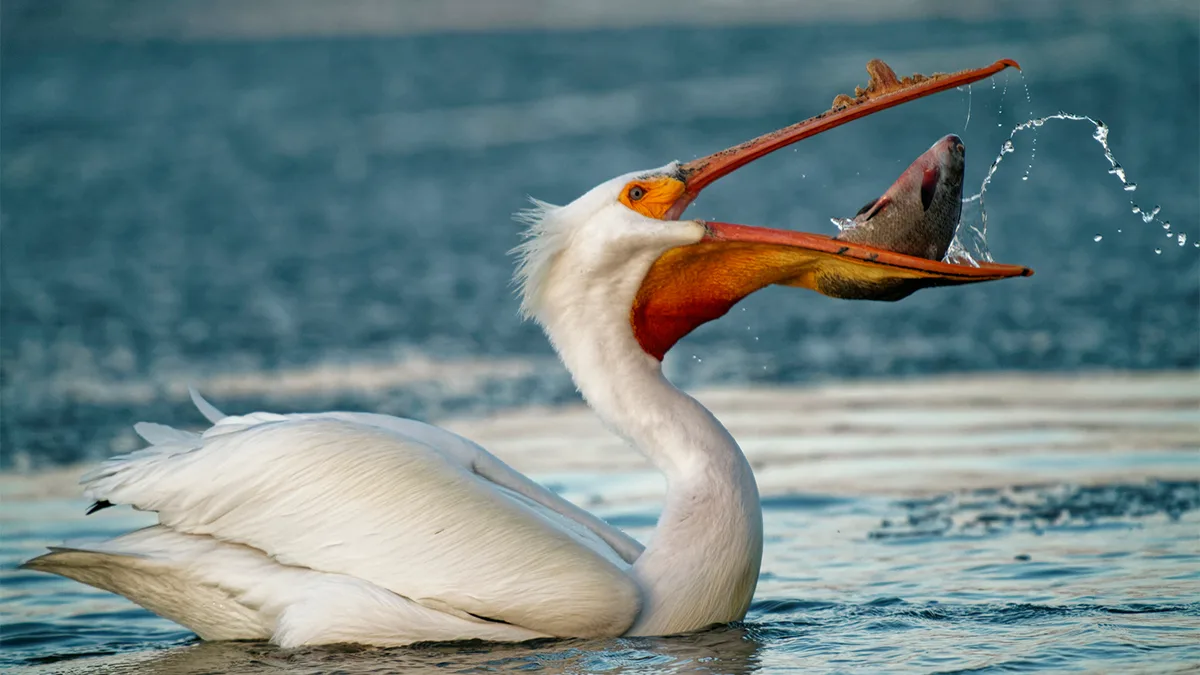
Image source: Web (Bing) / fity.club (Web image (fair-use with source credit))
Ever wondered how those big birds manage to scoop up fish so effectively? It's a remarkable display of natural engineering and instinct. Pelicans have developed unique strategies and physical adaptations that make them expert anglers of the aquatic world.
Their hunting methods are a blend of powerful dives, patient scooping, and even cooperative teamwork.
Quick Answer
Pelicans catch fish primarily by scooping them with their large throat pouches. They often swim on the surface, dip their heads to fill the pouch with water and fish, then drain the water. Some species perform spectacular high dives to catch fish near the surface, while others use group tactics to herd fish into catchable areas.
That Amazing Gular Pouch: Their Built-in Net
The most iconic feature of a pelican, and key to how they catch fish, is its enormous throat pouch, officially known as the gular pouch. This isn't just a dangling bag; it's a sophisticated tool honed by evolution for efficient fishing. When extended, this pouch can hold a surprising volume, estimated by some biological observations to be up to three gallons of water and several fish at once for larger species.
It’s made of a stretchy, leathery skin that allows it to expand dramatically during a successful catch.
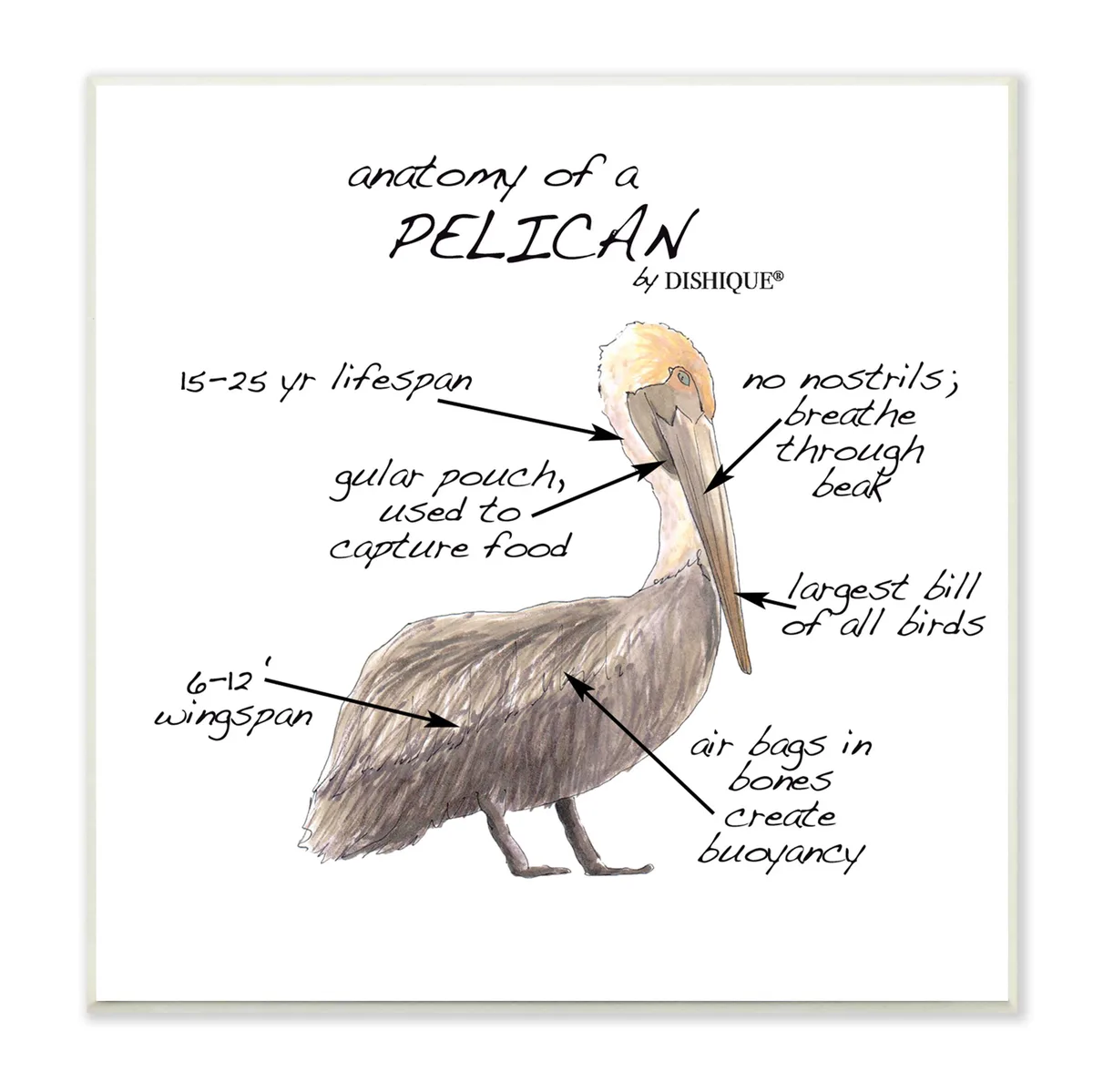
Image source: Web (Bing) / stevecreek.com (Web image (fair-use with source credit))
Spotting and Scooping Prey
The primary method many pelicans use involves swimming gracefully on the water's surface. They use their keen eyesight to spot fish swimming just below. Once a target is located, the pelican will often dip its head and long beak into the water, extending the gular pouch like a net to scoop up not just the fish, but a considerable amount of surrounding water too.
This scooping action is quick and precise, designed to trap the unsuspecting prey before it can escape.
Draining Water, Keeping Fish
After the scoop, the pelican lifts its head, tilting it forward. The water, being a liquid, naturally drains out through the sides of the pouch, which have small, comb-like projections along the edges to help filter. This leaves the fish, along with any other small aquatic items caught, stranded in the pouch.
The pelican then quickly retracts its head and swallows the catch whole. This process is remarkably efficient, allowing them to catch multiple small fish in a single scoop or a larger one if they are lucky.
The Dramatic Dive: A Plunge for Dinner
While scooping is common, some pelican species, most notably the brown pelican, have mastered a more dramatic hunting technique: the high-speed dive. This method is visually spectacular and incredibly effective for catching fish that swim close to the surface. They don't just jump in; it's a calculated, aerodynamic maneuver.
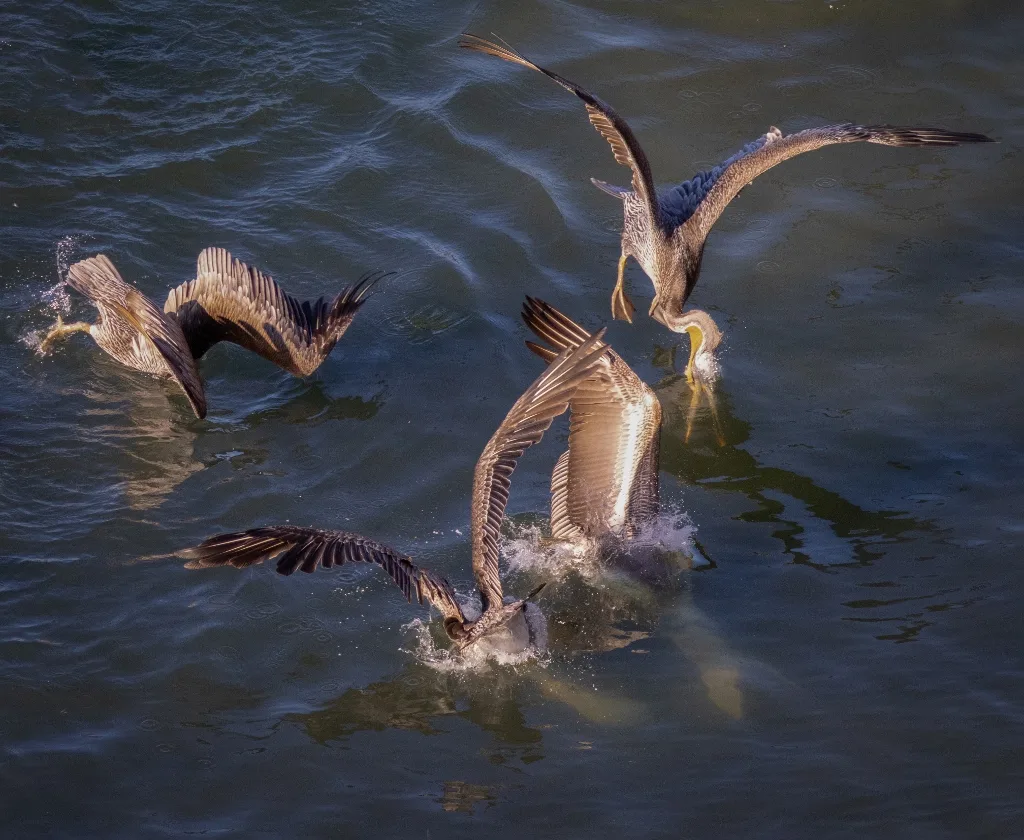
Image source: Web (Bing) / mendonomasightings.com (Web image (fair-use with source credit))
High-Flying Hunters
Brown pelicans often soar at heights of 30 to 60 feet above the ocean. From this vantage point, they scan the water with their sharp vision for any sign of fish. Once a suitable target, like a school of small fish or a larger individual near the surface, is spotted, the pelican executes its dive.
It’s an impressive display of aerial control and predatory focus.
The Surprise Attack
To initiate the dive, the pelican tucks its wings tightly against its body, transforming into a streamlined projectile. This allows it to plunge into the water with tremendous force and speed, often reaching depths of about 3 feet. The impact itself can stun or disorient the fish, making them easier to catch.
Immediately upon hitting the water, the pelican opens its pouch to scoop up the disoriented prey and water, similar to the surface scoop method, before draining the water and swallowing its meal.
Teamwork Makes the Dream Work: Group Herding
Pelicans aren't always solitary hunters. In some situations, especially when food is abundant or harder to catch individually, they’ll form cooperative hunting groups. This collective effort significantly increases their chances of a successful feeding session and demonstrates a surprising level of social behavior.
Stirring Up the School
When hunting in groups, pelicans often position themselves in a line or a semi-circle. They then begin to swim together, using their wings to flap and churn the water. This coordinated action serves to herd a school of fish into a concentrated area, often driving them towards shallower waters or against a natural barrier like the shoreline.
The commotion effectively corrals the prey, making it difficult for them to scatter.
Cooperative Capture
Once the fish are trapped and disoriented by the herding, the pelicans can then move in to capture them. This might involve individual scooping actions within the tightly packed group or a more general effort to grab any fish that come within reach. This collaborative feeding strategy is particularly effective against fast-moving or schooling fish, as the combined effort overcomes the individual prey's evasive maneuvers.
Key Skills for a Successful Catch
Beyond the impressive gular pouch and specialized hunting techniques, pelicans possess a suite of innate abilities that contribute to their fishing prowess. These are not just physical attributes but finely tuned sensory and motor skills that have been honed over generations of natural selection, ensuring their survival and success in often competitive aquatic environments.
Eyesight Sharp as a Tack
Pelicans have excellent eyesight, which is paramount for spotting fish, whether they are hunting from high in the air or peering into the water from the surface. Their eyes are positioned on the sides of their heads, providing a wide field of vision. Research indicates that their vision is well-adapted for detecting movement underwater, helping them pinpoint prey even when visibility might be somewhat reduced.
This visual acuity allows them to accurately judge distance and the speed of their intended meal, crucial for both diving and scooping.
Streamlined for Speed
When a pelican commits to a dive, its body shape becomes remarkably streamlined. They achieve this by tucking their wings in close to their body and extending their neck and head forward. This aerodynamic form allows them to cut through the water with minimal resistance, maximizing their speed and the force of their impact.
This streamlined posture is not just for the dive itself but also aids in maneuvering underwater to secure the catch once they hit the surface.
Alternative Fishing Styles: Diving vs. Scooping
While the gular pouch scoop is the most common image of pelican fishing, different species and situations call for varied approaches. Understanding these distinct styles helps paint a fuller picture of their adaptability. The choice between diving and scooping often depends on the species and the specific environmental conditions.
The Power of the Dive
The brown pelican exemplifies the diving method. This technique is best suited for open water where fish are more active near the surface and can be surprised from above. It requires significant aerial agility and a powerful entry into the water.
This method is less about volume and more about precision, targeting individual fish from a considerable height.
The Efficiency of the Scoop
Other pelican species, like the American white pelican, more frequently employ the scooping method. This approach is effective in shallower waters or when fish are more dispersed. It allows for a wider net, so to speak, enabling them to gather multiple smaller fish or a single larger one in a single pass.
It's a less energy-intensive method compared to high dives and can be used more continuously.
When Do Pelicans Hunt?
The timing of a pelican's fishing efforts is largely dictated by the availability of prey and environmental factors. While they are capable of hunting at any time of day, certain periods offer better opportunities. Understanding these patterns can offer insight into their daily routines and survival strategies.
Peak Feeding Times
Pelicans often feed most actively during the cooler parts of the day, typically in the early morning and late afternoon. During these times, fish are often closer to the surface, either foraging or seeking cooler waters. This also coincides with periods of lower light, which can make it harder for fish to spot the approaching pelican, giving the bird an advantage.
Environmental Influences
Tides, weather, and even the season can influence when pelicans hunt. For instance, outgoing tides might concentrate fish in predictable areas, making them easier targets. Rainy or overcast days can sometimes improve visibility for pelicans by reducing glare on the water's surface.
Their hunting behavior is a responsive adaptation to these dynamic environmental cues.
The Pelican's Diet Beyond Fish
While fish are undoubtedly the primary food source for pelicans, their opportunistic nature means they aren't exclusively limited to finned prey. Their diet can be surprisingly varied, reflecting their ability to adapt to available food sources. Understanding their broader dietary habits highlights their role in different aquatic ecosystems.
Opportunistic Feeding
Besides various species of fish like mullet, sardines, and anchovies, pelicans may also consume amphibians, crustaceans, and even smaller birds or insects if the opportunity arises. This dietary flexibility is crucial for survival, especially when their preferred fish are scarce or when other food sources are easily accessible.
Impact on Ecosystems
The pelican's varied diet means they play a role in controlling populations of a range of aquatic organisms. Their consumption patterns can influence the balance of small fish, invertebrate, and even amphibian populations within their habitats. This ecological impact underscores their significance in maintaining healthy aquatic environments.
Frequently Asked Questions About Pelican Fishing
How much fish can a pelican eat in a day?
A pelican's daily food intake can vary, but adult pelicans often consume between 2 to 4 pounds of fish per day. This can increase significantly during breeding seasons when they need to feed themselves and their chicks.
Do pelicans swallow their prey whole?
Yes, pelicans swallow their fish whole. Their digestive system is designed to handle prey of various sizes that are ingested in this manner.
Which pelican species dives the most?
The brown pelican is most famous for its spectacular high-speed dives into the water to catch fish. Other pelican species tend to rely more on surface scooping or cooperative herding.
How do pelicans deal with the salt in seawater?
Many pelican species live near saltwater environments and have specialized glands located above their eyes that help them excrete excess salt. This allows them to drink saltwater without becoming dehydrated.
END_OF_PARTIAL
ctacular high-speed dives into the water to catch fish. Other pelican species tend to rely more on surface scooping or cooperative herding.
How do pelicans deal with the salt in seawater?
Many pelican species live near saltwater environments and have specialized glands located above their eyes that help them excrete excess salt. This allows them to drink saltwater without becoming dehydrated.
<<<END_OF_PARTIAL
Common Mistakes Pelicans Make (and How They Recover)
Even expert hunters like pelicans aren't perfect. Sometimes, their attempts to catch fish don't go as planned, but their instincts and physical traits help them recover. One common issue is misjudging a dive or a scoop, leading to a missed catch.
If a pelican dives and the fish is too quick, it might emerge with nothing but water.
Another challenge can be when a particularly slippery fish attempts an escape right after being scooped into the pouch. A pelican’s quick reaction time and ability to immediately begin draining the pouch are vital here. If they are too slow, the fish might wriggle free before it can be swallowed.
What Happens After a Miss?
After a failed hunt, a pelican usually doesn't dwell on it for long. They'll resurface, shake their head to clear any residual water or debris, and immediately reassess their surroundings. Their excellent eyesight allows them to quickly spot another potential meal.
If they were diving, they’ll fly back up to a suitable height for another attempt. If they were surface scooping, they'll continue swimming or adjust their position. The sheer abundance of fish in many of their habitats means that a single missed opportunity rarely impacts their overall food intake significantly.
Seeing is Believing: Why Visuals Matter Most
Explaining how pelicans catch fish is one thing, but truly understanding it requires seeing it in action. The dynamic nature of their hunting, the soaring dives, the sudden dips, the dramatic inflation and deflation of their pouches, is best conveyed through visual media. A photograph or a video clip can illustrate the nuances of their technique in a way that text alone cannot.
For instance, observing the exact angle of a brown pelican’s wings during a dive, or the subtle neck movements as it drains its pouch, provides a much deeper appreciation for their specialized adaptations. These visual cues are critical for understanding the mechanics and effectiveness of their hunting strategies. They highlight the precision and power involved in each successful catch.
Key Skills for a Successful Catch
Beyond the impressive gular pouch and specialized hunting techniques, pelicans possess a suite of innate abilities that contribute to their fishing prowess. These are not just physical attributes but finely tuned sensory and motor skills that have been honed over generations of natural selection, ensuring their survival and success in often competitive aquatic environments.
Eyesight Sharp as a Tack
Pelicans have excellent eyesight, which is paramount for spotting fish, whether they are hunting from high in the air or peering into the water from the surface. Their eyes are positioned on the sides of their heads, providing a wide field of vision. Research indicates that their vision is well-adapted for detecting movement underwater, helping them pinpoint prey even when visibility might be somewhat reduced.
This visual acuity allows them to accurately judge distance and the speed of their intended meal, crucial for both diving and scooping.
Streamlined for Speed
When a pelican commits to a dive, its body shape becomes remarkably streamlined. They achieve this by tucking their wings in close to their body and extending their neck and head forward. This aerodynamic form allows them to cut through the water with minimal resistance, maximizing their speed and the force of their impact.
This streamlined posture is not just for the dive itself but also aids in maneuvering underwater to secure the catch once they hit the surface.
Alternative Fishing Styles: Diving vs. Scooping
While the gular pouch scoop is the most common image of pelican fishing, different species and situations call for varied approaches. Understanding these distinct styles helps paint a fuller picture of their adaptability. The choice between diving and scooping often depends on the species and the specific environmental conditions.
The Power of the Dive
The brown pelican exemplifies the diving method. This technique is best suited for open water where fish are more active near the surface and can be surprised from above. It requires significant aerial agility and a powerful entry into the water.
This method is less about volume and more about precision, targeting individual fish from a considerable height.
The Efficiency of the Scoop
Other pelican species, like the American white pelican, more frequently employ the scooping method. This approach is effective in shallower waters or when fish are more dispersed. It allows for a wider net, so to speak, enabling them to gather multiple smaller fish or a single larger one in a single pass.
It's a less energy-intensive method compared to high dives and can be used more continuously.
When Do Pelicans Hunt?
The timing of a pelican's fishing efforts is largely dictated by the availability of prey and environmental factors. While they are capable of hunting at any time of day, certain periods offer better opportunities. Understanding these patterns can offer insight into their daily routines and survival strategies.
Peak Feeding Times
Pelicans often feed most actively during the cooler parts of the day, typically in the early morning and late afternoon. During these times, fish are often closer to the surface, either foraging or seeking cooler waters. This also coincides with periods of lower light, which can make it harder for fish to spot the approaching pelican, giving the bird an advantage.
Environmental Influences
Tides, weather, and even the season can influence when pelicans hunt. For instance, outgoing tides might concentrate fish in predictable areas, making them easier targets. Rainy or overcast days can sometimes improve visibility for pelicans by reducing glare on the water's surface.
Their hunting behavior is a responsive adaptation to these dynamic environmental cues.
The Pelican's Diet Beyond Fish
While fish are undoubtedly the primary food source for pelicans, their opportunistic nature means they aren't exclusively limited to finned prey. Their diet can be surprisingly varied, reflecting their ability to adapt to available food sources. Understanding their broader dietary habits highlights their role in different aquatic ecosystems.
Opportunistic Feeding
Besides various species of fish like mullet, sardines, and anchovies, pelicans may also consume amphibians, crustaceans, and even smaller birds or insects if the opportunity arises. This dietary flexibility is crucial for survival, especially when their preferred fish are scarce or when other food sources are easily accessible.
Impact on Ecosystems
The pelican's varied diet means they play a role in controlling populations of a range of aquatic organisms. Their consumption patterns can influence the balance of small fish, invertebrate, and even amphibian populations within their habitats. This ecological impact underscores their significance in maintaining healthy aquatic environments.
Frequently Asked Questions About Pelican Fishing
How much fish can a pelican eat in a day?
A pelican's daily food intake can vary, but adult pelicans often consume between 2 to 4 pounds of fish per day. This can increase significantly during breeding seasons when they need to feed themselves and their chicks.
Do pelicans swallow their prey whole?
Yes, pelicans swallow their fish whole. Their digestive system is designed to handle prey of various sizes that are ingested in this manner.
Which pelican species dives the most?
The brown pelican is most famous for its spectacular high-speed dives into the water to catch fish. Other pelican species tend to rely more on surface scooping or cooperative herding.
How do pelicans deal with the salt in seawater?
Many pelican species live near saltwater environments and have specialized glands located above their eyes that help them excrete excess salt. This allows them to drink saltwater without becoming dehydrated.