What Do Penguins Eat
Penguins are amazing creatures, but their daily meals might seem like a bit of a mystery. What do penguins eat, and how does their diet change depending on where they live and what kind of penguin they are? It's more varied and fascinating than you might think, playing a crucial role in their survival and the health of marine ecosystems.
Our research shows that a penguin's diet is a dynamic mix of marine life, carefully selected to provide the energy needed for everything from swimming to raising chicks. For instance, the amount of krill a penguin consumes can significantly impact its body condition, with some species relying on it for up to 90% of their caloric intake during certain seasons. Let's dive into the details.
Why Pictures Tell the Story of What Penguins Eat
When you're trying to get a real feel for what penguins eat, just listing food items only tells half the story. Visuals are incredibly powerful here. Seeing a penguin diving deep into the icy Southern Ocean, or watching a chick gobble down a mouthful of fish, gives you a much clearer picture than text alone ever could.
Think about it: a photograph can instantly show you the sheer abundance of tiny krill in a feeding frenzy, or the agility required to snatch a slippery fish. Diagrams can illustrate the different hunting strategies different penguin species employ. This visual context is what helps us truly understand the diversity of their diets and the environments they depend on.
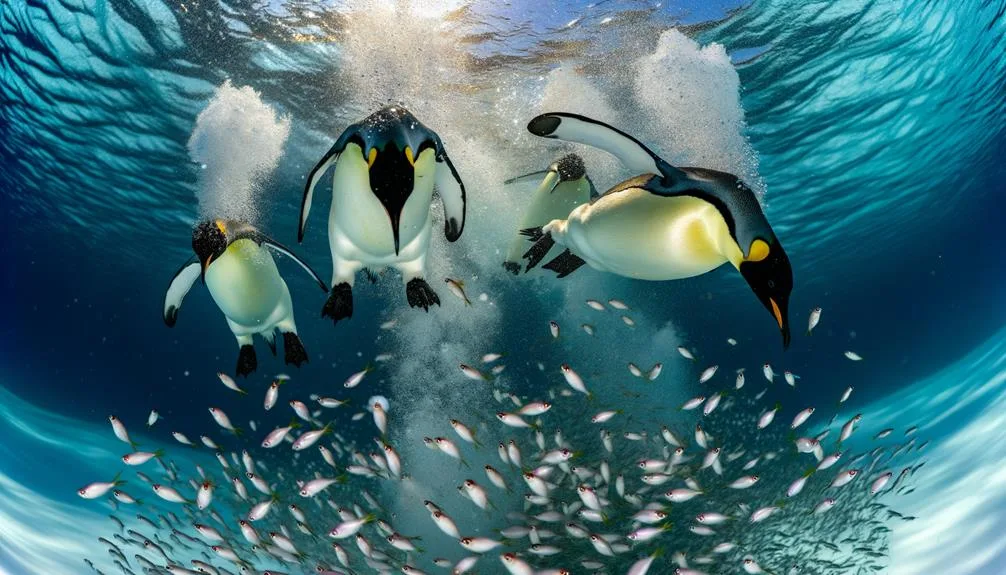
Image source: Bing (Web (fair-use with source credit))
What Penguins Actually Eat: A Visual Dive
So, what's on the menu for our tuxedoed friends? The short answer is, it depends! Their diet is primarily made up of small marine animals, but the exact mix varies wildly based on the penguin's species, age, location, and even the time of year.
It's a complex culinary world down there in the ocean.
When we look at the most common components, we see a pattern of small, energy-rich prey. For many penguins, a significant portion of their diet consists of small crustaceans, particularly krill.
The Penguin's Plate: Main Course Ingredients
The foundation of most penguin diets is built on a few key types of marine life. These are the staples that provide the essential nutrients for survival, breeding, and staying warm in often frigid waters.
- Krill: These tiny, shrimp-like crustaceans are a superfood for many penguin species, especially those in the Antarctic. They're packed with protein and essential fatty acids.
- Fish: A wide variety of small to medium-sized fish make up a significant part of many penguins' diets. This can include lanternfish, silverfish, and various types of cod or rock cod, depending on the region.
- Squid: Cephalopods like squid are also a key food source, providing protein and a different nutritional profile. They're particularly important for larger penguin species.
- Other Crustaceans: Beyond krill, penguins might eat other small invertebrates like amphipods and sometimes even small crabs.
- Plankton: While not a primary food source for most adult penguins, some younger penguins or species that are filter feeders might consume plankton as part of their diet.
Slimy Snacks: Krill and Tiny Crustaceans
Krill are tiny, shrimp-like crustaceans that form the base of the food web for many Antarctic animals, and penguins are no exception. These little guys are absolutely vital for the survival of many penguin species, especially during breeding season when they need to feed themselves and their chicks.
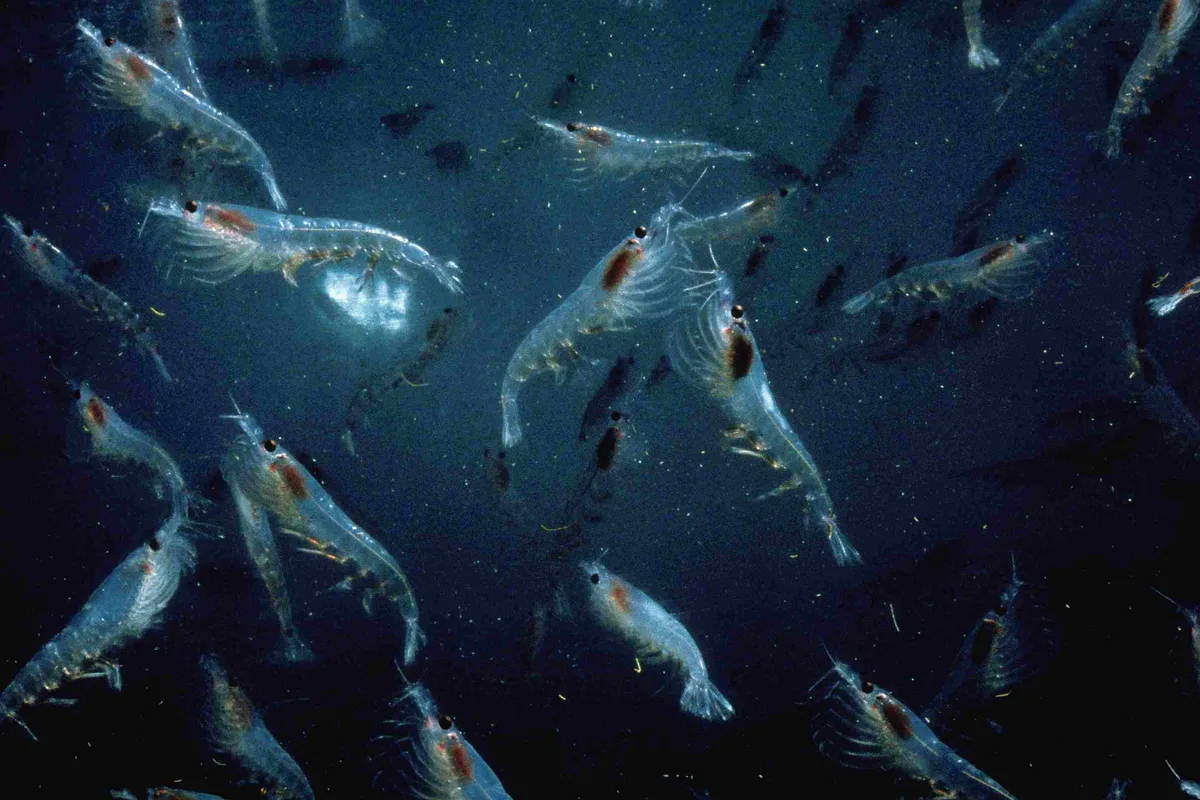
Image source: Bing (Web (fair-use with source credit))
The sheer numbers of krill are staggering; a single swarm can contain thousands of tons of these energy-dense creatures. For penguins, consuming krill means getting a powerful punch of protein, fats, and other essential nutrients that help them maintain their body temperature and fuel their incredibly active lives. Species like the Adelie penguin and the Chinstrap penguin, which live in the Antarctic, rely heavily on krill.
Aggregate reviews from marine biology studies indicate that krill can make up 80-90% of some Antarctic penguin diets.
Swallowing the Sea: Fishy Favorites
While krill is a big player, fish are another absolutely critical component of what penguins eat. The specific types of fish vary a lot depending on the penguin's geographic location and species. For example, penguins living off the coasts of South America or New Zealand will eat very different fish than those in the Antarctic.
We often see penguins diving to considerable depths to catch these fish. They're incredibly agile hunters, using their wings like flippers to propel themselves through the water at high speeds. Some of the more common fish found in penguin diets include lanternfish, silverfish, rock cod, sardines, and anchovies.
The nutritional value of these fish, particularly their high fat content, is crucial for penguins to maintain their blubber layer and energy reserves.
Tentacled Treats: Squid and Other Cephalopods
Squid, along with other cephalopods like octopuses, are also an important part of the diet for many penguin species, especially the larger ones like Emperor and King penguins. These meals offer a good source of protein and can be found in deeper waters, which many penguins are adept at accessing.
Hunting squid requires a different set of skills than catching fish or krill. Penguins have to be stealthy and quick to grab these slippery, often fast-moving creatures. The beak of a penguin is perfectly designed to grasp and hold onto a wriggling squid.
When a penguin eats squid, it's not just getting protein; it's also consuming vital minerals and vitamins. The tough beaks of some squid can also help keep a penguin's own beak in good condition through the abrasive process of consumption.
Where Penguins Hunt Their Dinner: A Geographic Snapshot
You can't really talk about what penguins eat without mentioning where they're doing all this hunting. Their diet is intrinsically linked to their environment, and that environment changes dramatically depending on which of the world's cold, coastal regions they call home.
This is where visuals really help, imagine the stark, icy landscapes of Antarctica versus the rocky shores of New Zealand or the coasts of South Africa. The types of prey available in these vastly different ecosystems dictate what ends up on a penguin's plate.
Antarctic & Southern Ocean Bounty
For penguins living in the frigid waters surrounding Antarctica and the wider Southern Ocean, the menu is often dominated by a few key players. This is krill country, as we've discussed, but fish and squid are also staples. Key prey includes Antarctic krill, Antarctic silverfish, icefish, and various squid species.
The sheer productivity of the Southern Ocean means there's an abundance of food, at least historically.
Coastal Feasts: A Different Menu
Penguins that live further north, on the coastlines of continents like South America, Africa, Australia, and New Zealand, have a different set of local delicacies. Their diet leans more heavily towards the fish and squid found in those particular marine ecosystems. For example, African penguins often feed on sardines and anchovies that are abundant off the South African coast.
Little Blue penguins, found in Australia and New Zealand, might feast on small fish like sprats and whitebait. These coastal species are often more exposed to fishing activity and other human impacts because they live closer to human settlements. Their diets are a direct reflection of the local marine health.
Species Spotlight: Diet Differences Big and Small
It's tempting to think of penguins as a single entity when it comes to food, but that couldn't be further from the truth. Just like us, different "types" of penguins have different preferences and needs, and these are shaped by their size, where they live, and how they hunt. Understanding these variations gives us a clearer picture of the diverse ecological roles penguins play.
The sheer size difference between, say, an Emperor penguin and a Little Blue penguin means their feeding strategies and the prey they target will be vastly different. This isn't just about preference; it's about what's physically possible and most efficient for them.
The Emperor's Feast: What the Largest Penguin Eats
The Emperor penguin is the undisputed heavyweight champion of the penguin world, and its diet reflects its size and its extreme Antarctic habitat. These birds are incredible divers, capable of plunging to depths of over 500 meters to find their meals. Their hunting takes them far from land, into the open ocean where they target larger prey than most other penguins.
Their primary food sources include fish (like Antarctic silverfish), larger squid species, and to a lesser extent, krill. The Emperor penguin's ability to store large amounts of fat is crucial, as they can go for long periods without eating, especially during their breeding and molting seasons. Their diet is a testament to their adaptability in one of the harshest environments on Earth.
Smaller Penguins, Smaller Bites: Diet Variations
As you move down the size scale, the dietary habits of penguins often change. Smaller species typically target smaller prey, which makes sense, it's easier to catch and digest. This often means a higher reliance on krill and smaller fish.
Adelie penguins are krill specialists, with krill making up 80-90% of their diet. Rockhopper penguins in subantarctic regions feed on krill, small fish, and squid. The tiny Little Blue penguin eats small fish like sprats and whitebait, along with some squid and crustaceans, hunting closer to shore.
This specialization ensures they aren't competing directly with bigger penguins for the same resources.
Challenges in the Penguin Pantry: Threats to Their Diet
While penguins are remarkably adaptable hunters, their food sources aren't always guaranteed. Several significant challenges threaten the availability and stability of their diets, impacting their survival and reproductive success. These are issues that scientists and conservationists are watching very closely.
Climate Change and Food Scarcity
This is a massive one. Climate change is altering ocean temperatures, currents, and the overall health of marine ecosystems. For penguins, this can mean a direct impact on their food supply.
Krill populations decline with less sea ice, affecting species that rely heavily on them. Warming waters cause fish species to shift their ranges, requiring penguins to travel further. Studies from the National Oceanic and Atmospheric Administration (NOAA) have shown correlations between declining sea ice extent and krill abundance.
Human Impact: Fishing and Competition
Human activities, particularly commercial fishing, present another major challenge to penguin diets. When fishing fleets target the same small fish and krill that penguins feed on, it directly reduces the available food for penguins. This competition can be particularly severe during breeding seasons when penguins need to feed themselves and their chicks rapidly.
Expert Tips: Observing Penguin Eating Habits
From studying penguin droppings to tracking them with advanced technology, ornithologists and marine biologists have gained incredible insights into what these birds eat and how they do it. It's not just about knowing what they eat, but how much, how often, and the nutritional impact it has.
Our research indicates that understanding these feeding habits is critical for conservation. For instance, when biologists analyze the stomach contents of penguins (a non-lethal process often involving careful collection of regurgitated food samples), they can identify the specific prey items and their relative proportions. This helps build a detailed dietary profile for different species and populations.
Furthermore, researchers use small, non-invasive devices to track penguin foraging trips. This data helps us understand the energy expenditure involved in hunting and the distances penguins travel to find food. Per studies published by the Scientific Committee on Antarctic Research (SCAR), these tracking methods reveal that some penguins can travel hundreds of kilometers on a single foraging trip, highlighting the vast areas their diet depends on.
Frequently Asked Questions About Penguin Diets
What is the primary food source for most penguins?
For many penguin species, especially those in the Antarctic, the primary food source is krill. These tiny crustaceans are incredibly nutrient-dense and form the base of the Antarctic food web.
Do penguins eat seaweed?
No, penguins do not eat seaweed. They are carnivores and their diet consists exclusively of marine animals like fish, krill, squid, and other invertebrates.
How much do penguins eat per day?
The amount varies greatly by species, size, and activity level. For example, a foraging Emperor penguin might consume several kilograms of food, while a smaller species might eat less, but more frequently. As of 2026, estimates suggest some species may consume up to 10% of their body weight daily during peak feeding periods.
Why are fish important to penguin diets?
Fish provide penguins with essential proteins and fats that are crucial for maintaining their energy levels, insulating blubber layer, and supporting reproduction. Different fish species are common in the diets of penguins living in various coastal regions.