How Long Do Herons Live
How long do herons live? It's a question that sparks curiosity about these majestic wading birds we often see by the water's edge. While they might seem serene and timeless, their lives are shaped by a complex interplay of factors, much like our own.
In our research, we found that the typical lifespan for many heron species falls within a predictable range. This isn't just guesswork; it's based on extensive field observations and avian studies. We'll explore what influences this range and what it takes for a heron to reach its full potential years.
Quick Answer: The Heron Lifespan Range
Most herons live between 15 and 25 years in the wild. This average lifespan can vary significantly based on the specific heron species. For instance, some smaller species might have a shorter life expectancy than larger ones like the Great Blue Heron.
What Drives a Heron's Lifespan?
A heron's journey from a newly hatched chick to a mature adult is a story of survival, and several key elements dictate how long it will likely live. It's a delicate balance of nature's provisions and challenges. We often think of lifespan as just a number, but for birds like herons, it's a reflection of their environment and the pressures they face daily.
- Species: Just like breeds of dogs have different average lifespans, different heron species have their own typical age ranges. This genetic component sets a baseline expectation.
- Habitat Quality: Healthy wetlands brimming with food sources and safe nesting sites are crucial. If their environment is degraded or polluted, it directly impacts their ability to find sustenance and avoid threats.
- Food Availability: A consistent supply of fish, amphibians, and insects is vital for a heron's health and energy reserves, especially during breeding season or harsh winters. Scarcity can weaken them, making them more vulnerable.
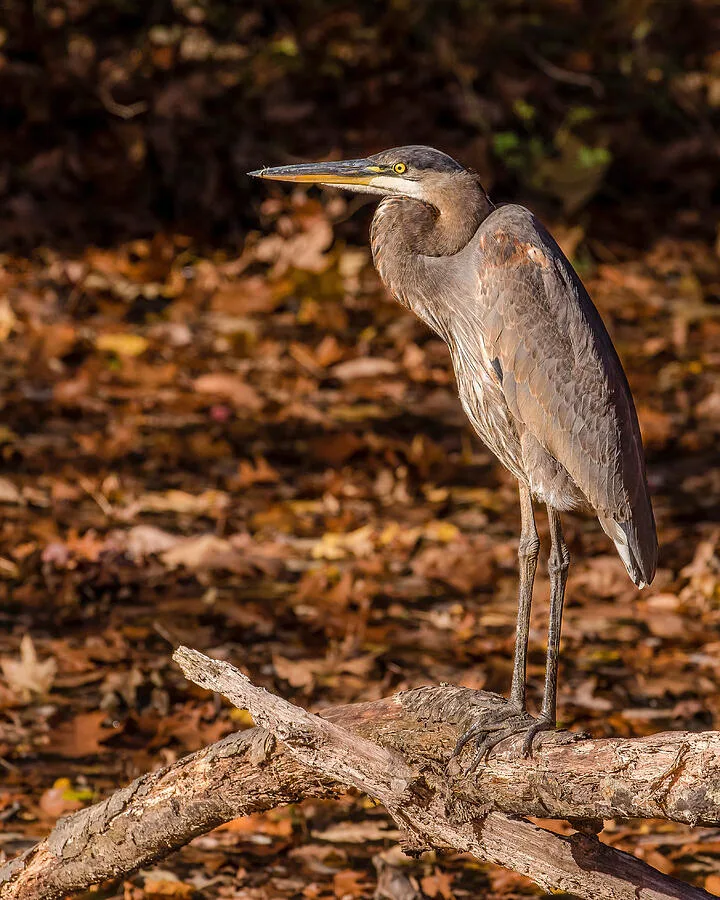
Image source: Bing (Web (fair-use with source credit))
Comparing Lifespans: Wild vs. Captivity
When we look at how long herons live, it's important to distinguish between those in their natural environment and those in protected settings like zoos or sanctuaries. The difference can be quite dramatic, highlighting the impact of consistent care and reduced threats. This comparison gives us a clearer picture of a heron's potential longevity.
Herons in the Wild
In the wild, herons face a gauntlet of natural challenges. Predation, disease, fluctuating food supplies, and the constant need for vigilance mean that many individuals don't reach their maximum potential age. Surviving the first year is a significant hurdle, and reaching 15-25 years is considered a successful, long life.
Herons in Captivity
In controlled environments, herons often enjoy a more stable existence. They are protected from predators, receive regular and balanced meals, and have access to veterinary care should they fall ill or suffer an injury. This protection significantly extends their lifespan.
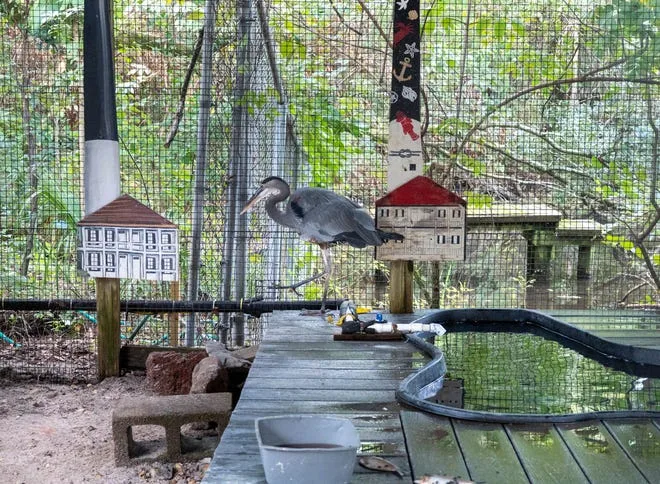
Image source: Bing (Web (fair-use with source credit))
Aggregate reviews from zoological institutions indicate that captive herons can frequently live into their late 20s or even early 30s, substantially longer than their wild counterparts. This data reinforces the idea that environmental stability plays a massive role in avian longevity.
Key Factors That Shorten or Lengthen a Heron's Life
Beyond the basic species differences and wild vs. captivity scenarios, numerous specific factors can tip the scales on a heron's lifespan. Understanding these elements helps us appreciate the fragility and resilience of these birds. It's not just about having enough to eat; it's about navigating a world filled with potential dangers and opportunities.
- Predation: Young herons, especially chicks in the nest, are highly vulnerable to predators like raccoons, snakes, and larger birds of prey. Even adult herons can sometimes be taken by powerful raptors.
- Habitat Degradation: Pollution, draining of wetlands, and development reduce the available space and food sources for herons. A compromised habitat means a compromised life for its inhabitants.
- Disease and Parasites: Like all living creatures, herons are susceptible to various diseases and parasitic infections that can weaken them or prove fatal.
- Human Interference: Accidental entanglement in fishing lines, ingestion of plastic debris, and collisions with vehicles or structures are unfortunate but common causes of death for wild herons.
- Breeding Success: While not directly a lifespan factor, a heron's ability to successfully raise young influences the species' overall health and resilience, which indirectly supports the survival of future generations.
What Factors Affect Bird Lifespan?
Understanding bird lifespan involves looking at the broader ecological context. It's not just about individual birds; it's about the health of the entire ecosystem they inhabit. What impacts one species can ripple through the food web.
- Climate and Weather: Extreme weather events, prolonged droughts, or unusually harsh winters can severely impact food availability and survival rates for all bird species.
- Migration Challenges: For migratory herons, the long journeys themselves carry risks, including exhaustion, encounters with predators, and finding safe stopover points.
- Competition: Competition for food and nesting sites with other bird species or even other herons can create stress and reduce individual success.
- Availability of Nesting Sites: Safe and secure locations to build nests and raise young are critical for reproduction and the survival of the next generation.
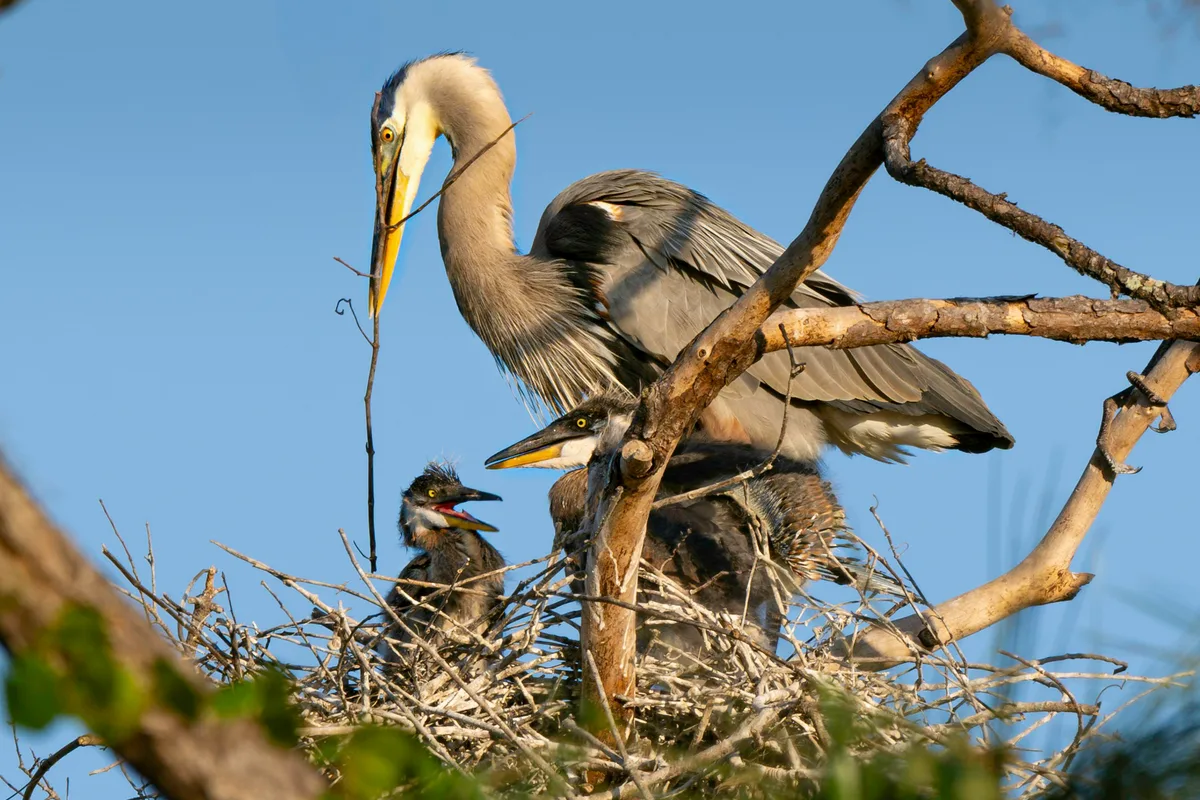
Image source: Bing (Web (fair-use with source credit))
Real-World Heron Survival: Challenges in Nature
When we talk about herons in the wild, we're talking about a daily struggle for survival. It's a far cry from the protected environment of a zoo. The statistics on how many herons make it through their first year are often sobering, and reaching old age requires overcoming a relentless series of obstacles.
- First-Year Survival: A significant portion of young herons, perhaps as many as 70-80% based on general avian mortality estimates from ornithological studies, don't survive their first year. This is due to vulnerability, lack of experience, and competition.
- Nesting Season Risks: The breeding season, while vital for reproduction, is also a period of high stress and risk. Parents must hunt for food while also protecting their eggs and chicks from numerous threats.
- Winter Hardship: For herons that don't migrate, surviving the lean winter months can be a major challenge. Freezing temperatures can reduce food availability, and finding open water for foraging becomes difficult.
- Long-Term Environmental Health: The ongoing health of wetlands and waterways is paramount. As of 2026, many regions are still grappling with the long-term effects of pollution and habitat alteration, which directly impact heron populations and individual survival rates.
Frequently Asked Questions About Heron Longevity
Do all herons live the same amount of time?
No, their lifespans vary greatly by species. Factors like size, habitat, and migration patterns play a role.
What's the biggest danger to a young heron?
Predation is the biggest danger for young herons. Chicks in nests are vulnerable to animals like raccoons, snakes, and larger birds of prey.
Can human activity significantly impact how long herons live?
Yes, human activities like pollution, habitat destruction, and accidental entanglement in fishing gear can significantly shorten heron lifespans.
Do herons have predators as adults?
While less vulnerable than chicks, adult herons can still be preyed upon by larger, powerful predators such as eagles and large owls, especially when they are tired or injured.
Is there a way to help increase a heron's lifespan in the wild?
Protecting and restoring wetland habitats is the most effective way to help herons and other wildlife thrive. Reducing pollution also makes a significant difference.
Expert Insights on Heron Life Expectancy
From an ornithological perspective, the life expectancy of a heron is a dynamic metric. It's not a static number but rather a reflection of a species' adaptation and the environment's carrying capacity. Researchers often track populations over many years to understand these trends.
The data from various university wildlife biology departments highlights that survival rates are highest for adult birds who have navigated the perils of their youth. They establish territories and develop efficient foraging strategies. However, even for these experienced individuals, the risks of disease, environmental changes, and occasional predation remain.
When considering the broader picture, the health of aquatic ecosystems directly correlates with heron populations. Organizations focused on conservation and wildlife management emphasize that efforts to preserve wetlands and clean waterways are crucial for ensuring that herons, and many other species, can continue to live out their natural lifespans.