What Do Puffins Eat
So, you're curious about what those adorable puffins munch on, huh? It's a fantastic question because their diet is super important to their survival and tells us a lot about the health of the ocean they call home. Let's dive into it!
In our research, we've found that puffins are incredibly specialized eaters. The types of fish they rely on are small, oily, and found in specific ocean conditions. As of 2026, understanding this diet is crucial for conservation efforts worldwide.
Quick Answer
Puffins primarily eat small, oily fish like sandeels and herring. They use their specialized beaks to catch and carry multiple fish at once to feed their chicks. Their diet is a key indicator of marine ecosystem health.
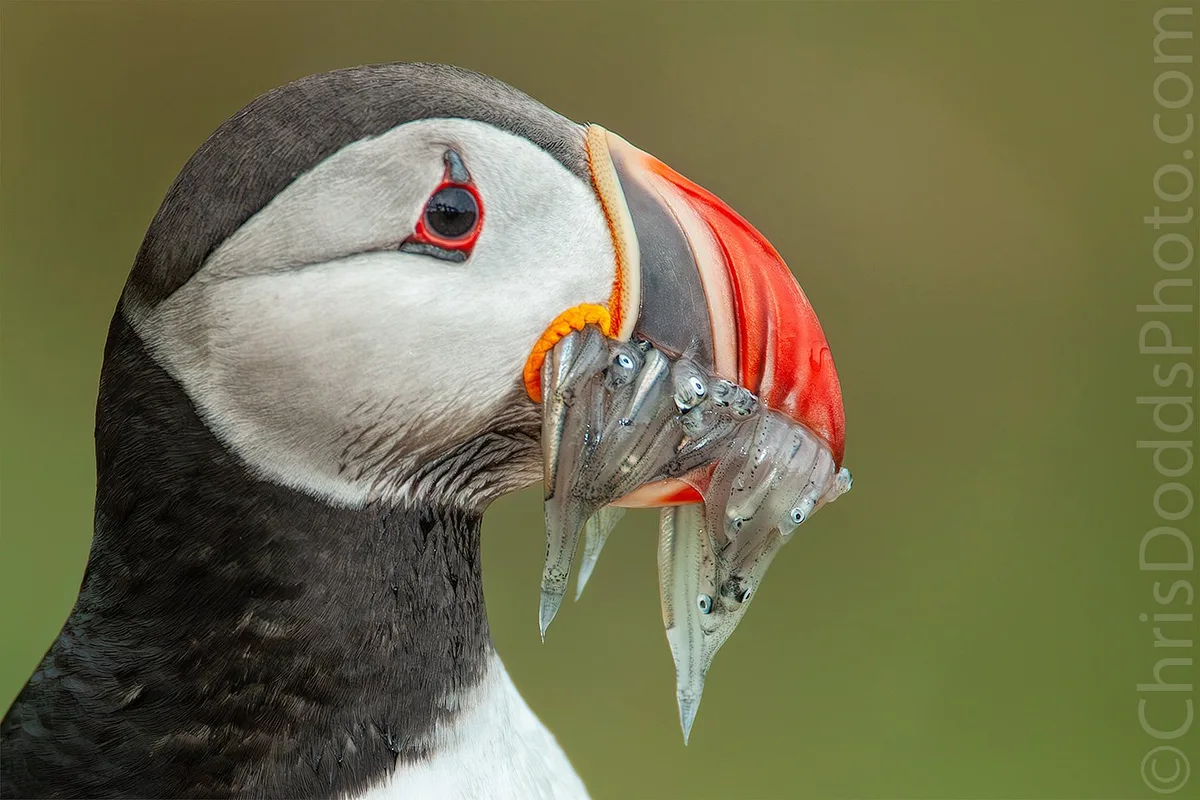
Image source: Bing (Web (fair-use with source credit))
The Puffin's Daily Catch: Small Fish Rule
Puffins are expert hunters in the water, and their menu is pretty focused. They go for small, nutrient-rich fish that are abundant in the waters around their breeding colonies. This isn't just about having a snack; for puffins, especially during the breeding season, securing enough of these small fish is critical for raising their young.
Here’s a rundown of what usually makes up a puffin's meal:
- Sandeels (or Sand Lances): These are often the number one choice for many puffin populations. They're small, slender, and packed with the oils puffins need for energy.
- Herring: Another common and vital food source. These small, schooling fish are a good source of protein and fats.
- Sprats: Similar to herring, these tiny fish are also a staple for puffins in certain regions.
- Capelin: These small, silvery fish are another important prey item, particularly in the colder waters of the North Atlantic.
- Other Small Fish: Depending on availability, puffins might also catch small individuals of species like cod, hake, or even small flatfish, but their preference is always for these smaller, schooling types.
The availability of these specific fish can change from year to year and also varies by geographic location. For example, puffins in the North Atlantic might rely more heavily on sandeels and herring, while those in other areas might have different primary prey. This dietary flexibility, within the narrow range of small, oily fish, is key to their survival.
Beaks Built for the Buffet: How Puffins Carry Their Catch
Puffins have one of the most distinctive and useful adaptations in the bird world: their beaks. These aren't just for show, especially when you consider how many fish a puffin needs to bring back to its nest to feed a hungry chick.
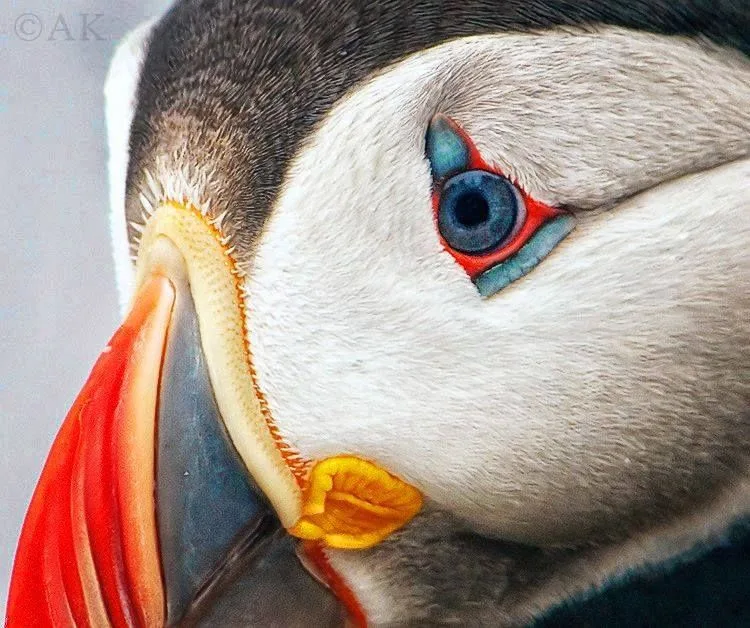
Image source: Bing (Web (fair-use with source credit))
Their beaks are specially designed to hold multiple fish at once. This is crucial because puffins can't easily swallow fish while they're still underwater, and they need to transport food efficiently from the sea to their burrows, which can be some distance away.
- Serrated Edges: The inside edges of a puffin's beak are serrated. This helps to grip the slippery fish and prevent them from sliding out.
- Deep Jaw: The jaw is deep, allowing them to stack fish crosswise. They catch one fish, hold it, then catch another and position it behind the first, repeating the process.
- Impressive Loads: It's not uncommon for a puffin to return to its burrow with a beak full of 8, 10, or even more small fish. This maximizes the amount of food they can deliver in a single trip, which is vital for their chicks' growth.
This ability to carry such a substantial load of fish is a remarkable feat of natural engineering. It means that a successful fishing trip can make a significant difference in providing for their offspring.
Tracking Ocean Health: Puffins as Marine Indicators
The diet of puffins is far more than just a snapshot of what they eat; it's a powerful indicator of the overall health of the marine environment. Because they specialize in certain types of small fish, they are very sensitive to changes in their ecosystem.
When puffin populations are thriving, with good breeding success and healthy adult birds, it usually signals a healthy ocean. This means there's a robust population of the small fish they depend on, which in turn suggests a balanced food web.
However, when puffins start to struggle, it's often a warning sign.
- Prey Availability: If the populations of key prey fish like sandeels or herring decline, puffins can't find enough to eat. This leads to lower chick survival rates and can impact adult bird health.
- Ecosystem Imbalance: A drop in these small fish can be caused by several factors, including overfishing by humans, rising ocean temperatures affecting fish breeding cycles, and pollution. Scientists monitor puffin diets and breeding success as a way to assess these broader environmental issues.
Indeed, research from organizations like the National Oceanic and Atmospheric Administration (NOAA) often uses seabird colonies as biological indicators for the state of fisheries and ocean health. If puffins are finding less food, it's a strong signal that something is amiss in their underwater world.
Feast or Famine: Problems Puffins Face with Their Food Supply
While puffins are expert hunters, their food supply isn't always guaranteed. They face several significant challenges that can directly impact what they eat and how successfully they can feed themselves and their young. These problems often stem from human activities and broader environmental shifts.
The primary issue is food scarcity. This can happen when the populations of their preferred prey, like sandeels and herring, dwindle.
- Overfishing: Commercial fishing operations can significantly deplete the numbers of small fish that puffins rely on. When these fish are caught for human consumption, less is available for the seabirds.
- Climate Change: Rising ocean temperatures are altering marine ecosystems. Warmer waters can affect the breeding and survival rates of small fish, leading to reduced availability for puffins. This is particularly true for species like sandeels, which prefer cooler conditions.
- Pollution: Marine pollution, including plastics and chemical contaminants, can harm fish populations and directly impact the puffins that consume them. It can also disrupt the entire food web that puffins depend on.
When these issues combine, puffins can experience periods of "famine." This means they struggle to catch enough nutritious food. For example, during breeding seasons, if parents can't find enough fish, chicks may starve in the nest. This dietary stress is a major factor in population declines observed in some puffin colonies.
Seeing is Believing: Visual Cues of Puffin Feeding Success
Understanding what puffins eat and how well they're doing often comes down to what you can see. While we can't directly observe every fishing trip, there are visual indicators that tell us a lot about their feeding success. These cues are what researchers and birdwatchers look for.
One of the most obvious visual signs is the state of the puffin's beak when it returns to its burrow.
- A Full Beak: A puffin with its beak packed full of small, silvery fish is a clear sign of a successful foraging trip. The more fish it's carrying, the better, as it means more food for its chick.
- Empty or Partially Full Beak: Conversely, a puffin returning with an empty or sparsely filled beak suggests it had a difficult time finding food. This might mean prey is scarce or hard to catch.
Beyond the beak, you can also observe the puffins' behavior on the water and at the colony.
- Diving Patterns: Efficient diving and surfacing with prey indicate successful hunting. If puffins are spending a lot of time diving without success, it points to scarcity.
- Chick Condition: At the nesting burrow, the condition of the chicks themselves is a powerful visual cue. Well-fed chicks are plump and active, while malnourished chicks are often listless and thin.
These visual signals are invaluable for monitoring puffin health and, by extension, the health of the marine environment they inhabit. They provide a direct, observable link between the abundance of fish and the survival of these charismatic seabirds.
Frequently Asked Questions About Puffin Diets
Do puffins eat anything besides fish?
Puffins are highly specialized seabirds and primarily feed on small fish. While they might occasionally ingest small crustaceans or squid incidentally, fish form the vast majority of their diet, especially during the breeding season.
What is the most important fish for puffins?
Sandeels are often the most important fish in the diet of many puffin populations, particularly in the North Atlantic. Their high oil content provides essential energy.
Can puffins eat large fish?
No, puffins are adapted to catch and carry small fish. Their beaks are designed to hold multiple small prey items, not large ones.
How much fish can a puffin carry in its beak?
A puffin can carry an impressive number of small fish in its beak, sometimes up to 10 or more, stacked crosswise. This allows them to efficiently transport food back to their burrows for their chicks.