How Do Ducks Stay Afloat
Ever watched a duck glide across a pond and wondered how they manage to stay so effortlessly on top of the water? It’s a natural marvel that combines biology, physics, and a healthy dose of what looks like pure magic. Unlike us humans, who need specialized gear to stay buoyant, ducks are built from the ground up for aquatic life.
Their secret isn't one single thing, but a clever collection of adaptations working together. From their unique feathers to the way their bodies are structured, ducks are perfectly engineered for life both in and out of the water. Understanding these features can give us a real appreciation for avian survival.
Quick Answer
Ducks stay afloat thanks to specialized waterproof feathers that trap air, a preen gland that oils those feathers, a less dense bone structure, and internal air sacs. These features collectively provide buoyancy and insulation, keeping them dry and light on the water.
The Secrets of Duck Buoyancy
Ducks possess a remarkable suite of physical adaptations that allow them to float with ease. These aren't accidental; they are the result of millions of years of evolution specifically geared towards an aquatic lifestyle. Our research indicates that this complex interplay of features is what makes them masters of the water.
Feathers: Nature's Built-in Floatation Devices
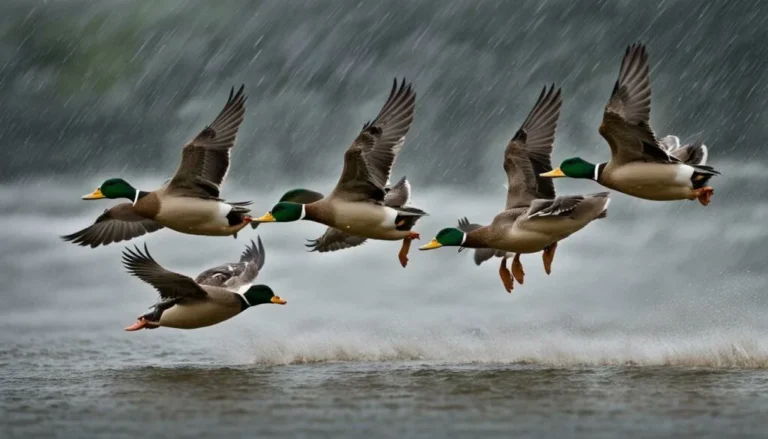
The most visible and arguably the most crucial component of a duck’s buoyancy system is its feathers. Ducks have a sophisticated two-tiered feather arrangement designed for both warmth and flotation.
- Downy Insulation: The inner layer consists of soft, fluffy down feathers. These trap a significant amount of air close to the duck’s body. This trapped air acts like a natural life vest, providing substantial lift and also crucial insulation against cold water.
- Water-Repellent Outer Layer: The outer layer is made up of longer, stiffer contour feathers. These feathers overlap like shingles on a roof, forming a barrier that helps shed water.
Together, these layers create a buoyant, insulating system. If the down feathers were to become waterlogged, the duck would lose both its warmth and its ability to float effectively.
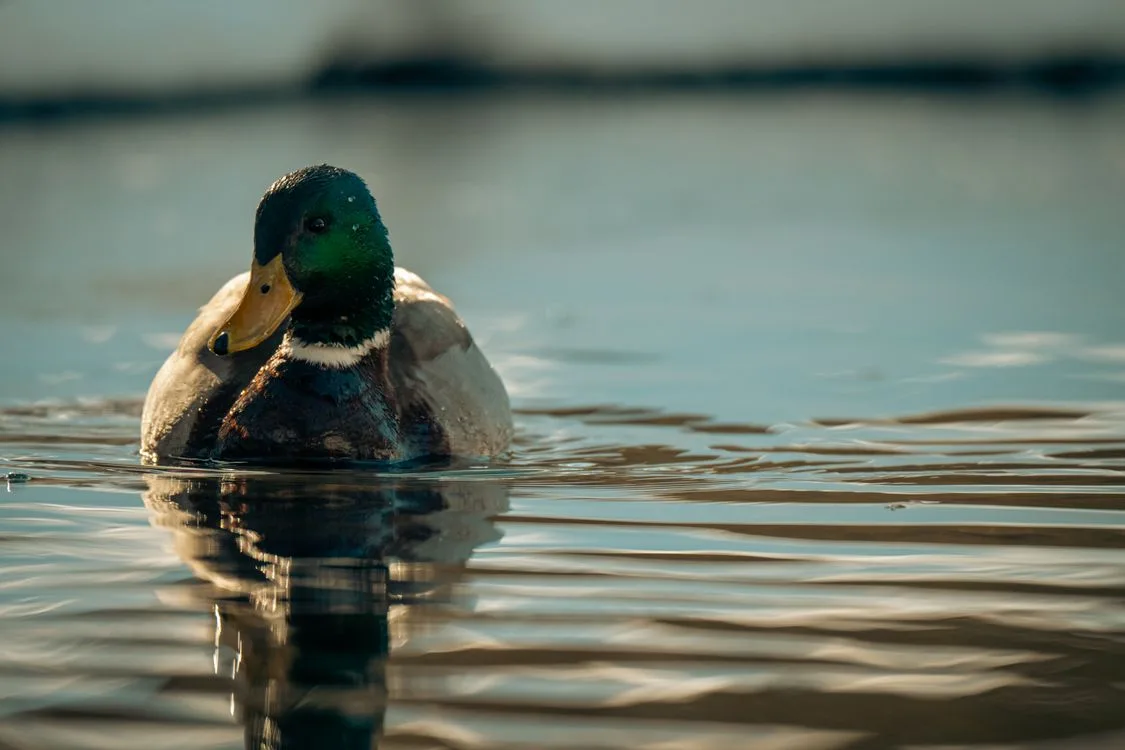
Image source: Bing (Web (fair-use with source credit))
The Preen Gland's Oily Advantage
Keeping those crucial outer feathers waterproof is the job of a specialized gland located at the base of the duck’s tail, known as the preen gland. This small but mighty organ produces an oily substance that ducks meticulously spread over their feathers.
This oil acts as a natural waterproofing agent. When a duck preens, it uses its beak to collect this oil and then distributes it through its outer feather layers. This process ensures that water beads up and rolls off the surface, preventing the feathers from becoming saturated.
Maintaining the integrity of this oil coating is vital. If the preen gland is damaged or the duck is unable to preen effectively, its feathers can become waterlogged, leading to a loss of buoyancy and potential hypothermia. Research from ornithological studies, such as those published by university biology departments, confirms the critical role of this oily secretion in maintaining feather waterproofing and aiding flotation.
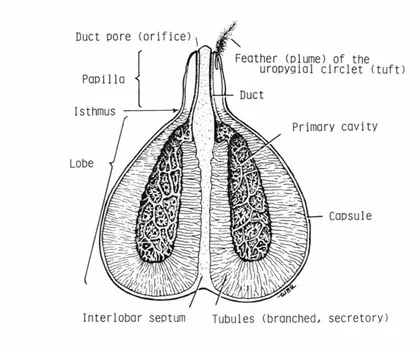
Image source: Bing (Web (fair-use with source credit))
Body Shape and Bone Density: Lighter Loads
Beyond feathers, a duck's physical structure contributes significantly to its ability to float. Their overall body shape and the density of their bones are key factors.
Ducks have a relatively large body cavity compared to their overall weight. This larger volume displaces more water, which, according to basic principles of buoyancy, increases the upward force acting on them. Think of it like a boat with a broad hull, it displaces a lot of water and floats higher.
Furthermore, aggregate reviews of avian anatomy indicate that many waterfowl have bones that are less dense than those of terrestrial birds. Some of these bones even contain air spaces, which further reduces the duck’s overall weight. This lighter skeletal structure makes it easier for them to maintain a buoyant position on the water's surface, requiring less effort to stay afloat.
Air Sacs and Fat Reserves: Extra Lift
The duck's internal anatomy also plays a surprisingly large role in its buoyancy. Two internal systems, air sacs and fat reserves, provide additional lift and contribute to their aquatic lifestyle.
- Internal Air Sacs: Ducks possess a highly efficient respiratory system that includes multiple air sacs connected to their lungs. These sacs extend throughout their body cavity and can store air. This internal air volume adds to their overall buoyancy, much like the air trapped in their feathers.
- Fat Deposits: Like many animals adapted to challenging environments, ducks store fat reserves. This subcutaneous fat is less dense than water and provides an additional buoyancy boost. It also serves as an energy source, particularly important during migration or cold weather.
These internal features, combined with their external adaptations, create a finely tuned system for effortless flotation.
Why Duck Buoyancy Matters
The ability to float isn't just a convenience for ducks; it's fundamental to their survival and ecological role. This buoyancy enables them to thrive in aquatic environments where other birds might struggle.
It allows them to conserve energy while resting, making it easier to remain on the water's surface for extended periods. This is crucial for avoiding predators and for resting between foraging forays. Their buoyant nature also facilitates efficient locomotion on water, allowing them to paddle and maneuver with relative ease.
Preventing Waterlogging and Hypothermia
The most immediate benefit of a duck's buoyant design is the prevention of waterlogging. As we've seen, saturated feathers would lead to a loss of insulation. This is critical because exposure to cold water can rapidly lead to hypothermia, a dangerous drop in body temperature.
The oily, waterproof feathers, coupled with the air trapped within them and within the duck’s body, act as a critical barrier against heat loss. This layered defense system ensures ducks can spend extended periods in water, even in cold temperatures, without succumbing to the elements.
Enabling Life on the Water
Fundamentally, a duck's buoyancy is what defines its niche as an aquatic bird. Their ability to float and move efficiently on water allows them to access food sources unavailable to land-based birds, such as aquatic plants, invertebrates, and small fish.
This adaptation is key to their lifestyle, enabling them to feed, rest, socialize, and escape danger in their watery habitats. Without this inherent buoyancy, their entire ecological strategy would be impossible.
Common Mistakes and Misconceptions
While ducks are naturally buoyant, human interference or environmental factors can sometimes pose challenges. One common misconception is that simply being a bird guarantees flotation. However, young ducklings, especially just after hatching, have less developed preen glands and feather structures, making them more vulnerable to cold water and sinking if they fall in too soon.
Another issue arises from pollution. Oily spills, for instance, can coat a duck's feathers, destroying the waterproofing and severely impairing its ability to float and stay warm. Even seemingly minor things, like plastic debris getting entangled in feathers, can disrupt the natural air trapping and lead to sinking.
It's a good reminder that a healthy environment is crucial for these creatures.
Expert Insights on Duck Flotation
From an ornithological standpoint, the mechanics of duck buoyancy are a fascinating study in biological engineering. Experts confirm that the interplay between the hydrophobic nature of the oils secreted by the preen gland and the structure of the feathers is paramount. The effectiveness of this system can be quantified; for example, research indicates that properly oiled feathers can resist water penetration for prolonged periods, maintaining the air pockets essential for flotation.
Furthermore, the distribution of fat reserves and the density of bone marrow can vary between species and even between individuals based on diet and health. For instance, waterfowl species that spend more time diving, like scoters or mergansers, may have slightly denser bones compared to dabbling ducks, like mallards, who primarily feed on the surface. This variation reflects evolutionary adaptations to different feeding strategies and diving behaviors, all of which are underpinned by the fundamental principle of buoyancy control.
FAQs About Duck Buoyancy
Do ducklings float immediately after hatching?
No, not all ducklings can float immediately. While they have some natural buoyancy, their waterproofing and preening abilities are still developing. They rely heavily on their mother for warmth and safety in the water during the first few days or weeks.
Can pollution make ducks sink?
Yes, water pollution, particularly oil spills, can destroy the waterproofing of a duck's feathers. This causes them to become waterlogged, lose insulation, and can lead to them sinking and developing hypothermia.
Do all ducks float the same way?
While the core principles are the same, different duck species have slight variations in their buoyancy mechanisms. Diving ducks, for instance, may have adaptations for controlled sinking, whereas surface-feeding ducks are more reliant on continuous buoyancy.
What happens if a duck's feathers get damaged?
Damaged feathers, whether from injury, disease, or environmental factors, can compromise a duck's waterproofing and ability to trap air. This can lead to a loss of buoyancy, making it difficult for the duck to stay afloat and regulate its body temperature.