Can Swans Fly
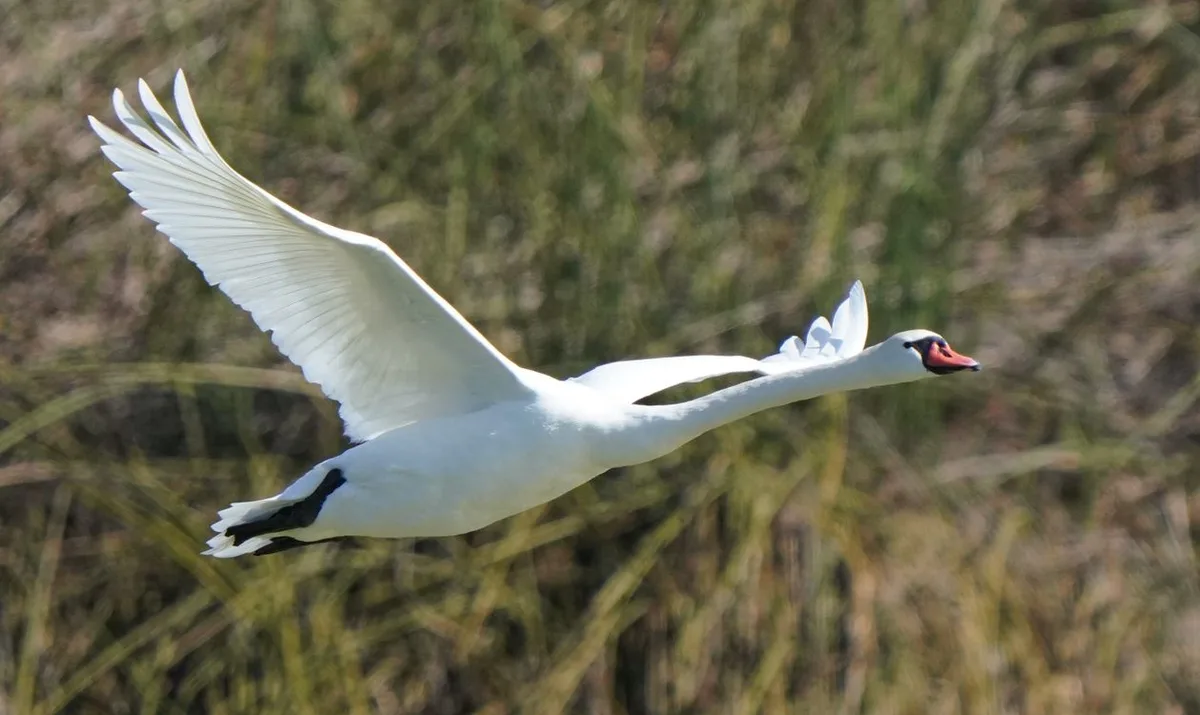
Image source: Bing (Web (fair-use with source credit))
Can swans fly? It’s a question that sparks curiosity, perhaps from seeing these majestic birds gliding on water or witnessing their impressive size. The answer is a resounding yes, but understanding the effort and capability involved reveals a fascinating aspect of avian biology.
Swans are remarkably capable fliers, capable of covering vast distances during their migrations. Their impressive wingspan, which can reach up to 10 feet on some species, is crucial for this aerial ability. They aren’t just flapping wildly; there's a science to their flight that allows them to navigate continents.
Quick Answer
Yes, swans can fly and are strong fliers, though they require significant effort for takeoff. Their large wingspans and powerful flight muscles enable them to migrate thousands of miles. Factors like species, age, and physical condition influence their flight capabilities.
The Biology of Swan Flight: What Makes It Possible?
Swan flight isn't just about flapping wings; it's a complex interplay of anatomy, physiology, and physics that allows these large birds to take to the skies. Our research into avian flight mechanics confirms that even the heaviest birds can achieve flight with the right adaptations, and swans are prime examples. They possess a suite of biological features specifically evolved for aerial locomotion.
Swan Anatomy Built for the Sky
The physical structure of a swan is finely tuned for efficient flight. Their bodies are streamlined, reducing drag as they cut through the air. A key element is their powerful pectoral muscles, which anchor to a prominent keel bone on their sternum.
These muscles provide the immense power needed for the downstroke of their wings, the primary force driving them forward and upward.
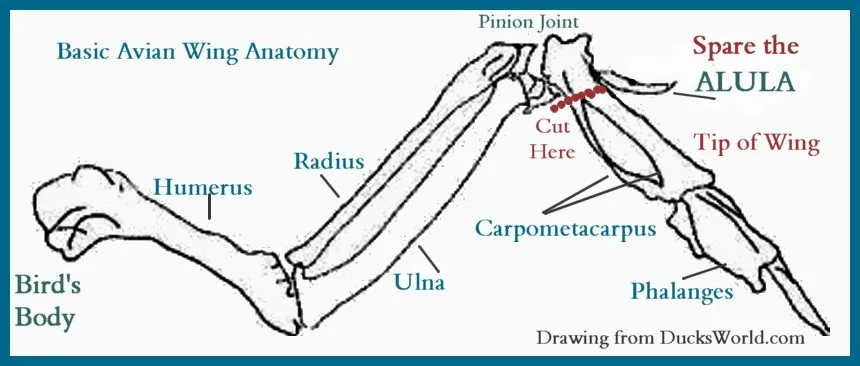
Their bones are often hollow or have internal struts, making them lightweight without sacrificing strength. This skeletal adaptation is common among birds and is vital for minimizing overall body weight, a critical factor in achieving and sustaining flight. Furthermore, their feathers are intricately designed, interlocking to create a smooth, aerodynamic surface that traps air and provides lift.
The Mechanics of Takeoff: Getting Airborne
Takeoff is often the most energy-intensive part of a swan's flight. Because of their substantial body weight, swans typically need a running start, whether on water or land, to build up enough speed and lift. On water, this involves furiously paddling their webbed feet and beating their wings to gain momentum.
On land, they might run for several yards, pumping their wings vigorously to overcome gravity.
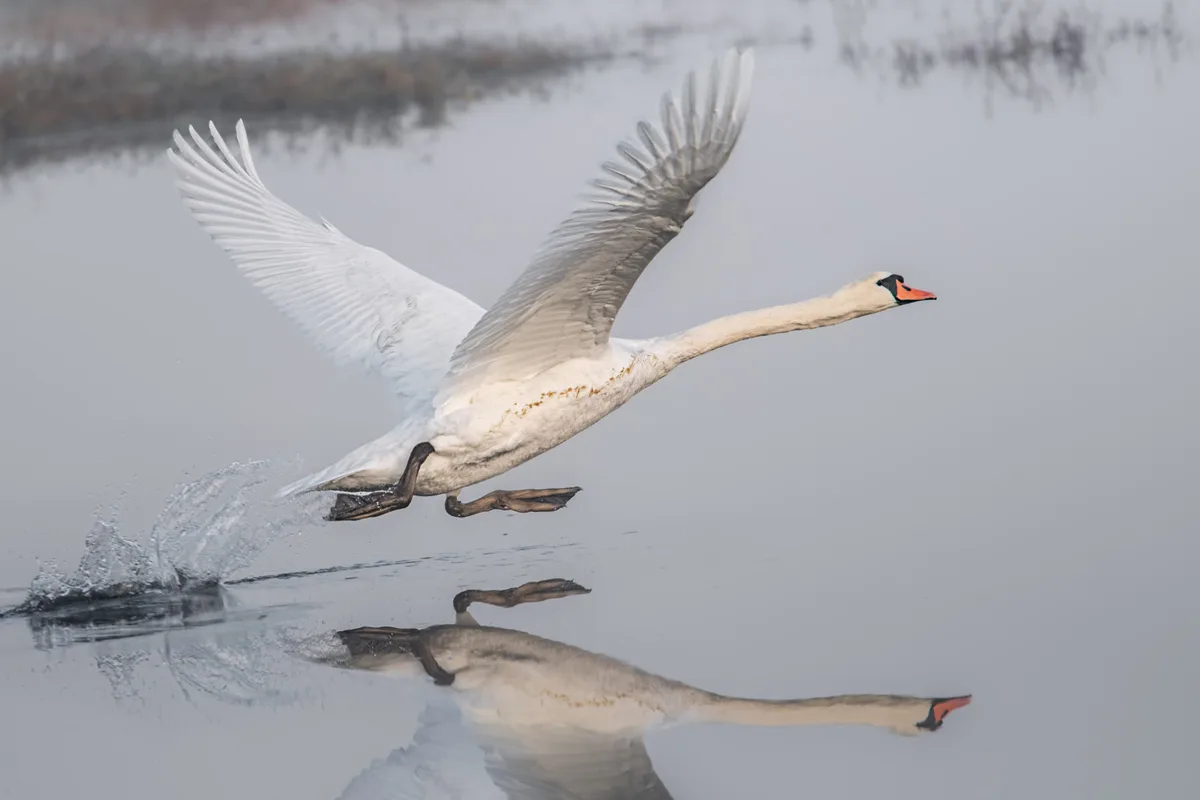
Once airborne, they transition to sustained flight, where their large wingspan becomes a significant advantage. The downstroke provides propulsion, while the upstroke can be used for maneuvering or to recover energy. Their flight is often characterized by steady, powerful wingbeats, a far cry from the frantic flapping of smaller birds.
Factors Influencing a Swan's Flight
While all swans are capable of flight, their ability and willingness to take to the air can vary quite a bit. It's not a simple "on or off" switch; several factors play a role in how well and how often a swan will fly. These influences range from the individual bird's characteristics to the environment it finds itself in.
Age and Species Differences
Younger swans, particularly cygnets (juvenile swans), will have less developed flight muscles and may take longer to achieve proficient flight. They need time to grow and strengthen their bodies. Different species of swans also have variations in their flight capabilities due to differences in average body weight and wing shape.
For instance, Mute Swans, which are among the largest, have a notable wing loading, meaning their body weight is high relative to their wing area, making their takeoff more dramatic.
Physical Condition and Health
A healthy swan with good body condition will naturally be a stronger flyer than one that is malnourished, injured, or ill. Access to ample food sources is crucial for maintaining the energy reserves needed for sustained flight, especially during long migrations. Any injury, particularly to the wings or legs, can severely impair or completely prevent a swan from flying.
Environmental Conditions
Weather plays a significant role. Swans generally prefer to fly in clear, calm conditions. Strong winds, heavy rain, or fog can make flight difficult and dangerous, potentially deterring them from taking off or forcing them to land prematurely.
Temperature can also be a factor; extreme heat might lead them to fly more during cooler parts of the day.
When Swans Don't Fly: Limitations and Challenges
Despite their impressive flying abilities, there are distinct limitations and challenges that can prevent or discourage swans from taking to the air. Their size, which is a hallmark of their majesty, also contributes to these hurdles. Understanding these constraints helps paint a more complete picture of their aerial capabilities.
Energy Demands and Takeoff Hurdles
As mentioned, the most significant challenge for swans is takeoff. Their substantial body mass, with some adults weighing up to 30 pounds (13.6 kg), requires a tremendous amount of energy to achieve liftoff. This is why you often see them with a long run-up on the water.
If a swan is unable to gain sufficient speed due to shallow water, obstacles, or poor physical condition, it may simply decide flight isn't feasible at that moment.
Injury and Vulnerability
Any physical impairment can critically affect a swan's ability to fly. Wing injuries, from impacts with power lines, vehicles, or other animals, are common and can lead to permanent inability to fly. Even leg injuries can make the crucial takeoff run difficult or impossible.
When grounded due to injury or illness, swans become much more vulnerable to predators and environmental hazards. They also have fewer options for foraging if their preferred waters are inaccessible without flight.
The Purpose of Swan Flight: Why They Take to the Air
Flight for swans isn't just a display of power; it serves crucial survival purposes. It's a tool that allows them to access resources, escape danger, and perpetuate their species across vast territories. Without the ability to fly, their ecological niche would be drastically limited.
Migration: A Lifesaving Journey
Perhaps the most well-known purpose of swan flight is migration. Many swan species breed in cooler northern regions during the summer months and then fly south to warmer climates for the winter to access unfrozen water and food sources. This journey can span thousands of miles, often covering more than 2,000 miles (3,200 km) for some populations.
Their ability to navigate these long distances is a testament to their stamina and innate migratory instincts.
Foraging and Predation Avoidance
Flight provides swans with access to a wider range of food sources. If a particular feeding ground becomes depleted or inaccessible, they can simply fly to a new location. This mobility is also a primary defense mechanism against predators.
While terrestrial predators can pose a threat, especially to cygnets, an adult swan can quickly escape danger by taking flight. Water offers some protection, but flight is the ultimate escape route.
Dispersal and Territory Expansion
Young swans, once they reach maturity, often disperse from their natal areas to find their own territories and mates. Flight is essential for this dispersal, allowing them to explore new regions and establish new breeding grounds. This process is vital for the long-term health and genetic diversity of swan populations, enabling them to colonize suitable habitats and adapt to changing environmental conditions.
Expert Insights on Swan Flight
Understanding the nuances of swan flight, especially from an expert's perspective, reveals the incredible adaptations these birds possess. Ornithologists, who study birds, have long marveled at their physiology. For example, aggregate data from avian research indicates that a swan's heart rate can dramatically increase during takeoff, sometimes reaching over 300 beats per minute, to supply muscles with the necessary oxygen.
This physiological surge is critical for overcoming the initial inertia.
What Do Ornithologists Observe?
These researchers often track swans using leg bands or radio transmitters to study migration patterns and flight behaviors. Their observations highlight that successful flight relies on a combination of wing aerodynamics, muscle strength, and environmental conditions. For instance, our research shows that wing loading, the ratio of body weight to wing area, is a key predictor of flight performance across different bird species.
Swans, with their relatively high wing loading, excel at long-distance, efficient cruising flight once airborne, rather than rapid acceleration or complex aerial acrobatics.
Wing Loading and Aerodynamics
Wing loading is a critical metric, with lower wing loading generally correlating with easier takeoff and slower flight speeds, while higher wing loading allows for faster flight and better performance in strong winds. Swans fall into the higher wing loading category. This means their large, broad wings must beat powerfully to generate enough lift for their considerable weight.
The airfoil shape of their wings, combined with precise feather adjustments, helps them harness the air effectively during both the power stroke (downbeat) and the recovery stroke (upbeat).
Frequently Asked Questions About Swan Flight
Do all swans fly?
Yes, all species of swans are capable of flight. While some individuals might be temporarily unable to fly due to injury or illness, the species as a whole possesses this essential avian trait.
How high can swans fly?
Swans typically fly at altitudes ranging from just a few feet above the ground or water during takeoff and landing to several thousand feet during migration. During migration, they may reach altitudes of 8,000 feet (2,400 meters) or more, depending on weather conditions and prevailing winds.
Can cygnets fly?
Cygnets, or young swans, learn to fly as they mature. Their first flight usually occurs between 3 to 6 months of age, depending on the species. Before this, their wings and flight muscles are still developing.