How Do Baby Penguins Stay Warm
Understanding how baby penguins stay warm is fascinating, especially when you consider they're born into some of the planet's harshest environments. These little ones face freezing temperatures and biting winds from day one. Their survival hinges on an incredible combination of natural insulation, behavioral adaptations, and devoted parental care.
The primary challenge for any newborn is maintaining its body temperature, and for penguin chicks, this is a life-or-death matter. Studies show that a penguin chick's natal down can provide an initial insulating value, but it's far from enough on its own. They must also rely on others and develop their own strategies to survive the cold.
Quick Answer
Baby penguins stay warm through their fluffy natal down, huddling with siblings for shared body heat, and being brooded by their parents. They also develop a layer of blubber as they grow, and their feet and flippers use a special heat-saving system. These combined adaptations allow them to thrive in frigid polar climates.
Why We Need to See It: Baby Penguins and Their Warmth Battle
When we talk about how baby penguins stay warm, it's easy to get lost in the facts and figures. But really, the best way to grasp it is to see it in action. Visuals help us understand the sheer effort and ingenuity these tiny birds employ.
Think about it: they're born with very little body fat and often lack the dense adult feathers that offer serious insulation.
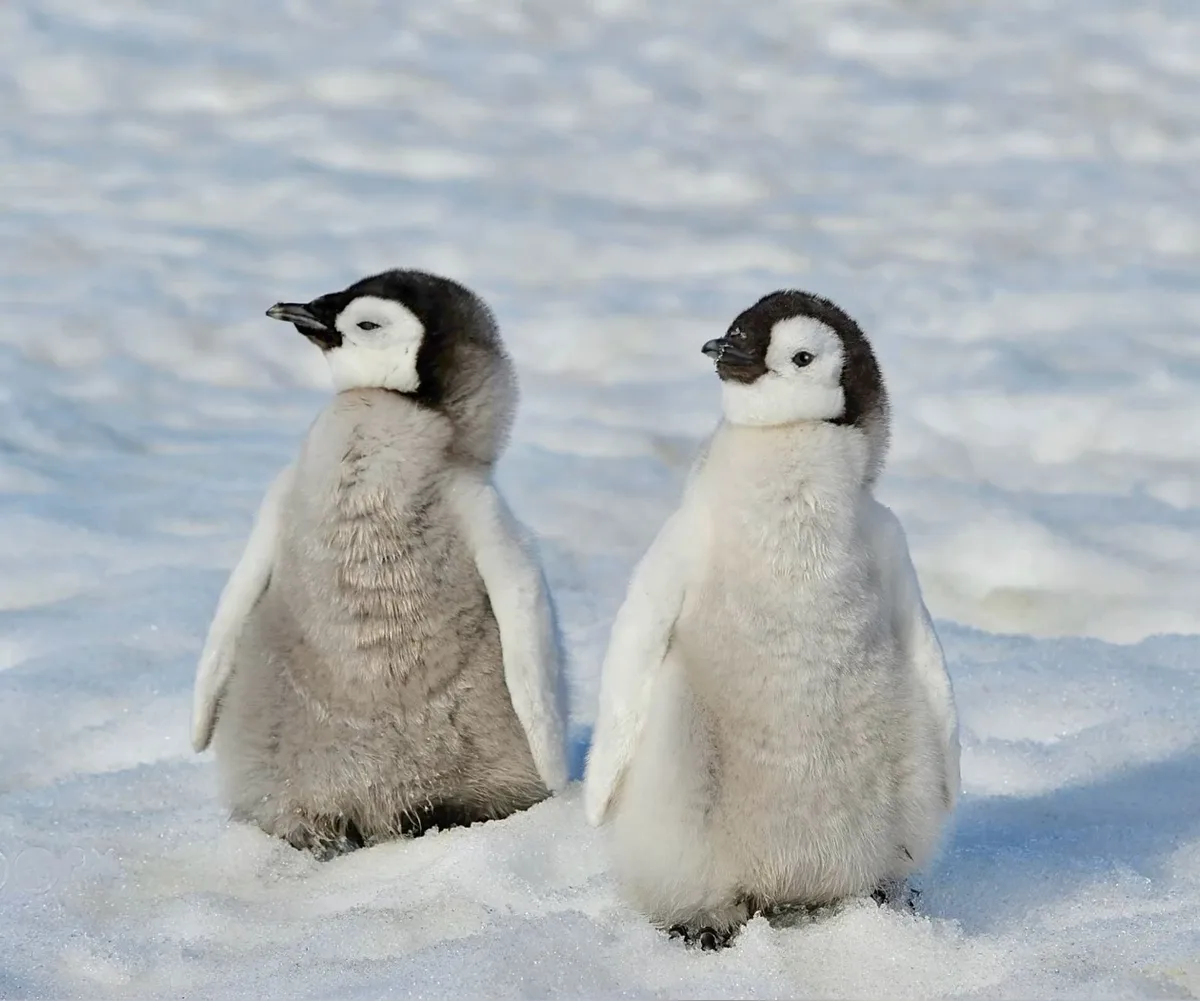
Image source: Bing (Web (fair-use with source credit))
This visual perspective shows us how critical each adaptation is. We can see the dense fluff of their initial feathers, how tightly they pack together when huddling, and the constant vigilance of the adult birds. It’s a stark reminder that survival in the wild isn't just about luck; it’s about perfectly evolved strategies.
Seeing these images helps make the science behind their warmth more tangible and impressive.
What Makes a Penguin Chick So Cozy? The Insulating Facts
A baby penguin’s ability to stay warm isn't down to just one thing. It’s a package deal of built-in features and developing attributes. These elements work together from the moment they hatch to keep their core temperature stable, which is crucial for their rapid growth and survival.
Fluffy Down: Nature's First Onesie
Right after hatching, penguin chicks are covered in a thick layer of soft, fluffy down. This natal down is their primary insulation when they're very young. It’s much lighter and less waterproof than the adult feathers but traps a significant amount of air close to their skin.
This trapped air acts as a barrier against the cold air outside.
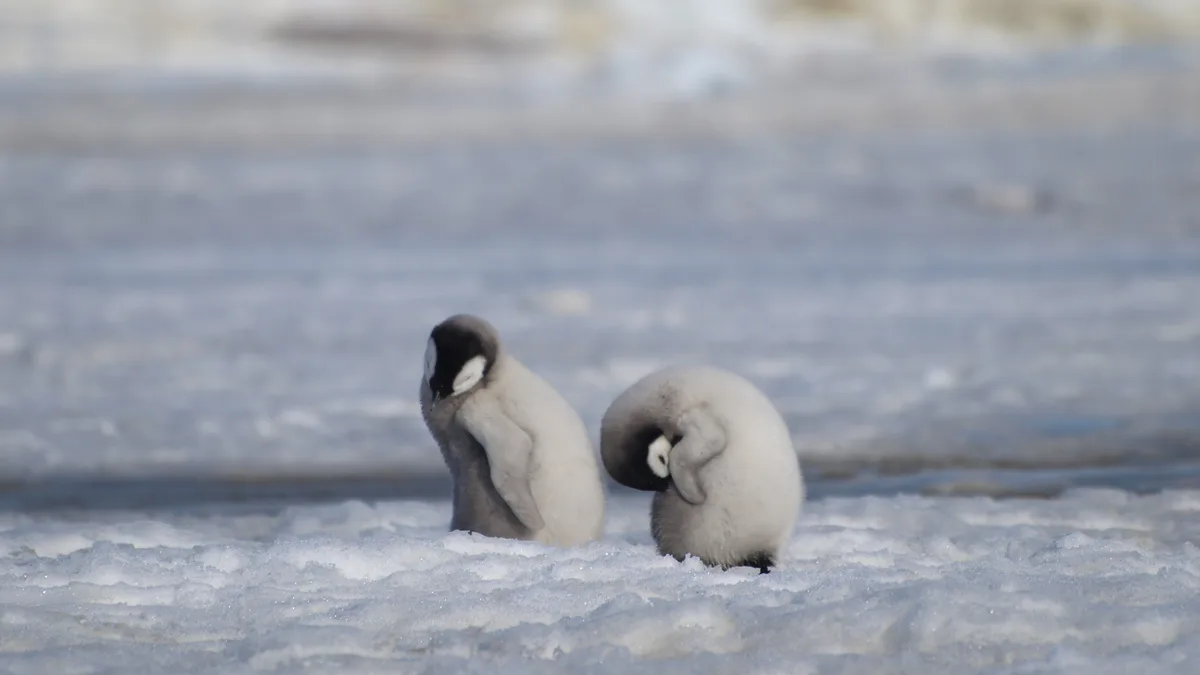
Image source: Bing (Web (fair-use with source credit))
This down layer is dense, often appearing almost like a fuzzy halo around the chick. It’s essential during the initial weeks of life when they are most vulnerable and spend a lot of time nestled close to a parent. As they grow, this down will eventually be replaced by the more robust juvenile plumage, which offers better waterproofing and insulation for their increasingly active lives.
Developing Blubber: Building the Inner Furnace
While natal down provides immediate warmth, penguin chicks also begin to build up reserves of subcutaneous fat, often referred to as blubber. This layer develops over time and becomes increasingly important as the chick gets older and starts spending more time away from direct parental brooding. Blubber acts like an internal insulation layer, helping to reduce heat loss from the body.
It’s not as thick as in marine mammals, but for a bird, it’s a significant energy reserve. This fat also serves as a crucial energy source, fueling their high metabolism and rapid growth. Without this developing blubber layer, they'd struggle to maintain their body heat, especially during extended periods when parents are out foraging for food.
Those Clever Feet: Heat That Stays Put
Penguin feet and flippers are notoriously cold, but they have a brilliant adaptation to prevent heat loss. It's called countercurrent heat exchange. Imagine a system where warm blood flowing away from the body in arteries passes very close to cold blood flowing back to the body in veins.
As the warm blood travels down the arteries, it gives up some of its heat to the colder blood returning in the veins.
This means that by the time blood reaches the extremities (like the feet), it's already been cooled down. This cooler blood is then exposed to the frigid ground or water, minimizing the temperature difference and thus reducing heat loss. The returning, slightly warmer venous blood is then pre-heated, meaning less energy is needed to warm it back up in the core.
It's a highly efficient system that allows penguins to stand on ice or swim in freezing water without losing critical body heat.
The Power of the Huddle: When Together is Warmer
For many penguin species, especially those breeding in harsh, exposed environments like Antarctica, huddling is a non-negotiable survival tactic. Baby penguins, along with their siblings and other chicks in the colony, instinctively group together. This isn't just for comfort; it's a highly effective way to generate and conserve heat when temperatures plummet.
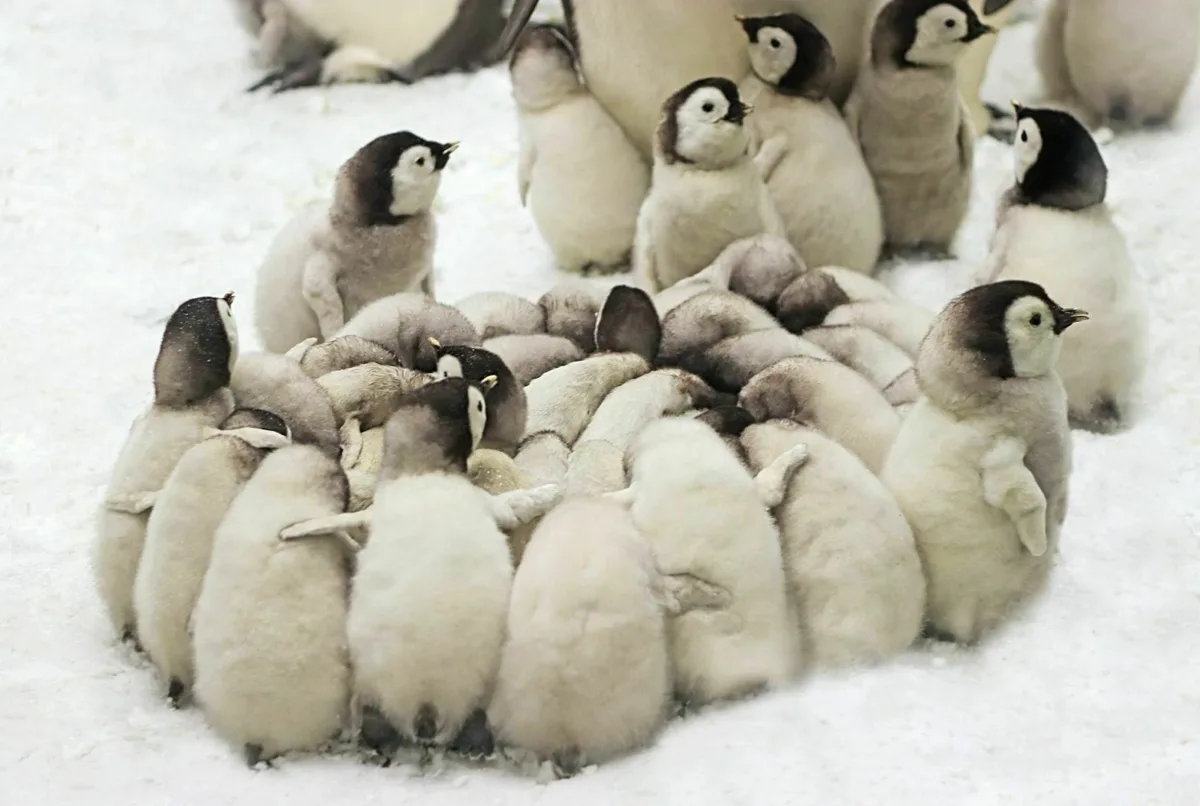
Image source: Bing (Web (fair-use with source credit))
When you see pictures of penguin colonies, you're often looking at thousands of birds packed tightly together. For the chicks, this means being snuggled in amongst their peers, sharing each other's body warmth. This collective effort significantly raises the temperature within the huddle, providing a much-needed refuge from the biting cold.
It's a prime example of how social behavior directly impacts individual survival in extreme conditions.
How Huddling Works: The Mechanics of Shared Heat
Huddling is essentially a cooperative strategy for thermoregulation. Each penguin chick, though small, generates a certain amount of body heat through its metabolism. When dozens or hundreds of chicks are packed closely together, their individual heat outputs combine.
This creates a microclimate within the huddle that can be significantly warmer than the surrounding air temperature.
For instance, in some emperor penguin colonies, the interior of a huddle can be 10-20 degrees Celsius warmer than the outside air. The penguins also shift positions within the huddle, allowing those on the outside, who are exposed to the coldest conditions, to move towards the warmer center. This constant, slow rotation ensures that no single chick gets too cold for too long.
It’s a dynamic, living blanket.
Penguin Colony Dynamics: Safety in Numbers
The formation of a huddle is deeply tied to the overall colony structure. Penguin colonies are incredibly social environments. Chicks typically form creches, which are essentially large groups of young birds that are looked after collectively by a few adult "carers" or by simply huddling together while their parents are away foraging.
These creches can number in the hundreds or even thousands of chicks.
This group living is vital not just for warmth but also for protection. A large group of chicks is less vulnerable to predators than a single chick left alone. The sheer numbers and constant activity within a creche can deter potential threats.
Moreover, the shared vigilance and the ability to find warmth within the group mean that more chicks survive the critical period before they develop their full adult insulation and foraging skills.
Parental Love: The Ultimate Warmth Provider
While chicks possess their own insulating features and benefit from huddling, parental care is perhaps the most critical factor in their early survival. Penguin parents are incredibly dedicated, taking on the immense task of keeping their young warm, fed, and safe. This involvement is particularly intense during the most vulnerable stages of a chick’s life.
Brooding and Protection: A Parent's Job
From the moment an egg hatches, one or both parents will typically engage in brooding. Brooding means keeping the chick warm by physically covering it with their body. For many species, this involves tucking the chick securely between their feet and under a specialized brood pouch, a fold of skin on the belly.
This direct contact provides constant, reliable warmth.
This role often means a parent will stand still for days or even weeks, enduring harsh weather conditions while shielding their vulnerable offspring. They will rotate with their mate, ensuring the chick is never left unprotected for long periods. This dedicated attention is essential, as young chicks cannot regulate their own body temperature effectively and would quickly succumb to hypothermia if left exposed.
Feeding and Fueling Growth: Energy for Heat
Beyond just keeping the chicks warm, parents also play a vital role in providing the energy needed for growth and heat generation. Penguins forage for food in the ocean, which can be a dangerous and time-consuming task. After a successful hunt, they return to the colony and regurgitate partially digested fish, krill, or squid to feed their young.
This constant supply of nutrient-rich food is crucial. It provides the energy required for the chick’s metabolism to produce body heat. It also fuels their rapid growth, enabling them to develop the stronger down feathers, juvenile plumage, and eventually their waterproof adult feathers.
Without this consistent provision of food, a chick wouldn't have the internal resources to generate enough heat to survive the cold.
Common Worries: What Can Go Wrong?
Even with all these incredible adaptations, the life of a baby penguin isn't without its significant risks. Nature is unforgiving, and several factors can threaten a chick's ability to stay warm and survive its early months. Understanding these potential problems helps us appreciate the fragility of their existence.
The Danger of Exposure: Wind, Rain, and Cold Stress
While natal down and parental brooding offer protection, extreme weather events can still overwhelm these defenses. Prolonged periods of heavy rain, strong winds, or unusually cold temperatures can be devastating. If a chick gets wet, its down loses its insulating capacity, and it can rapidly lose body heat.
Similarly, gale-force winds can blow away precious warmth, even for chicks that are huddled.
This can lead to cold stress or hypothermia, where the chick's body temperature drops to dangerous levels. If a parent is unable to adequately shield the chick, or if the weather is too severe, the chick may not survive. This is particularly true in the early stages before they have developed their thicker down, blubber, and adult waterproofing.
When Chunks Get Lost: Risks of Separation
Separation from parents is another major threat. If a chick becomes separated from its designated parent or creche, it's instantly more vulnerable. It loses the direct warmth of brooding and the safety of the group.
A lost chick is then exposed to the elements and predators with no immediate defense.
This can happen for various reasons, including parental disorientation, disturbances at the colony, or simply the chick wandering off. When a chick is alone, it expends much more energy trying to stay warm, and without a parent to feed it, it quickly weakens. The chances of survival diminish rapidly if the chick cannot find its way back to its family or the creche.
Visual Cues: What to Look For in Photos
When you see photos or videos of penguin colonies, paying attention to specific details can help you understand how the chicks are managing the cold. It's like a visual checklist for their survival strategies. This is especially useful if you're looking at nature documentaries or educational materials.
Identifying Natal Down in Images
Look closely at the texture and coverage of the feathers on young penguins. Their natal down appears incredibly fluffy and dense, often making the chick look much larger than its actual body size. This down should cover the entire body, leaving no bare skin visible.
You'll often see it sticking out in wisps, giving them a rather unkempt but undeniably warm appearance.
You can often spot the difference between a chick that has recently hatched and one that is a few weeks old by the quality and extent of its down. Very young chicks might have slightly sparser down, while older ones will have a thicker, more uniform coat. This visual difference highlights their progression towards greater independence and resilience against the cold.
Recognizing Huddling Behavior
The most obvious visual cue of a huddle is the sheer density of the penguin chicks. Instead of standing apart, they will be packed shoulder-to-shoulder, often with their heads tucked in or resting on each other. You might see gaps or slight movements as individuals shift positions, but the overall impression is one of a solid mass of fluff.
In photos, you can often gauge the effectiveness of the huddle by the overall lack of space between chicks. If you see a chick on the edge, it's likely to appear more exposed. However, in a well-formed huddle, most chicks will be shielded by their companions.
The surrounding environment, if visible, can also provide context; a huddle is most prominent in snowy or windy conditions.
Frequently Asked Questions About Penguin Chick Warmth
How long does the natal down last?
The fluffy natal down typically lasts for the first few weeks of a penguin chick's life, usually between 2 to 5 weeks depending on the species. After this, it is gradually replaced by juvenile feathers, which offer better insulation and some waterproofing.
Can a baby penguin freeze to death?
Yes, absolutely. If a baby penguin loses too much body heat, it can suffer from hypothermia and freeze to death. This is why parental care, huddling, and appropriate weather conditions are so critical for their survival.
Does blubber keep penguin chicks warm?
Blubber, or subcutaneous fat, develops over time and contributes to insulation and energy reserves. While important, it's not the primary source of warmth for very young chicks. Their natal down and parental brooding are more critical in the initial stages.
How do penguin parents know their chicks?
Penguin parents can often recognize their own chicks through a combination of vocalizations and visual cues. Each chick has a unique call, and parents learn to distinguish it from thousands of others in a noisy colony. They also use their sense of smell and memory of their specific nesting spot.
Putting It All Together: The Big Picture of Penguin Chick Survival
The survival of a baby penguin is a testament to evolutionary ingenuity and the power of natural strategies. It’s not just about one single adaptation, but how multiple elements work in concert. From the moment they hatch, these chicks are equipped with specialized down, supported by devoted parents, and engage in communal behaviors that maximize their chances against the harsh elements.
The visual evidence we can gather from photographs and videos underscores these points. We see the fluffy insulation, the protective brooding of adults, and the tightly packed warmth of huddles. These images are a powerful reminder of the challenges these young birds face and the remarkable ways they overcome them.
It’s a complex system that ensures the continuation of penguin populations in their often-extreme habitats.