Where Do Ducks Go in Winter
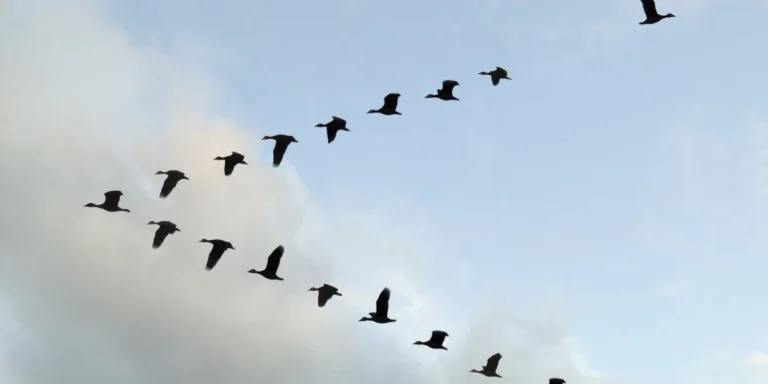
As the crisp autumn air arrives, many of us wonder about the natural world around us, particularly the journeys of our feathered friends. When the temperature drops and daylight shortens, a fundamental question arises: where do ducks go in winter? They don't simply vanish; instead, they undertake remarkable migrations driven by instinct and necessity, seeking out environments that can sustain them through the colder months.
This seasonal movement is a complex phenomenon, deeply rooted in the survival strategies of different duck species. While some hardy birds remain year-round in certain northern regions, the vast majority embark on journeys south to find open water and abundant food sources. Understanding these patterns is crucial for conservation and appreciating the intricate balance of ecosystems.
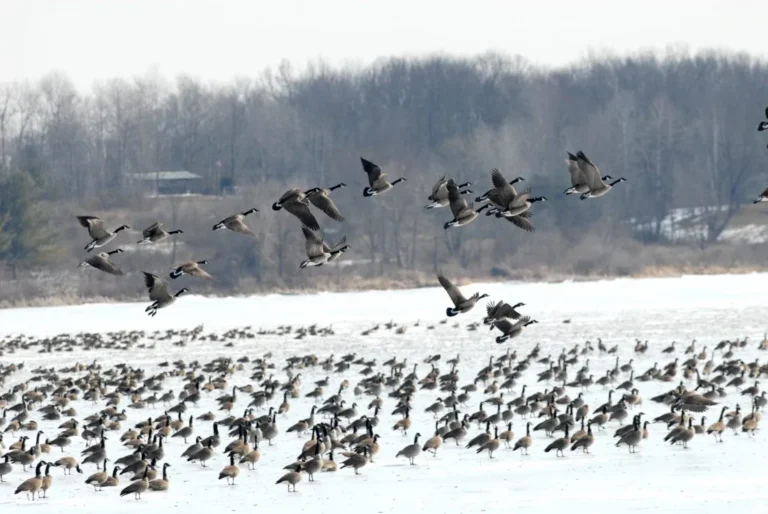
For instance, data from the U.S. Fish and Wildlife Service indicates that millions of waterfowl utilize specific migratory routes, known as flyways, each year.
Quick Answer
Ducks migrate south to find open water and food. They move from northern breeding grounds to milder wintering grounds. Key destinations include southern states, coastal wetlands, and Central America.
Species-specific needs and available habitat determine their exact wintering locations.
Why Duck Wintering Habits Matter: More Than Just a Bird Watch
Understanding where ducks go in winter isn't just for birdwatchers or nature enthusiasts; it has broader ecological implications. The health of duck populations directly reflects the condition of wetlands and aquatic ecosystems, which are vital for countless other species, including fish, amphibians, and insects. When we track duck movements, we're essentially monitoring the well-being of these critical habitats.
These seasonal migrations are finely tuned biological processes. Ducks rely on a combination of genetic programming and environmental cues to navigate thousands of miles. The resources available in their wintering grounds, such as aquatic plants, invertebrates, and safe roosting sites, are essential for their survival and for building the energy reserves needed to return north for breeding.
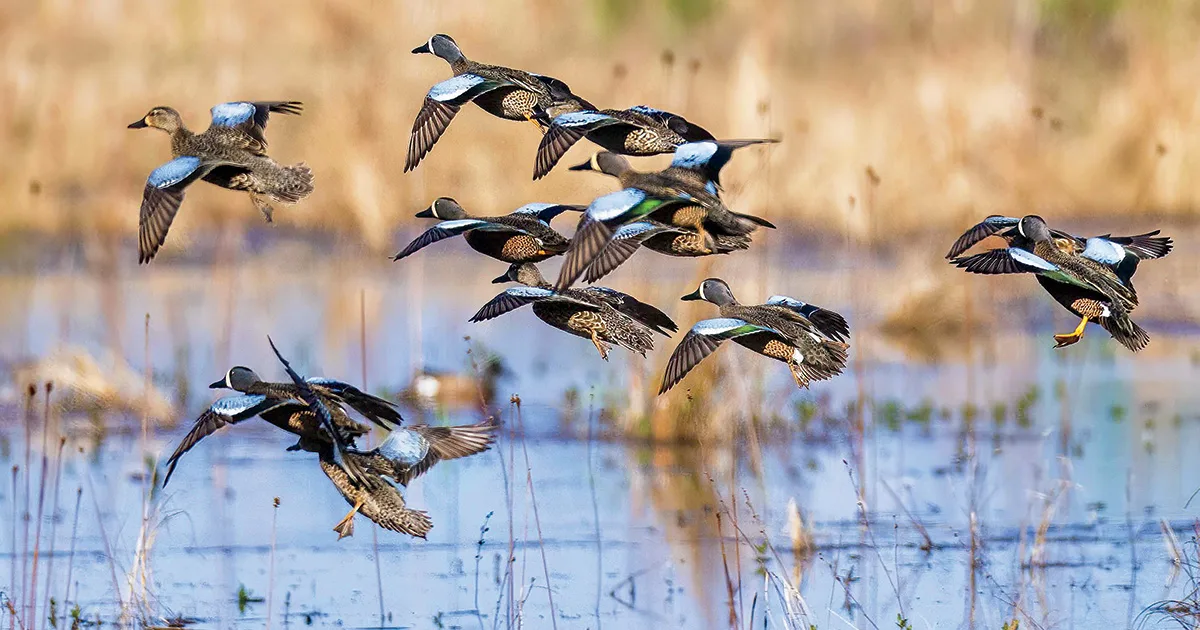
Image source: Bing (Web (fair-use with source credit))
Where Do Ducks Actually Go in Winter?
The answer to "where do ducks go in winter" is not a single location, but rather a vast network of habitats spread across different regions. Most duck species that breed in North America do not stay put when temperatures fall. Instead, they fly south from their northern breeding grounds to find areas where water remains unfrozen and food sources are plentiful.
These wintering grounds are diverse and depend heavily on the specific duck species. Dabbling ducks, like Mallards and American Wigeons, often favor shallow wetlands, marshes, and agricultural fields that retain some water and provide seeds and vegetation. Diving ducks, such as Canvasbacks and Redheads, seek out larger bodies of open water like lakes, reservoirs, bays, and estuaries where they can access submerged aquatic plants and invertebrates.
Many populations will travel to the southern United States, particularly along the Gulf Coast and Florida, while others venture further south into Mexico and Central America.
Key Factors Driving Duck Migration Decisions
Duck migration is a finely orchestrated event, guided by a complex interplay of environmental factors. These aren't random flights; they are strategic movements to ensure survival during months when northern resources become scarce. Instinct plays a huge role, but external conditions fine-tune the timing and destination.
Food Availability
Food is the primary driver for duck migration. As northern wetlands freeze over, access to aquatic vegetation, seeds, and invertebrates becomes extremely limited. Ducks need to move to areas where these food sources remain accessible.
For example, species like the Northern Pintail rely heavily on submerged aquatic vegetation found in milder waters. As of 2026, agricultural practices in southern regions, such as flooded rice fields, also create crucial winter feeding opportunities for many species.
Water Conditions
The presence of open, unfrozen water is non-negotiable for ducks in winter. Freezing temperatures can render bodies of water unusable, preventing ducks from feeding, resting, and escaping predators. Therefore, ducks are drawn to regions where water bodies consistently remain liquid throughout the winter months.
This often includes larger rivers, coastal bays, estuaries, and large lakes that are less prone to complete freezing.
Climate and Temperature
While food and open water are critical, the overall climate and temperature also play a significant role. Ducks are cold-hardy, but extreme and prolonged cold can become life-threatening, especially when combined with limited food resources. They seek out climates that offer a more temperate environment, reducing the energy they need to expend to stay warm, allowing them to focus on foraging and survival.
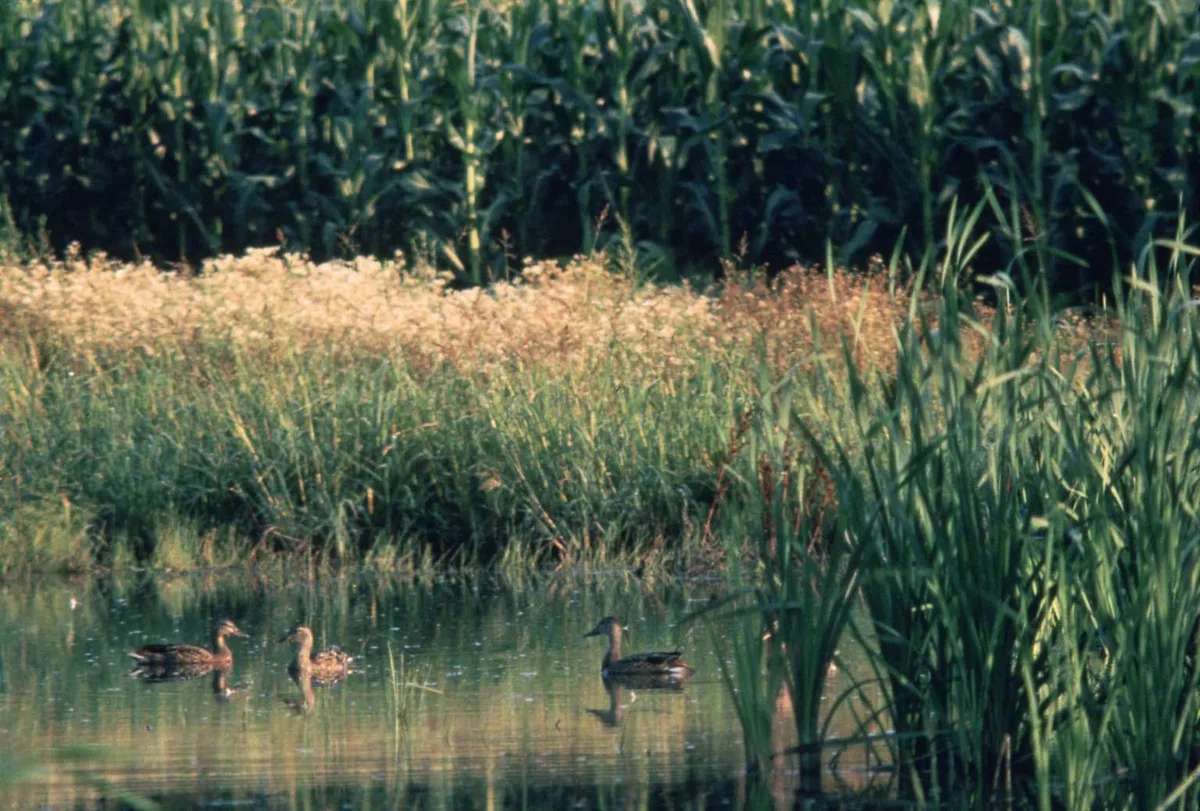
Image source: Bing (Web (fair-use with source credit))
The Risks and Realities of Duck Overwintering
While wintering grounds offer a vital refuge, they also present ducks with a new set of challenges. The journey itself is arduous, and once they arrive, ducks face threats that can impact their survival and the health of their populations. Understanding these risks helps us appreciate the resilience of these birds and the importance of conservation efforts.
Habitat Loss and Degradation
One of the most significant threats to overwintering ducks is the loss and degradation of their essential wetland habitats. As human populations grow and development expands, wetlands are frequently drained, filled, or altered for agriculture, industry, and urban sprawl. This reduces the available space for ducks to feed, rest, and avoid predators.
Coastal marshes, crucial for many species, are particularly vulnerable to rising sea levels and development pressures.

Image source: Bing (Web (fair-use with source credit))
Climate Change Disruptions
Climate change is increasingly impacting duck migration and overwintering. Warmer winters in some northern areas might allow some ducks to stay put longer, altering traditional migration patterns and potentially leading to mismatches with food availability. Conversely, more extreme weather events, such as prolonged droughts or unusually severe cold snaps, can devastate wintering grounds, leading to starvation or increased mortality.
Changes in precipitation also affect the water levels in crucial wetlands.
Human Impact on Wintering Grounds
Human activities, even those not directly involving habitat destruction, can negatively affect overwintering ducks. Increased boat traffic, recreational activities near sensitive areas, and even noise pollution can disturb ducks, forcing them to expend valuable energy by flushing from feeding or resting sites. This disturbance can reduce their ability to feed effectively and lower their overall condition, making them more susceptible to disease or predation.
Understanding and respecting these sensitive periods and locations is vital for minimizing our impact.
Staying Safe: Observing Ducks Responsibly
As you venture out to observe ducks in their wintering grounds, it’s important to do so in a way that doesn't harm them. These birds are often in a vulnerable state, conserving energy and relying on specific habitats. Our presence can inadvertently cause them stress or disrupt their essential winter routines.
Adhering to best practices ensures we can enjoy wildlife while protecting it.
Best Practices for Birdwatchers and Photographers
When observing ducks, always maintain a respectful distance. Use binoculars or a spotting scope to get a closer look without disturbing them. Avoid approaching nesting areas or where ducks are actively feeding or resting, especially during cold weather.
If ducks flush and fly away due to your presence, you are too close. Never feed wild ducks; their digestive systems are adapted to natural diets, and human food can cause serious health problems. It's also important to stay on designated trails and paths to minimize disturbance to surrounding habitats.
Understanding Wildlife Regulations
Many areas where ducks overwinter are protected habitats, such as national wildlife refuges or state parks. Familiarize yourself with the specific rules and regulations for these areas. These can include restrictions on accessing certain zones, limits on visitor numbers, or prohibitions on feeding wildlife.
Many ducks are also subject to the Migratory Bird Treaty Act, which protects them from hunting outside of regulated seasons. Understanding these legal frameworks ensures your activities are compliant and contribute to conservation efforts.
Expert Insights on Duck Wintering Patterns
The world of duck migration is incredibly complex, with variations seen not just between different species but also within populations of the same species. Expert ornithologists and wildlife biologists dedicate careers to unraveling these patterns, using everything from banding data to advanced GPS tracking to understand the nuances of where ducks spend their winters and why.
Species-Specific Strategies
Different duck species have evolved distinct strategies for winter survival. For example, dabbling ducks, like the American Black Duck, often utilize shallow wetlands and even flooded agricultural fields, consuming seeds and aquatic vegetation. Diving ducks, such as Buffleheads and Common Goldeneyes, are adapted for deeper water, where they pursue fish, crustaceans, and submerged plants.
The Ruddy Duck, a small diving duck, might be found in brackish coastal marshes, feeding on invertebrates. These specialized diets and habitat needs mean their wintering locations are often very different.
Regional Differences and Flyways
North America is divided into four major waterfowl flyways: the Atlantic, Mississippi, Central, and Pacific. Ducks breeding in different regions tend to follow these established migratory corridors. Ducks nesting in the northeastern United States and eastern Canada might migrate down the Atlantic Flyway to wintering grounds along the Atlantic coast and into the Caribbean.
Conversely, those breeding in the Midwest often use the Mississippi Flyway, heading towards the Gulf Coast. The Pacific Flyway sees birds from Alaska and western Canada traveling down the Pacific coast to California and Mexico. These flyways are not rigid paths but broad regions that guide millions of birds towards suitable overwintering locations.
What Happens If Ducks Can't Migrate?
When migration is hindered, either by environmental barriers or human interference, ducks face significant risks. For ducks that are programmed to migrate, being unable to do so can lead to starvation, freezing, or increased susceptibility to disease. For instance, if northern wetlands freeze earlier than usual and a duck hasn't yet begun its southward journey, it can become trapped.
This inability to migrate can also disrupt local ecosystems. If a species that typically overwinters elsewhere remains in a breeding area, it can put a strain on local resources not meant to support large numbers of waterfowl year-round. This can lead to competition with resident species and depletion of food sources.
Trapped by Early Freezes
A sudden, early freeze can catch many ducks off guard. If their usual escape routes are blocked by ice and snow, they may be forced to find any remaining open water, often in areas with limited food. This forces them into a precarious situation, conserving energy while desperately searching for sustenance.
This is particularly problematic for species that are less adaptable in their foraging habits.
Impact on Resident Populations
While some duck species are year-round residents in milder climates, others are strictly migratory. If migratory ducks are unable to reach their traditional wintering grounds, they may linger in areas that cannot sustain them. This can lead to increased competition with resident waterfowl for scarce resources like food and suitable roosting sites.
Such competition can stress both the migratory and resident populations.
How Do We Track Duck Migration?
Scientists use a variety of methods to track duck migration, helping us understand their movements and plan conservation efforts. These techniques have evolved over time, providing increasingly detailed insights into the incredible journeys these birds undertake each year.
Banding and Re-sighting
A long-standing method involves capturing ducks, attaching a unique metal band to their leg, and then releasing them. If a banded bird is later found or harvested, information from the band is reported. This provides data on migration routes, survival rates, and how far individuals travel.
It's a collaborative effort involving hunters, researchers, and the public.
Electronic Tracking Devices
More recently, miniaturized electronic devices have revolutionized our understanding.
- GPS Tags: These small devices, attached to the bird, record precise location data at regular intervals. They can transmit this data remotely, allowing researchers to map migration routes with high accuracy.
- Satellite Transmitters: Similar to GPS tags, these devices use satellites to transmit location data. They are particularly useful for tracking birds over vast oceanic distances or in remote areas where ground-based retrieval is difficult.
- Geolocators: These are very lightweight devices that record light levels throughout the day. By analyzing the patterns of light, scientists can estimate the bird's location based on sunrise and sunset times. They require recapture of the bird to download the data.
Protecting Duck Wintering Grounds
The conservation of duck populations hinges on protecting the habitats they rely on, especially during the critical winter months. Without safe, resource-rich wintering grounds, their ability to survive, reproduce, and continue their migratory cycles is severely jeopardized. Protecting these areas is a multifaceted effort involving government agencies, conservation organizations, and public cooperation.
Government Initiatives and Protected Areas
Federal and state agencies play a crucial role in safeguarding waterfowl habitats. The U.S. Fish and Wildlife Service, for example, manages a vast network of National Wildlife Refuges specifically designed to provide habitat for migratory birds.
These refuges often encompass key wetland areas that serve as vital stopover points or wintering grounds. For instance, many refuges along the Mississippi Flyway are critical for providing food and shelter to millions of ducks each year.
The Role of Conservation Organizations
Non-profit organizations are instrumental in habitat preservation and restoration. Groups like Ducks Unlimited and the National Audubon Society work to conserve wetlands through land acquisition, habitat restoration projects, and public education campaigns. They often collaborate with landowners to promote practices that benefit waterfowl, such as managing agricultural fields to provide food after harvest.
Their efforts directly contribute to maintaining the quality and availability of wintering habitats.
Individual Actions and Awareness
Even individual actions can make a difference. Supporting conservation organizations through donations or volunteering is impactful. Additionally, reducing your own environmental footprint helps protect wetlands generally.
Being mindful of disturbances near sensitive waterfowl areas and advocating for sound land-use policies are also important contributions to ensuring these vital habitats remain intact for future generations.
Frequently Asked Questions About Ducks in Winter
Do all ducks migrate south in winter?
No, not all ducks migrate. Some species, like Mallards and American Black Ducks, have populations that are year-round residents in certain regions if sufficient open water and food are available. However, the vast majority of duck species undertake southward migrations to escape harsh northern winters.
How far do ducks migrate?
The distance ducks migrate varies greatly by species. Some may only travel a few hundred miles, while others, like the Arctic Tern (though not a duck, an extreme example of bird migration), can travel tens of thousands of miles annually. Many common North American duck species migrate between 500 and 2,000 miles.
What kind of food do ducks eat in winter?
Winter diets vary by species. Dabbling ducks often feed on seeds, roots, and aquatic vegetation found in shallow waters or on flooded fields. Diving ducks target submerged plants, small fish, crustaceans, and insects found in deeper bodies of water.
Can humans help ducks survive the winter?
While direct feeding is discouraged due to health risks for ducks, humans can help by protecting and restoring wetland habitats. Supporting conservation organizations, reducing pollution, and being mindful of disturbances near waterfowl areas are crucial ways to ensure ducks have the resources they need to survive the winter.