How Do Penguins Care for Their Babies
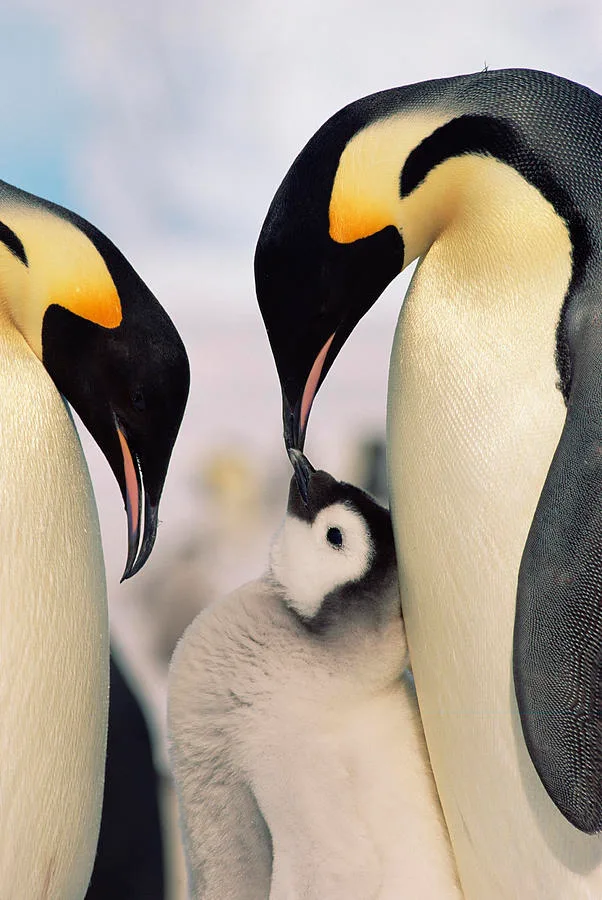
Image source: Bing (Web (fair-use with source credit))
The Penguin Parent's Essential Toolkit: Keeping Chicks Safe and Fed
If you've ever watched nature documentaries, you've probably seen those adorable, fuzzy penguin chicks and wondered how their parents manage to raise them in such challenging environments. How do penguins care for their babies through blizzards, treacherous seas, and long stretches of hunger? It's a masterclass in parental dedication, involving precise timing, incredible endurance, and unique adaptations.
These remarkable birds employ a sophisticated, multi-stage approach to ensure their offspring survive. From incubating precious eggs to feeding tiny mouths and later banding together in protective crèches, penguin parents rely on specific behaviors and biological resources. Per studies on avian reproductive strategies, successful chick rearing in extreme climates often hinges on highly specialized parental roles and efficient resource management, with penguin species demonstrating some of the most extreme examples of this.
Quick Answer
Penguin parents meticulously care for their babies by incubating eggs, then taking turns foraging at sea and brooding chicks on land. They feed chicks by regurgitating nutrient-rich stomach contents and form protective crèches for older young. This division of labor and dedicated feeding ensures chick survival in harsh conditions.
Why Visuals Paint the Whole Picture of Penguin Parenting
While we can describe the actions, the true heart of how penguins care for their young is often best understood visually. Observing how a parent shields its chick from biting winds, the precise angle of regurgitated food, or the sheer number of chicks huddled together in a crèche, brings the entire process to life. Visual cues highlight the physical demands and the instinctive behaviors that are critical for survival.
For instance, the subtle shift in a parent's posture as it tucks its chick under its belly, or the specific calls used to locate a mate among thousands, are details that text alone can struggle to convey fully. Understanding these visual aspects helps us appreciate the intricate social dynamics and the sheer effort involved in raising penguin chicks.
Hatching and the First Crucial Hours
The journey begins with incubation. For many penguin species, this means one parent sits on the egg for weeks, sometimes months, keeping it warm against the freezing ground or ice. When that moment arrives and a chick hatches, it's incredibly vulnerable.
Its downy fuzz offers little protection against the elements, and it relies entirely on its parents for survival.
- Delicate Arrival: Newly hatched chicks are blind and cannot regulate their own body temperature. They weigh mere ounces and are completely helpless.
- Immediate Warmth: The parent on the nest will immediately tuck the chick under its warm belly feathers, a critical step to prevent hypothermia. This is often the first major test for both chick and parent.
- First Sustenance: Within hours of hatching, the chick will receive its first meal, regurgitated by the parent. This initial feeding is vital for establishing the chick's strength and digestive system.
The Constant Warmth: Brooding and the Brood Pouch
Keeping the chick warm, especially in freezing temperatures, is a parent's top priority. This is where the specialized brood pouch comes into play. It's not a pouch in the marsupial sense, but rather a fold of abdominal skin with a rich blood supply that drapes over the egg or chick.
Image source: Web (Bing) / cults3d.com (Web image (fair-use with source credit))
- Unwavering Vigilance: For species like the Emperor Penguin, one parent will remain with the chick for the entire incubation period and well into the chick's early life, enduring brutal Antarctic winters. This means they won't eat for months, relying on stored body fat.
- Thermoregulation: The brood pouch acts like a natural incubator, maintaining a stable temperature for the chick. This is essential as the chick’s own thermoregulation system is still developing.
- Parental Sacrifice: This period demands immense sacrifice from the brooding parent, showcasing the depth of their commitment. They endure extreme hunger and harsh weather to ensure their chick's survival.
The Great Foraging Mission: Parental Shifts at Sea
Once the chick is a bit older and can tolerate being left alone for short periods, or when the brooding parent's reserves are depleted, the crucial foraging trips begin. This is a high-stakes operation, requiring immense physical effort and navigation skills from the parents.
- Journey to the Ocean: The parent not currently brooding will waddle, slide, and swim significant distances to reach the ocean, their feeding grounds. This journey itself can be perilous, exposing them to predators and harsh conditions.
- Feeding Frenzy: At sea, penguins are incredibly efficient hunters, diving deep to catch fish, krill, and squid. They gorge themselves, storing food in their stomachs to bring back to their waiting chick.
- The Exchange: Upon returning to the colony, the foraging parent locates its mate and chick. After a reunion, the food is regurgitated and fed to the chick. Then, the roles typically switch, with the parent that just fed switching to brood duty while the other heads back to sea. This cycle can repeat for weeks or months.
Feeding Time: The Regurgitated Ritual
The way penguins feed their young is one of the most distinctive aspects of their parental care. It's a highly efficient and tailored method designed to deliver maximum nutrition with minimal effort from the chick.

Image source: Web (Bing) / in.pinterest.com (Web image (fair-use with source credit))
- What's on the Menu? The food is semi-digested, meaning it's partially broken down in the parent's stomach. This makes it easier for the chick to digest and absorb nutrients.
- The Delivery: The parent will often prod its beak into the chick's throat to deliver the food. This might look aggressive, but it's a precise and gentle action essential for the chick's survival.
- Nutrient-Rich Fuel: The regurgitated meal isn't just fish. It often contains a "crop milk", a substance produced in the parent's digestive tract, rich in fats and proteins, crucial for rapid chick growth. Research indicates this crop milk can be a significant energy source in the early stages. Per studies published in ornithological journals, this specialized milk is vital for chicks in species where parents undertake lengthy foraging trips.