How Do Egrets Catch Fish
Ever watched an egret standing perfectly still by the water, looking like a statue, and then suddenly BAM! A fish is caught? It’s pretty amazing, right?
They make it look so easy, but there's a whole lot of science and skill behind their fishing game. As someone who's spent time watching these elegant birds, I can tell you it’s a fascinating mix of strategy and instinct.
So, how exactly do these birds, with their long legs and sharp beaks, snag their slippery meals? It's not just random luck; they've got some pretty clever methods down pat. Our research shows that egrets employ a variety of techniques honed over generations.

Image source: iNaturalist / Irene
Quick Answer
Egrets catch fish by patiently stalking shallow waters, then striking with incredible speed and accuracy. They use their keen eyesight to spot prey and their long, sharp beaks to spear or snatch it. Different egret species have slightly varied hunting styles but all rely on a combination of stealth and rapid reflexes.
The Egret's Hunting Toolkit: Features That Make Them Fishers
Egrets are perfectly built for their life as aquatic hunters. Their physical characteristics are not accidental; they are finely tuned adaptations that allow them to thrive in wetlands and shallow water environments. Think of them as nature’s specialized fishing gear.
Long Legs for Wading
One of the most striking features of an egret is its long, slender legs. These aren't just for show; they allow the bird to wade comfortably and efficiently through water that would be too deep for many other birds. This enables them to access prime hunting grounds where fish congregate in shallower areas, undisturbed by larger predators.
The length also helps keep their bodies higher and drier, crucial for maintaining body temperature and allowing for quicker movements when necessary.
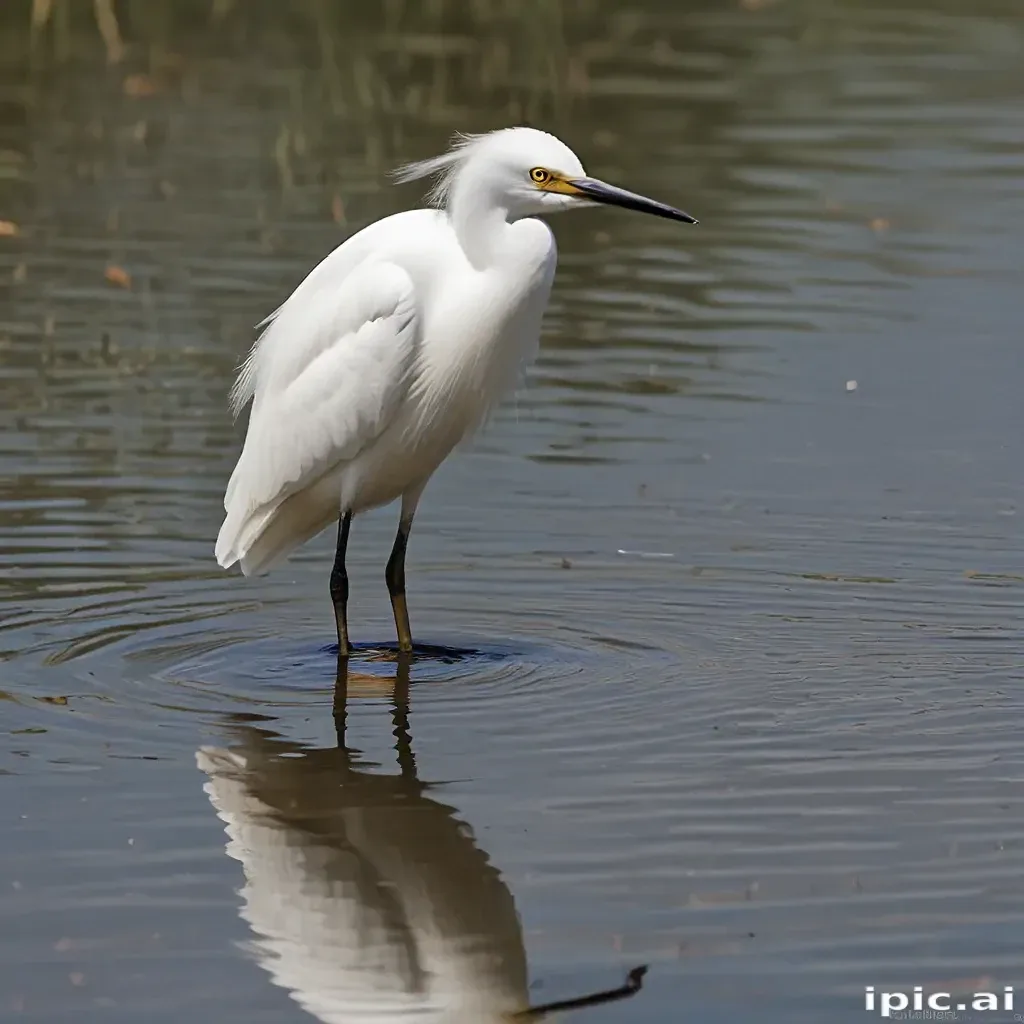
Image source: Bing (Web (fair-use with source credit))
Sharp Beaks for Spearing
The beak of an egret is its primary tool for catching fish, and it's a marvel of natural engineering. It's typically long, straight, and dagger-like, with a sharp, pointed tip. This shape is ideal for spearing slippery fish with pinpoint accuracy.
When an egret strikes, its beak can penetrate the fish's scales and flesh, securing a firm grip. This specialized beak minimizes the chance of prey escaping once it's been targeted.
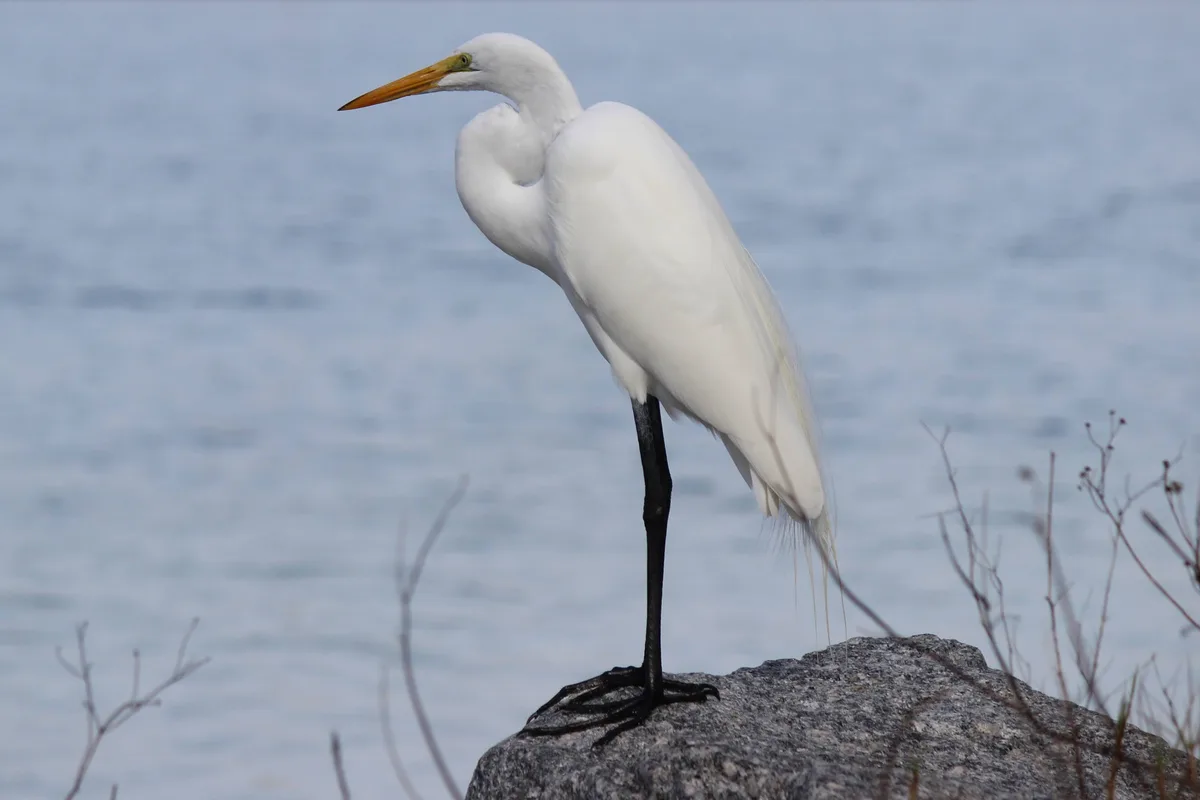
Image source: Web (Bing) / tobeholdthebeauty-al.blogspot.com (Web image (fair-use with source credit))
Keen Eyes for Spotting Prey
A hunter is only as good as its senses, and egrets possess exceptional eyesight. Their eyes are positioned on the sides of their heads, providing a wide field of vision to scan for movement in the water. Research indicates that egrets can detect subtle disturbances or the visual cues of fish even in murky or reflective water conditions.
This ability to spot prey from a distance and at various angles is fundamental to their hunting success.
Flexible Necks for Rapid Strikes
The egret’s long neck is perhaps its most dynamic hunting feature. It acts like a powerful, spring-loaded mechanism. This anatomical advantage allows the bird to extend its neck and strike with lightning speed.
The neck's flexibility and the rapid muscle action enable a sudden lunge that covers a surprising distance in an instant. This speed is critical for catching fast-moving fish that might otherwise evade a slower attack.
The Stalk: Mastering Stillness and Stealth
The initial phase of an egret’s fishing strategy is all about patience and control. It's less about aggressive pursuit and more about becoming one with its environment. This "stalking" phase is where the bird uses its stillness to its greatest advantage.
Egrets will enter shallow water and begin to move very slowly, often with a deliberate, measured pace. They might pause for extended periods, standing completely motionless. This isn't just resting; it's an active form of observation and waiting.
By remaining still, they avoid creating ripples or vibrations that could alert potential prey. Fish, being highly sensitive to their surroundings, are easily spooked by sudden movements.
During the stalk, the egret's head is usually held low, scanning the water surface and just below. Their keen eyesight is put to the test here, looking for any tell-tale flick of a tail or the shadow of a swimming fish. Their white plumage can also act as camouflage against the bright sky or water surface when viewed from below by the fish, making them less conspicuous.
This careful, almost meditative approach allows them to get into the optimal position before the decisive strike.
The Strike: A Flash of Speed and Accuracy
Once an egret has identified a target, its entire demeanor shifts from serene stillness to explosive action. This is the moment of truth, where all the careful stalking culminates in a lightning-fast strike. The transition is so abrupt it can be startling to observe.
The egret's neck extends with incredible velocity, propelling its sharp beak towards the intended prey. This strike is not a wild stab; it is incredibly precise. Based on observations documented by ornithological studies, egrets often aim for the midsection or head of the fish to ensure a firm capture.
The speed of the strike is astonishing, often measured in milliseconds, making it extremely difficult for even quick-moving fish to evade.
The beak's pointed, spear-like design is crucial here. It penetrates the fish's body, preventing it from wriggling free. If the fish is caught by the tail or slips, the egret will often readjust its grip with a quick secondary jab or snap.
This combination of speed and precision is what allows egrets to be such effective fishers in their natural habitats.
Different Egrets, Different Approaches
While the fundamental principles of patient stalking followed by a swift strike apply to most egrets, there are some fascinating variations in hunting style depending on the specific species. It’s like different chefs having their own signature way of preparing the same main ingredient. These variations often relate to their size, habitat preference, and overall foraging strategy.
Great and Snowy Egrets: The Classic Waders
The Great Egret and the Snowy Egret, two of the more commonly recognized egret species, largely embody the classic fishing techniques. They are frequently observed wading in shallow wetlands, marshes, and along the edges of lakes and rivers. Their long legs allow them to stand in deeper water, while their stalking behavior is highly refined.
They’ll often use slow, deliberate steps, pausing for significant periods, scanning the water with their sharp eyes. The Snowy Egret, being smaller, might employ more active foot-stirring to disturb small fish, but its strike remains a quick, accurate jab.
Cattle Egrets: Opportunistic Hunters
Cattle Egrets, however, present a slightly different picture. While they do consume fish, their diet is more varied, often including insects, amphibians, and small reptiles. Their hunting grounds are also frequently more terrestrial.
They are known for following livestock, such as cattle, because the animals' movements stir up prey from the grass. This symbiotic relationship means Cattle Egrets often forage in fields and pastures, snatching insects or small vertebrates disturbed by the larger animals. When they do hunt fish, it’s often in more temporary water sources or areas where other animals have flushed out prey.
This opportunistic nature makes them a bit more versatile than their purely aquatic-focused cousins.
Common Mistakes Egret Hunters Avoid
Even with all their natural advantages, egrets can still miss their chance to catch a meal. Experienced egrets, or those in challenging conditions, have learned to avoid certain common pitfalls. Understanding these mistakes can give you a deeper appreciation for the skill involved.
One frequent error is being too hasty. An egret might strike too early, before the fish is within optimal range, or before it’s sure of its target. This results in a missed opportunity and often scares the fish away.
Another mistake is misjudging water depth or current, which can lead to an unbalanced strike or a loss of footing. Egrets that fail to adapt their pace to the water conditions are less successful.
The visual cues of the water itself can also lead egrets astray. Reflections on the surface can sometimes make small disturbances look like prey, or a shimmering scale can be mistaken for a fish. Over-excitement or impatience can cause an egret to break its stealthy approach too soon.
For a successful catch, an egret must maintain its focus and execute its strike with measured, controlled aggression, not just enthusiasm.
Watching Egrets Fish: A Real-World Scenario
Imagine standing quietly by a pond on a sunny afternoon. You spot a Great Egret standing near the edge, its long, white form almost blending with the reeds. It's been motionless for several minutes, its head tilted slightly, eyes fixed on a particular spot in the shallow water.
You can see a subtle twitch in its leg, perhaps an involuntary response to an unseen disturbance or a moment of intense concentration.
Suddenly, its neck extends like a released spring. The movement is so fast you almost miss it. In a blur, its beak plunges into the water.
A moment later, the egret lifts its head, and you see a small sunfish, thrashing, held firmly in its beak. The egret then walks a few steps further from the water's edge, tosses the fish slightly into the air, repositions it, and swallows it whole with a quick gulp. This entire sequence, from the strike to the swallow, might take less than ten seconds.
This scenario, observed frequently in natural settings, highlights the interplay of patience, visual acuity, and rapid physical response. It’s a direct demonstration of how an egret’s evolved traits translate into effective predation. The successful capture here isn't just luck; it's the result of practiced technique.
Frequently Asked Questions About Egret Fishing
How long does an egret typically stalk its prey?
The stalking period can vary greatly, from mere seconds to many minutes. Egrets will remain still for as long as it takes to gain a tactical advantage or for the prey to become vulnerable. This patience is a key component of their hunting strategy.
Can egrets catch fish in deep water?
Egrets are primarily wading birds, so they are most effective in shallow waters where they can stand and stalk. While they might occasionally snatch a fish from slightly deeper areas, their hunting method is best suited for depths where they can comfortably reach the bottom with their beaks.
What happens if an egret misses a fish?
If an egret misses its strike, it will typically re-steady itself and resume its patient observation. However, a missed strike often means the fish is alerted and will swim away, requiring the egret to find a new target. Repeated misses can lead to increased energy expenditure and less successful foraging.