Do Parrots Understand Human Words
Ever looked at your parrot and wondered if they get what you're saying? It's a question a lot of us parrot parents ponder! We hear them mimic so many sounds, but does that mean they understand the meaning behind the words we use?
Honestly, it's a bit more complicated than a simple yes or no. But the short answer is: Yes, in their own way, some parrots can develop a deep understanding of human words and concepts. They're not just feathered sound recorders; they're capable of genuine cognitive feats that surprise even seasoned researchers.
Quick Answer
Parrots can understand human words through association and context. They link sounds to objects, actions, and situations, and some use words intentionally. While not all parrots exhibit deep comprehension, research confirms their capacity for understanding is far beyond simple mimicry.
This understanding is fostered through consistent interaction and environmental enrichment.
The Core Facts: What "Understanding" Means for Your Parrot
When we talk about parrots understanding, we're not talking about them grasping complex philosophy or doing calculus in their tiny bird brains. Instead, their understanding manifests in several key ways that demonstrate remarkable cognitive ability for a non-human animal. It's about building connections and using language purposefully.
Association, Context, and Intent
This is where the real magic happens. Parrots learn to associate specific sounds (words) with specific things or actions. For instance, hearing "apple" becomes linked to the visual and taste of that particular fruit.
This is associative learning.
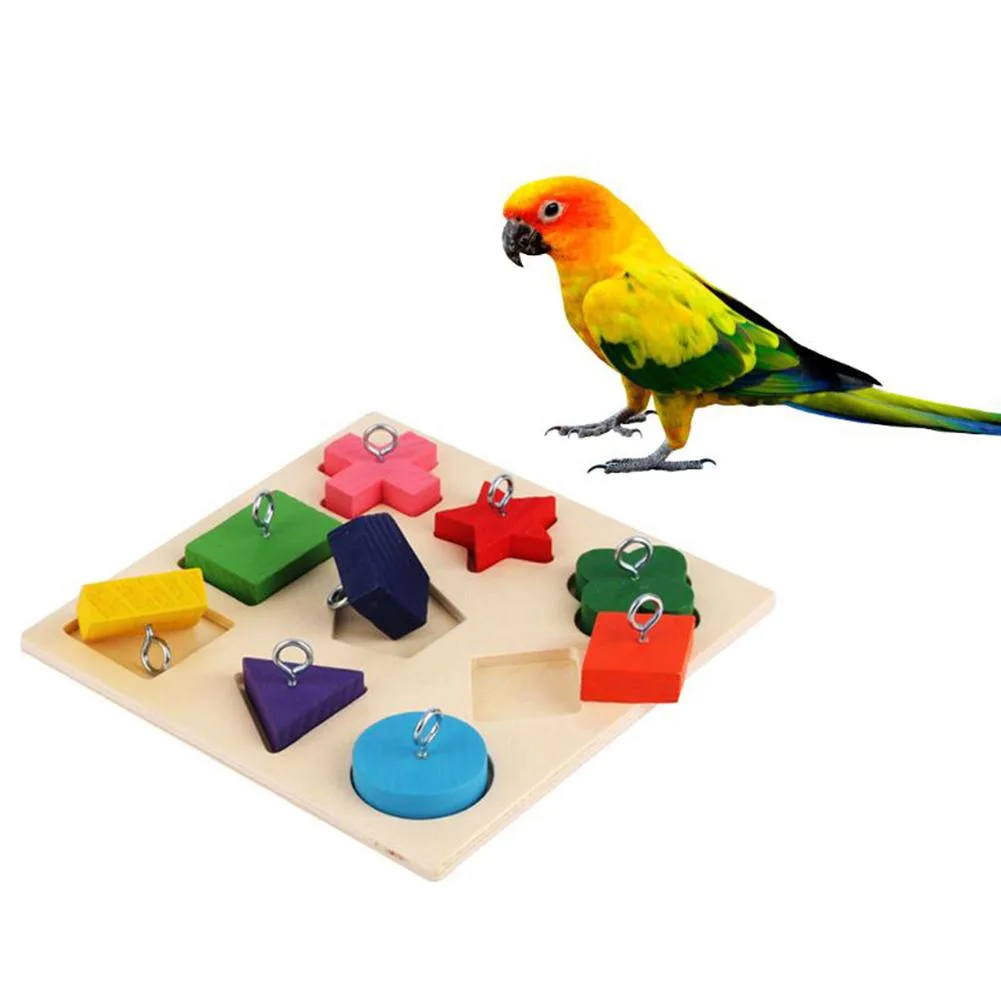
Image source: Bing (Web (fair-use with source credit))
They also grasp context. A parrot might learn that "good morning" is a greeting used when you wake up, or "bath time" signals an upcoming spray of water. This contextual awareness shows they're not just repeating sounds randomly.
Finally, and perhaps most impressively, is intentional communication. This is when a parrot uses a word or phrase to express a need, desire, or observation. For example, saying "want cracker" when hungry, or "hello" when a new person enters the room.
This demonstrates they understand how words can influence their environment and get them what they want.
Beyond Just Mimicry: Signs of True Comprehension
How do we know it's more than just a parrot being a talented mimic? Scientists look for specific behaviors that go beyond rote repetition. One famous example is Dr.
Irene Pepperberg's work with an African Grey parrot named Alex. Alex could not only identify over 50 different objects but also count them, describe their colors and shapes, and use verbs and nouns in novel combinations. His ability to use words to ask for what he wanted or to label things correctly in new contexts showed a level of understanding that researchers verified.
As of 2026, the scientific community widely accepts that certain avian species possess sophisticated cognitive abilities.
How Parrots Learn and Understand Words
The journey from hearing a sound to understanding a word is a fascinating process for parrots. It's a complex interplay of their natural abilities, their environment, and the effort we put into interacting with them. Understanding this process helps us appreciate their intelligence even more.
The Role of Species and Individual Differences
Not all parrots are created equal when it comes to vocal learning and cognitive skills. Some species, like African Greys, Amazon parrots, and certain cockatoos, are renowned for their advanced abilities in understanding and using human language. These species often have larger brain-to-body size ratios and specific neurological structures that support vocal learning.
However, even within these species, individual differences play a huge role. Just like people, some parrots are naturally more curious, observant, or inclined to "talk" than others. Genetics, early life experiences, and exposure to language all contribute to how well an individual parrot learns.
It's a bit like asking if all humans are equally gifted linguistically, the answer is no, and the same applies to our feathered friends.
Your Role: How Interaction Shapes Understanding
This is arguably the most crucial element. A parrot's environment and the amount of interaction it receives are massive drivers of its language comprehension. Consistent, engaging communication from their human flock is key.
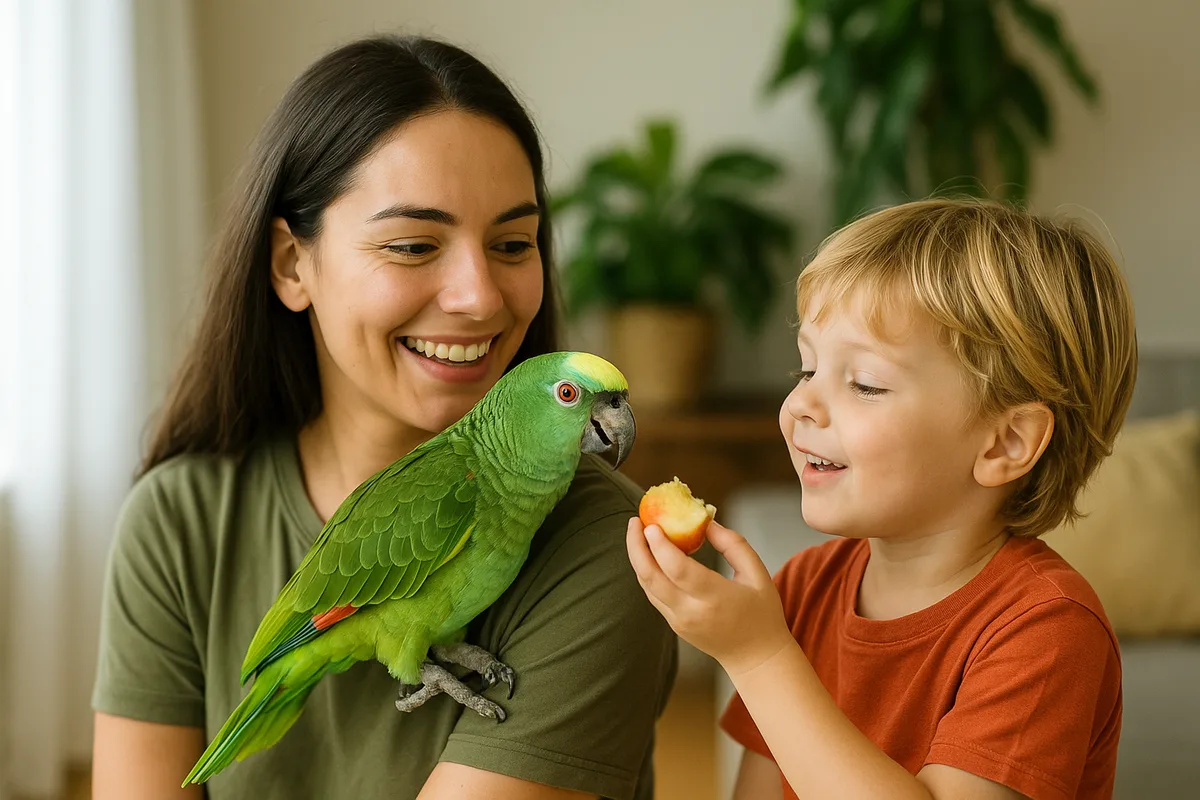
Image source: Bing (Web (fair-use with source credit))
When we consistently use words in specific contexts, parrots begin to build those crucial associations. For example, always calling a specific toy by the same name, or using "goodbye" only when leaving. This repetition helps them make the connection between the sound and its meaning.
Talkative parrots often come from homes where they are treated as active members of the family, included in conversations, and given ample mental stimulation. Without this active engagement, even a naturally gifted bird might not develop its full potential for understanding.
What Does True Understanding Look Like? Real-World Clues
Spotting true understanding in your parrot can be incredibly rewarding. It's not always obvious, and sometimes it's subtle, but certain behaviors signal that they're more than just repeating sounds. These are the moments that show their cognitive abilities at work.
Using Words in Novel Ways
One of the strongest indicators of understanding is when a parrot uses a word or phrase in a context it wasn't explicitly taught for. Imagine you've taught your parrot the word "apple" for a red apple. If they then use "apple" to describe a yellow toy because it's the same color, they're showing they've grasped the concept of "yellow," not just the word for a specific fruit.
This shows a level of abstraction. They're connecting the word to an attribute (color, shape) rather than just a single object. This ability to generalize and apply learned words to new situations is a hallmark of genuine comprehension, as documented in numerous avian cognition studies.
Communicating Needs and Desires
When a parrot learns to ask for specific things, it's a clear sign they understand the power of language. This goes beyond simply mimicking a treat-related sound. It's about them actively initiating the request.
For instance, a parrot might learn to say "water please" when their dish is empty, or "out" when they want to leave their cage. This isn't random; it's a learned behavior that gets them a desired outcome. This intentionality suggests they understand that vocalizations can manipulate their environment and fulfill their needs.
It’s a sophisticated form of communication that reflects a deep level of cognitive processing.
Are There Risks? When Misunderstanding Causes Problems
While it's exciting to believe our parrots understand us, there are potential pitfalls to be aware of. Misinterpreting their abilities or applying human-centric expectations can sometimes lead to unintended negative consequences for the bird.
The Danger of Anthropomorphism
Anthropomorphism is the tendency to attribute human emotions, thoughts, and intentions to non-human animals. With parrots, this can manifest as believing they understand abstract human concepts like love, jealousy, or complex social dynamics in the way we do. While parrots certainly form strong bonds and exhibit complex social behaviors, applying human-level reasoning to them can be misleading.
It can lead owners to misunderstand their parrot's behavior, attributing human motives where simpler biological or learned responses are at play. For example, a parrot might nip out of fear or overstimulation, but an owner might interpret it as a sign of "anger" akin to human rage. This can hinder effective training and care.
Impact on Parrot Welfare
When owners overestimate their parrot's understanding, it can impact the bird's overall welfare. For instance, expecting a parrot to understand complex "rules" or to consistently behave in ways that are unnatural for its species can lead to frustration for both bird and owner. This frustration can result in behavioral problems like feather plucking or increased aggression.
Research from organizations focused on avian welfare suggests that providing a species-appropriate environment with plenty of mental stimulation and positive reinforcement is crucial. Misunderstanding a parrot's cognitive limits can lead to insufficient enrichment, improper training, or unrealistic expectations. This, in turn, can create a stressful living situation for the bird, impacting its physical and psychological health.
Key Takeaways for Parrot Parents
Understanding your parrot's cognitive abilities is crucial for a happy, healthy relationship. It's about appreciating their unique intelligence and interacting with them in ways that respect their nature. Focusing on the right things can make a world of difference for both you and your feathered friend.
Focusing on the Bond, Not Just the Words
While it’s tempting to aim for a parrot that can hold a full conversation, the real value lies in the connection you build. Consistent communication, even if it’s just a few repeated phrases, strengthens your bond. When you use words predictably and respond to their vocalizations, you create a shared language.
This shared language isn't about complex grammar; it's about trust and mutual understanding. Even if your parrot is just associating a sound with a positive outcome, that's a win. The effort you put into consistent, positive interaction is what truly matters for a strong, lasting relationship.
It enriches both your lives.
When to Consult an Expert
Most of the time, your interactions with your parrot will be straightforward and enjoyable. However, there are times when seeking professional advice is the best course of action. If you notice sudden, drastic changes in your parrot's behavior, or if you're struggling with persistent issues like aggression or excessive screaming, it’s worth reaching out for help.
Avian behaviorists or veterinarians specializing in birds can offer tailored guidance. They can help differentiate between normal vocal learning and potentially problematic behaviors. They can also provide species-specific insights into cognitive development and suggest training strategies that respect your parrot's natural intelligence and instincts.
Consulting them ensures you're providing the best possible care.