Canada Goose Facts
If you’ve spent any time at a local pond or park, you’ve likely encountered Canada geese. These iconic birds are a familiar sight across North America, and learning essential Canada goose facts can help you understand why they act the way they do.
As of 2026, researchers observe that these birds have adapted remarkably well to suburban environments. They often choose golf courses or city parks because these spaces offer plenty of grass and few natural predators.
Quick Answer
Canada geese are large waterfowl with distinct black necks and white chinstraps. They feed primarily on grasses, grains, and aquatic plants. These birds often form lifelong pairs with a single mate.
Many populations have shifted from migratory to resident behavior in urban areas. You should keep a respectful distance to avoid aggressive territorial displays.
Identifying the Canada Goose in the Wild
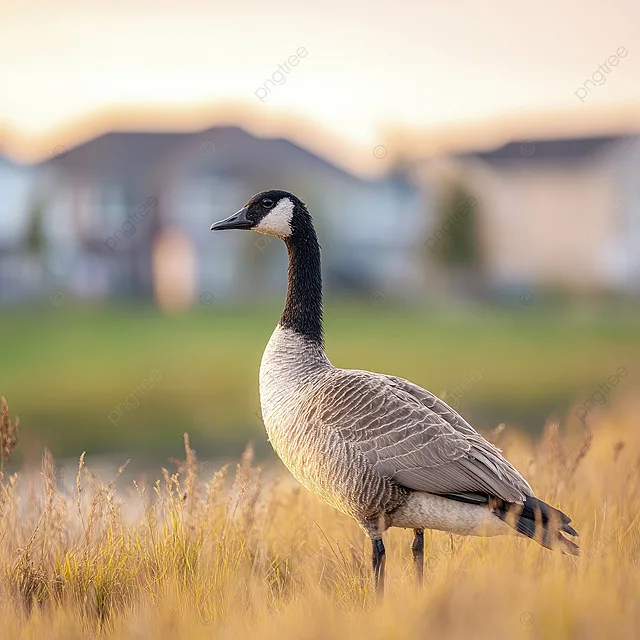
Image source: Bing (Web (fair-use with source credit))
Correct identification starts with looking for the trademark markings that separate the Canada goose from other waterfowl. The most prominent feature is the long black neck, which contrasts sharply with a brown-gray body. Look for the white chinstrap patch that runs from the ears down under the throat.
You will notice these birds vary in size depending on the specific subspecies. The classic large Canada goose is unmistakable, but smaller versions like the Cackling goose exist in certain regions. They share the same pattern but appear more compact with a shorter neck.
Size is often the best indicator for identification in the field. A full-grown Canada goose typically stands between 30 to 43 inches tall with a wingspan of up to 75 inches. When you see them on the water, they hold their necks straight and tall, unlike ducks that often appear more rounded or slumped.
Decoding the Behavior of Resident and Migratory Populations
Not every Canada goose follows the same migration schedule. We typically categorize them into two groups: migratory and resident populations. Migratory geese follow established seasonal paths, traveling hundreds or thousands of miles to reach warmer climates for the winter.
Resident geese, however, have largely abandoned this long-distance travel. Because they find consistent food sources and shelter in suburban landscapes, they remain in the same area year-round. This shift in behavior has led to an increase in goose populations in human-dominated areas.
The United States Fish and Wildlife Service notes that these resident populations often thrive in managed landscapes. These birds have learned that manicured grass is an ideal food source. Since they don't expend energy on long migrations, they can start nesting earlier than their wild counterparts.
| Population Type | Migration Habit | Primary Habitat |
|---|---|---|
| Migratory | Seasonal long-distance | Wetlands, marshes, fields |
| Resident | Year-round local | Parks, golf courses, lawns |
Understanding the Mechanics of the V-Formation and Flight

Image source: Web (Bing) / pngtree.com (Web image (fair-use with source credit))
When you see a flock of geese flying, they almost always move in a classic V-shape. This isn't just for organization. The V-formation is an aerodynamic strategy that helps the entire group conserve energy during long flights.
Each bird in the formation flies slightly to the side and behind the one in front of it. This position allows them to take advantage of the upwash generated by the lead bird's wings. By drafting, the trailing birds significantly reduce their own wind resistance and energy expenditure.
The role of the leader is taxing, so they rotate throughout the flight. Once the lead goose gets tired, it drops to the back of the formation to rest in the easier air currents. Another goose moves forward to take the lead.
This collective effort allows the flock to cover vast distances efficiently.
Managing Human-Wildlife Interactions and Territorial Behavior
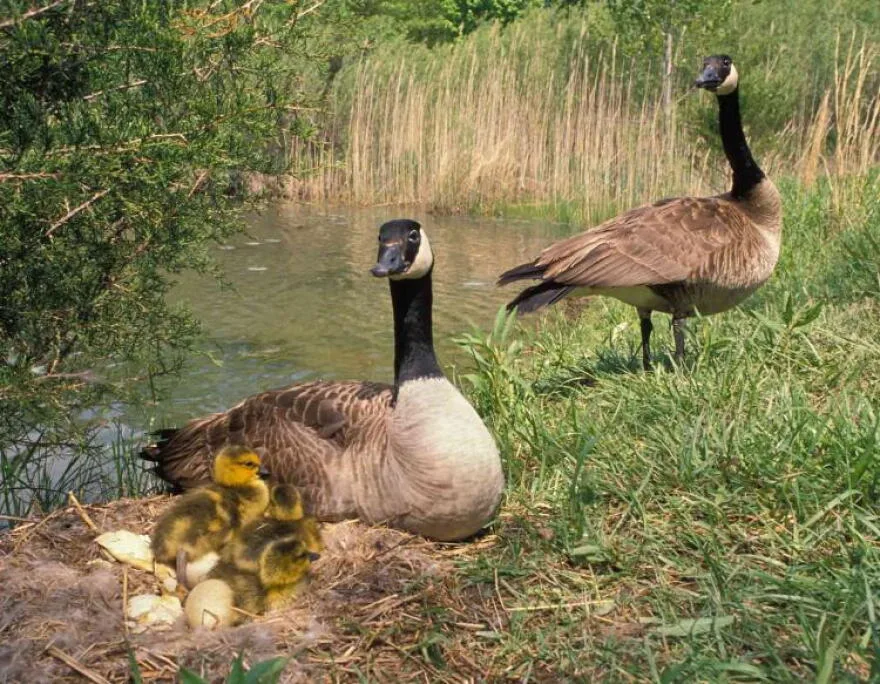
Image source: Bing (Web (fair-use with source credit))
Goose aggression is almost always linked to the protection of their young. During the spring, you might notice geese becoming much more vocal or protective of their nesting sites. If you get too close, they may hiss, stretch their necks out, or even rush toward you.
This behavior is a defensive instinct, not a predatory attack. The birds are simply trying to ensure their goslings stay safe from perceived threats. If you encounter a defensive goose, the best strategy is to back away slowly.
Avoid making sudden movements or direct eye contact, as they interpret this as a challenge.
Never attempt to feed them to calm them down. Hand-feeding creates an unnatural association between humans and food, which makes the birds less afraid of people. This leads to long-term conflict, as the geese may begin to harass visitors in search of handouts.
Protecting Local Habitats: Environmental Impact and Best Practices
Protecting your local habitat involves recognizing the role geese play in the ecosystem. While they are often viewed as pests in parks, they are a natural part of the wetland food chain. They help transport seeds and contribute nutrients to the soil through their grazing.
However, overpopulation in small, enclosed areas can lead to poor water quality. If you own property with a pond, you can discourage geese from settling by modifying the landscape. Geese dislike tall, dense vegetation at the water's edge because it prevents them from seeing predators.
- Plant native shrubs: Create a barrier of dense, tall plants around the shoreline.
- Limit mowed lawn space: Reduce the amount of open, grassy areas right next to the water.
- Avoid artificial feeding: Keep human food out of the reach of birds to encourage natural foraging behaviors.
These simple changes encourage geese to move to more suitable, wilder environments. By creating these natural deterrents, you maintain a cleaner space without having to resort to harmful or intrusive management methods.
Legal Protections and Wildlife Compliance
Canada geese are protected species under the Migratory Bird Treaty Act in the United States and similar legislation in Canada. These laws prevent individuals from harming the birds, their nests, or their eggs. You cannot legally trap or relocate them without explicit authorization from the relevant government agency.
If you are dealing with significant nuisance issues, you must check local regulations before taking any action. The United States Department of Agriculture provides guidance for property owners struggling with excessive population density. Their programs focus on non-lethal management strategies rather than removal.
Most compliance guidelines emphasize that you shouldn't interfere with active nests. Harassment that causes injury is a federal offense. If you have concerns about the population on your property, reach out to your state wildlife agency or a professional wildlife control operator.
They understand the specific permits required for legal intervention.
Frequently Asked Questions About Canada Geese
Do Canada geese ever sleep on the water?
Yes, they frequently sleep while floating on the water to stay safe from land-based predators like foxes or coyotes. When they are on land, they often sleep on the banks or in open fields where they can spot threats from a distance. They typically tuck their heads into their feathers to conserve heat.
Why do some geese stay through the winter?
Resident geese stay put when they find consistent food and open water throughout the winter. Because they don't have a biological need to fly south for survival, they lose the urge to migrate. These populations often thrive in suburban areas where lawns are kept short and ponds don't freeze over completely.
Are Canada geese dangerous to pets?
They can be defensive if your pet gets too close to their nesting site or their goslings. While they rarely seek out a fight, they will charge and flap their wings if they feel their family is threatened. Always keep your dog on a leash when walking near areas where geese are present.
How do you tell the difference between a male and female?
It is very difficult to tell them apart just by looking at them. The males and females have identical markings and coloring. You can usually only distinguish them by their behavior, especially during the nesting season.
The male often stands guard nearby while the female sits on the nest.
What should I do if I find an injured goose?
Do not try to handle or treat the bird yourself, as wild animals can carry diseases and react unpredictably. Instead, contact a licensed local wildlife rehabilitator or your state fish and wildlife department for professional advice. They have the training and equipment to provide safe transport and care.