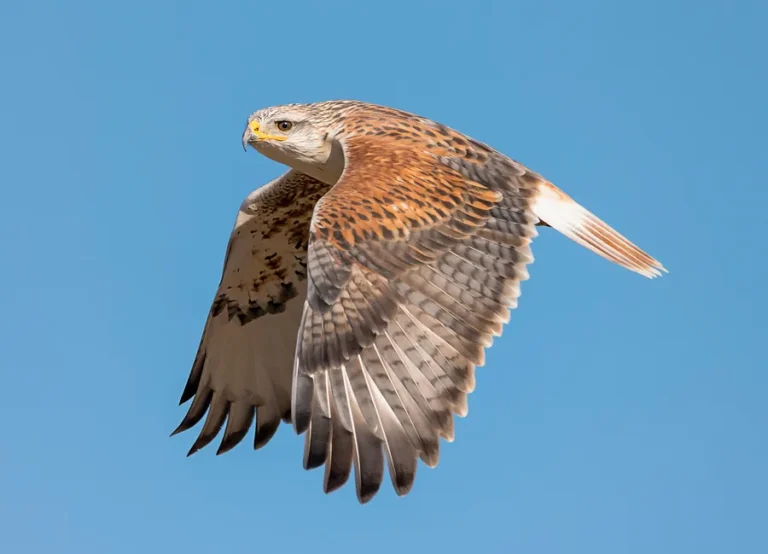
What Do Great Blue Herons Eat
Ever wondered what those tall, elegant Great Blue Herons are up to when they're standing so still by the water? Their impressive presence is matched by an equally impressive ability to find food. Figuring out what do Great Blue Herons eat reveals a lot about their survival skills and the health of their environments.
From research conducted by ornithological societies, we know their diet is varied and opportunistic, adapting to what's available. As of 2026, their feeding habits remain a key indicator of wetland ecosystem vitality, with fish making up a significant portion of their intake, alongside amphibians and insects. This focus on their diet naturally leads us to understand their hunting strategies.
Quick Answer
Great Blue Herons primarily eat fish, but they also consume amphibians, insects, small mammals, and crustaceans. They are opportunistic hunters, adapting their diet to the most readily available prey in their wetland habitats. Their diet is crucial for their survival and reflects the health of their environment.
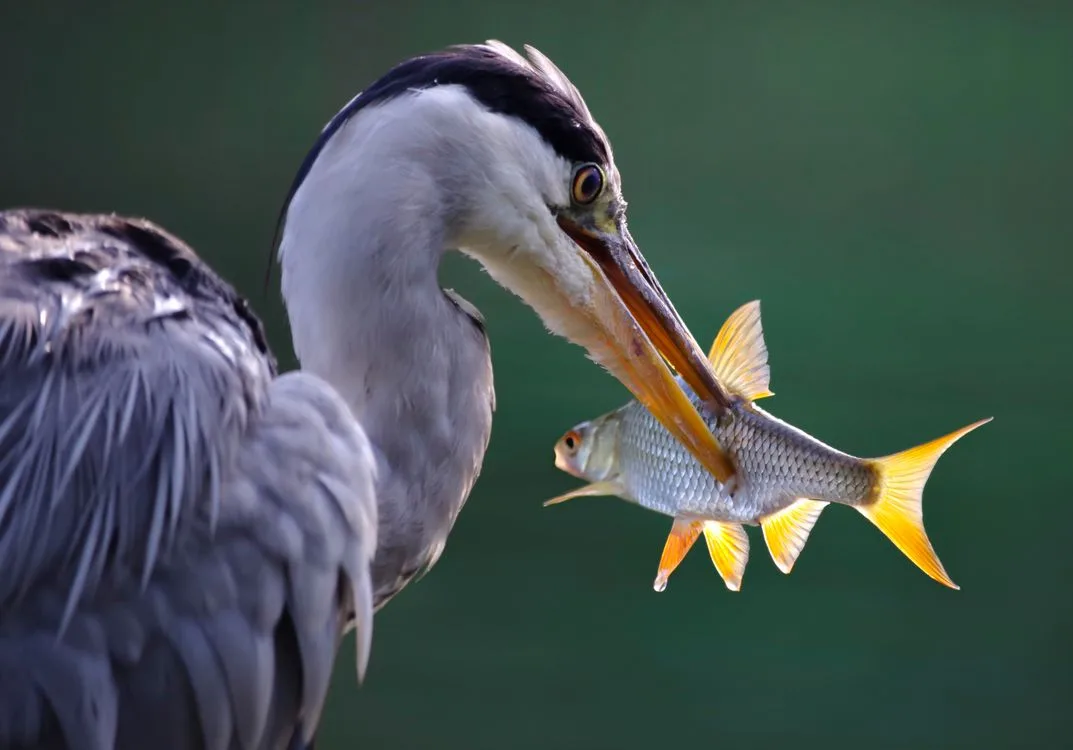
Image source: Bing (Web (fair-use with source credit))
The Majestic Heron: A Visual Feast
Understanding what Great Blue Herons eat is deeply connected to appreciating their hunting style. These birds are not just passive diners; they are highly skilled predators whose entire posture and behavior are geared towards securing a meal. Their magnificent presence by the water is a constant reminder of nature's efficient design, where every feature, from their long legs to their sharp beak, serves a purpose in their quest for food.
When you picture a Great Blue Heron, you likely see it standing elegantly in shallow water, a picture of serene patience. But behind that calm exterior is a keen hunter, constantly scanning its surroundings for movement. Visuals of these birds in their natural habitat are key to grasping the full picture of their diet and the behaviors associated with it.
The Heron's Catch: A Visual Guide to Prey
To truly understand what Great Blue Herons eat, it helps to see what they're after. Their prey isn't just a list of names; it's about recognizing the small fish darting in the shallows, the frogs camouflaged on lily pads, or the insects hovering over the water's surface. Visual documentation, like photographs and videos, is invaluable here.
For instance, a striking image might show a heron successfully spearing a small perch, or the swift motion of its beak plucking a frog from the bank. These visuals help us identify the specific types of creatures that form the bulk of its diet, highlighting their preference for aquatic and semi-aquatic life. Without seeing these interactions, the descriptions of their diet can feel abstract.
Fish: The Primary Catch for a Heron
Fish are undeniably the cornerstone of the Great Blue Heron's diet. They are incredibly adept at spotting and catching a variety of aquatic species, often in water no deeper than their legs. Their hunting method is built around the habits of their finned prey.
- Common Fish Types:
- Minnows and small schooling fish
- Perch, sunfish, and crappie
- Small bass and trout
- Smelt and other small ocean fish (for coastal populations)
Their ability to strike with lightning speed, as confirmed by behavioral studies from ornithological societies, allows them to seize slippery fish before they can escape. The sharp, dagger-like beak is perfectly adapted for piercing and holding these fast-moving targets. Visual evidence often captures the moment of this strike, showcasing the heron's precision.
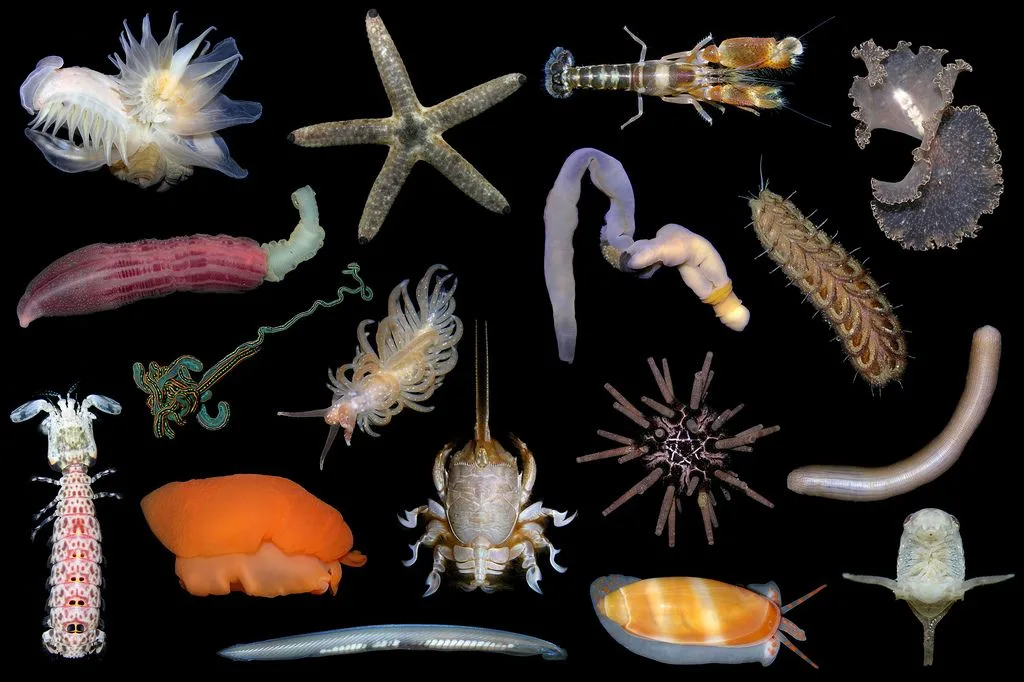
Image source: Bing (Web (fair-use with source credit))
Beyond Fish: Amphibians, Insects, and More
While fish are a favorite, the Great Blue Heron is an opportunistic feeder, meaning it doesn't pass up other readily available meals. This flexibility is a significant advantage, especially when fish populations fluctuate. When you look at their habitat, you see a rich ecosystem that offers a variety of food sources.
- Amphibians: Frogs and salamanders are common finds. Herons will patiently stalk these slow-moving creatures in the mud and shallows.
- Insects: Dragonflies, grasshoppers, beetles, and other flying or ground-dwelling insects are often consumed, particularly by younger herons needing high protein for growth.
- Small Mammals: Occasionally, mice or voles that venture too close to the water's edge might become a meal.
- Crustaceans: Crayfish and crabs are also part of their diet, especially in coastal or brackish water environments.
Seeing a heron carefully picking through reeds or probing the mud helps illustrate how it uncovers these less obvious food items. These secondary food sources are critical for supplementing their diet and ensuring their nutritional needs are met year-round.
How Herons Hunt: Visual Tactics in Action
The way a Great Blue Heron hunts is as much a part of its diet as the food itself. It’s a masterclass in patience and precision, relying heavily on visual cues and calculated action. Their hunting style is best understood by observing their methods in action.
- The Stance: They often stand completely still, like a statue, in shallow water. Their coloring provides excellent camouflage against the reeds and murky water.
- The Scan: Their sharp eyes are constantly searching the water's surface and below for any sign of movement. They can detect the slightest ripple or shadow.
- The Strike: When prey is detected, the heron lunges forward with incredible speed. Its neck extends rapidly, and its beak strikes to spear or grasp the target. This entire motion can take less than a second.
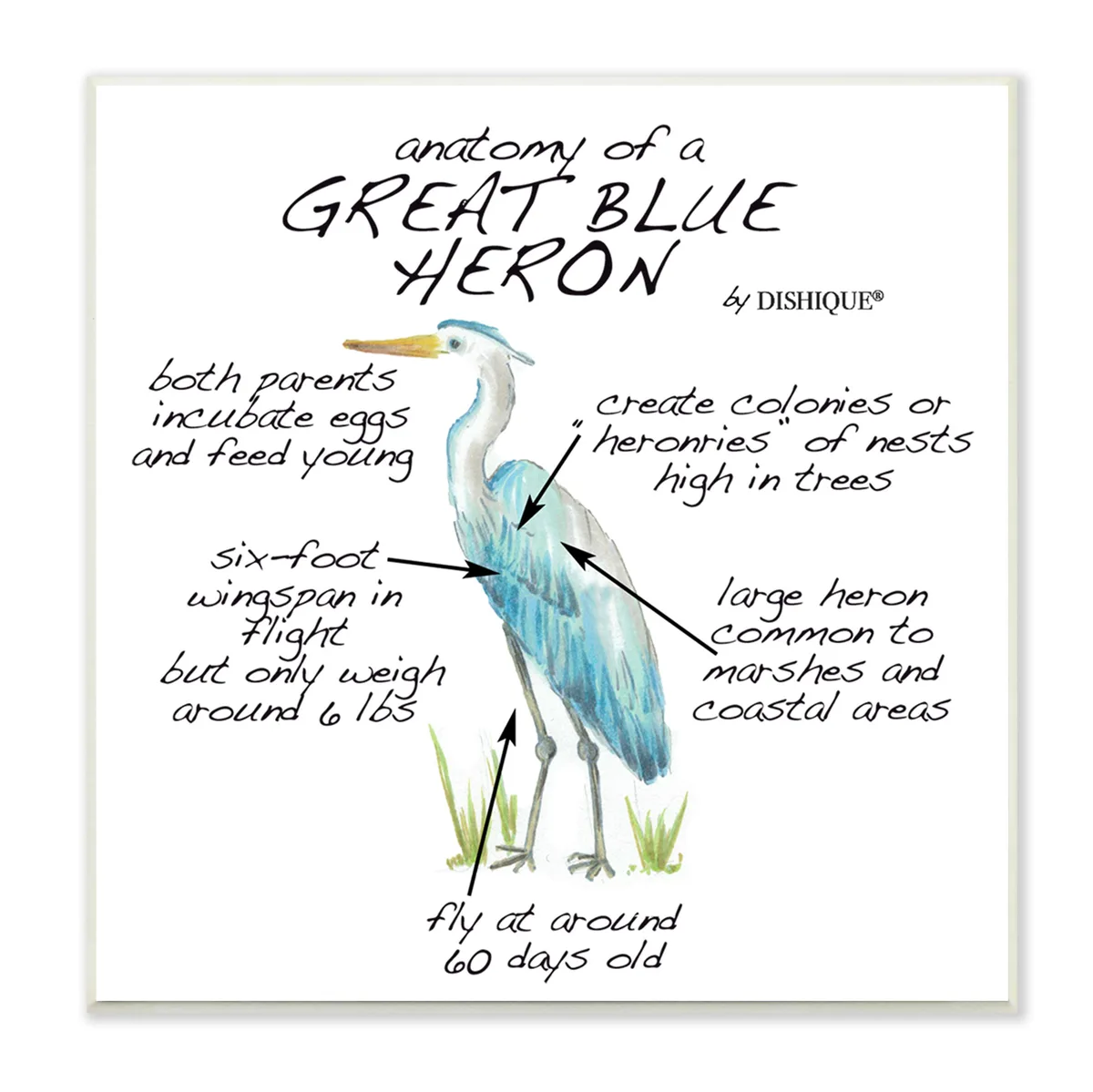
Image source: Bing (Web (fair-use with source credit))
Observing this sequence visually highlights the athleticism and strategy involved. It’s not just about luck; it’s about understanding prey behavior and reacting with perfect timing. This visual understanding is crucial to appreciating how they manage to catch their diverse meals.
Factors Influencing What a Heron Eats
A Great Blue Heron's diet isn't fixed; it shifts based on several important environmental factors. Think of it like us choosing what to eat based on what's fresh at the market or what's in season. For herons, these influences are tied directly to their surroundings and the time of year.
- Habitat Type: Herons living near saltwater coasts will have different opportunities than those inland by freshwater lakes. Coastal birds might prey more on crabs, shrimp, and sea fish, while inland birds focus on frogs, freshwater fish, and small rodents.
- Seasonal Availability: What's abundant in summer might be scarce in winter. For example, frogs and insects are plentiful during warmer months but less so when it’s cold. This leads herons to rely more heavily on fish or seek out different hunting grounds when necessary.
- Local Prey Abundance: If a particular pond has an explosion of minnows, herons will likely take advantage. Conversely, if a food source is depleted, they'll move on to find areas with more plentiful prey. This opportunistic nature means they're always adapting.
Frequently Asked Questions About Heron Diet
What is the Great Blue Heron's favorite food?
While they eat many things, fish are consistently their primary food source. They are especially fond of small to medium-sized fish found in shallow waters.
Do Great Blue Herons eat other birds?
Yes, though it's not a common part of their diet. They may occasionally prey on small birds, particularly young or injured ones, but this is opportunistic rather than a regular food source.
Can a Great Blue Heron eat a snake?
Absolutely. Snakes, especially smaller ones, can be caught and consumed by Great Blue Herons. Their long beaks are effective for grasping slippery prey like snakes.
What do baby Great Blue Herons eat?
Young herons are fed by their parents, who regurgitate food at the nest. The parents bring back a variety of items, often small fish and amphibians, which are then partially digested before being fed to the chicks.