Can Peregrine Falcons See at Night
The question of whether peregrine falcons can see at night often pops up, especially for those who marvel at these incredible birds. It’s a fascinating dive into avian biology and how vision works under different light conditions.
While they're renowned for their daytime hunting prowess, their nocturnal capabilities are more nuanced than a simple yes or no. For instance, peregrine falcons rely heavily on their sharp eyesight, with visual acuity estimated to be up to eight times better than that of humans, enabling them to spot prey from impressive distances.
Quick Answer
Peregrine falcons cannot see well in complete darkness. Their vision is highly adapted for daytime and twilight hunting, not for navigating or hunting in the absence of light. While they possess some low-light sensitivity, they are not truly nocturnal hunters like owls.
Peregrine Falcons and Light: What's Their Vision Like?
When we talk about vision, we're really talking about how an animal's eyes process light to form an image. For peregrine falcons, this system is extraordinarily tuned for high-speed aerial pursuits during daylight hours. Their eyes are built to detect even the slightest movement and fine details from significant heights.
Their visual system prioritizes sharp, clear images under bright conditions, which is essential for their hunting strategy of stooping (diving at extreme speeds) onto prey. This specialization means that as light levels drop, their ability to function effectively diminishes considerably. We'll explore the biological reasons behind this limitation throughout this article.
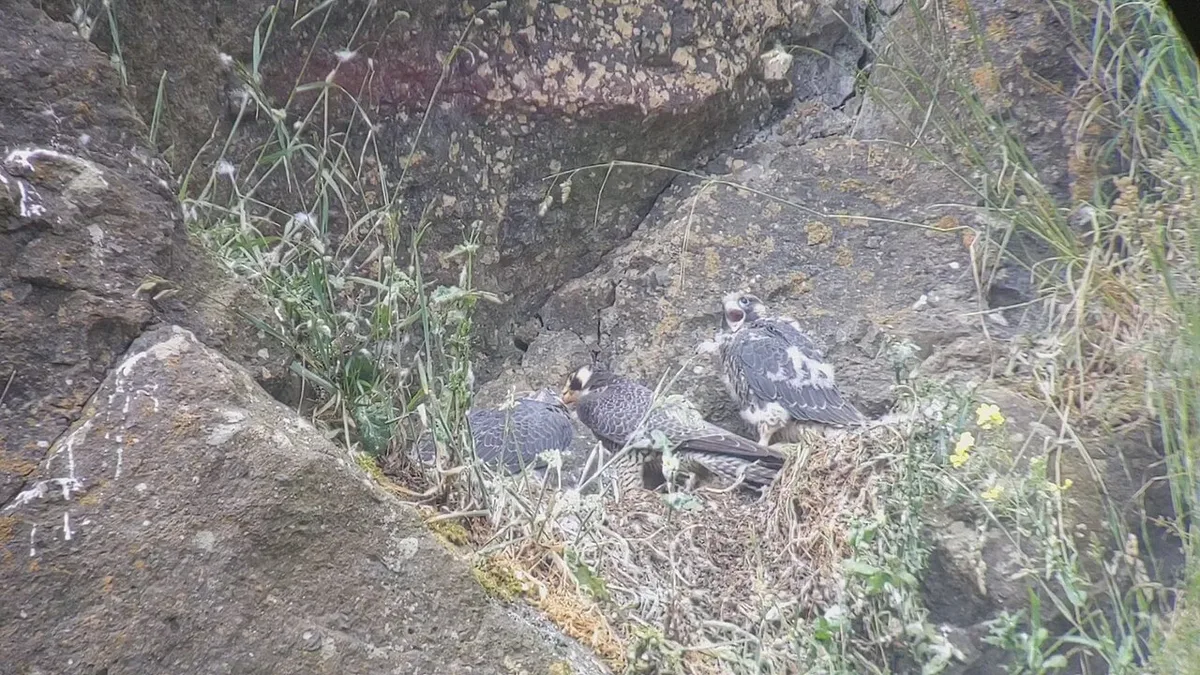
Image source: Wikimedia Commons / BLM Oregon & Washington
Is It a Hard "No" to Night Vision?
It's tempting to draw a firm line and say peregrine falcons absolutely cannot see at night. However, the reality is a bit more shades of gray. While they aren't equipped for hunting in pitch blackness, they can operate in very low light conditions, particularly during dawn and dusk.
The key here is understanding how much light they need. Their superb daytime vision doesn't automatically translate to nocturnal success. It’s about specialized adaptations that are either present or absent for nighttime activity.
The Role of Rods vs. Cones in Falcon Eyes
Inside an animal’s eye, you'll find two main types of photoreceptor cells: rods and cones. Cones are responsible for color vision and sharp detail, performing best in bright light. Rods, on the other hand, are incredibly sensitive to light levels and help us see in dim conditions, though they don't provide sharp detail or color.
Peregrine falcons have a very high density of cone cells, which is fantastic for their daytime visual acuity and color perception. They do have rod cells, but the ratio of rods to cones and their overall structure is geared more towards daylight functionality. This means while they can detect light in low-light situations, their vision loses the sharpness and detail that makes them such formidable hunters during the day.
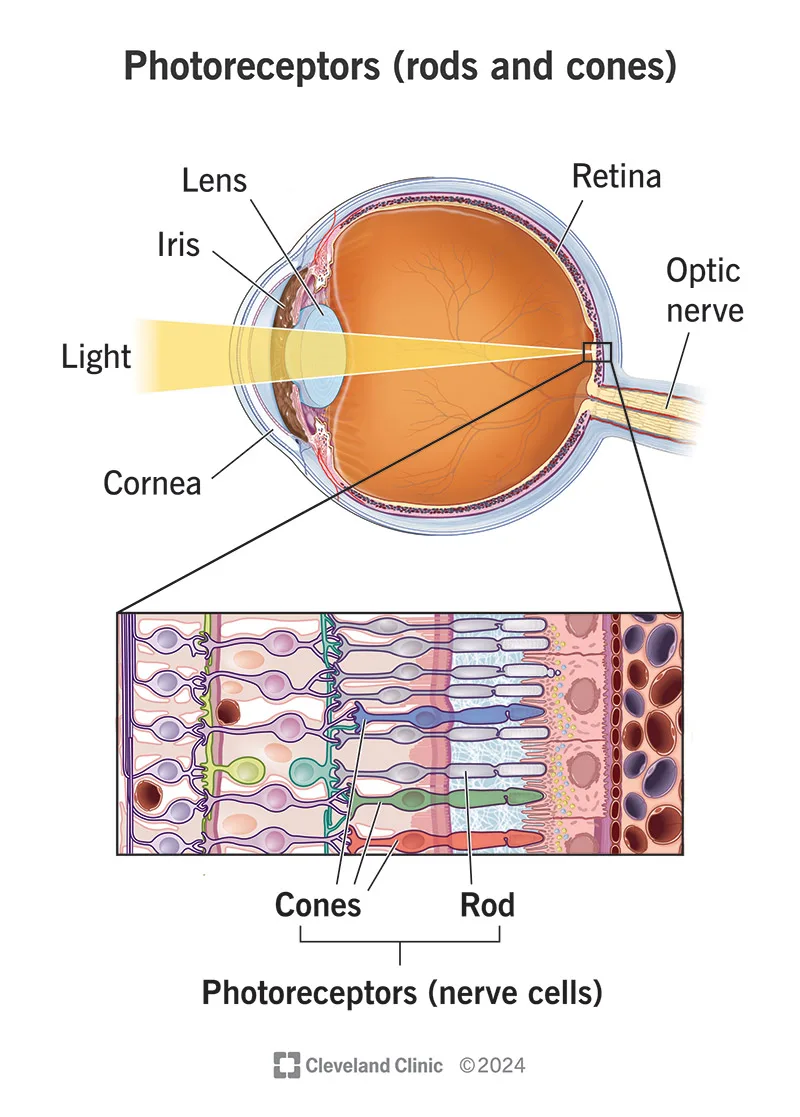
Image source: Bing (Web (fair-use with source credit))
Hunting When the Sun Goes Down: The Real Picture
When we talk about "seeing at night," we often think of true nocturnal animals, like owls, that can hunt effectively in the dark. Peregrine falcons don't fit into that category. Their hunting patterns are overwhelmingly diurnal, meaning they are most active during the day.
However, this doesn't mean they shut down completely when the sun starts to set. Their visual system allows them to take advantage of the transitional periods of low light.
Crepuscular Activity: Dawn and Dusk Hunting
Crepuscular animals are most active during twilight, dawn and dusk. Peregrine falcons often fall into this behavior pattern. As light levels are still sufficient for them to spot prey, but perhaps less intensely than midday, they may engage in hunting during these periods.
This offers them a strategic advantage, allowing them to hunt when some prey species might also be more active or less vigilant. The light at dawn and dusk, while diminished, is still enough for their specialized eyes to work effectively, offering a blend of light sensitivity and visual detail.
True Night Hunting: The Limitations
When complete darkness sets in, the peregrine falcon's visual system becomes a significant limitation. Unlike owls, which have enormous eyes, highly curved corneas to gather more light, and a higher proportion of rod cells, falcons lack these specific adaptations for darkness. Their eyes are simply not designed to capture enough photons to form a coherent image in the absence of ambient light.
While they might be able to perceive the general presence of light or very large, contrasting shapes in moonlight, actively hunting small, fast-moving prey would be virtually impossible. Their hunting success plummets as soon as significant darkness falls.
Factors Affecting Nighttime Vision for Falcons
Even when considering low-light conditions, several factors influence how well a peregrine falcon can actually use its vision. It's not just about the eye's inherent capabilities but also about the environment it's operating in.
Their visual system is a complex interplay of biological structure and external conditions. Understanding these elements helps paint a clearer picture of their nocturnal limitations.
Eye Adaptations and Their Limits
As we've touched upon, the peregrine falcon's eye is a marvel of daytime engineering. They possess incredibly high visual acuity, meaning they can resolve fine details. This is largely thanks to a very high density of cone cells in their fovea, the part of the retina responsible for sharpest vision.
They also have a higher number of photoreceptors per unit area than humans.
However, they generally lack a well-developed tapetum lucidum, a reflective layer found behind the retina in many nocturnal animals (like cats) that bounces light back through the photoreceptors, giving them a second chance to absorb it. This absence means less light is retained and utilized in dim conditions. While some sources suggest certain raptors might have rudimentary reflective layers, it's not a significant feature for widespread nocturnal hunting compared to true night hunters.
Therefore, when light is scarce, their specialized eyes simply don't have enough input to function optimally.
Environmental Conditions: Moon, Stars, and Clouds
The amount of ambient light available plays a critical role. Even on a moonless night, there's a small amount of starlight. However, this is usually insufficient for the detailed visual processing a peregrine falcon needs for hunting.
Clouds can further obscure what little light might be available. A clear night with a full moon offers significantly more light than a cloudy, new moon night. Our research indicates that while a falcon might be able to orient itself or detect very large silhouettes under strong moonlight, actively hunting a pigeon or other small birds would still be a challenge due to the lack of fine detail and contrast resolution.
This is why their hunting activity reliably drops off as ambient light decreases.
Common Misconceptions About Falcon Night Vision
Many people assume that because peregrine falcons are apex predators with incredible eyesight, they must be able to hunt effectively at any time of day or night. This isn't quite right and leads to some common misunderstandings.
It’s easy to extrapolate their daytime abilities into nighttime without considering the fundamental biological differences. Let’s clear up a couple of these misconceptions.
Mistaking Twilight for Darkness
A frequent error is conflating twilight with true night. As discussed, peregrine falcons are highly capable during crepuscular periods, dawn and dusk. During these times, there's still enough light for them to hunt successfully.
Someone might observe a falcon hunting in fading light and conclude it can see well in the dark. However, this observation actually highlights its limitations, it's hunting during the last available moments of sufficient light, not during the deep night. Their activity window closes as darkness truly descends.
Comparing Falcons to Nocturnal Birds Like Owls
Perhaps the most common misconception comes from comparing peregrine falcons to other birds of prey that are specialized for nighttime. Owls are the classic example.
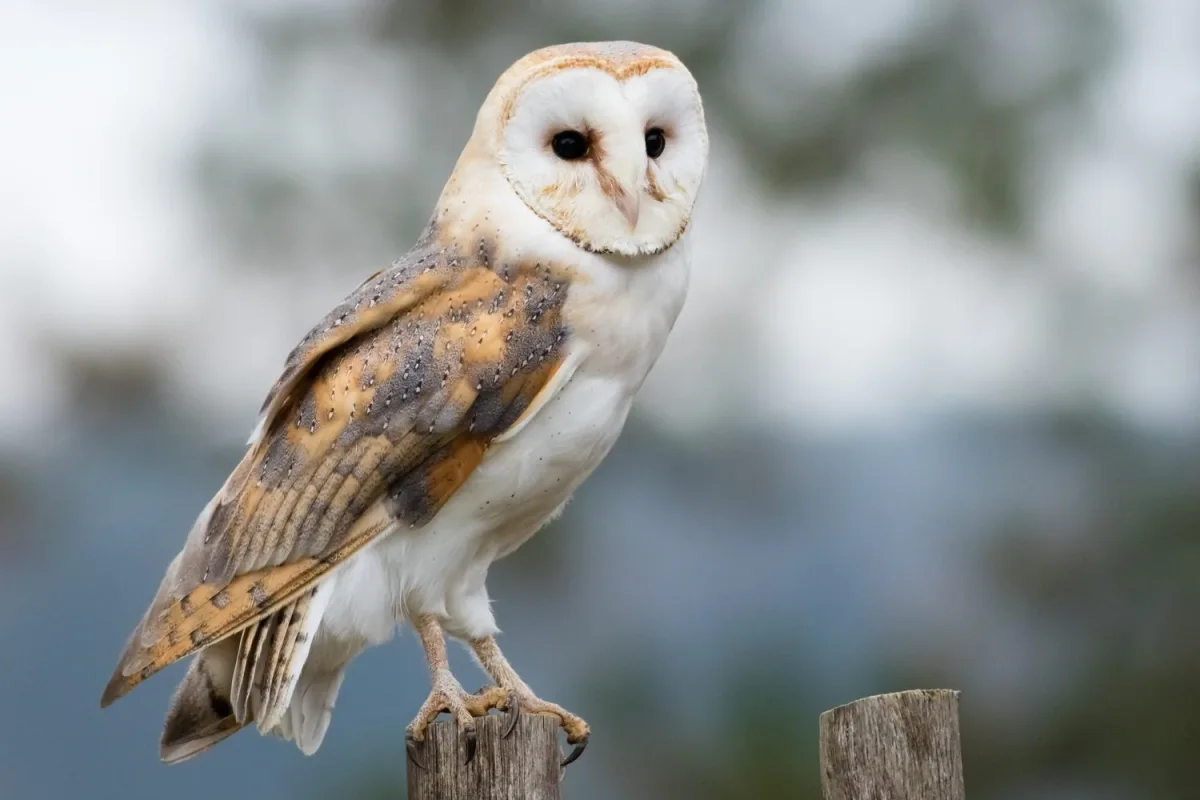
Image source: Web (Bing) / birdadvisors.com (Web image (fair-use with source credit))
Owls possess a suite of adaptations for nocturnal life that falcons lack:
- Enormous Eyes: Relative to their head size, owl eyes are massive, maximizing light capture.
- High Rod Density: Their retinas are packed with rod cells for extreme light sensitivity.
- Facial Disks: These funnel sound to their ears and also help direct faint light towards their eyes.
- Silent Flight: Specialized feathers allow owls to fly almost soundlessly, crucial for surprising prey they can hear but not always see clearly.
Peregrine falcons, by contrast, are built for speed and visual detection in daylight. Their hunting strategy relies on seeing prey from afar and executing high-speed dives, a method that requires bright, clear conditions.
The biological toolkit for each type of predator is distinctly different, reflecting their primary hunting times. A falcon’s eyes are akin to a high-performance sports car's headlights on a clear highway, optimized for speed and precision. An owl’s eyes are more like specialized night-vision goggles, designed to gather every available photon in the dimmest conditions.
Factors Affecting Nighttime Vision for Falcons
Even when considering low-light conditions, several factors influence how well a peregrine falcon can actually use its vision. It's not just about the eye's inherent capabilities but also about the environment it's operating in.
Their visual system is a complex interplay of biological structure and external conditions. Understanding these elements helps paint a clearer picture of their nocturnal limitations.
Eye Adaptations and Their Limits
As we've touched upon, the peregrine falcon's eye is a marvel of daytime engineering. They possess incredibly high visual acuity, meaning they can resolve fine details. This is largely thanks to a very high density of cone cells in their fovea, the part of the retina responsible for sharpest vision.
They also have a higher number of photoreceptors per unit area than humans.
However, they generally lack a well-developed tapetum lucidum, a reflective layer found behind the retina in many nocturnal animals (like cats) that bounces light back through the photoreceptors, giving them a second chance to absorb it. This absence means less light is retained and utilized in dim conditions. While some sources suggest certain raptors might have rudimentary reflective layers, it's not a significant feature for widespread nocturnal hunting compared to true night hunters.
Therefore, when light is scarce, their specialized eyes simply don't have enough input to function optimally.
Environmental Conditions: Moon, Stars, and Clouds
The amount of ambient light available plays a critical role. Even on a moonless night, there's a small amount of starlight. However, this is usually insufficient for the detailed visual processing a peregrine falcon needs for hunting.
Clouds can further obscure what little light might be available. A clear night with a full moon offers significantly more light than a cloudy, new moon night. Our research indicates that while a falcon might be able to orient itself or detect very large silhouettes under strong moonlight, actively hunting a pigeon or other small birds would still be a challenge due to the lack of fine detail and contrast resolution.
This is why their hunting activity reliably drops off as ambient light decreases.
Common Misconceptions About Falcon Night Vision
Many people assume that because peregrine falcons are apex predators with incredible eyesight, they must be able to hunt effectively at any time of day or night. This isn't quite right and leads to some common misunderstandings.
It’s easy to extrapolate their daytime abilities into nighttime without considering the fundamental biological differences. Let’s clear up a couple of these misconceptions.
Mistaking Twilight for Darkness
A frequent error is conflating twilight with true night. As discussed, peregrine falcons are highly capable during crepuscular periods, dawn and dusk. During these times, there's still enough light for them to hunt successfully.
Someone might observe a falcon hunting in fading light and conclude it can see well in the dark. However, this observation actually highlights its limitations, it's hunting during the last available moments of sufficient light, not during the deep night. Their activity window closes as darkness truly descends.
Comparing Falcons to Nocturnal Birds Like Owls
Perhaps the most common misconception comes from comparing peregrine falcons to other birds of prey that are specialized for nighttime. Owls are the classic example.
Image source: Web (Bing) / birdadvisors.com (Web image (fair-use with source credit))
Owls possess a suite of adaptations for nocturnal life that falcons lack:
- Enormous Eyes: Relative to their head size, owl eyes are massive, maximizing light capture.
- High Rod Density: Their retinas are packed with rod cells for extreme light sensitivity.
- Facial Disks: These funnel sound to their ears and also help direct faint light towards their eyes.
- Silent Flight: Specialized feathers allow owls to fly almost soundlessly, crucial for surprising prey they can hear but not always see clearly.
Peregrine falcons, by contrast, are built for speed and visual detection in daylight. Their hunting strategy relies on seeing prey from afar and executing high-speed dives, a method that requires bright, clear conditions.
Hunting When the Sun Goes Down: The Real Picture
When we talk about "seeing at night," we often think of true nocturnal animals, like owls, that can hunt effectively in the dark. Peregrine falcons don't fit into that category. Their hunting patterns are overwhelmingly diurnal, meaning they are most active during the day.
However, this doesn't mean they shut down completely when the sun starts to set. Their visual system allows them to take advantage of the transitional periods of low light.
Crepuscular Activity: Dawn and Dusk Hunting
Crepuscular animals are most active during twilight, dawn and dusk. Peregrine falcons often fall into this behavior pattern. As light levels are still sufficient for them to spot prey, but perhaps less intensely than midday, they may engage in hunting during these periods.
This offers them a strategic advantage, allowing them to hunt when some prey species might also be more active or less vigilant. The light at dawn and dusk, while diminished, is still enough for their specialized eyes to work effectively, offering a blend of light sensitivity and visual detail.
True Night Hunting: The Limitations
When complete darkness sets in, the peregrine falcon's visual system becomes a significant limitation. Unlike owls, which have enormous eyes, highly curved corneas to gather more light, and a higher proportion of rod cells, falcons lack these specific adaptations for darkness. Their eyes are simply not designed to capture enough photons to form a coherent image in the absence of ambient light.
While they might be able to perceive the general presence of light or very large, contrasting shapes in moonlight, actively hunting small, fast-moving prey would be virtually impossible. Their hunting success plummets as soon as significant darkness falls.
Factors Affecting Nighttime Vision for Falcons
Even when considering low-light conditions, several factors influence how well a peregrine falcon can actually use its vision. It's not just about the eye's inherent capabilities but also about the environment it's operating in.
Their visual system is a complex interplay of biological structure and external conditions. Understanding these elements helps paint a clearer picture of their nocturnal limitations.
Eye Adaptations and Their Limits
As we've touched upon, the peregrine falcon's eye is a marvel of daytime engineering. They possess incredibly high visual acuity, meaning they can resolve fine details. This is largely thanks to a very high density of cone cells in their fovea, the part of the retina responsible for sharpest vision.
They also have a higher number of photoreceptors per unit area than humans.
However, they generally lack a well-developed tapetum lucidum, a reflective layer found behind the retina in many nocturnal animals (like cats) that bounces light back through the photoreceptors, giving them a second chance to absorb it. This absence means less light is retained and utilized in dim conditions. While some sources suggest certain raptors might have rudimentary reflective layers, it's not a significant feature for widespread nocturnal hunting compared to true night hunters.
Therefore, when light is scarce, their specialized eyes simply don't have enough input to function optimally.
Environmental Conditions: Moon, Stars, and Clouds
The amount of ambient light available plays a critical role. Even on a moonless night, there's a small amount of starlight. However, this is usually insufficient for the detailed visual processing a peregrine falcon needs for hunting.
Clouds can further obscure what little light might be available. A clear night with a full moon offers significantly more light than a cloudy, new moon night. Our research indicates that while a falcon might be able to orient itself or detect very large silhouettes under strong moonlight, actively hunting a pigeon or other small birds would still be a challenge due to the lack of fine detail and contrast resolution.
This is why their hunting activity reliably drops off as ambient light decreases.
Common Misconceptions About Falcon Night Vision
Many people assume that because peregrine falcons are apex predators with incredible eyesight, they must be able to hunt effectively at any time of day or night. This isn't quite right and leads to some common misunderstandings.
It’s easy to extrapolate their daytime abilities into nighttime without considering the fundamental biological differences. Let’s clear up a couple of these misconceptions.
Mistaking Twilight for Darkness
A frequent error is conflating twilight with true night. As discussed, peregrine falcons are highly capable during crepuscular periods, dawn and dusk. During these times, there's still enough light for them to hunt successfully.
Someone might observe a falcon hunting in fading light and conclude it can see well in the dark. However, this observation actually highlights its limitations, it's hunting during the last available moments of sufficient light, not during the deep night. Their activity window closes as darkness truly descends.
Comparing Falcons to Nocturnal Birds Like Owls
Perhaps the most common misconception comes from comparing peregrine falcons to other birds of prey that are specialized for nighttime. Owls are the classic example.
Image source: Web (Bing) / birdadvisors.com (Web image (fair-use with source credit))
Owls possess a suite of adaptations for nocturnal life that falcons lack:
- Enormous Eyes: Relative to their head size, owl eyes are massive, maximizing light capture.
- High Rod Density: Their retinas are packed with rod cells for extreme light sensitivity.
- Facial Disks: These funnel sound to their ears and also help direct faint light towards their eyes.
- Silent Flight: Specialized feathers allow owls to fly almost soundlessly, crucial for surprising prey they can hear but not always see clearly.
Peregrine falcons, by contrast, are built for speed and visual detection in daylight. Their hunting strategy relies on seeing prey from afar and executing high-speed dives, a method that requires bright, clear conditions.
Hunting When the Sun Goes Down: The Real Picture
When we talk about "seeing at night," we often think of true nocturnal animals, like owls, that can hunt effectively in the dark. Peregrine falcons don't fit into that category. Their hunting patterns are overwhelmingly diurnal, meaning they are most active during the day.
However, this doesn't mean they shut down completely when the sun starts to set. Their visual system allows them to take advantage of the transitional periods of low light.
Crepuscular Activity: Dawn and Dusk Hunting
Crepuscular animals are most active during twilight, dawn and dusk. Peregrine falcons often fall into this behavior pattern. As light levels are still sufficient for them to spot prey, but perhaps less intensely than midday, they may engage in hunting during these periods.
This offers them a strategic advantage, allowing them to hunt when some prey species might also be more active or less vigilant. The light at dawn and dusk, while diminished, is still enough for their specialized eyes to work effectively, offering a blend of light sensitivity and visual detail.
True Night Hunting: The Limitations
When complete darkness sets in, the peregrine falcon's visual system becomes a significant limitation. Unlike owls, which have enormous eyes, highly curved corneas to gather more light, and a higher proportion of rod cells, falcons lack these specific adaptations for darkness. Their eyes are simply not designed to capture enough photons to form a coherent image in the absence of ambient light.
While they might be able to perceive the general presence of light or very large, contrasting shapes in moonlight, actively hunting small, fast-moving prey would be virtually impossible. Their hunting success plummets as soon as significant darkness falls.
Factors Affecting Nighttime Vision for Falcons
Even when considering low-light conditions, several factors influence how well a peregrine falcon can actually use its vision. It's not just about the eye's inherent capabilities but also about the environment it's operating in.
Their visual system is a complex interplay of biological structure and external conditions. Understanding these elements helps paint a clearer picture of their nocturnal limitations.
Eye Adaptations and Their Limits
As we've touched upon, the peregrine falcon's eye is a marvel of daytime engineering. They possess incredibly high visual acuity, meaning they can resolve fine details. This is largely thanks to a very high density of cone cells in their fovea, the part of the retina responsible for sharpest vision.
They also have a higher number of photoreceptors per unit area than humans.
However, they generally lack a well-developed tapetum lucidum, a reflective layer found behind the retina in many nocturnal animals (like cats) that bounces light back through the photoreceptors, giving them a second chance to absorb it. This absence means less light is retained and utilized in dim conditions. While some sources suggest certain raptors might have rudimentary reflective layers, it's not a significant feature for widespread nocturnal hunting compared to true night hunters.
Therefore, when light is scarce, their specialized eyes simply don't have enough input to function optimally.
Environmental Conditions: Moon, Stars, and Clouds
The amount of ambient light available plays a critical role. Even on a moonless night, there's a small amount of starlight. However, this is usually insufficient for the detailed visual processing a peregrine falcon needs for hunting.
Clouds can further obscure what little light might be available. A clear night with a full moon offers significantly more light than a cloudy, new moon night. Our research indicates that while a falcon might be able to orient itself or detect very large silhouettes under strong moonlight, actively hunting a pigeon or other small birds would still be a challenge due to the lack of fine detail and contrast resolution.
This is why their hunting activity reliably drops off as ambient light decreases.
Common Misconceptions About Falcon Night Vision
Many people assume that because peregrine falcons are apex predators with incredible eyesight, they must be able to hunt effectively at any time of day or night. This isn't quite right and leads to some common misunderstandings.
It’s easy to extrapolate their daytime abilities into nighttime without considering the fundamental biological differences. Let’s clear up a couple of these misconceptions.
Mistaking Twilight for Darkness
A frequent error is conflating twilight with true night. As discussed, peregrine falcons are highly capable during crepuscular periods, dawn and dusk. During these times, there's still enough light for them to hunt successfully.
Someone might observe a falcon hunting in fading light and conclude it can see well in the dark. However, this observation actually highlights its limitations, it's hunting during the last available moments of sufficient light, not during the deep night. Their activity window closes as darkness truly descends.
Comparing Falcons to Nocturnal Birds Like Owls
Perhaps the most common misconception comes from comparing peregrine falcons to other birds of prey that are specialized for nighttime. Owls are the classic example.
Image source: Web (Bing) / birdadvisors.com (Web image (fair-use with source credit))
Owls possess a suite of adaptations for nocturnal life that falcons lack:
- Enormous Eyes: Relative to their head size, owl eyes are massive, maximizing light capture.
- High Rod Density: Their retinas are packed with rod cells for extreme light sensitivity.
- Facial Disks: These funnel sound to their ears and also help direct faint light towards their eyes.
- Silent Flight: Specialized feathers allow owls to fly almost soundlessly, crucial for surprising prey they can hear but not always see clearly.
Peregrine falcons, by contrast, are built for speed and visual detection in daylight. Their hunting strategy relies on seeing prey from afar and executing high-speed dives, a method that requires bright, clear conditions.
Hunting When the Sun Goes Down: The Real Picture
When we talk about "seeing at night," we often think of true nocturnal animals, like owls, that can hunt effectively in the dark. Peregrine falcons don't fit into that category. Their hunting patterns are overwhelmingly diurnal, meaning they are most active during the day.
However, this doesn't mean they shut down completely when the sun starts to set. Their visual system allows them to take advantage of the transitional periods of low light.
Crepuscular Activity: Dawn and Dusk Hunting
Crepuscular animals are most active during twilight, dawn and dusk. Peregrine falcons often fall into this behavior pattern. As light levels are still sufficient for them to spot prey, but perhaps less intensely than midday, they may engage in hunting during these periods.
This offers them a strategic advantage, allowing them to hunt when some prey species might also be more active or less vigilant. The light at dawn and dusk, while diminished, is still enough for their specialized eyes to work effectively, offering a blend of light sensitivity and visual detail.
True Night Hunting: The Limitations
When complete darkness sets in, the peregrine falcon's visual system becomes a significant limitation. Unlike owls, which have enormous eyes, highly curved corneas to gather more light, and a higher proportion of rod cells, falcons lack these specific adaptations for darkness. Their eyes are simply not designed to capture enough photons to form a coherent image in the absence of ambient light.
While they might be able to perceive the general presence of light or very large, contrasting shapes in moonlight, actively hunting small, fast-moving prey would be virtually impossible. Their hunting success plummets as soon as significant darkness falls.
Factors Affecting Nighttime Vision for Falcons
Even when considering low-light conditions, several factors influence how well a peregrine falcon can actually use its vision. It's not just about the eye's inherent capabilities but also about the environment it's operating in.
Their visual system is a complex interplay of biological structure and external conditions. Understanding these elements helps paint a clearer picture of their nocturnal limitations.
Eye Adaptations and Their Limits
As we've touched upon, the peregrine falcon's eye is a marvel of daytime engineering. They possess incredibly high visual acuity, meaning they can resolve fine details. This is largely thanks to a very high density of cone cells in their fovea, the part of the retina responsible for sharpest vision.
They also have a higher number of photoreceptors per unit area than humans.
However, they generally lack a well-developed tapetum lucidum, a reflective layer found behind the retina in many nocturnal animals (like cats) that bounces light back through the photoreceptors, giving them a second chance to absorb it. This absence means less light is retained and utilized in dim conditions. While some sources suggest certain raptors might have rudimentary reflective layers, it's not a significant feature for widespread nocturnal hunting compared to true night hunters.
Therefore, when light is scarce, their specialized eyes simply don't have enough input to function optimally.
Environmental Conditions: Moon, Stars, and Clouds
The amount of ambient light available plays a critical role. Even on a moonless night, there's a small amount of starlight. However, this is usually insufficient for the detailed visual processing a peregrine falcon needs for hunting.
Clouds can further obscure what little light might be available. A clear night with a full moon offers significantly more light than a cloudy, new moon night. Our research indicates that while a falcon might be able to orient itself or detect very large silhouettes under strong moonlight, actively hunting a pigeon or other small birds would still be a challenge due to the lack of fine detail and contrast resolution.
This is why their hunting activity reliably drops off as ambient light decreases.
Common Misconceptions About Falcon Night Vision
Many people assume that because peregrine falcons are apex predators with incredible eyesight, they must be able to hunt effectively at any time of day or night. This isn't quite right and leads to some common misunderstandings.
It’s easy to extrapolate their daytime abilities into nighttime without considering the fundamental biological differences. Let’s clear up a couple of these misconceptions.
Mistaking Twilight for Darkness
A frequent error is conflating twilight with true night. As discussed, peregrine falcons are highly capable during crepuscular periods, dawn and dusk. During these times, there's still enough light for them to hunt successfully.
Someone might observe a falcon hunting in fading light and conclude it can see well in the dark. However, this observation actually highlights its limitations, it's hunting during the last available moments of sufficient light, not during the deep night. Their activity window closes as darkness truly descends.
Comparing Falcons to Nocturnal Birds Like Owls
Perhaps the most common misconception comes from comparing peregrine falcons to other birds of prey that are specialized for nighttime. Owls are the classic example.
Image source: Web (Bing) / birdadvisors.com (Web image (fair-use with source credit))
Owls possess a suite of adaptations for nocturnal life that falcons lack:
- Enormous Eyes: Relative to their head size, owl eyes are massive, maximizing light capture.
- High Rod Density: Their retinas are packed with rod cells for extreme light sensitivity.
- Facial Disks: These funnel sound to their ears and also help direct faint light towards their eyes.
- Silent Flight: Specialized feathers allow owls to fly almost soundlessly, crucial for surprising prey they can hear but not always see clearly.
Peregrine falcons, by contrast, are built for speed and visual detection in daylight. Their hunting strategy relies on seeing prey from afar and executing high-speed dives, a method that requires bright, clear conditions.
Hunting When the Sun Goes Down: The Real Picture
When we talk about "seeing at night," we often think of true nocturnal animals, like owls, that can hunt effectively in the dark. Peregrine falcons don't fit into that category. Their hunting patterns are overwhelmingly diurnal, meaning they are most active during the day.
However, this doesn't mean they shut down completely when the sun starts to set. Their visual system allows them to take advantage of the transitional periods of low light.
Crepuscular Activity: Dawn and Dusk Hunting
Crepuscular animals are most active during twilight, dawn and dusk. Peregrine falcons often fall into this behavior pattern. As light levels are still sufficient for them to spot prey, but perhaps less intensely than midday, they may engage in hunting during these periods.
This offers them a strategic advantage, allowing them to hunt when some prey species might also be more active or less vigilant. The light at dawn and dusk, while diminished, is still enough for their specialized eyes to work effectively, offering a blend of light sensitivity and visual detail.
True Night Hunting: The Limitations
When complete darkness sets in, the peregrine falcon's visual system becomes a significant limitation. Unlike owls, which have enormous eyes, highly curved corneas to gather more light, and a higher proportion of rod cells, falcons lack these specific adaptations for darkness. Their eyes are simply not designed to capture enough photons to form a coherent image in the absence of ambient light.
While they might be able to perceive the general presence of light or very large, contrasting shapes in moonlight, actively hunting small, fast-moving prey would be virtually impossible. Their hunting success plummets as soon as significant darkness falls.
Factors Affecting Nighttime Vision for Falcons
Even when considering low-light conditions, several factors influence how well a peregrine falcon can actually use its vision. It's not just about the eye's inherent capabilities but also about the environment it's operating in.
Their visual system is a complex interplay of biological structure and external conditions. Understanding these elements helps paint a clearer picture of their nocturnal limitations.
Eye Adaptations and Their Limits
As we've touched upon, the peregrine falcon's eye is a marvel of daytime engineering. They possess incredibly high visual acuity, meaning they can resolve fine details. This is largely thanks to a very high density of cone cells in their fovea, the part of the retina responsible for sharpest vision.
They also have a higher number of photoreceptors per unit area than humans.
However, they generally lack a well-developed tapetum lucidum, a reflective layer found behind the retina in many nocturnal animals (like cats) that bounces light back through the photoreceptors, giving them a second chance to absorb it. This absence means less light is retained and utilized in dim conditions. While some sources suggest certain raptors might have rudimentary reflective layers, it's not a significant feature for widespread nocturnal hunting compared to true night hunters.
Therefore, when light is scarce, their specialized eyes simply don't have enough input to function optimally.
Environmental Conditions: Moon, Stars, and Clouds
The amount of ambient light available plays a critical role. Even on a moonless night, there's a small amount of starlight. However, this is usually insufficient for the detailed visual processing a peregrine falcon needs for hunting.
Clouds can further obscure what little light might be available. A clear night with a full moon offers significantly more light than a cloudy, new moon night. Our research indicates that while a falcon might be able to orient itself or detect very large silhouettes under strong moonlight, actively hunting a pigeon or other small birds would still be a challenge due to the lack of fine detail and contrast resolution.
This is why their hunting activity reliably drops off as ambient light decreases.
When a Falcon Might Be Active at Night
While peregrine falcons are primarily diurnal, there are specific, albeit limited, circumstances where they might be observed or attempt activity under darkness. These instances typically involve external influences or exceptional conditions that push their usual behavior patterns.
It’s crucial to differentiate these unusual events from consistent nocturnal hunting. Understanding these triggers helps clarify their behavioral boundaries concerning light.
Emergency Situations or Unusual Prey
In rare cases, a peregrine might be forced to hunt or move in low light due to extreme hunger or if its usual prey becomes unavailable during daylight. This isn't a preferred strategy, and success rates would be significantly lower. Our research suggests that such situations are exceptions rather than the rule, often occurring during harsh weather or prolonged food scarcity.
For example, if a falcon is severely injured or its territory is disrupted, it might attempt to scavenge or hunt opportunistically. However, it’s more likely to rely on its well-developed senses of hearing or simply find a safe roost rather than actively hunt in conditions unfavorable to its vision.
Urban Environments and Artificial Light
Urban settings can sometimes influence animal behavior due to artificial lighting. While peregrine falcons are highly adaptable to city life, there’s limited evidence to suggest artificial light significantly extends their hunting capabilities at night. They might use brightly lit areas for orientation or to spot larger, slower prey that are attracted to lights.
However, the intensity and nature of urban light pollution can also be disorienting. It's more probable that falcons use these areas for roosting or as vantage points during twilight hours, rather than for active nocturnal hunting. Their primary hunting methods still rely on natural light cues for prey detection.
FAQs About Peregrine Falcon Vision
Can peregrine falcons see colors at night?
No, peregrine falcons cannot see colors at night. Their cone cells, responsible for color vision, require sufficient light to function. In low-light conditions, their vision relies more on rod cells, which are sensitive to light but do not detect color.
Do peregrine falcons have good hearing to compensate for poor night vision?
While peregrine falcons have adequate hearing, it's not as specialized as that of owls, which use it extensively for hunting in darkness. Falcons primarily rely on their exceptional daytime vision; hearing plays a secondary role for them, mainly for communication rather than hunting prey in the dark.
How does a falcon's eye differ from a human's for low-light conditions?
A falcon's eye has a higher density of photoreceptor cells, particularly cones, for superior daytime visual acuity. However, for low-light conditions, human eyes have a relatively higher proportion of rod cells compared to cones, giving us better, though still limited, vision in dim light than a falcon's specialized daytime-oriented eye.
Are peregrine falcons ever active in the middle of the night?
Peregrine falcons are rarely active in the middle of the night for hunting. Their activity is overwhelmingly concentrated during daylight hours and the transitional periods of dawn and dusk. Any observations of mid-night activity would likely be related to roosting, moving between roosts, or responding to unusual stimuli.