Which Parrots Can Talk the Best
Ever wonder which parrots can talk the best? It's a question many bird lovers ponder, hoping for a feathered friend who can chime in on conversations. While all parrots possess the ability to mimic sounds, some species are truly exceptional at learning and using human speech.
This guide dives into the avian vocalists that stand out, exploring the species known for their talking prowess and the factors that influence their communication skills. We'll look at who's at the top of the class, and what makes them so special.
Quick Answer: The Top Talking Parrot Species
African Grey Parrots are widely considered the best talkers. Amazon Parrots also exhibit strong talking abilities with clear voices. Budgerigars can learn many words despite their small size.
Individual personality and consistent interaction are key.
African Grey Parrots: The Undisputed Champions of Speech
When we talk about parrots who can truly talk, the African Grey Parrot (Psittacus erithacus) often steals the show. These intelligent birds aren't just mimicking sounds; many show a remarkable capacity for understanding and using words in context. Their ability to learn a vast vocabulary and even replicate human intonation is well-documented.
For instance, the famous research parrot, Alex, an African Grey, demonstrated an understanding of concepts like color, shape, and number, going far beyond simple mimicry. This level of cognitive engagement with language sets them apart. As of 2026, research continues to explore the full extent of their linguistic capabilities.
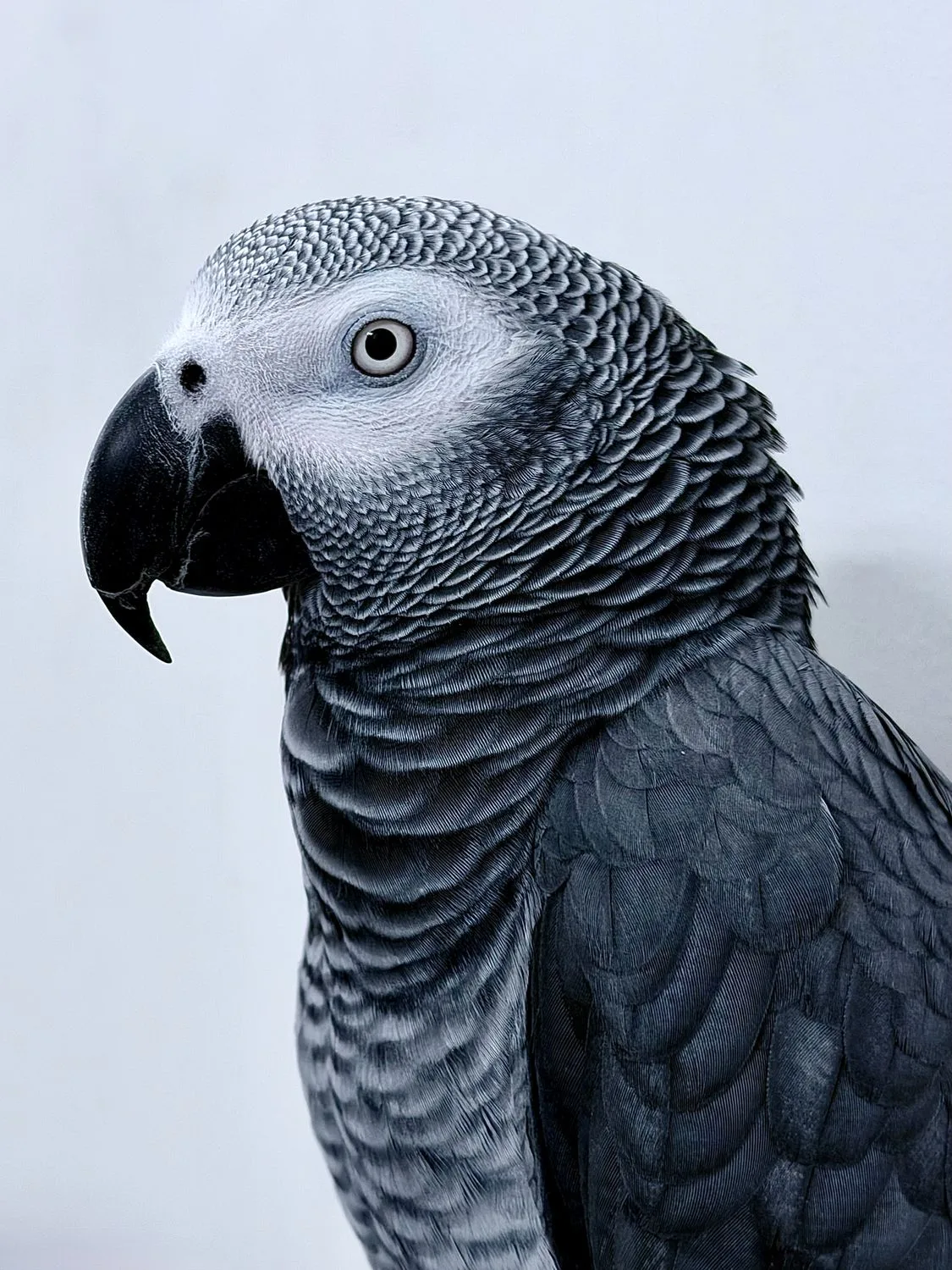
- Vocabulary: Can learn hundreds, sometimes thousands, of words and phrases.
- Contextual Use: Often use words appropriately in different situations.
- Clarity: Voices can be quite clear, though sometimes with a slightly raspy quality.
- Intelligence: Consistently rank among the most intelligent bird species.
While their talking ability is a major draw, potential owners should be aware that African Greys are also demanding pets, requiring significant mental stimulation and social interaction to thrive.
Amazon Parrots: Loud, Clear, and Full of Personality
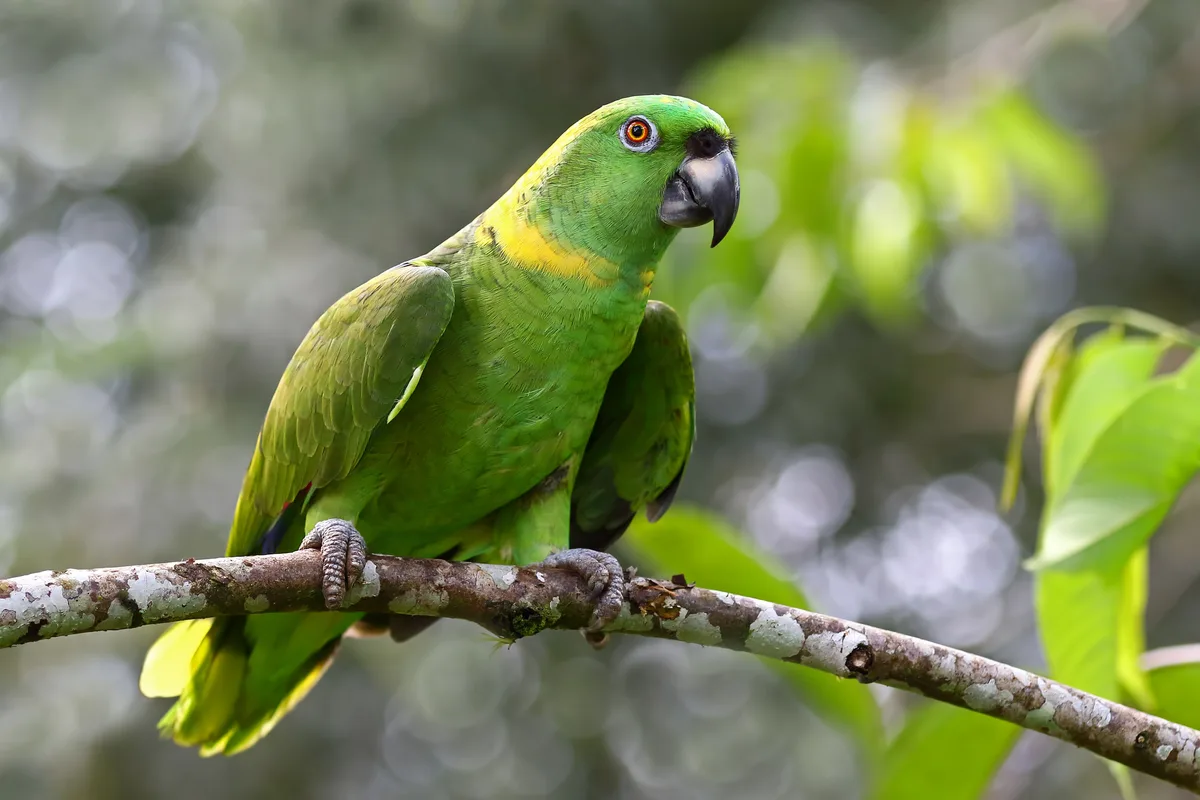
The Amazon parrot family boasts several species renowned for their talking talents, often with very clear and loud voices. Birds like the Yellow-Naped Amazon, Double Yellow-Headed Amazon, and Blue-Fronted Amazon are frequent candidates for the "best talker" title. They are known for their vibrant personalities and their ability to pick up a wide range of words and phrases.
These parrots tend to have a more robust and sometimes boisterous vocal presence compared to other species. Their speech is often characterized by its clarity, making them enjoyable to converse with. Many owners report their Amazon parrots developing distinct "voices" and even using phrases to express desires or moods.
- Vocal Clarity: Often have very understandable and distinct speech.
- Vocabulary Range: Can learn a significant number of words and complex phrases.
- Personality: Generally outgoing, playful, and energetic.
- Volume: Can be quite loud, making them noticeable in a household.
Choosing an Amazon parrot means welcoming a bird with a strong presence, both in terms of its talking ability and its energetic nature. They thrive on interaction and can become very bonded with their human companions.
Other Notable Talkers: Budgies, Ringnecks, and Quakers
While African Greys and Amazons often top the lists, don't overlook some of the smaller or medium-sized parrots that are surprisingly adept at talking. These birds can offer impressive vocal skills without the demanding needs of larger species.
- Budgerigars (Budgies): These small, popular pets are phenomenal mimics. A single budgie can learn hundreds, even thousands, of words and short phrases. Their voices are naturally tiny, but when they are clear, their speech can be remarkably understandable. They are an excellent choice for those seeking a talking bird without the significant space and noise commitment of larger parrots.
- Indian Ringneck Parakeets: Known for their elegant appearance and often distinct voices, Ringnecks can learn a substantial vocabulary. Their speech is typically quite clear, and they are known for being intelligent and somewhat independent. They can be quite vocal, so their talking ability is often noticeable.
- Monk Parakeets (Quaker Parrots): These social and chatty birds are also strong contenders. Monk parakeets can learn a good amount of human speech, and they often have a slightly scratchy but generally clear and understandable voice. They are known for their active personalities and their tendency to form strong bonds.
These species prove that impressive talking ability isn't exclusive to the largest parrots. Their individual personalities and the effort put into training will significantly impact their vocal development.
Why Some Parrots Talk Better Than Others: Beyond Just Species
It's tempting to think that picking a specific species guarantees a talking champion, but reality is a bit more nuanced. While species predispositions are real, several other crucial factors play a significant role in a parrot's ability to mimic and use human speech. Understanding these can help set realistic expectations.
- Individual Personality: Just like people, birds have unique temperaments. Some parrots are naturally more inclined to observe, listen, and vocalize, while others might be quieter or more focused on other activities. You could have two African Greys, and one might be a chatterbox while the other is more reserved.
- Age and Learning Period: Younger parrots are generally more receptive to learning new sounds and words. Their brains are more plastic, making the process of acquiring vocabulary smoother. However, older birds can still learn; it may just take a bit more patience and consistent effort.
- Social Interaction and Environment: A parrot that is an integrated part of a family's life, receiving plenty of positive attention and consistent verbal interaction, is far more likely to learn and use speech. Birds that are isolated or not frequently spoken to may develop fewer vocal skills.
- Motivation and Reinforcement: Parrots are smart creatures. They often learn words that yield a reward, whether that's a tasty treat, enthusiastic praise, or getting their owner to perform a desired action. Positive reinforcement is key to encouraging vocalization.
Factors That Influence Your Parrot's Talking Talent
Delving deeper into what makes one parrot a vocal virtuoso and another more reticent, we find that it's a combination of innate traits and environmental influences. It’s not just about what species you choose, but how you foster their potential.
- Species Predisposition: As we've discussed, some species like the African Grey and certain Amazons have a biological leaning towards mimicry due to their vocal structures and intelligence. Their brains are wired to process and reproduce complex sounds.
- Social Bonding and Trust: A parrot that feels secure and trusts its human flock is more likely to vocalize and experiment with sounds. This trust is built through consistent, positive interactions, gentle handling, and providing a stable environment. A fearful or stressed bird will often remain quiet.
- Environmental Stimulation: Parrots in stimulating environments, where they are exposed to a variety of sounds, conversations, and activities, tend to develop better vocal skills. This could include being present during family conversations, listening to music, or having educational toys that encourage interaction.
- Consistency in Training: Teaching a parrot to talk requires dedication. Regular, short training sessions are more effective than infrequent, long ones. Repeating words, associating them with objects or actions, and using a clear, enthusiastic tone can significantly boost learning.
- Individual Vocal Apparatus: Subtle differences in a bird's syrinx (the vocal organ in birds) and beak structure can also influence how clearly they can form human-like sounds. This is another inherent factor that varies from bird to bird.