Types of Storks
Identifying the various types of storks requires a keen eye for physical details, as these large wading birds are often mistaken for other species. Whether you are observing them in their natural wetlands or studying their migratory patterns, understanding their anatomy is key to correct identification.
As of 2026, scientific classification places these birds within the family Ciconiidae. They are distinct from herons and cranes due to their specific flight posture and unique lack of a syrinx. We will look at how to tell them apart in the field.
Quick Answer
Storks belong to the biological family Ciconiidae. Nineteen distinct species exist across the globe. You can identify them by their extended neck flight posture.
They lack a voice box and communicate by clattering bills. They inhabit wetlands, grasslands, and various floodplains worldwide.
Why Storks Are Harder to Identify Than You Think
Storks are often confused with other large wading birds because they share a similar silhouette from a distance. If you see a tall bird standing in the marsh, your brain might immediately jump to "heron" or "crane." However, there are subtle differences in body mass and leg length that set storks apart.
Most people assume all long-legged birds are closely related, but taxonomy tells a different story. Storks belong to the order Ciconiiformes, which places them in a separate lineage from the egrets and ibises you might also see. Recognizing these specific groups prevents misidentification during birding outings.

Image source: Web (Bing) / wallpapers.com (Web image (fair-use with source credit))
Many stork species have evolved to feed in murky or decaying environments. Their bare, unfeathered heads are an adaptation that keeps them clean while foraging in mud or carrion. If you notice a bird with a patch of bald skin on its face, it is a strong indicator that you are looking at a stork rather than a heron.
The Visual Field Guide: Neck, Bill, and Posture
The most reliable way to identify a stork is to observe it while it is in motion. Unlike other wading birds that tuck their necks into a tight "S" curve while flying, storks hold their necks completely straight. This extended neck posture is their most defining flight characteristic.

Image source: Bing (Web (fair-use with source credit))
Beyond flight, their bills are massive tools designed for catching substantial prey. You will find that these birds prioritize using their weight and bill size to secure frogs, fish, and insects. A heron's bill is typically more needle-like, meant for quick, piercing strikes.
Key Identification Features
- Neck Position: Always fully extended during flight.
- Bill Structure: Heavy, thick, and robust for grasping prey.
- Head Skin: Frequently bare or partially feathered to aid in hygiene.
- Legs: Long and stout, specialized for wading in shallow water.
Distinguishing Storks from Herons and Cranes
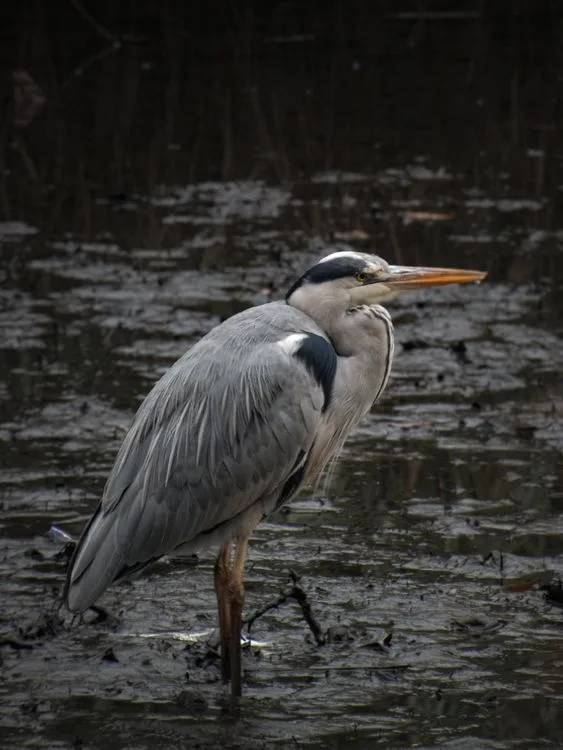
If you are trying to tell a stork apart from an Ardeidae species, look at the way they hold their heads when perched. Herons and egrets tend to pull their necks inward against their chest. Storks, by contrast, keep their necks relatively loose or tucked in a way that emphasizes their heavy, downward-pointing bills.
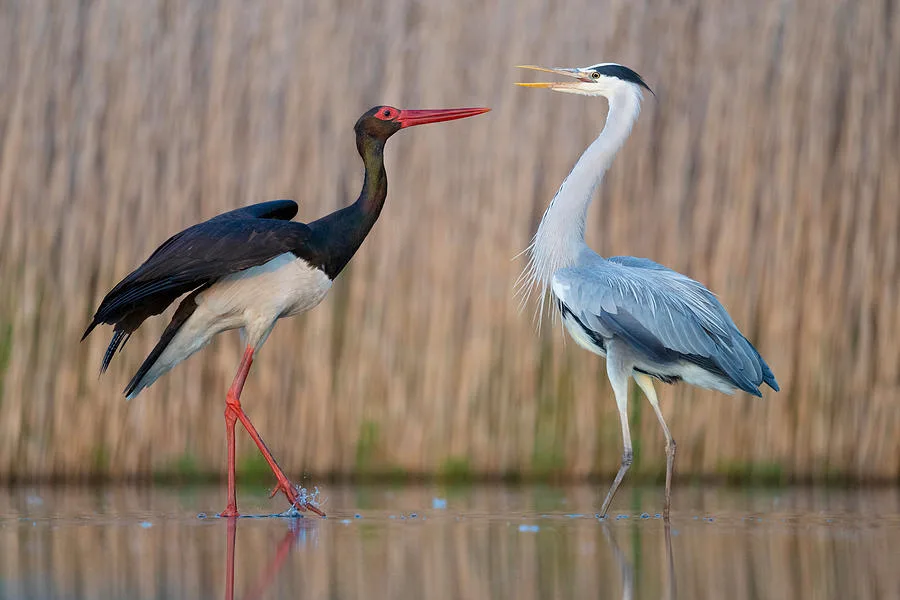
Image source: Bing (Web (fair-use with source credit))
Cranes are often larger and more vocal than storks. While a stork will clatter its mandibles to create a rhythmic sound, a crane will produce a loud, trumpeting call. You can find more detailed taxonomic data on these distinctions through the Cornell Lab of Ornithology, which provides comprehensive resources for bird identification.
It helps to remember that storks are silent performers. If you hear a high-pitched call from a wading bird, it is likely not a stork. If you hear a dry, wood-on-wood clattering sound, you have likely found the source.
Regional Profiles: Storks You Might Encounter
Not all storks inhabit the same geographic regions, and their appearances vary widely by location. The White Stork is perhaps the most famous, commonly seen nesting on chimneys and rooftops across Europe. Its striking black-and-white plumage makes it a favorite for photographers and local conservationists.
In sub-Saharan Africa, you may encounter the Marabou Stork. This species is easily recognized by its distinctive, dangling throat sac and completely bald, pinkish head. It is a scavenger that plays a vital role in cleaning up ecosystems by consuming carrion.
Common Stork Variations
| Species | Primary Region | Distinguishing Trait |
|---|---|---|
| White Stork | Europe/Western Asia | Red legs and bill |
| Wood Stork | The Americas | Scaly gray head |
| Painted Stork | South Asia | Pink secondary feathers |
| Marabou Stork | Africa | Large throat pouch |
The Wood Stork is the only member of this family that breeds in the United States, primarily within the Florida wetlands. The U.S. Fish and Wildlife Service monitors these populations closely, as their presence is a clear indicator of healthy, functioning wetland environments.
Pro-Level Field Tips for Accurate Observation
To become proficient at identifying different types of storks, you must become a student of behavior. These birds are master soarers. They rarely flap their wings unnecessarily, preferring to ride thermal updrafts to save energy during their long-distance migrations.
When you spot a bird circling high in the sky, keep your binoculars trained on its wings and neck. If the bird glides in large circles without flapping, look for the straight neck extension. This behavior is common in many stork species, including the Black Stork and the White Stork, as they move between nesting and feeding sites.
- Patience pays off: Storks are ambush predators. They will stand perfectly still for long durations. Do not move on if the bird seems inactive.
- Observe the habitat: Storks prefer shallow water or grasslands. If you see a large bird in deep, open water, it may be a different type of waterfowl.
- Check the season: Migration timing is essential for sightings. Many storks are highly migratory and follow established "thermal corridors" across continents.
Conservation, Legal Status, and Habitat Awareness
Storks are sensitive indicators of ecosystem health. Because they occupy high trophic levels, their presence suggests a robust supply of fish, amphibians, and small prey within a wetland. When you observe these populations fluctuating, it often signals wider environmental stress within the local watershed.
Legal protections for these birds vary significantly by region. In the United States, the Wood Stork falls under the protection of the Migratory Bird Treaty Act and the Endangered Species Act. These regulations prohibit the unauthorized taking or disturbance of nests, making it vital for birders and photographers to maintain a respectful distance.
Conservation efforts focus largely on preserving floodplain connectivity and water quality. If you visit protected wetlands, stick to marked trails to avoid disrupting foraging behavior. Many species are highly susceptible to human encroachment, which can cause them to abandon sensitive nesting colonies during the breeding season.
Check local regulations before you venture into remote habitats. Many wildlife refuges implement seasonal closures to protect nesting storks. These policies are grounded in population data, so respecting them helps ensure these birds continue to thrive in their natural range.
Frequently Asked Questions
Why do storks make a clattering sound?
Storks lack a syrinx, which is the specialized organ that allows most birds to sing or chirp. To communicate with their mates or defend territory, they rapidly click their mandibles together. This creates a dry, rhythmic sound that can be surprisingly loud across a quiet wetland.
How do I tell a stork from a crane?
You can spot the difference by checking the neck and bill. Storks fly with their necks fully extended and possess thick, heavy bills for grasping prey. Cranes often have longer, more slender bills and fold their heads slightly differently when soaring.
Their vocalizations are also distinct, as cranes produce loud, resonant calls.
Where is the best place to find storks?
Storks typically congregate in wetlands, shallow floodplains, and damp grasslands. They rely on these areas for their primary diet of fish and frogs. Many species also use thermal corridors to migrate, so look for them circling high in the sky during seasonal changes.
Are all storks migratory?
Many stork species are migratory, though some populations remain resident if their habitat provides consistent food year-round. Migration patterns are often linked to seasonal water availability. Research indicates that some White Storks travel thousands of miles between their breeding grounds in Europe and wintering sites in Africa.
Can I feed storks in the wild?
Feeding wild storks is strongly discouraged by wildlife experts and environmental agencies. Providing human food can disrupt their natural foraging instincts and lead to dependency. It can also expose them to malnutrition or introduce harmful pathogens into the colony.
Always observe from a distance and leave no trace behind.