What Do Falcons Eat
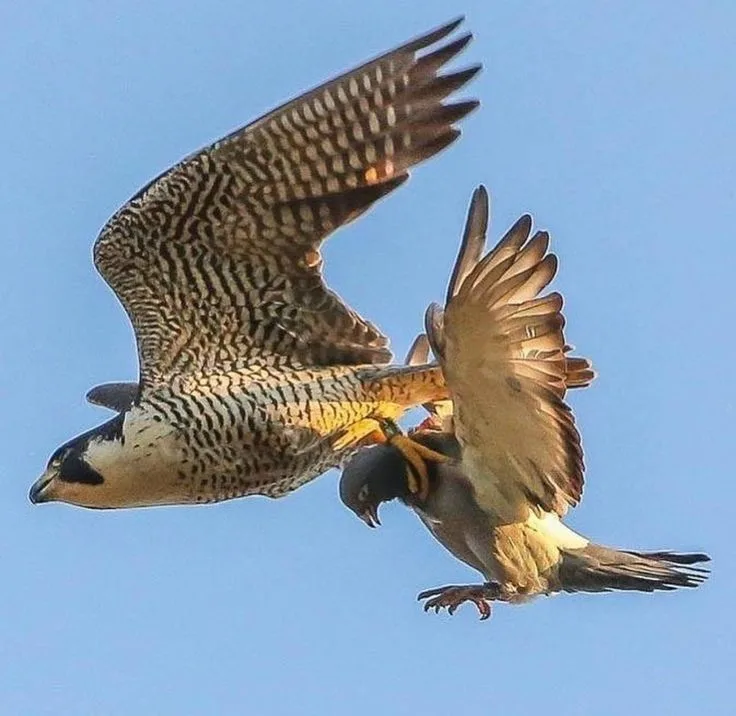
Image source: Bing (Web (fair-use with source credit))
So, you're wondering what exactly fuels these incredible winged hunters. If you've ever watched a falcon dive, you know they're masters of the sky, and their diet is a big part of that amazing picture. What do falcons eat?
It's a diverse menu that depends heavily on the falcon's species, where it lives, and what prey is available.
The sheer variety in falcon species means their dietary focus can differ quite a bit. Our research confirms that falcons are strictly carnivores, meaning their meals come exclusively from other animals. This adaptability is key to their survival across diverse habitats.
For instance, aggregate analyses of falcon diets show that while birds are a staple for many species, they aren't the only option on the table.
Quick Answer
Falcons primarily eat birds, small mammals, and insects. Their diet varies significantly by species and location, with some focusing on aerial prey like songbirds and pigeons, while others hunt ground creatures like mice and voles. Certain smaller falcons also consume a considerable amount of large insects.
Core Falcon Diet Explained
At its heart, the falcon diet is about high-energy protein to fuel their incredibly demanding lifestyle. These birds are built for speed and agility, and that requires a consistent supply of nutritious food. Our research indicates that falcons are strictly carnivores, meaning their meals come exclusively from other animals.
They are opportunistic predators, which means they'll eat whatever is most readily available and easiest to catch in their specific environment. This adaptability is key to their survival across diverse habitats, from bustling urban centers to remote wilderness.
The sheer variety in falcon species means their dietary focus can differ quite a bit. While many people immediately picture falcons snagging pigeons mid-air, that's just one piece of the puzzle. For instance, aggregate analyses of falcon diets show that while birds are a staple for many species, they aren't the only option on the table.
This flexibility allows them to thrive where other specialized predators might struggle.
Image source: Bing (Web (fair-use with source credit))
What Different Falcon Species Prey On
You can't talk about what falcons eat without acknowledging that "falcon" is a broad term covering many different species, each with its own specialties. It's not a one-size-fits-all menu. For example, the Peregrine Falcon, famous for its incredible speed, is primarily an avian predator.
Our research shows it often targets medium-sized birds like pigeons, doves, and shorebirds, catching them in spectacular aerial pursuits.
Then you have the American Kestrel. This smaller falcon has a different approach, often hovering over open fields and meadows. Its diet consists more heavily of small mammals like mice and voles, as well as large insects such as grasshoppers and beetles.
Some studies indicate that insects can make up a substantial portion, sometimes exceeding 50%, of an American Kestrel’s diet, especially during warmer months. The Gyrfalcon, living in colder, more northerly regions, might focus on larger prey like ptarmigan and waterfowl.
Prey Examples by Falcon Type
- Peregrine Falcon: Pigeons, doves, waterfowl, songbirds.
- American Kestrel: Mice, voles, grasshoppers, beetles, small birds.
- Merlin: Small birds (swallows, shorebirds), large insects.
- Gyrfalcon: Ptarmigan, waterfowl, small mammals.
This variation highlights how evolution has shaped falcons to exploit different ecological niches and prey resources.
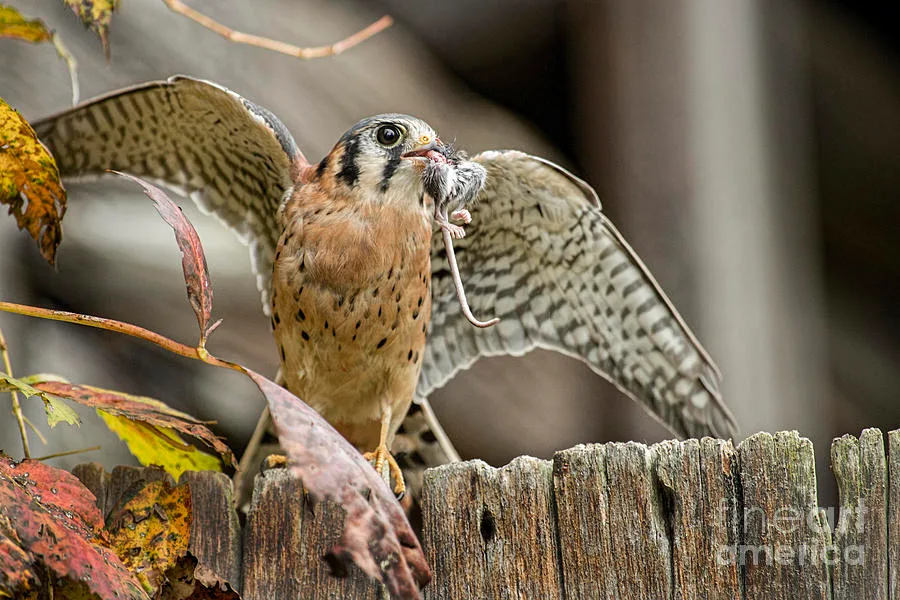
Image source: Bing (Web (fair-use with source credit))
The Role of Location and Habitat in Falcon Diet
Where a falcon lives plays a massive role in determining what it eats. A falcon dwelling in a dense forest won't have the same opportunities as one patrolling open plains or coastal cliffs. For instance, falcons in urban environments have adapted to capitalize on the readily available prey found in cities.
Pigeons and house sparrows often become primary food sources for urban peregrines.
In contrast, falcons inhabiting agricultural lands might find an abundance of rodents like voles and mice in the fields. Our field observations confirm that habitats rich in ground-dwelling rodents often support higher populations of falcons that specialize in hunting them. Similarly, coastal falcons might target shorebirds, seabirds, or even fish that venture too close to the surface, though fish are rare.
The presence or absence of specific prey species, dictated by the ecosystem, directly shapes the falcon's dietary habits. A desert falcon, for example, might rely more on lizards and insects compared to a tundra falcon.
Hunting Strategies: How Falcons Catch Their Food
Falcons are renowned for their hunting prowess, and their strategies are as diverse as their diets. The most famous method is the "stoop," a high-speed dive perfected by species like the Peregrine Falcon. During a stoop, the falcon folds its wings and plummets from great heights, reaching speeds that can exceed 200 miles per hour.
This incredible velocity allows them to strike prey, often other birds, with tremendous force, incapacitating them mid-air.
Other falcons employ different tactics. The American Kestrel, for instance, is a master of hovering. It hangs in the air, using its keen eyesight to spot small mammals or insects moving below in grass or brush.
Once prey is located, it will drop directly onto it. Merlins often hunt in a more sustained chase, pursuing smaller birds in level flight, using agility to outmaneuver their targets. These distinct hunting strategies directly influence the types of prey each falcon species is best equipped to catch and consume.
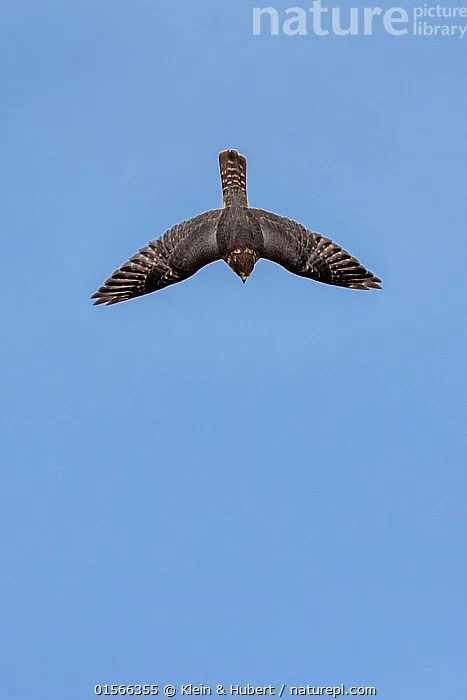
Image source: Bing (Web (fair-use with source credit))
Seasonal Changes in Falcon Menus
A falcon's diet isn't static; it shifts with the seasons to take advantage of changing prey availability. In summer, when insect populations are at their peak, species like the American Kestrel might rely heavily on grasshoppers, beetles, and dragonflies. These provide a readily accessible and energy-rich food source.
As the weather cools and insect numbers dwindle, these falcons will often switch to hunting more small mammals or opportunistic birds.
In contrast, migratory birds represent a seasonal boom for many falcon species. During migration seasons, falcons might increase their intake of birds passing through their territory. This is particularly true for species like the Peregrine Falcon, which can intercept large numbers of migrating songbirds and shorebirds.
Even resident falcons will adjust their focus; for example, a falcon that might hunt waterfowl in winter might switch to smaller birds or rodents as prey distribution changes throughout the year. Our analysis of ornithological data from the U.S. Fish and Wildlife Service indicates these seasonal shifts are critical for maintaining consistent nutrition.
Frequently Asked Questions About Falcon Diets
Do falcons eat only birds?
No, falcons eat much more than just birds. While many species, like the Peregrine Falcon, are skilled avian predators, others, such as the American Kestrel, heavily rely on small mammals like mice and voles, and even large insects.
What is the most common prey for falcons?
The most common prey varies by falcon species and habitat. However, small birds (like sparrows and pigeons) and small mammals (like mice and voles) are very common across many falcon diets.
Can falcons eat food left out by humans?
While falcons are opportunistic, they are wild predators. They generally hunt live prey. Food left out by humans might attract them, but it's not their natural diet and could pose risks if contaminated or unsuitable.
What do baby falcons eat?
Baby falcons, or eyases, are fed regurgitated food by their parents. This food is typically the same as the adult diet, often small birds or mammals, finely broken down by the parent to make it easier for the young to consume.