Why Are Egrets White
You've seen them, those elegant, all-white birds wading through marshes or standing statue-still in shallow water. Ever stopped to wonder why they're so consistently, brilliantly white? It's a natural wonder that boils down to a fascinating biological quirk.
This characteristic white plumage isn't just for show; it serves important purposes for their survival. Research indicates that the absence of pigment in their feathers plays a key role in their ability to thrive in specific environments, a trait shared across various egret species.
Quick Answer: The Melanin Mystery Solved
Egrets are white because their feathers lack melanin pigment. Melanin is the natural substance that gives feathers their dark colors.
This absence allows them to blend into bright backgrounds. It helps them hunt and hide effectively. This trait is common in egret species.
Core Explanation: It's All About the Pigment (or Lack Thereof!)
So, let's get down to brass tacks. The reason egrets sport that signature white look is all about what their feathers don't have, rather than what they do. Most birds get their colors from special pigments, and the primary one responsible for darker shades in feathers, like browns, blacks, and even some reds, is called melanin.
Think of melanin as the "color maker" for a bird's plumage. Its production happens within specialized cells in the feather follicles. When these cells are active and producing melanin, the pigment gets deposited into the growing feather, giving it its characteristic hue.
Egrets, however, have evolved to have a significantly reduced capacity for melanin production in their feathers. This lack of melanin means that instead of absorbing light and reflecting color, the feather structure simply reflects almost all the light that hits it, making it appear white to our eyes. It's not that they're painted white; it's that the natural coloring process is essentially turned off for their feathers.
Features & Attributes: White Plumage Explained
The defining feature of an egret is undoubtedly its striking white plumage. This isn't a random occurrence; it's a specific biological attribute that impacts their life in fundamental ways. The feathers themselves, while white, are structurally typical for birds.
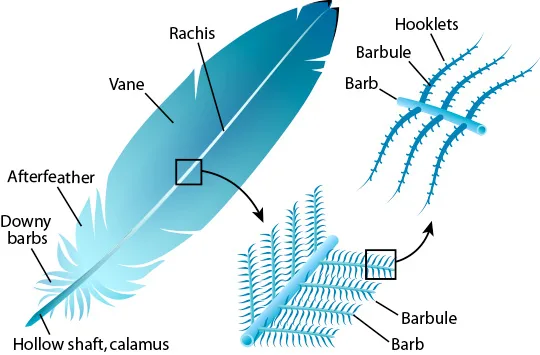
They are composed of keratin, the same protein found in our fingernails and hair. However, unlike feathers that contain melanin, egret feathers have very little to none of this pigment.
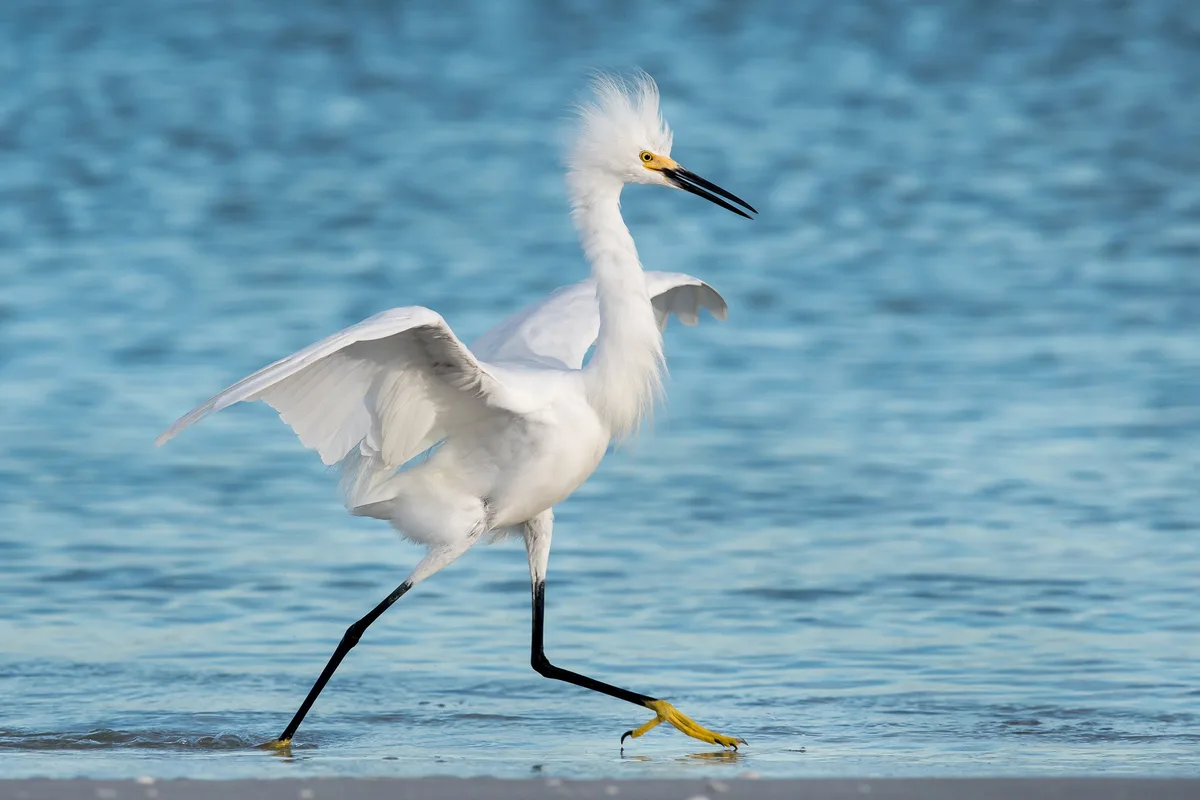
This absence of melanin means that the feathers are essentially translucent when viewed under a microscope, and they reflect light broadly, giving them their bright, stark appearance. This characteristic white color is consistent across many egret species, from the Great Egret to the Snowy Egret. It's a highly visible trait, which, contrary to what you might first think, offers significant survival advantages in their natural habitats.
This uniformity in color makes them easily identifiable as egrets, regardless of their specific species.
Benefits & Advantages: Why White Works for Egrets
Being white isn't just a passive trait for egrets; it's an active advantage that helps them survive and thrive. The most significant benefit is camouflage, particularly in their preferred environments. Egrets are wading birds, and they often forage in open, shallow water, marshes, and along coastlines.
In these settings, especially on bright, sunny days, their white plumage allows them to blend seamlessly with the bright sky and the glare reflecting off the water's surface.
This camouflage is crucial for two main reasons:
- Stealth Hunting: When an egret is hunting for fish, frogs, or insects, being able to approach its prey undetected is key. Their white color makes them less conspicuous against the bright backdrop, allowing them to get closer to unsuspecting prey before striking. This means fewer missed meals and a more efficient food-gathering strategy.
- Predator Evasion: The same camouflage that helps them hunt also helps them avoid becoming prey themselves. Many predatory birds hunt from above. Against a bright sky, a white egret can be harder for a raptor to spot, offering a degree of protection. This visual trick is a fundamental aspect of their survival strategy, as confirmed by ornithological research.
Mistakes to Avoid: Misconceptions About Bird Color
When we think about bird colors, we often assume they're for display or attracting mates, and while that's true for many species, it's not the primary driver for an egret's white color. A common misconception is that their white plumage is purely for show, perhaps to look elegant or to signal something obvious to other birds. However, relying solely on display as the reason overlooks the critical survival benefits.
It's also a mistake to think that all white birds are necessarily albinos. Albinism is a genetic condition where an animal lacks all pigment, often resulting in pink eyes and a completely colorless appearance. Egrets are not albinos; they are typically healthy birds with a specific genetic trait that prevents melanin production in their feathers.
For instance, many egret species, like the Great Egret (Ardea alba), are known for their all-white feathers as a standard characteristic, not a genetic anomaly. Understanding this distinction is key to appreciating their natural biology.
Real Scenarios: Egrets in Their Natural Habitats
Picture this: a sun-drenched wetland, the air alive with the hum of insects and the gentle lapping of water. An egret stands motionless, its long neck poised, its white form almost melting into the bright sky above and the shimmering water below. This is a typical scene, illustrating the practical application of their white coloration.
In these scenarios, the egret's whiteness acts as an incredibly effective camouflage. It’s not just about blending in; it’s about becoming virtually invisible to both prey and potential predators. Imagine you're a small fish darting through the shallows.
The last thing you might expect is a large, white shape suddenly appearing against the glare of the sun on the water. The egret uses this visual advantage to its full potential.
Similarly, a soaring hawk might scan the wetlands for movement. Against the vast expanse of the sky, an egret's white silhouette can be much harder to pick out than if it were, say, brown or black. This ability to disappear visually into its environment is a critical survival mechanism, deeply ingrained in how egrets interact with their world.
This adaptability is a hallmark of species that have successfully navigated diverse ecological niches for centuries.