Why Do Toucans Have Large Beaks
You've probably seen a toucan and done a double-take at its enormous, brightly colored beak. It’s a question that often comes up: why do toucans have large beaks that seem almost comically oversized compared to their bodies? It turns out that this striking feature isn't just for looks; it's a remarkable evolutionary adaptation that plays a crucial role in their survival.
Our research confirms that this impressive bill is a multi-tool, serving functions far beyond what you might initially imagine. In fact, a toucan's beak can be up to half the length of its entire body! Let's explore the fascinating reasons behind this unique avian trait.
Quick Answer
Toucans have large beaks primarily for reaching fruit in dense rainforests and for thermoregulation. The beak's lightweight structure allows them to pluck food from distant branches, while its rich blood supply helps dissipate body heat in warm climates. It also aids in communication and defense.
The Toucan's Beak: A Visual Wonder
When we talk about toucans, the beak is undeniably the star of the show. Its sheer size and vibrant, often multi-colored appearance are what make these birds so distinctive. However, understanding why it's so large requires looking beyond just its aesthetic appeal.
The beak's proportions are directly linked to its functionality in the toucan's environment.
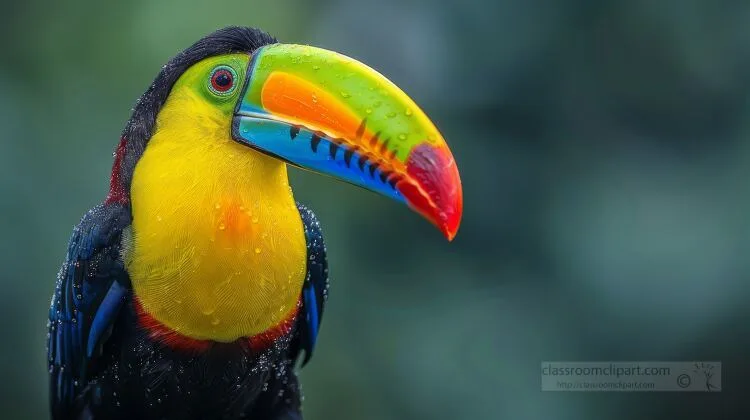
Image source: Bing (Web (fair-use with source credit))
What's truly remarkable is how evolution has engineered this seemingly cumbersome appendage. It’s not solid bone; instead, it's a lightweight keratin structure, similar to our fingernails, featuring a porous, honeycomb-like interior. This design is key to allowing the toucan to maneuver it effectively.
This structural marvel is a prime example of how animals adapt to their ecological niches, and understanding its composition is the first step to appreciating its purpose.
What Makes the Toucan's Beak So Special?
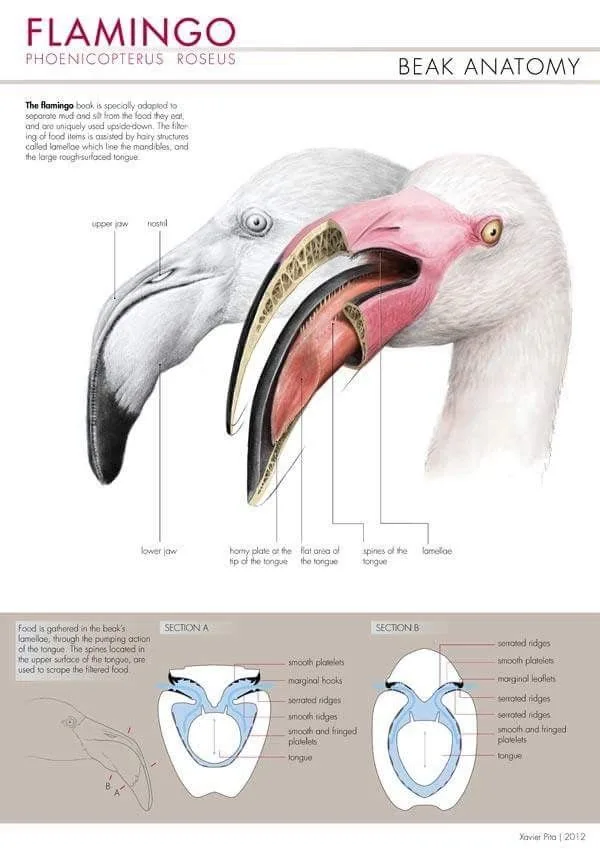
The toucan's beak is a masterpiece of biological engineering. It's primarily constructed from keratin, a tough protein also found in our hair and nails. But here’s the cool part: the internal structure is a network of thin, bony struts forming a honeycomb-like matrix.
This design makes the beak incredibly strong yet surprisingly light, a crucial combination for a flying creature.
Scientific analyses indicate that the beak can weigh as little as 1/20th of the bird’s total body weight, despite its large surface area. This lightness is essential; imagine trying to fly with a heavy, solid object attached to your face! This inherent efficiency is a testament to nature's ability to solve complex problems with elegant solutions, a principle also observed in materials science research from institutions like the National Institute of Standards and Technology (NIST).
How the Beak Helps Toucans Reach Their Food
One of the most significant reasons for the toucan's oversized beak is its role in foraging, especially for fruit. Toucans are primarily frugivores, meaning fruit makes up a large portion of their diet. Their rainforest habitats are often dense, with ripe fruits hanging just out of reach on delicate branches.
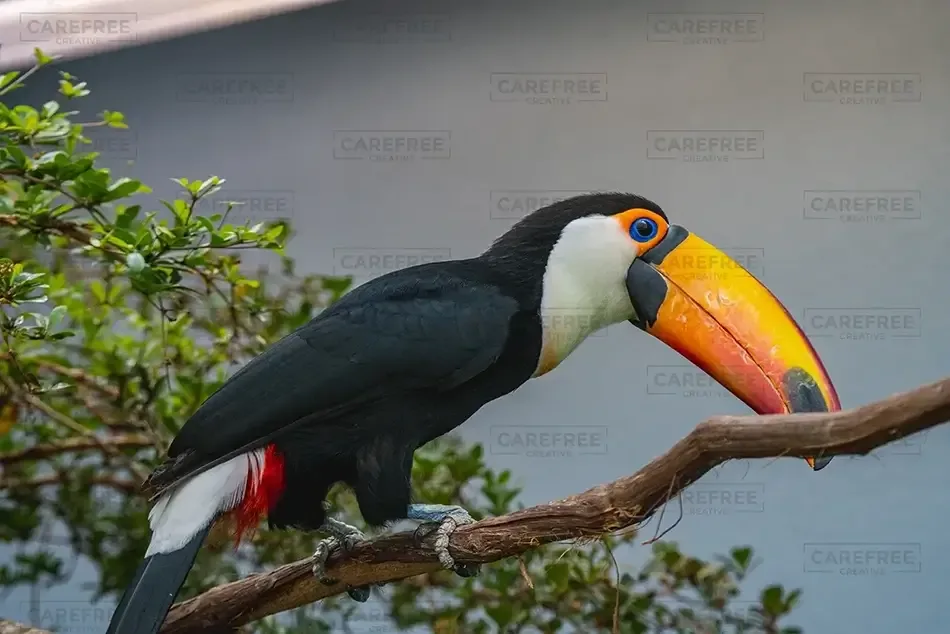
Image source: Bing (Web (fair-use with source credit))
That long beak acts like an extension of their body, allowing them to pluck fruits from these precarious positions without needing to step onto branches that might snap under their weight. It effectively increases their reach, giving them access to food sources that other birds might miss. This foraging strategy is particularly important in environments where competition for food can be fierce.
The beak’s length and grip allow for precise manipulation of food items, ensuring they can secure their meal with minimal effort.
The Beak as a Natural Air Conditioner
Beyond its use in obtaining food, the toucan’s beak serves a vital thermoregulation function, especially in the hot, humid climate of tropical rainforests. This large bill is packed with blood vessels, and it acts like a natural radiator. When the toucan gets too warm, blood flow to the beak increases.

Image source: Bing (Web (fair-use with source credit))
As blood circulates through the beak’s extensive network of capillaries, excess body heat is dissipated into the surrounding air. Research suggests that in hot conditions, a toucan can release a substantial amount of its body heat through its beak, helping to keep its internal temperature stable. This ability to manage body heat is critical for survival in a tropical environment where temperatures can soar.
This biological cooling system is a remarkable adaptation, allowing toucans to thrive in conditions that might be challenging for other species.
More Than Just Eating: Other Uses for the Toucan's Bill
While reaching for fruit and cooling down are major functions, the toucan's beak is a versatile tool that aids in several other aspects of its life. It’s not just about sustenance; it’s about survival and social interaction too.
- Predation and Defense: Though primarily fruit-eaters, toucans are opportunistic omnivores. Their large beaks are adept at catching insects, small lizards, and even raiding the nests of other birds for eggs and nestlings. The serrated edges, present on some species, help them grip and tear food. The beak also serves as a formidable defensive weapon against potential predators.
- Communication and Display: The beak’s vibrant colors and impressive size also play a role in social signaling. It’s believed to be important for attracting mates, with males displaying their large, colorful bills to impress females. This visual display is a key component of their courtship rituals and helps in species recognition within mixed-bird environments.
- Nesting Assistance: While not their primary purpose, toucans can use their beaks to help enlarge or modify nesting cavities in trees, often in decaying wood. This provides them with safe places to lay their eggs and raise their young.