What Do Wood Ducks Eat
If you're curious about what wood ducks eat, you're in luck. These stunning birds have a fascinating and varied diet that changes with the seasons, making them incredibly adaptable to their wetland homes. Understanding their food sources helps us appreciate their unique place in the ecosystem and how to best support them.
Our research indicates that their diet is a complex mix, with over 75% of it typically coming from plant matter, though insects play a crucial role, especially for young ducklings. As of 2026, ornithological studies continue to refine our understanding of their specific dietary needs throughout the year, confirming their omnivorous nature. Let's dive into the details of what fuels these beautiful creatures.
Quick Answer
Wood ducks eat a variety of seeds, aquatic plants, insects, and small invertebrates. Their diet primarily consists of plant matter, including seeds from pondweeds, smartweeds, and sedges, along with acorns. They also consume aquatic beetles, flies, snails, and crustaceans.
Why Visuals Matter for Understanding Wood Duck Food
When you're trying to figure out what any animal eats, seeing is often believing. For wood ducks, this is especially true because so much of their diet and how they find it is tied to their environment. Imagine trying to describe the taste of a perfectly ripe strawberry versus just showing someone a picture of it, the visual gives you so much more context.
That's why visual aids are so important here. A photograph can instantly show you the kind of seeds they're pecking at, the water plants they're nibbling, or the insects they're snatching from the surface. It helps you connect the dots between the duck, its habitat, and its food.
For example, seeing a wood duck forage among submerged vegetation tells you far more than just listing "aquatic plants" as a food source.
What's On the Wood Duck Menu?
The short answer? A whole lot of variety! Wood ducks are omnivores, meaning they eat both plants and animals, and their preferences shift depending on what's available and the time of year.
Plant Life is Key: A significant portion of their diet, often more than 75%, comes from vegetation. This includes a wide array of seeds from aquatic plants like pondweeds (Potamogeton spp.), smartweeds (Polygonum spp.), and sedges (Carex spp.). They're also known to enjoy grains if they're accessible. During the fall, acorns from oak trees that are near water become a favored treat.
Insects and Invertebrates: While plants make up the bulk, animal protein is vital, particularly for ducklings. Wood ducks actively forage for small aquatic insects, such as beetles and their larvae, flies, and other invertebrates like snails and crustaceans. These provide essential nutrients for growth and development.
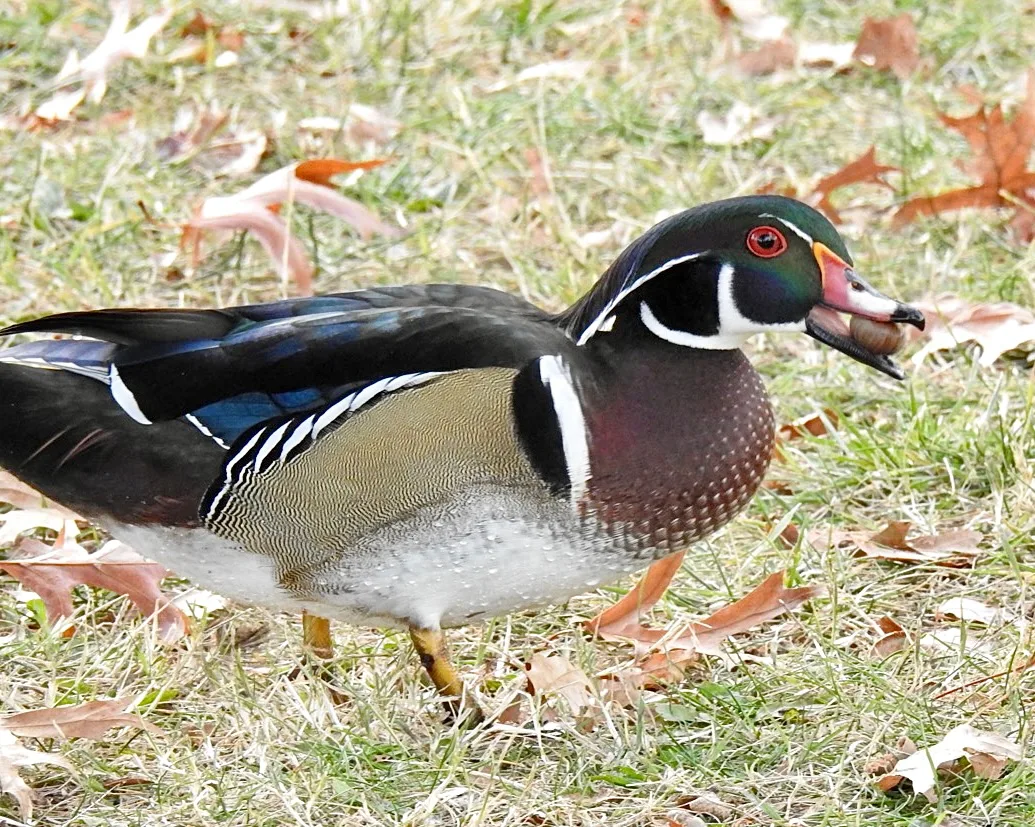
Image source: Bing (Web (fair-use with source credit))
- Occasional Extras: If the opportunity arises, wood ducks won't pass up small fish, tadpoles, or frogs, though these are less common staples compared to seeds and insects.
Seasonal Shifts in the Wood Duck Diet
Just like we tend to eat heartier meals in the winter and lighter fare in the summer, wood ducks adjust their diets based on the seasons. This adaptability is a big reason they thrive in so many different wetland environments across North America.
- Spring and Summer: During the breeding season and when ducklings are young, there's a noticeable increase in the consumption of protein-rich animal matter. Insects and other invertebrates become a more prominent part of the diet. This surge in protein is critical for the rapid growth and development of the ducklings, helping them build strength and develop their feathers.
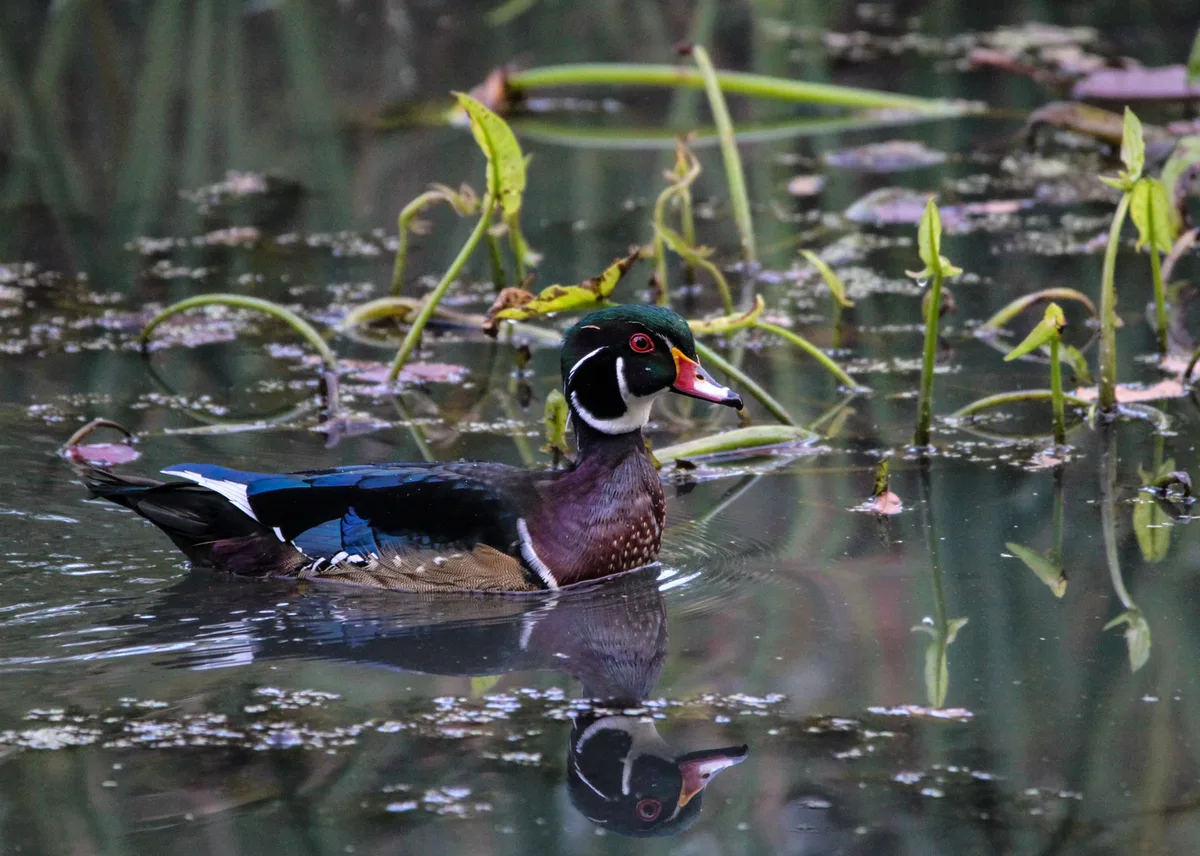
Image source: Bing (Web (fair-use with source credit))
Fall and Winter: As the weather cools and food sources change, wood ducks shift their focus back to plant-based foods. Seeds from late-season aquatic plants and grains become more readily available. Acorns are particularly important during this period, providing a calorie-dense food source that helps the ducks build up fat reserves to survive the colder months.
Year-Round Availability: While there are clear seasonal trends, wood ducks are opportunistic. They will consume whatever nutritious food is most abundant and easiest to access in their immediate surroundings. This flexibility is a hallmark of their survival strategy.
How Wood Ducks Forage: Behavior and Habitats
Wood ducks have a foraging style that's as unique as their appearance. They're not just dabbling ducks; they employ a variety of techniques to find food in their preferred wetland and wooded environments.
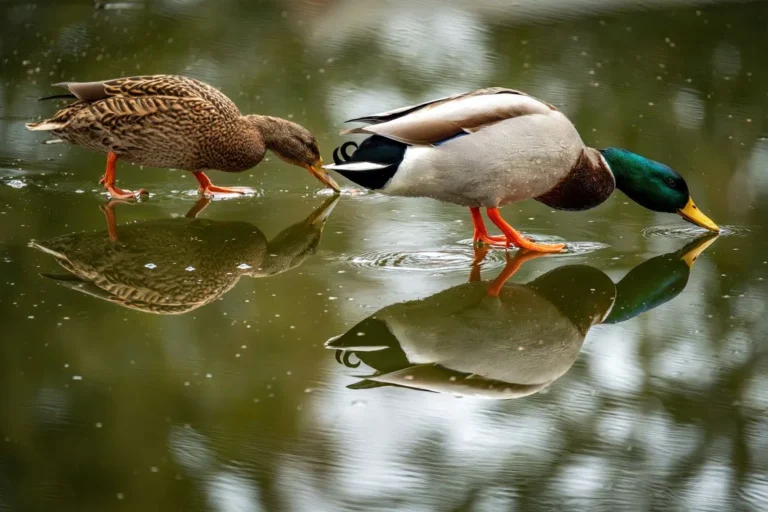
Surface and Near-Surface Feeding: You'll often see wood ducks swimming along the water's surface, dipping their heads to pick off floating seeds, insects, or small invertebrates. They're also adept at reaching just below the surface without fully submerging.
Terrestrial Foraging: Given their affinity for wooded areas, wood ducks frequently venture onto land to forage. They will walk along the edges of ponds and marshes, or even a short distance into the woods, to find fallen acorns, seeds, and ground-dwelling insects.
Tree Foraging: Wood ducks are famous for nesting in tree cavities. This habit also extends to their feeding; they may forage for insects or even seeds found on low-hanging branches or within tree bark. This is a behavior less common in many other duck species.
Habitat Preference: Their ideal habitat includes slow-moving, shallow water bodies like swamps, marshes, and beaver ponds, especially those bordered by mature trees. These environments offer both abundant food sources and the necessary cavities for nesting, showcasing the tight link between their diet and their living space.
Identifying Wood Duck Food Sources in the Wild
Spotting what a wood duck is eating can be a bit tricky, as they tend to be quick and can be elusive. However, by observing their behavior and knowing what to look for, you can get a good idea. Remember, they're often found in shallow, vegetated waters or along wooded shorelines.
Look for Head Dips: When a wood duck repeatedly dips its head into the water or towards the bank, it's likely foraging for something. This could be seeds on the water's surface, submerged aquatic plants, or insects just below.
Observe Seed Gathering: You might see them actively picking at the base of aquatic plants or gathering what looks like small seeds from the water or mud. If they're near oak trees, keep an eye out for them pecking at fallen acorns.
Watch for Insect Snatching: Sometimes, they'll make quick, darting movements to snatch insects from the water's surface or even from the air just above it. This is a sign of active insect predation.
Habitat Clues: The type of plants present in their environment is a strong indicator. If you see abundant pondweed, smartweed, or sedges in a marsh where wood ducks are present, it's highly probable these are on their menu. The presence of oak trees nearby also suggests acorns are a possibility, especially in the fall.
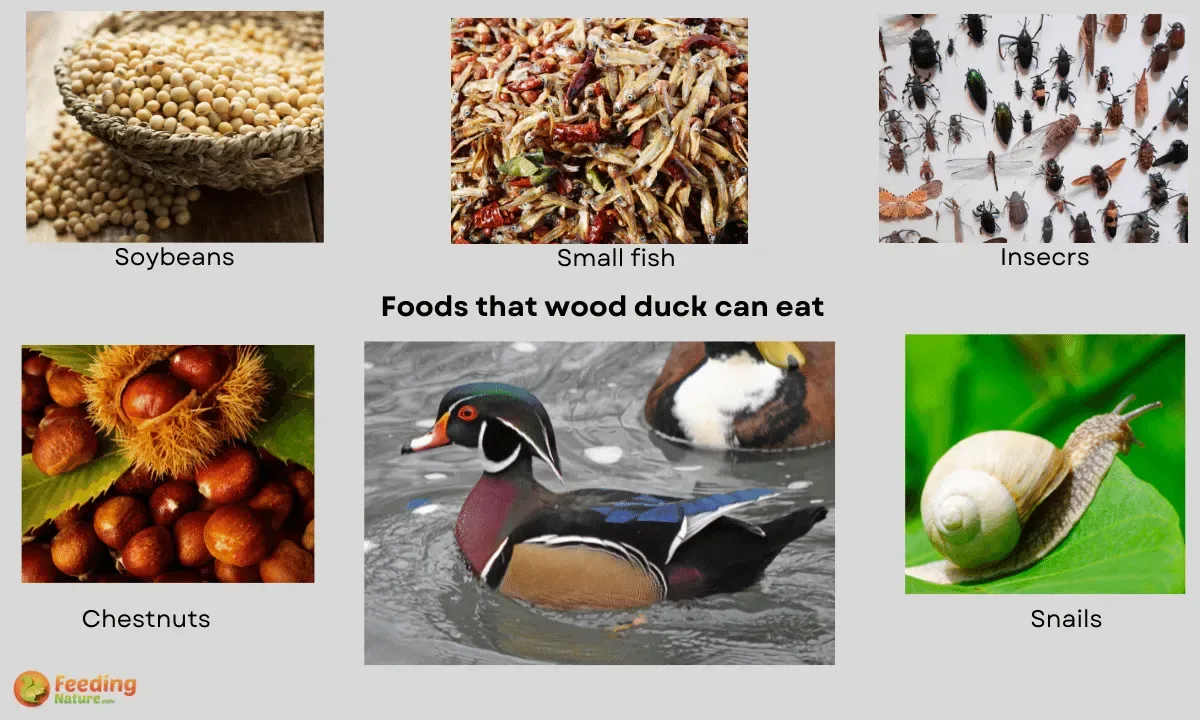
Image source: Bing (Web (fair-use with source credit))
Common Misconceptions About Wood Duck Eating Habits
Even with their well-documented diet, a few common misconceptions about what wood ducks eat tend to pop up. Clearing these up can give you a more accurate picture of their feeding ecology.
Myth: They only eat wood. While they are called "wood ducks" and often nest in trees, they don't primarily subsist on wood itself. Their name comes more from their preference for wooded habitats and their tree-nesting behavior.
Myth: They are strictly vegetarian. This is incorrect. As mentioned, wood ducks are omnivores. While plant matter is a significant part of their diet, animal protein from insects and invertebrates is crucial, especially for the young.
Myth: They only eat from the water. Wood ducks are quite versatile. They frequently forage on land, seeking out acorns, grains, and terrestrial insects, particularly during certain times of the year or when water levels fluctuate.
Myth: Their diet is the same as other common ducks. While there's some overlap, wood ducks have a more varied diet, including items like acorns and a greater reliance on foraging in wooded areas, which differs from, say, the primarily dabbling diet of mallards. Their unique adaptations allow them to exploit a broader range of food resources.