What Is the Smallest Parrot Species
Have you ever wondered about the tiniest members of the parrot family? When you think of parrots, you might picture vibrant macaws or chatty Amazons, but nature has created some truly miniature marvels. This exploration answers precisely what is the smallest parrot species, focusing on the scientific classification and distinguishing features of these petite birds.
These incredibly small parrots are fascinating for their unique adaptations and their vital role within their specific ecosystems. Our research indicates that the Buffering's Pygmy Parrot holds this title, measuring in at an astonishingly small size that belies its vibrant personality. We'll also look at why visuals are so important when understanding just how small these birds truly are.
Why Visuals Matter for the Smallest Parrot
When we talk about the smallest parrot species, numbers and measurements can only go so far. To truly grasp how diminutive these birds are, you need to see them. Visuals help us understand scale in a way that text alone can't achieve.
Comparing a Buffering's Pygmy Parrot to a more familiar small bird, like a sparrow or finch, shows a remarkable difference. You'll notice their proportions, their delicate features, and how easily they could be overlooked in their natural habitat without a keen eye. This is where seeing them in a photograph or illustration makes all the difference.
Meet the Tiny Champion: Buffering's Pygmy Parrot
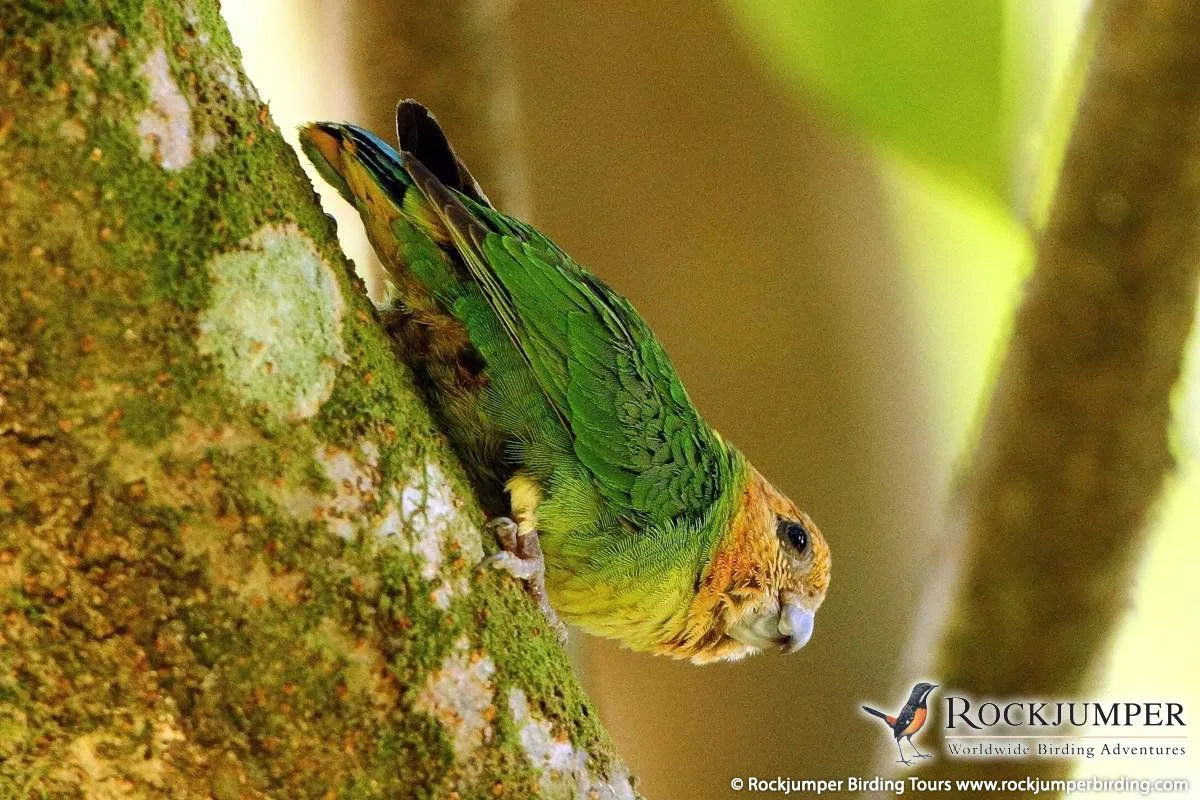
The undisputed champion for the title of the smallest parrot species is the Buffering's Pygmy Parrot (Gannai pygmaeus). These little birds are found in the lush rainforests of New Guinea and are truly a marvel of miniaturization in the avian world. They are so small that they can easily be mistaken for large insects or even leaves if you aren't looking closely.
Their scientific classification places them within the Psittaculidae family, a diverse group that includes many familiar parrot species. However, the Buffering's Pygmy Parrot stands out dramatically due to its exceptionally small size. It's not just a little smaller than other parrots; it's in a league of its own when it comes to being pocket-sized.
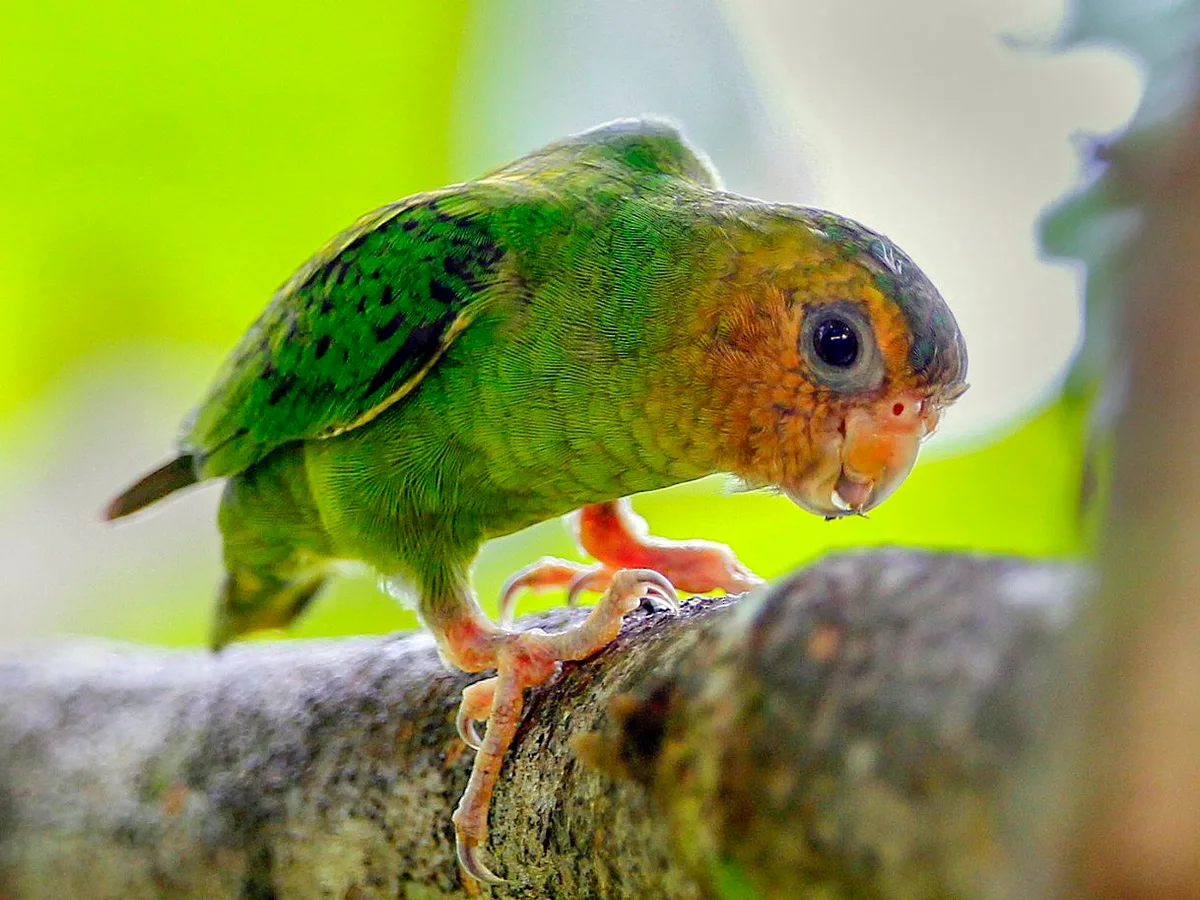
Size Specs: Measuring the Miniature
To understand just how small the Buffering's Pygmy Parrot is, let's look at the hard numbers. These specifications are crucial for ornithologists and bird enthusiasts alike. They highlight the extreme end of avian miniaturization.
- Length: These parrots typically measure around 8 centimeters (approximately 3 inches) from the tip of their beak to the end of their tail. This is shorter than many common songbirds.
- Weight: Their average weight hovers around 15 grams, which is less than two U.S. quarters. This feather-light build is essential for their lifestyle.
- Wingspan: While precise wingspan data can vary, it's proportionate to their body size, allowing for agile flight within dense foliage.
What Makes Them So Small?
The evolution of such a small parrot species is a complex interplay of environmental pressures and specific adaptations. Their tiny size isn't accidental; it serves distinct purposes that help them survive and thrive. Their development is a testament to nature's ability to fill every ecological niche.
Their small stature is primarily an adaptation to their specific food sources and habitat. In the dense rainforests of New Guinea, where they are found, fitting into tight spaces and consuming small food items is a significant advantage. This size also influences their nesting behaviors and predator avoidance strategies.
Spotting the Pygmy Parrot: Field Guide Tips
Spotting a Buffering's Pygmy Parrot in the wild is a true test of patience and keen observation. Their small size and excellent camouflage make them incredibly difficult to find. They are masters of disguise, blending seamlessly into their environment.
Their green plumage, which mimics the leaves of their habitat, is a primary factor in their elusiveness. They often stay still, especially when they sense a potential threat, making them appear as just another part of the foliage. Their movements are also quick and darting, further complicating sightings.
Comparing Tiny to Small: Pygmy vs. Budgie
When people consider small parrots, many immediately think of the budgerigar, commonly known as the budgie. Budgies are indeed popular as small pet birds, but they are considerably larger and heavier than the Buffering's Pygmy Parrot. Understanding this comparison really drives home the miniature status of the pygmy parrot.
A typical budgie measures around 18-20 centimeters (7-8 inches) in length and weighs between 25-35 grams. In contrast, the Buffering's Pygmy Parrot is less than half that length and weighs roughly half as much, or even less. This significant difference highlights that while budgies are small, pygmy parrots are in a completely different size category.

How Big is "Small" for a Parrot?
To put it simply, budgies are considered small, but pygmy parrots are considered miniature. The distinction is important because it reflects different evolutionary paths and ecological roles. The pygmy parrot's size is an extreme adaptation, whereas the budgie's is more standard for many small avian species.