What Do Ostriches Eat
When you look at an ostrich, it's easy to wonder, "what do ostriches eat?" These massive birds aren't exactly picky eaters, but their diet needs to be just right to keep them healthy and thriving, whether they're roaming wild or living on a farm. Getting their nutrition wrong can lead to some serious problems, so understanding their needs is key.
As an omnivore, an ostrich's diet is a mix of plants and animal matter, but it's the quality and balance that truly matter. For instance, a proper ostrich feed, according to veterinary nutritional guidelines, must provide a balanced ratio of protein, energy, vitamins, and minerals crucial for their unique digestive system.
Ostrich Diet Basics: What They Naturally Eat
Ostriches, in their natural habitat, are opportunistic omnivores. This means they aren't sticking to just one type of food; they'll eat a variety of things they can find. Their diet is a fundamental part of their survival, providing all the energy and nutrients they need to maintain those impressive long legs and big bodies.
The Ostrich's Natural Diet: Vegetation and More
The bulk of an ostrich's diet comes from plant matter. They're fond of grazing on various grasses, leaves, seeds, flowers, and even fruits when these are in season and accessible. Think of them as large, feathered herbivores with a tendency to supplement.
This vegetation provides essential fiber, vitamins, and carbohydrates.
However, their plant-based meals are often enhanced with animal protein. Ostriches will happily snack on insects, such as beetles and locusts, and other small invertebrates. They may also consume small lizards, snakes, or rodents if the opportunity arises.
This protein intake is vital for muscle development and overall bodily functions.
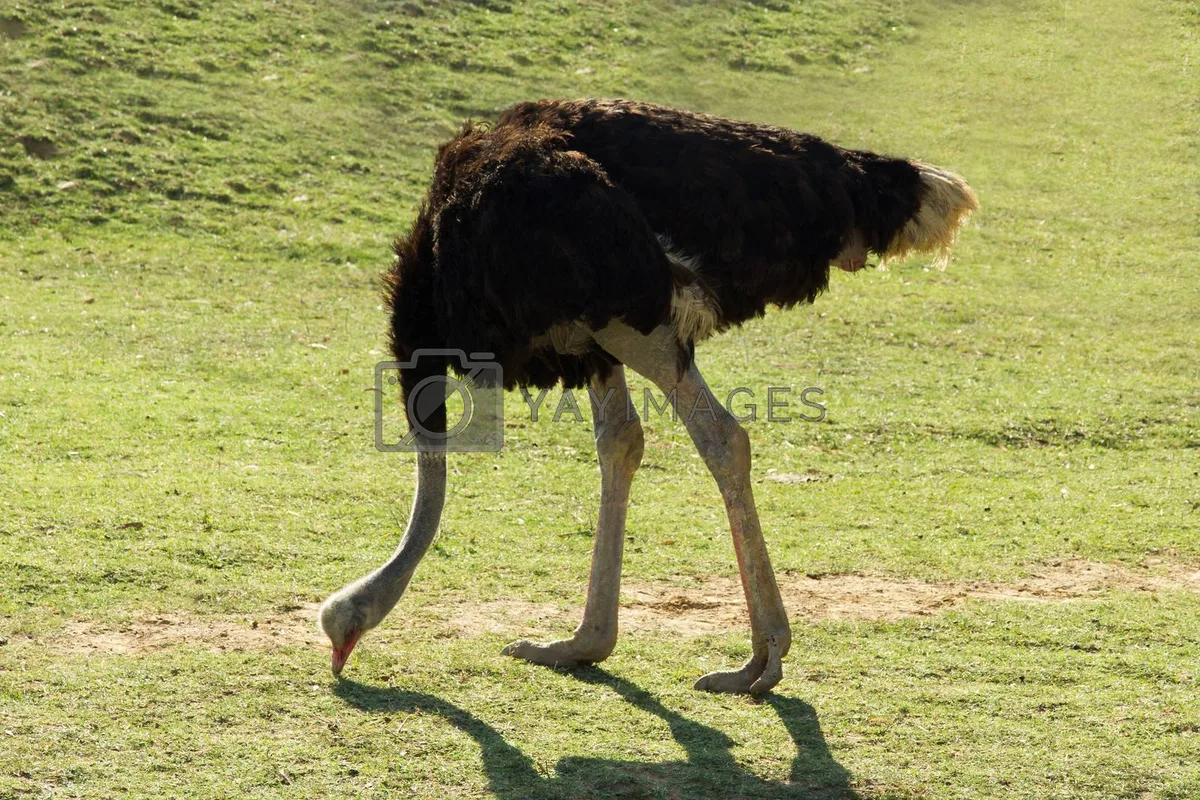
Image source: Web (Bing) / yayimages.com (Web image (fair-use with source credit))
Why Grit Is Crucial: Ostrich Digestion Explained
Here's a fascinating detail about how ostriches manage their food: they don't have teeth! Instead, they rely on a muscular organ called the gizzard to break down their food. To assist in this grinding process, ostriches intentionally swallow small stones, sand, or gravel, collectively known as grit.
This grit acts like a set of internal millstones.
When the ostrich eats tough plant material or insect exoskeletons, the food, along with the grit, enters the gizzard. The gizzard's strong muscles churn, and the grit grinds the food into smaller, digestible particles. Without an adequate supply of grit, their digestive system can struggle to break down food effectively.
This can lead to malnutrition and other health issues, even if they are consuming enough food. The size and type of grit also matter; it needs to be durable enough to grind but not so large that it causes blockages.
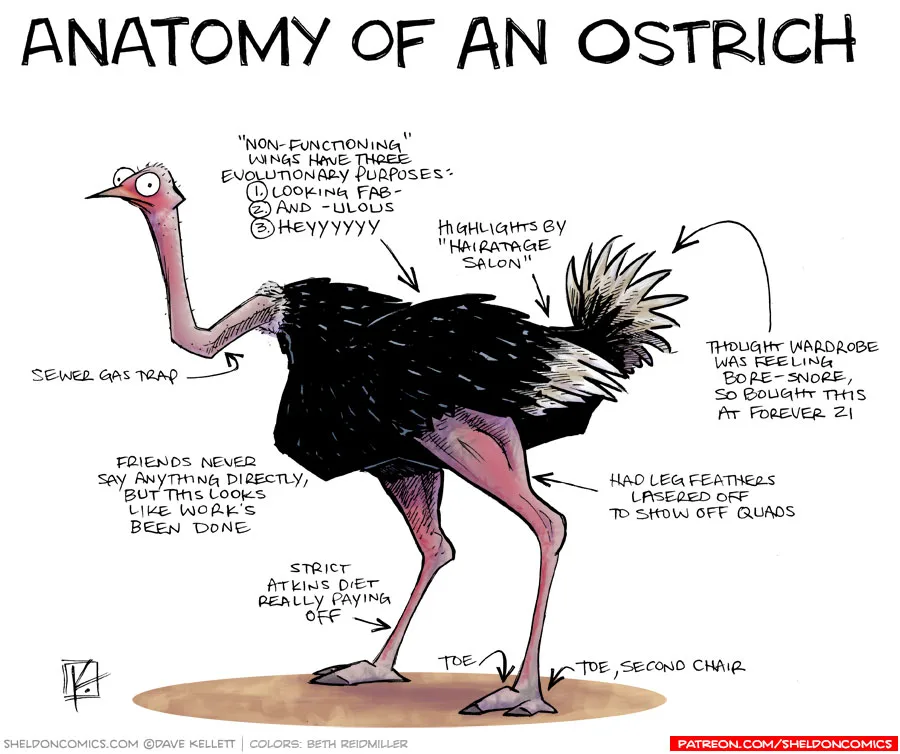
Image source: Web (Bing) / sheldoncomics.com (Web image (fair-use with source credit))
Foods for Farmed Ostriches: A Balanced Approach
When ostriches are raised in controlled environments, such as on farms for meat or feather production, their diet is carefully managed to ensure optimal health and growth. This managed diet aims to mimic their natural nutritional intake while providing everything they need in a convenient and safe form. The goal is to prevent deficiencies and ensure the birds reach their full potential.
Commercial Feeds and Forage for Captive Birds
For farmed ostriches, a primary food source is commercial ostrich feed, typically in pellet form. These pellets are scientifically formulated to provide a complete and balanced diet. They contain a precise mix of grains, protein sources (like soybean meal or alfalfa), vitamins, and minerals, all calibrated for ostrich needs.
These feeds are developed based on extensive research into avian nutrition, aiming for a specific nutrient profile.
In addition to pellets, farmed ostriches often benefit from access to forage, such as pasture or hay. This provides them with fiber, which is important for digestive health, and allows them to engage in natural foraging behaviors. The type of forage can vary, but high-quality grasses are generally preferred.
This combination ensures they receive both concentrated nutrients from the pellets and the benefits of roughage from the forage.
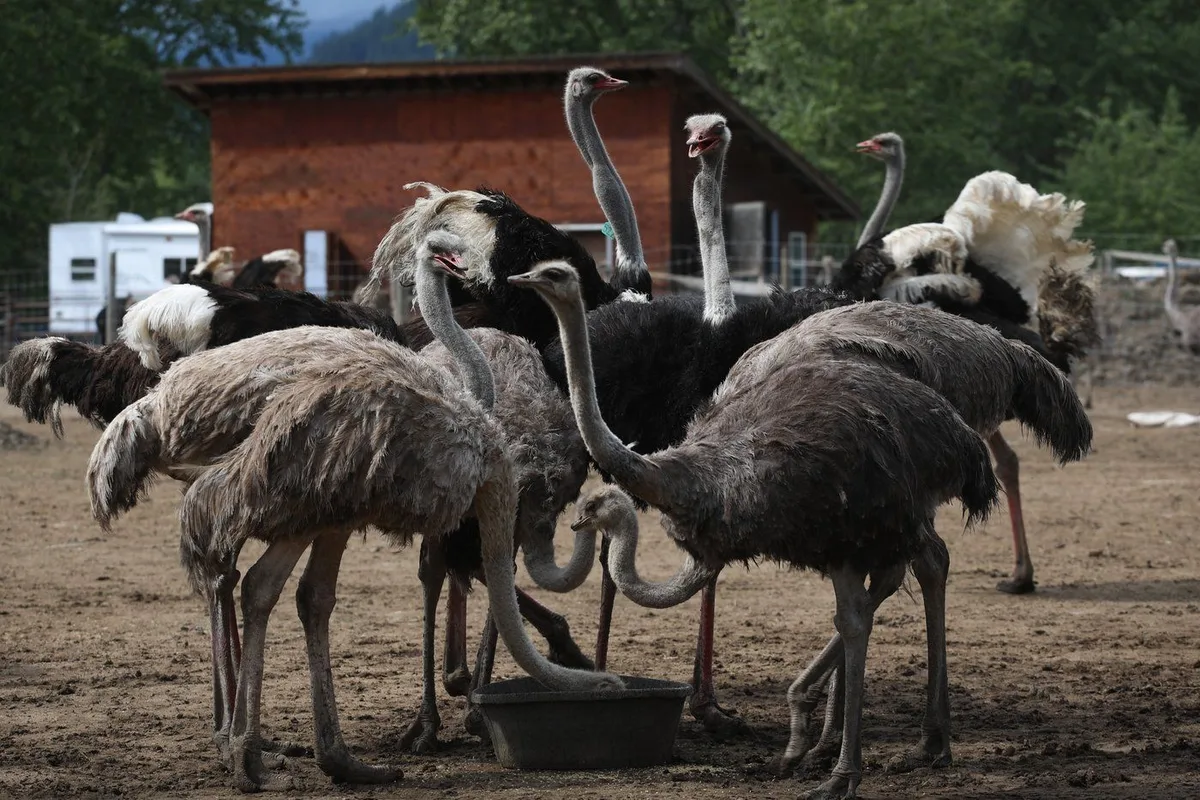
Image source: Web (Bing) / kamloopsbcnow.com (Web image (fair-use with source credit))
Essential Nutrients for Ostrich Growth and Health
A balanced diet for ostriches is rich in several key nutrients. Protein is vital for growth, muscle development, and tissue repair, especially for young, rapidly growing chicks. They require a higher protein content in their feed than adult birds.
Energy from carbohydrates and fats is necessary for maintaining body temperature and fueling their active lifestyles.
Vitamins, such as Vitamin A, D, and E, play crucial roles in immune function, bone health, and reproductive processes. Minerals like calcium and phosphorus are non-negotiable for strong skeletal development, and their ratio must be carefully balanced to prevent metabolic bone diseases. Trace minerals, including iron, zinc, and selenium, are also essential for various bodily functions, from enzyme activity to antioxidant defense.
Ensuring these nutrients are present in the correct amounts prevents common health issues and supports overall vitality.
Dangers in the Ostrich Diet: Foods to Avoid
While ostriches are adaptable omnivores, feeding them the wrong things can be detrimental to their health. Certain items that might seem harmless can pose significant risks. Understanding these potential dangers is as important as knowing what they should eat, especially for those managing ostrich care in captivity.
Toxic Plants and Spoiled Foods: What to Keep Away
One of the primary concerns is accidental ingestion of toxic plants. Many plants are poisonous to birds, and ostriches can't always distinguish between safe and harmful vegetation if allowed to forage unsupervised in areas with mixed flora. Symptoms of plant toxicity can range from mild digestive upset to severe neurological issues or even death.
It’s crucial to identify and remove any known toxic plants from areas where ostriches have access.
Additionally, spoiled or moldy food presents a serious risk. Like all animals, ostriches can suffer from food poisoning if they consume contaminated items. Mold can produce mycotoxins that are harmful to their internal organs.
This is particularly relevant for stored feed or any fresh food items that have begun to decompose. Maintaining clean feeding areas and using fresh, high-quality feed is essential to prevent these risks.
Risks of Processed Foods for Ostriches
Processed foods, particularly those high in sugar, salt, or artificial additives, are not suitable for an ostrich's digestive system. Their bodies are designed to process natural foods, and these types of human consumables can disrupt their delicate gut flora and metabolism. Sugary items can lead to digestive imbalances, and excessive salt can cause dehydration and kidney problems.
Feeding ostriches kitchen scraps or processed human food is a common mistake that can have severe health consequences. Their dietary needs are very specific, and meeting them requires adherence to veterinarian-approved or commercially formulated feeds, not human snacks.
Ostrich Diet FAQs: Your Questions Answered
How much food does an ostrich eat per day?
An adult ostrich typically consumes about 3.5 to 4.5 kilograms (approximately 7.7 to 9.9 pounds) of food daily, depending on its size, activity level, and the nutritional content of the food. This includes a mix of vegetation, grit, and feed pellets.
Can ostriches eat fruits and vegetables?
Yes, ostriches can eat fruits and vegetables as part of a balanced diet. They often enjoy items like leafy greens, carrots, and certain fruits. However, these should be given in moderation and should not form the entirety of their diet, as they are often lower in essential nutrients like protein and fiber compared to specialized feeds.
What is the most common problem related to ostrich diets?
One of the most common problems is improper digestion due to insufficient grit, which can lead to malnutrition. Another frequent issue is an imbalance of essential nutrients, particularly calcium and phosphorus, which can cause serious bone development problems in younger birds. Overfeeding or feeding inappropriate items are also common pitfalls.
How do ostrich chicks' dietary needs differ from adults?
Ostrich chicks require a diet much higher in protein, typically around 25-30%, compared to adults who need about 18-20%. Their feed also needs to be finely textured and easily digestible to support their rapid growth and developing digestive systems. They also need access to appropriately sized grit from a young age.