What Do Mallard Ducks Eat
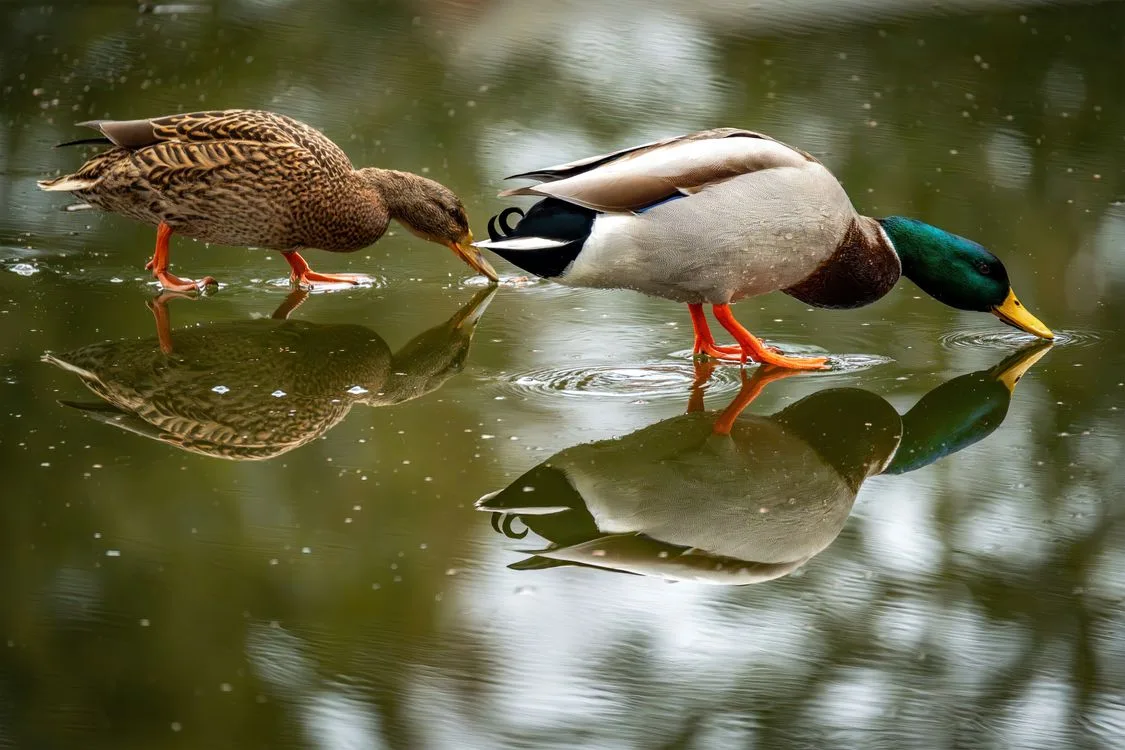
Image source: Bing (Web (fair-use with source credit))
What do mallard ducks eat? It's a question many of us ponder when we see these common waterfowl in parks and ponds. Understanding their natural diet is key to appreciating their role in the environment and knowing how to best interact with them.
Mallard ducks are omnivores, meaning they eat both plants and animals. Their diet shifts seasonally, influenced by what's available in their wetland habitats. For instance, as of 2026, research from the Cornell Lab of Ornithology indicates that during spring and summer, insects and other invertebrates make up a significant portion of their diet, while in fall and winter, seeds and aquatic vegetation become more prominent.
Quick Answer
Mallard ducks primarily eat plants, insects, seeds, and grains. Their diet is omnivorous and varies seasonally, including aquatic vegetation, invertebrates like crustaceans and larvae, small fish, amphibians, and agricultural seeds. Feeding them bread is unhealthy and should be avoided.
Why Their Diet Matters for Health and Ecosystems
Understanding what mallard ducks eat isn't just about satisfying curiosity; it has real-world implications for both the ducks' well-being and the health of their environment. When ducks consume a balanced, natural diet, they're more likely to thrive, reproduce successfully, and maintain the natural balance of wetland ecosystems. This natural diet, rich in diverse nutrients, supports their energy needs for flight, foraging, and avoiding predators.
Conversely, when ducks are fed inappropriate foods, it can lead to a host of problems. These issues range from individual health concerns for the ducks, like nutritional deficiencies or digestive problems, to broader ecological disruptions. For example, concentrating ducks in one area due to frequent feeding can increase disease transmission and alter local vegetation patterns.
Maintaining their natural foraging habits is therefore crucial for their long-term survival and the health of the habitats they call home.
Understanding the Mallard's Omnivorous Diet
Mallard ducks, scientifically known as Anas platyrhynchos, are classic examples of omnivores. This means their digestive systems and foraging behaviors are adapted to utilize a wide variety of food sources. Their diet isn't fixed; it's a flexible buffet that changes with the seasons and the specific environment they inhabit.
This adaptability is a major reason for their widespread success. They can be found in diverse settings, from remote wilderness to urban parks, largely because they can find sustenance in so many different places. Their eating habits are a fascinating interplay between opportunity and instinct, finely tuned over generations.
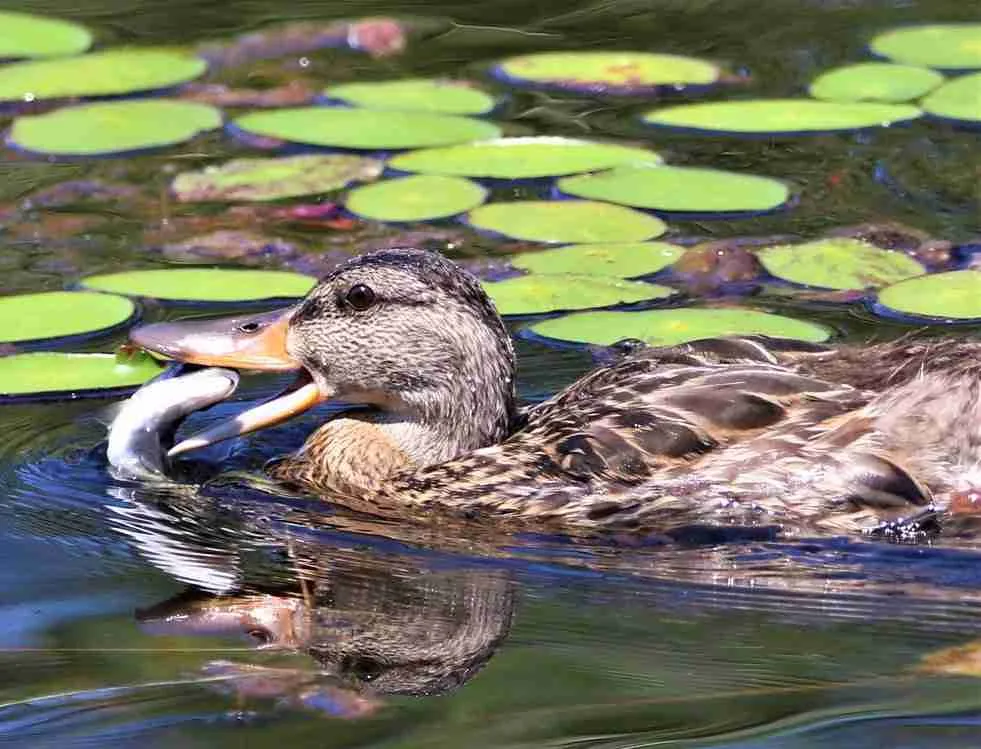
Image source: Bing (Web (fair-use with source credit))
What's on the Menu: A Mallard's Natural Buffet
The mallard's diet is remarkably varied. During warmer months, especially spring and summer, their primary food sources include a wide array of invertebrates. This means they're actively hunting for insects, their larvae, small crustaceans like crayfish and shrimp, snails, and slugs.
These protein-rich foods are essential for energy, particularly for breeding females and growing ducklings.
As the seasons change and food availability shifts, so does the mallard's menu. Come autumn and winter, their diet leans more heavily towards plant matter. They'll consume seeds from grasses and aquatic plants, as well as submerged vegetation, roots, and tubers.
They are opportunistic feeders, meaning they'll also readily consume grains in agricultural fields adjacent to water bodies. Small fish and amphibians can also make up a portion of their diet, especially if easily accessible.
The Role of the Bill: A Tool for Foraging
A mallard's bill isn't just for show; it's a specialized tool perfectly designed for their foraging style. Their bills are broad, flat, and spatulate, which is ideal for dabbling, their main method of feeding. When dabbling, mallards tip their bodies forward into shallow water, submerging their heads and necks while keeping their rear ends up.
They use their bills to sift through mud and water, filtering out small food items like insects, seeds, and plant fragments. The lamellae, or comb-like structures along the edges of their bills, act like sieves, trapping edible material while letting water and mud pass through.
Common Foods in a Mallard's Diet
Delving deeper into their diet reveals the specific items that form the cornerstone of a mallard's sustenance throughout the year. Their omnivorous nature means they aren't picky, but their preferences do shift based on availability and nutritional needs.
Aquatic Plants and Seeds
Aquatic plants are a vital food source for mallards, especially during the fall and winter. They consume a wide variety of submerged and emergent vegetation. This includes pondweeds, duckweeds, algae, and grasses that grow along the water's edge.
These plant parts are rich in fiber and carbohydrates, providing essential energy. Seeds from these plants are also highly prized, offering concentrated nutrition. Mallards are adept at sifting these seeds from the mud and water.
Insects, Crustaceans, and Other Invertebrates
During the breeding season and into the summer, mallards rely heavily on insects and other small invertebrates. This protein boost is critical for egg development in females and rapid growth in ducklings. Their diet includes aquatic insects like caddisflies, mayflies, and dragonflies, along with their larvae.
They also hunt for earthworms, snails, slugs, and various types of small crustaceans.
Amphibians and Small Fish
While not a primary staple, mallards will opportunistically consume small vertebrates if the opportunity arises. This can include tiny frogs, tadpoles, and minnows or other small fish that they can easily catch in shallow waters. Their ability to snatch these quick-moving prey items demonstrates their agility and keen observation skills when foraging.
Grains and Agricultural Finds
In areas where wetlands meet agricultural land, mallards often supplement their diet with grains. They'll forage in fields for spilled grain from harvests, such as corn, wheat, and barley. This is particularly common in autumn and winter when natural food sources might be less abundant.
This adaptability allows them to thrive in landscapes altered by human activity.
The Risks of Feeding Mallards Human Food
While it might seem like a kind gesture, feeding mallard ducks human food, especially common items like bread, can actually do them a lot of harm. What we might consider a harmless snack can lead to serious health issues for these birds and negatively impact the environment they live in. It's a common mistake, but one we need to be aware of to help protect them.
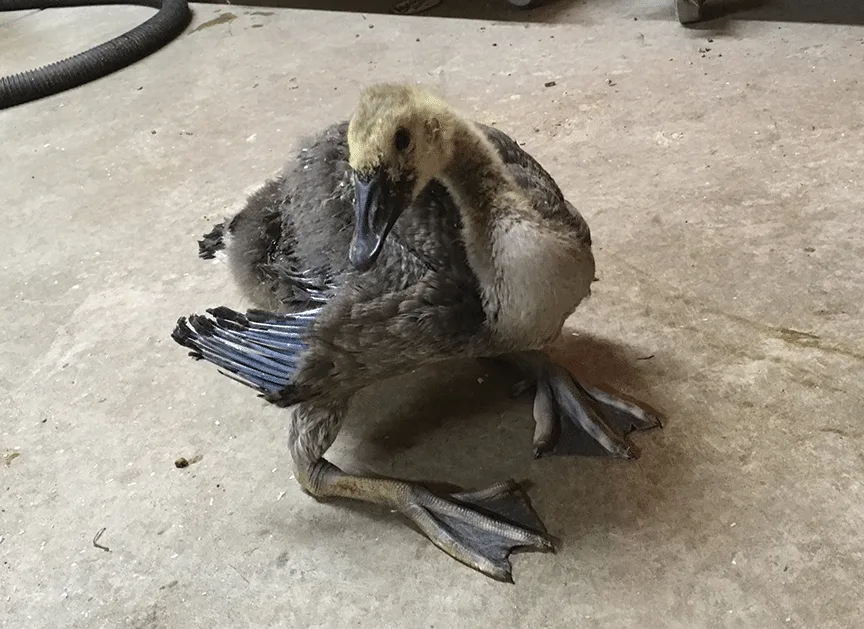
Image source: Bing (Web (fair-use with source credit))
Why Bread Is Bad News for Ducks
Bread, particularly white bread, is one of the worst foods you can give to ducks. It lacks the essential nutrients they need to stay healthy, offering little more than empty calories. Think of it like a human eating only candy all day, it fills you up but doesn't provide any real nourishment.
This lack of nutrition can lead to stunted growth, poor feather development, and a weakened immune system.
A serious condition linked to overfeeding bread is "angel wing." This is a deformity where the wing twists outwards at the joint, making it impossible for the duck to fly. It's caused by rapid bone growth from a diet too high in carbohydrates and protein, and too low in essential vitamins and minerals, which is precisely what a diet of bread provides. It's irreversible once developed.
Other Human Foods to Avoid
Beyond bread, many other common human foods can be problematic for ducks. Salty snacks, processed foods, and anything containing excessive sugar or artificial ingredients can upset their digestive systems and lead to poisoning or other health crises. Even seemingly harmless items like popcorn or crackers offer little nutritional value and can contribute to the same problems as bread.
It's best to stick to observing them in their natural state or, if you feel compelled to supplement, use specialized waterfowl feed.
Best Practices for Observing or Safely Supplementing Duck Diets
If you enjoy watching mallard ducks, the best approach is to appreciate them from a distance and let them forage naturally. Their instinctual foraging behaviors are honed for their environment, and interfering can disrupt this delicate balance. However, if you're in an area where supplemental feeding is permitted and done responsibly, there are specific guidelines to follow.
Natural Foraging is Best
Mallards have evolved over centuries to find a diverse range of foods in their natural habitats. Their bills are perfectly suited for sifting through mud and water for seeds, insects, and aquatic plants. Disrupting this natural process by providing artificial food sources can lead to several issues.
It can create dependency, alter migration patterns, and concentrate birds in unnaturally high numbers, which promotes disease spread. The U.S. Fish and Wildlife Service strongly advises against intentionally feeding wild birds, including ducks, to maintain ecological balance.
When Supplementing is Considered (and How)
In some specific circumstances, a small amount of appropriate supplemental feed might be considered, but it's crucial to do so correctly. If you choose to feed mallards, use only specialized waterfowl feed, often found at feed stores or pet supply shops. This feed is formulated to provide the correct balance of nutrients.
Never feed them more than they can consume in about 10 to 15 minutes. Scatter the feed in shallow water to avoid attracting pests and to ensure the ducks consume it efficiently.
Important Considerations:
- Location Matters: Always check local regulations. Many parks and wildlife areas prohibit feeding any wildlife.
- Quantity Control: Less is more. Overfeeding, even with the right food, can still cause problems.
- Food Choice: When in doubt, don't feed. Stick to dedicated waterfowl feed if you must.
Mallard Diet: Common Mistakes to Steer Clear Of
When people decide to feed mallard ducks, they often do so with good intentions but end up making common mistakes that can cause harm. Understanding these pitfalls is just as important as knowing what they should eat. Avoiding these errors ensures you're helping, not hurting, these fascinating birds.
One of the most frequent mistakes is offering bread. As we've discussed, bread provides minimal nutrition and can lead to serious health problems like "angel wing." Another common error is overfeeding. Even with the right food, giving ducks more than they can eat in a short period can attract rodents, encourage disease, and create an unhealthy reliance on human handouts.
Another mistake is feeding ducks in a way that disrupts their natural foraging behaviors or congregates them too densely. Scattering food in deep water or directly into a flock can be problematic. It's also important to never feed ducks items that are processed, fried, or overly salty, as these can be toxic.
Sticking to observation or using specialized feed in moderation are the safest bets.
Frequently Asked Questions About Mallard Duck Food
What's the best food to feed mallard ducks?
The best food for mallard ducks is specialized waterfowl feed, which can be purchased at feed stores. This feed is nutritionally balanced and provides the vitamins and minerals ducks need. Avoid feeding them bread, crackers, or other human snacks.
Can mallard ducks eat fruits or vegetables?
While ducks might nibble on some fruits and vegetables, they are not ideal staples for their diet. If you do offer them, make sure they are cut into small, bite-sized pieces and offered sparingly. Avoid anything with seeds or pits, and steer clear of anything processed or sugary.
How much should I feed mallard ducks if I choose to supplement their diet?
If you decide to feed mallards, offer only a small amount that they can consume within about 10 to 15 minutes. Overfeeding, even with appropriate food, can lead to dependency and health issues. It's often best to feed them in shallow water to prevent the food from sinking and attracting pests.
Is it okay to feed mallard ducks birdseed?
Some types of birdseed can be fed in very small quantities, but it's not ideal for a mallard's diet. Many commercial birdseeds contain corn, which can be hard for ducks to digest and lacks essential nutrients. Specialized waterfowl feed is always a better choice if you are supplementing their natural diet.
Can mallard ducklings eat the same food as adult mallards?
Ducklings have different nutritional needs than adult mallards, requiring a higher protein content for growth. They should ideally be fed specialized "duckling starter" feed, which is formulated for their specific developmental stage. Adult waterfowl feed is too low in protein for growing ducklings.
When to Seek Expert Advice on Wildlife Feeding
While most of us can observe mallard ducks without issue, there are times when seeking professional guidance is advisable. If you're encountering unusual duck behavior, signs of illness in a local population, or are considering large-scale feeding efforts (which are generally discouraged), consulting an expert can provide crucial insights.
Wildlife biologists and ornithologists possess deep knowledge of avian diets and health. They can offer advice tailored to your specific local environment and the species involved. For instance, if you notice a decline in a local duck population or observe symptoms of disease, reporting these to a wildlife authority is important.
Organizations like the National Audubon Society or local wildlife rehabilitation centers can often point you to the right resources.
This expert advice is critical for understanding the long-term health of wild bird populations and their habitats. It helps ensure that human interactions, even well-intentioned ones, do not inadvertently cause harm to the animals we are trying to appreciate.