Why Do Seagulls Make so Much Noise
Ever found yourself wondering why seagulls seem to be in a perpetual state of loud conversation? It's a sound that can quickly go from background ambiance to a full-blown auditory assault, especially if you live near a coast or even a large body of water. Their constant squawking isn't just random; it's a complex system of communication vital for their survival and social lives.
Understanding these vocalizations can offer a fascinating glimpse into the world of these common seabirds. Research indicates that a single gull alarm call can trigger a flock-wide response, demonstrating the efficiency of their communication. This innate ability to share information quickly is what we'll explore to unravel the mystery behind all that noise.
Quick Answer
Seagulls make noise primarily to communicate with each other. Their vocalizations serve as alarm calls for danger, signals to locate food, and ways to establish territory or maintain social bonds within the flock. Different calls convey specific meanings, from warnings and greetings to distress signals for chicks.
Core Seagull Communication Explained
Seagull communication is far from just random squawking; it's a sophisticated system built on a variety of calls, each with a specific purpose. Think of it as their own unique language, developed over millennia to help them navigate their environment and social structures. Our research into avian behavior highlights that these vocalizations are crucial for everything from finding their next meal to avoiding becoming a meal themselves.
- The Alarm Call: This is often a sharp, repetitive cry. When one gull spots a predator, like a hawk, a fox, or even a large dog, this call alerts the entire flock. It’s an instant signal to be on high alert, freeze, or take flight.
- Food Calls: When a gull discovers a rich food source, a discarded fish, spilled chips, or even a teeming patch of mussels, it will often emit a distinct call. This serves to draw other gulls to the location, especially if the food is abundant enough to share or if group foraging offers an advantage.
- Territorial and Social Calls: During breeding seasons, gulls can become quite vocal about their chosen nesting sites. These calls help to ward off rivals and establish dominance. Beyond that, various chirps and trills can be heard between mates or between parents and their chicks, reinforcing social bonds and coordinating activities.
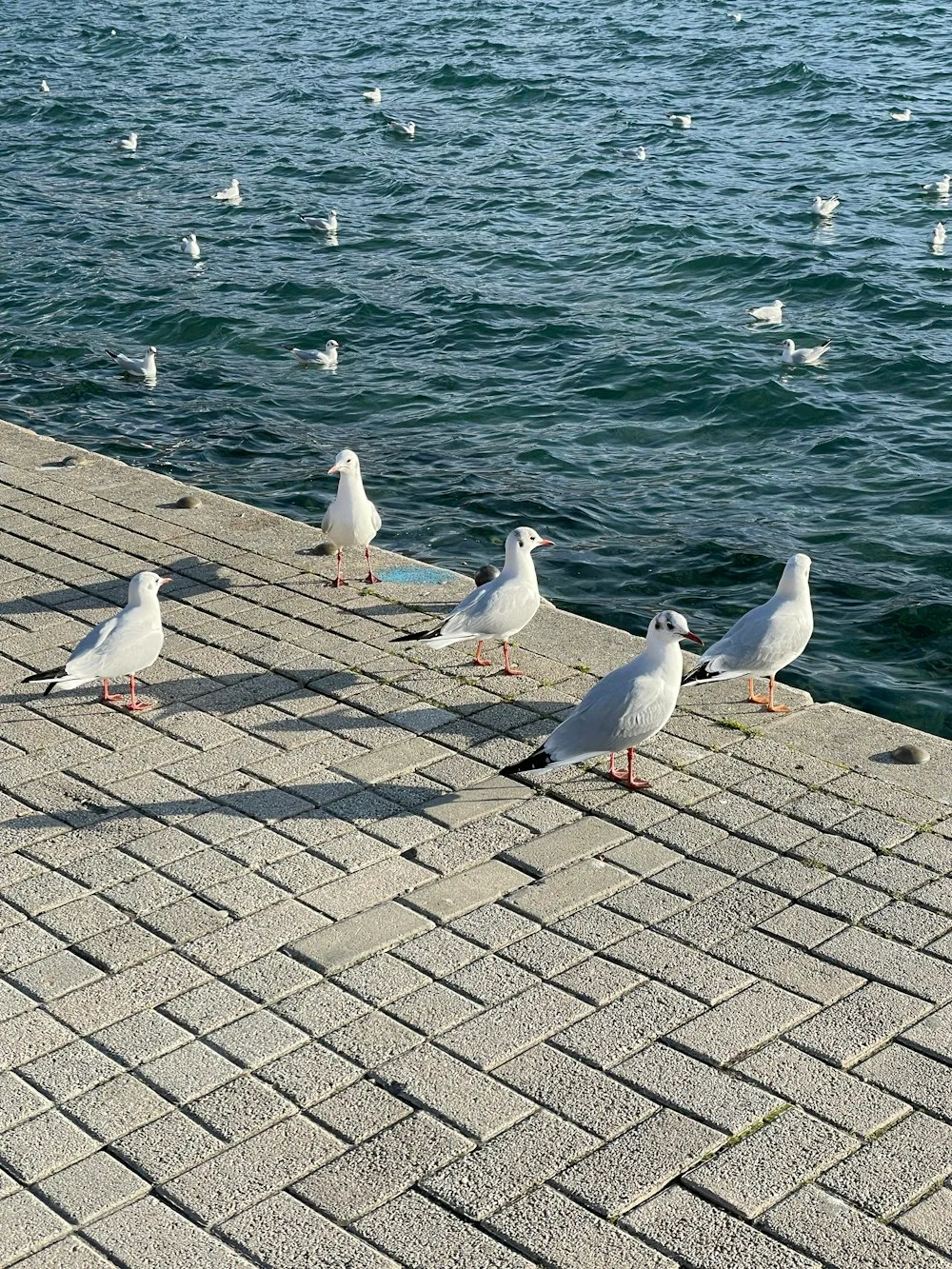
Image source: Bing (Web (fair-use with source credit))
This intricate system ensures that individuals within the flock can share vital information rapidly, which is essential for their survival in often unpredictable environments.
Why Seagulls Are Loudest: Key Factors and Triggers
While seagulls communicate year-round, there are specific times and situations when their vocalizations become significantly more pronounced. Understanding these triggers can help explain why the noise levels seem to spike at certain points. It's not usually a random increase in loudness; rather, it's tied directly to their life cycle and environmental conditions.
- Breeding Season: This is arguably the most vocal time for seagulls. From late spring through summer, pairs are forming, nests are being built, eggs are laid, and chicks hatch. All this activity involves a high degree of communication for territory defense, mate attraction, and tending to the young. Parent gulls must constantly communicate with their mates and offspring, and rivals will be engaged in frequent vocal disputes.
- Proximity to Food Sources: Seagulls are opportunistic feeders, and they are highly motivated by easily accessible food. Areas where humans frequently discard food, like busy beaches, park picnic spots, fishing docks, or even overflowing public bins, become hotspots for gull activity and, consequently, noise. A single gull finding a food source can quickly attract a noisy crowd.
- High-Density Roosting Sites: In the evenings, especially outside the breeding season, large numbers of seagulls will gather at communal roosting sites to rest for the night. The process of settling in, jostling for prime spots, and general social interaction within these dense aggregations can lead to a considerable amount of noise.
- Environmental Changes: Unpredictable weather, such as the approach of a storm, can sometimes cause gulls to vocalize more as they seek shelter or signal unease. Additionally, changes in tidal patterns or the availability of natural food sources can influence flock movements and communication levels.
These factors combine to create the impression that seagulls are "always loud," but their vocal peaks are often directly linked to these specific environmental and biological imperatives.
Seagull Calls: What Do They Mean?
If you take the time to listen closely, you'll notice that not all seagull sounds are the same. Ornithologists have identified distinct calls that correspond to different situations and intentions, acting as a nuanced form of avian language. Deciphering these sounds can offer a fascinating insight into the daily lives and immediate concerns of these birds.

Image source: Web (Bing) / in.pinterest.com (Web image (fair-use with source credit))
Here’s a breakdown of some common vocalizations and their meanings:
- The "Koo-koo-koo" or "Yelling" Call: This is probably the most common and recognizable sound. It’s a loud, often repetitive series of calls that can signal anything from general excitement, particularly when food is present, to a territorial dispute. It’s a versatile call used in various social contexts.
- The Alarm Call: This is typically a sharper, more urgent cry. It’s used to warn other gulls of immediate danger. The specific pitch and rhythm can sometimes indicate the type of threat, though often it's a general "danger approaching!" signal.
- The "Mew" or "Chirp" Sounds: These softer, higher-pitched sounds are commonly associated with communication between parent gulls and their chicks. They can indicate feeding, reassurance, or a call for attention from the young. Adults may also use softer calls when interacting with mates.
- The "Yell" or "Caw" Call: A harsh, raucous sound often heard during aggressive encounters, whether it's fighting over food or defending a nesting site. It's a confrontational sound meant to intimidate rivals.
Understanding that these different sounds carry distinct messages helps to demystify the constant noise. It’s not just chatter; it's purposeful communication tailored to the situation at hand, from urgent warnings to everyday social exchanges.
Real-World Scenarios: When and Where You'll Hear Them Most
If you're trying to figure out why seagulls are so noisy, looking at where and when you encounter them offers some of the clearest clues. It’s often about where the food is, where they feel safe, and where they’re raising their families. These common scenarios highlight the practical reasons behind their vocal nature.
- The Beach Boardwalk: This is a prime location. Tourists often drop food, and kiosks sell snacks. Gulls learn this is a reliable food source and will congregate, calling to each other to share the bounty or to warn off competitors. The constant stream of people and potential food creates a noisy, active environment.
- Fishing Piers and Harbors: Where there’s fishing, there’s often discarded bait, dropped fish, or scraps from cleaning catches. Gulls flock to these areas, and the busy atmosphere, with boats and people, can amplify their calls as they compete for these easy meals. This is a classic seagull noise hot zone.
- Park Picnic Areas and Food Stalls: Any public space where food is consumed outdoors becomes a potential magnet. Gulls are incredibly observant and will quickly associate these areas with food opportunities. Their calls in these settings are often about alerting others to a perceived food source or mobbing people who are eating.
- Residential Areas Near Water: If you live in a coastal town or near a large lake, you might find seagulls nesting on rooftops, in parks, or on nearby cliffs. During breeding season, the calls become more intense as they defend nesting territories and tend to chicks. The "Koo-koo-koo" sound can become a daily soundtrack.

Image source: Bing (Web (fair-use with source credit))
These scenarios show that seagull noise isn't just happening randomly. It's directly correlated with their access to food, safety, and opportunities for reproduction, making certain locations and times of year inherently noisier.
Managing Seagull Noise: Practical Insights
While understanding why seagulls are noisy is one thing, dealing with the noise if it becomes a nuisance is another. Fortunately, there are practical, research-backed approaches that can help manage these vocalizations without harming the birds. The key is to address the underlying reasons for their presence and noise.
- Control Food Sources: The most effective strategy is to reduce the availability of human-provided food. This means:
- Secure your trash: Use bins with tight-fitting lids and ensure they are emptied regularly.
- Don't feed the gulls: Resist the urge to toss them scraps, even if they seem hungry. This reinforces the idea that your location is a food source.
- Clean up spills: Promptly clean up any food waste in public areas or outdoor eating spaces.
- Deterrence Methods: While not always 100% effective, some methods can discourage gulls from frequenting an area:
- Visual deterrents: Shiny objects, scare tape, or decoy predators can sometimes work, though gulls are often quick to adapt.
- Sonic deterrents: Devices that emit specific sounds can be effective, but need to be varied to prevent habituation.
- Physical barriers: Netting or spikes can prevent gulls from landing or nesting on specific structures like rooftops or balconies.
- Respect Their Natural Behavior: It's important to remember that seagulls are a natural part of the coastal ecosystem. While managing noise is reasonable, complete eradication isn't always feasible or desirable. Focusing on reducing attractants is usually the most humane and effective long-term solution.
By understanding what draws seagulls to an area and makes them vocal, we can implement targeted strategies that minimize disruption while respecting their ecological role.
Frequently Asked Questions About Seagull Noise
How can I stop seagulls from being noisy near my home?
The most effective way to reduce seagull noise is to eliminate food attractants. Ensure trash cans are secured, avoid leaving pet food outside, and clean up any food spills promptly. Physical deterrents like netting or spikes can also help prevent them from roosting or nesting in problem areas.
Are seagull noises harmful to humans?
Seagull noises are generally not harmful to human health, though they can be a significant source of noise pollution and annoyance for people living or working nearby. Prolonged exposure to very high noise levels can potentially contribute to stress, but typical seagull vocalizations are not considered a direct health hazard.
When is seagull noise most noticeable?
Seagull noise is typically most noticeable during their breeding season in spring and summer, when they are actively defending territories and caring for young. They are also loudest when they gather near reliable food sources, such as fishing docks, beaches, or areas where food waste is common.
Can seagulls communicate with different types of calls?
Yes, seagulls have a range of distinct calls. These include alarm calls for danger, food calls to attract others, and softer chirps for communicating with mates and chicks. Different pitches and rhythms convey different messages, indicating specific intentions or warnings.
Is it illegal to disturb seagulls?
In many regions, particularly those with coastal wildlife, seagulls are protected under wildlife laws. It is generally illegal to harm, disturb, or interfere with their nests or young. Management strategies should focus on non-lethal deterrence and removing attractants rather than direct harassment.
Seagull Vocalizations: The Big Picture
Seagulls aren't just making noise for the fun of it. Their vocalizations are a critical aspect of their lives, serving essential functions for survival, reproduction, and social cohesion. From urgent alarms warning of predators to the subtle calls between parents and chicks, their sounds paint a vivid picture of their world.
By understanding the "why" behind their squawks and cries, we can better appreciate these adaptable birds and implement practical, humane solutions if their noise becomes a concern. The key takeaway is that their loudness is directly tied to their environment, their needs, and their complex social interactions.