How Far Can Swans Fly
You've probably seen swans gliding gracefully on a lake or river and maybe wondered, "How far can swans fly?" The answer is a resounding yes, they can travel incredibly long distances. Swans are built for endurance, undertaking remarkable migratory journeys each year.
Our research indicates many species can cover thousands of miles. For example, the Trumpeter Swan, one of North America's largest native birds, can migrate over 2,000 miles (3,218 kilometers). This impressive flight capability is crucial for their survival, helping them find food and suitable breeding grounds.
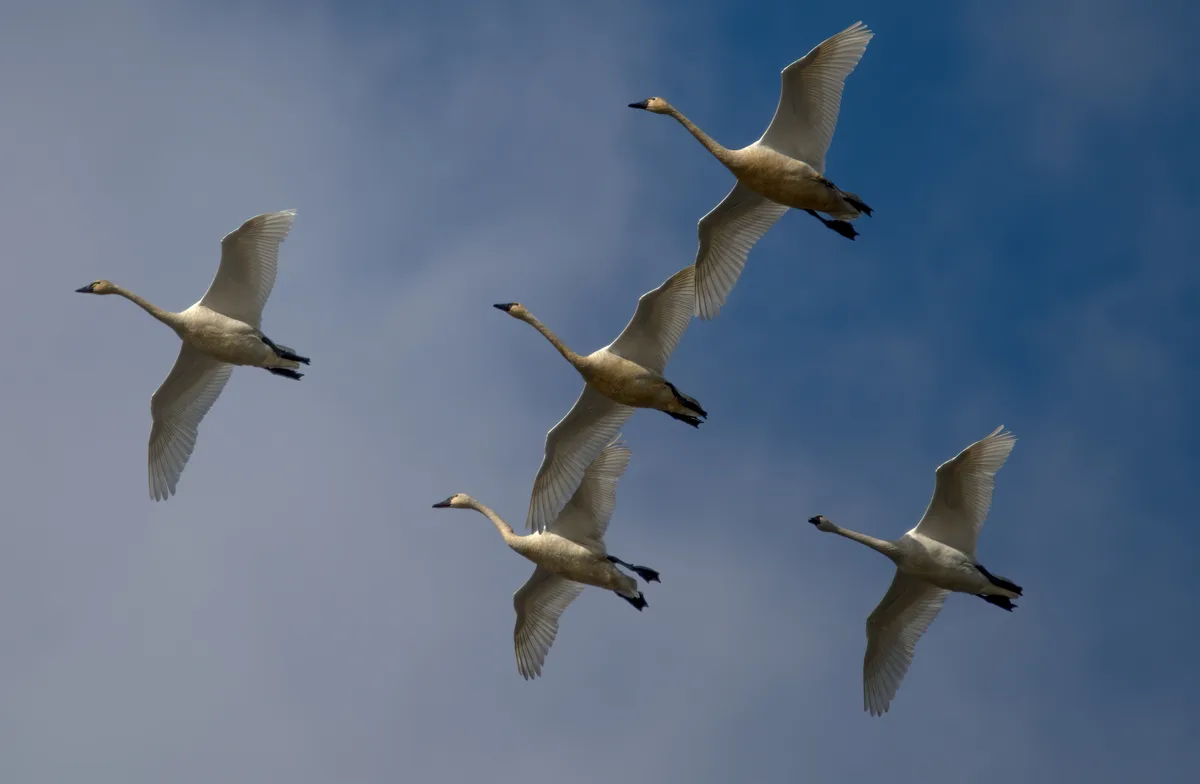
Image source: Bing (Web (fair-use with source credit))
Quick Answer
Swans can fly thousands of miles during their annual migrations. Many species travel between 1,000 to 3,000 miles (1,600 to 4,800 kilometers) each way. Their flight capabilities allow them to reach vital food sources and breeding areas.
The Big Picture: Why Do Swans Fly So Far?
The primary driver for swans undertaking extensive flights is migration. This seasonal movement is a survival strategy, dictated by the availability of essential resources. When winter descends, many swan populations must relocate to avoid freezing temperatures and scarce food.
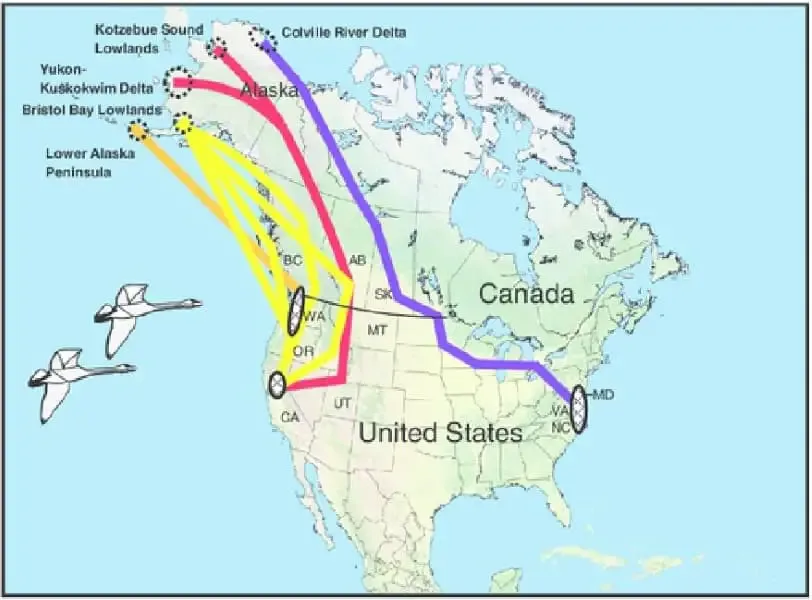
Image source: Bing (Web (fair-use with source credit))
Think of it as a critical life cycle event. Swans need open water for feeding and protection from predators. As their northern breeding grounds freeze over, they are compelled to seek out areas where these conditions persist.
This journey isn't random; it's a well-timed and instinctual push towards warmer climates where food, such as aquatic vegetation and small invertebrates, remains accessible throughout the colder months. As the seasons change back, they reverse the journey to return to their established breeding territories, ensuring optimal conditions for raising their young.
What's the Range? Looking at the Miles
So, just how far can these magnificent birds travel? The distances can be quite staggering and vary significantly depending on the specific species of swan and its geographic location. Many swans are long-distance migrants, covering thousands of miles in a single migratory push.
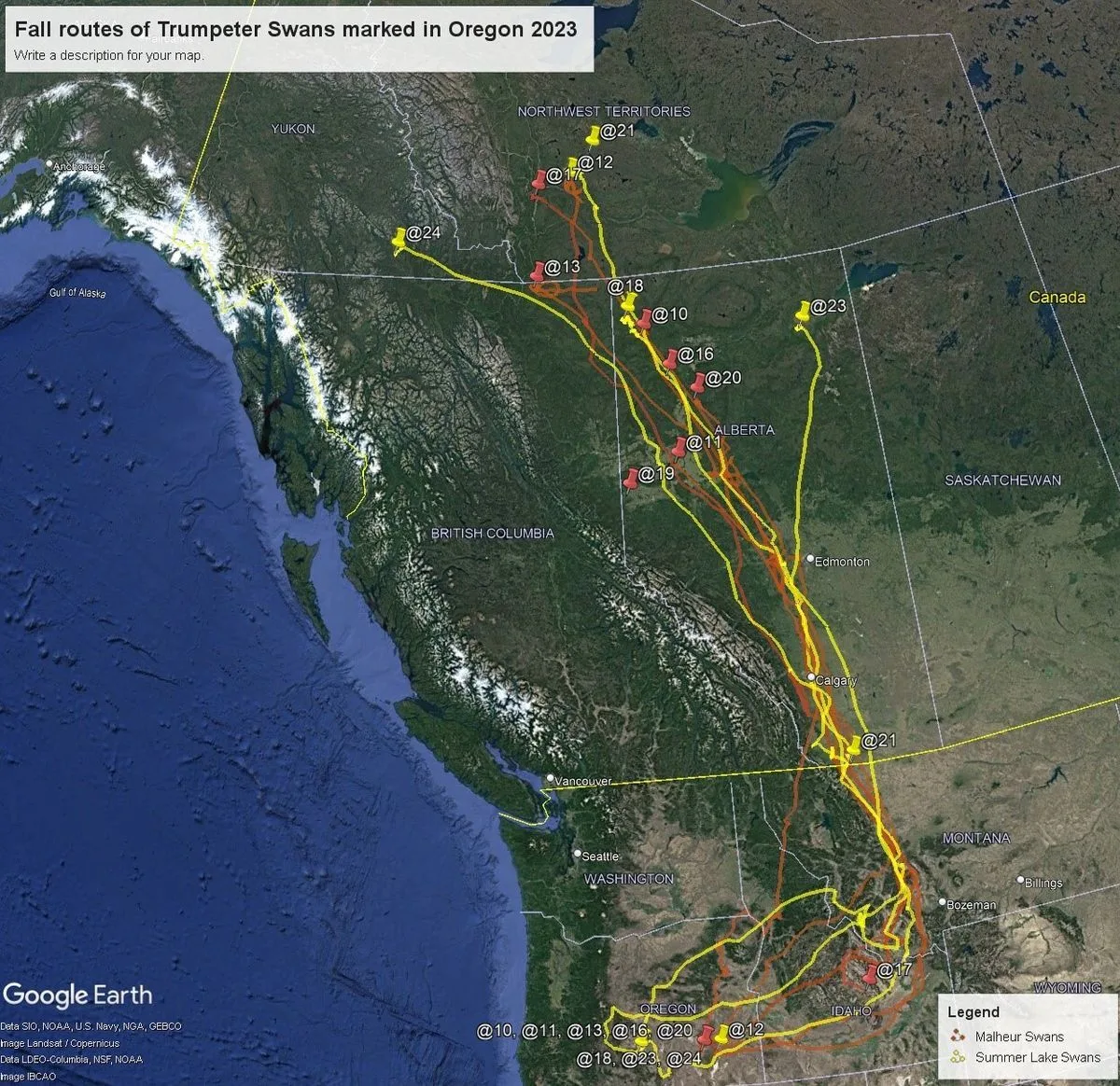
Image source: Bing (Web (fair-use with source credit))
For instance, species like the Tundra Swan undertake extensive journeys across North America. Data from bird banding studies show these birds can easily travel 1,000 to 3,000 miles (approximately 1,600 to 4,800 kilometers) between their Arctic breeding grounds and their wintering sites along the Atlantic and Pacific coasts. This distance is not a one-off; it's a routine annual undertaking for survival and reproduction.
Different Swans, Different Journeys
It's important to recognize that not all swan species are built for the same level of long-distance travel. While some are renowned for their marathon flights, others have more sedentary lifestyles. For example, the Mute Swan, often seen in parks and ornamental lakes, is a relatively short-distance migrant or may even be non-migratory in milder climates.
They rely more on local food sources and may only move short distances to find open water if their immediate habitat freezes. In contrast, species like the Trumpeter Swan, the largest native North American duck, are powerful flyers that undertake significant migrations, often traveling 1,000 to 2,000 miles (1,600 to 3,200 kilometers). These differences highlight the diverse strategies swans employ to thrive across varied environments.
Real-World Flight Observations
The sheer scale of swan migration becomes even more apparent when we look at actual tracking data and historical observations. These records paint a picture of birds undertaking incredible feats of endurance. It’s not uncommon for swans to fly non-stop for many hours, covering hundreds of miles in a single flight segment.
For example, research on Trumpeter Swans has documented individuals flying for extended periods, often covering over 500 miles (800 kilometers) in a single day during their migratory flights. This is achieved through efficient wing loading and powerful, sustained flapping. They are capable of maintaining cruising speeds that allow them to make significant progress towards their destinations.
These flights are typically undertaken during daylight or even into the night, especially when favorable winds are present, allowing them to capitalize on advantageous conditions. The energy reserves they build up before migration are critical for supporting these marathon flights.
Factors That Influence Their Flights
A swan's migratory flight isn't just a straightforward push from point A to point B; it's a complex journey influenced by several environmental and biological factors. Just like a long road trip for us, conditions can dramatically impact how far and how fast they travel.
- Weather Conditions: Favorable winds, known as tailwinds, can significantly boost a swan's speed and reduce the energy required for flight, allowing them to cover more ground. Conversely, strong headwinds can impede their progress, forcing them to expend more energy or seek out resting spots sooner than planned. Sudden changes in weather can even halt migration temporarily, with birds waiting for conditions to improve.
- Food Availability: Swans build up significant fat reserves before embarking on their migratory journeys. This stored energy acts as their fuel. The availability of adequate food sources at staging areas along their migration route is crucial for replenishing these reserves. Without sufficient food, their ability to sustain long flights is compromised, potentially shortening their daily travel distance or forcing them to alter their route.
- Habitat Availability: The presence of suitable resting and feeding stopover sites is vital. Swans don't always fly directly from their breeding grounds to their wintering grounds; they often make several stops. These sites provide necessary resources for resting and refueling. If these critical habitats are degraded or unavailable, it can create bottlenecks and make the entire migratory journey more challenging. This is why conservation efforts focused on protecting these staging areas are so important for swan populations.
FAQs
How long can a swan fly without stopping?
Swans are capable of flying for many hours non-stop, often covering several hundred miles in a single flight segment. The exact duration depends on factors like species, weather, and the swan's energy reserves.
Do all swans migrate the same distance?
No, migration distances vary greatly by species. Some swans, like the Mute Swan, may migrate very short distances or not at all, while others, such as the Tundra Swan, undertake migrations of over 3,000 miles.
What is the maximum altitude a swan can fly?
While they typically fly at moderate altitudes, swans have been observed flying at considerable heights, sometimes exceeding 5,000 feet (about 1,500 meters). This allows them to take advantage of favorable air currents and avoid obstacles.
How do swans navigate during long flights?
Swans likely use a combination of cues for navigation, including the Earth's magnetic field, the sun and stars, and learned landmarks from previous migrations. Experienced older birds may lead younger ones on these journeys.