What Do Cassowaries Eat
If you've ever wondered what meals make up a cassowary's day, you're in the right place. These striking, large birds are more than just a pretty face; their diet plays a crucial role in their rainforest habitat. We'll break down exactly what these fascinating creatures consume.
Understanding a cassowary's diet is key to appreciating their place in the ecosystem. Their eating habits, primarily focused on fruits, mean they act as significant seed dispersers, helping new plants grow. According to research from ornithological journals, fruits can make up as much as 70-90% of their diet, especially during peak fruiting seasons.
Quick Answer
Cassowaries primarily eat fruits, making up the vast majority of their diet. They also consume leaves, shoots, fungi, and occasionally insects. These large birds are vital seed dispersers in their tropical rainforest homes.
Key Insights into the Cassowary Diet
When we talk about what cassowaries eat, we're really looking at a specialized diet shaped by their environment and their unique digestive system. They're not just casually pecking at random things; their foraging strategy is quite deliberate, focused on energy-rich foods that are abundant in the dense tropical rainforests of New Guinea and Australia. Their role as seed dispersers is a direct consequence of their eating habits, influencing plant life for miles around.
Observational data from wildlife studies consistently shows that fruits are the undisputed champions of the cassowary menu. This preference isn't just about taste; it's about efficiency. Swallowing whole fruits allows them to quickly process energy-dense food sources while also effectively spreading the seeds of those plants far and wide.
This makes them an indispensable part of the rainforest's natural cycle.
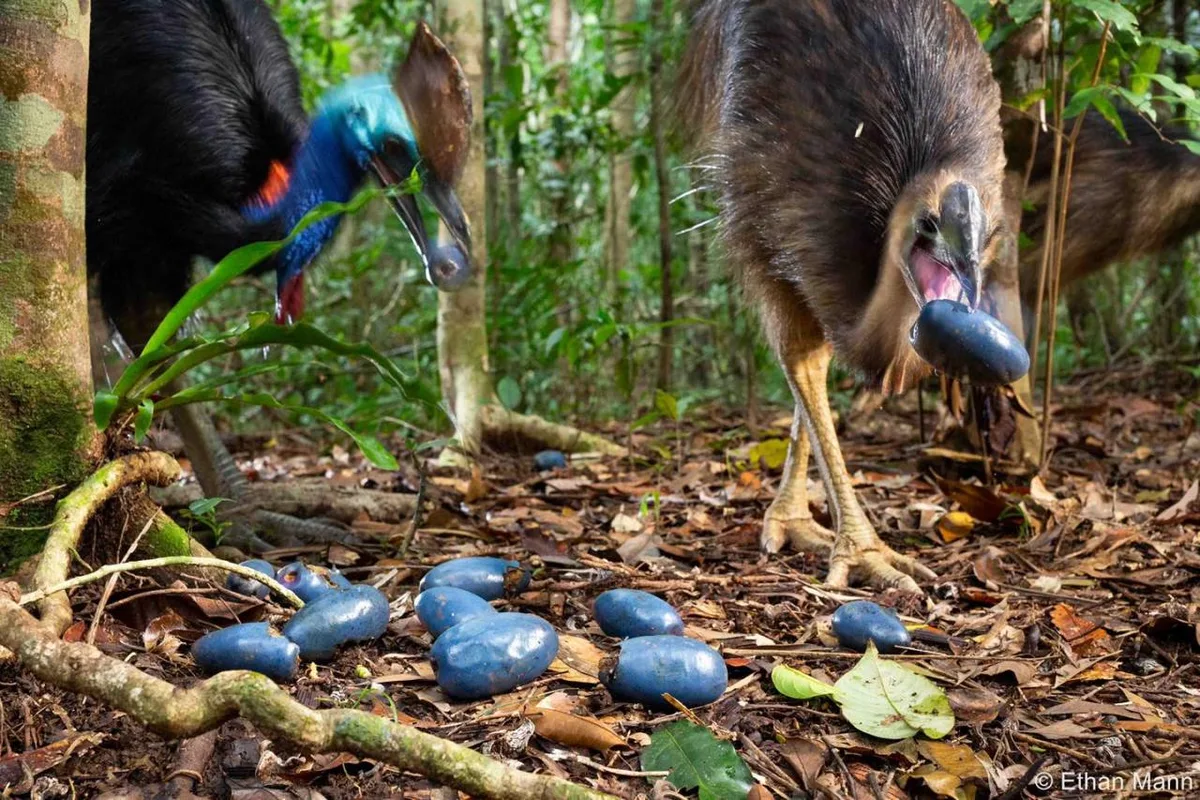
Image source: Web (Bing) / tumblr.com (Web image (fair-use with source credit))
The Tropical Rainforest Diet: Fruits Galore
The most significant component of a cassowary's diet, by a long shot, is fruit. They are essentially expert rainforest foragers, constantly on the lookout for ripe, fallen fruits scattered across the forest floor. Their strong legs and keen eyesight help them cover considerable ground in search of these nutritious snacks.
What Kinds of Fruits Do They Prefer?
Cassowaries are not picky when it comes to fruit types, but they do have favorites. They'll readily consume a wide variety of native fruits, including those from palm trees, figs, and numerous berry-producing plants. The key is ripeness; they prefer fruits that have fallen and are soft and easy to swallow.
Their large gape allows them to ingest sizable fruits whole, which is crucial for their seed dispersal function.
Beyond Fruit: Leaves, Fungi, and Insects
While fruit is the main event, a cassowary's diet isn't exclusively fruit-based. They supplement their meals with other available resources. This includes young, tender leaves and shoots from various plants, providing essential fiber and nutrients.
They also forage for fungi, often found growing on decaying wood or the forest floor.
Occasionally, cassowaries will consume insects, worms, and other small invertebrates. This adds a valuable protein boost to their diet, especially when fruits might be less abundant. Very rarely, they might even ingest small vertebrates like frogs or lizards if the opportunity presents itself, but these are minor additions rather than staples.
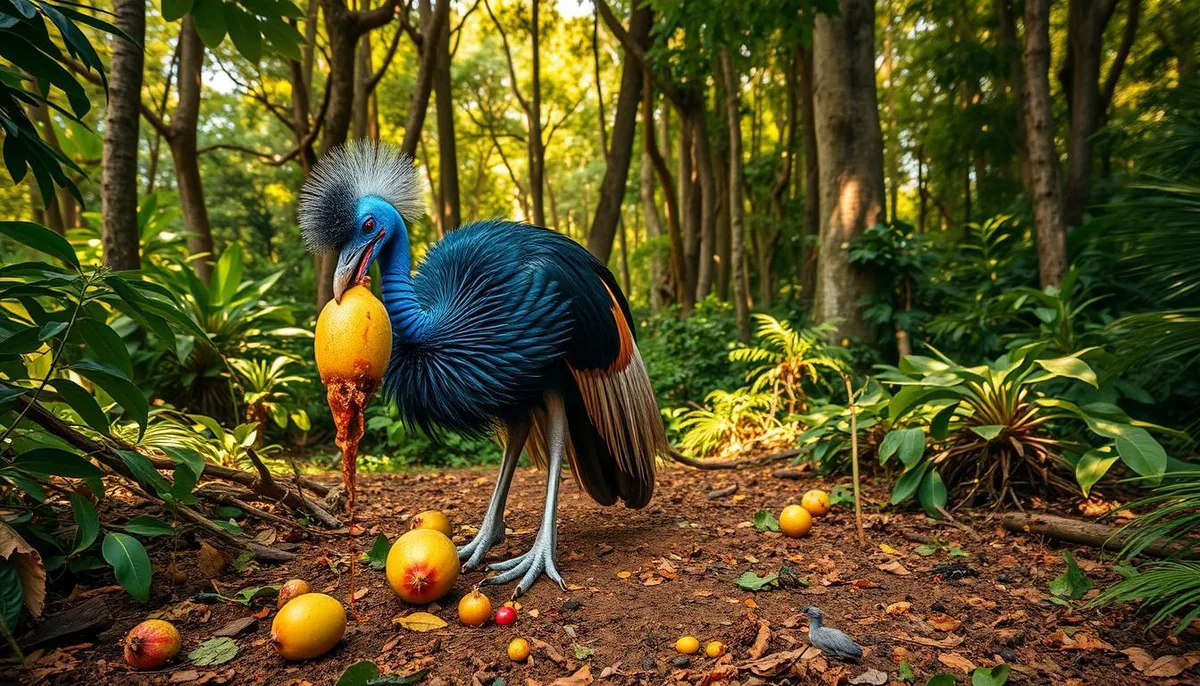
Image source: Web (Bing) / ellenses.com (Web image (fair-use with source credit))
The Role of Cassowaries as Seed Dispersers
One of the most critical ecological functions performed by cassowaries is seed dispersal. As they travel through the rainforest, eating fruits and passing the seeds through their digestive tracts, they deposit these seeds in new locations, far from the parent plant. This process is vital for the regeneration and diversity of the rainforest ecosystem.
The seeds that pass through a cassowary are often scarified by their gizzards, which can actually improve their chances of germination. This symbiotic relationship means that the survival of cassowaries is directly linked to the health and spread of many native plant species. Without them, the rainforest landscape would look very different.
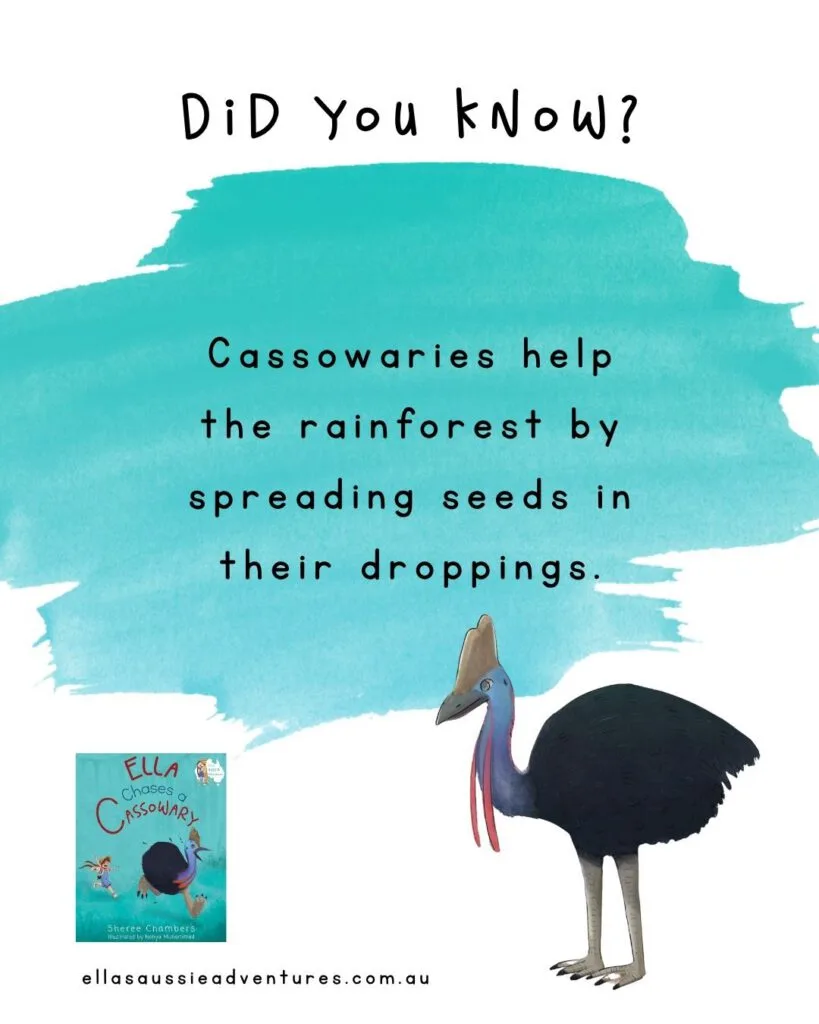
Image source: Web (Bing) / ellasaussieadventures.com.au (Web image (fair-use with source credit))
Foraging Habits: How Cassowaries Find Their Food
Cassowaries are solitary birds for most of the year, and their foraging habits reflect this. They are ground-dwelling foragers, spending their days walking through the undergrowth, their powerful legs allowing them to cover significant distances. Their keen senses of sight and smell help them locate food sources.
They tend to eat what's readily available and accessible at ground level or on low-hanging branches. This often involves meticulously scanning the forest floor for fallen fruits, or pecking at fungi and leaves within reach. Their foraging style is more about continuous searching and opportunistic feeding than active hunting.
Seasonal Food Availability and Dietary Shifts
The diet of a cassowary isn't static; it changes significantly depending on the season and the availability of different food sources. During peak fruiting seasons, which can vary by region and specific plant species, fruits will dominate their intake, sometimes making up over 90% of what they eat.
When fruits are scarce, typically during drier periods or times when fruiting plants are not in season, cassowaries shift their focus. They will rely more heavily on leaves, shoots, and whatever fungi or insects they can find. This dietary flexibility is crucial for their survival and allows them to thrive in an environment where food resources can fluctuate.
For example, research from the Australian National University indicates that during non-fruiting periods, leaf and shoot consumption can increase by as much as 50%.
Cassowary Diet and Their Rainforest Ecosystem
The eating habits of cassowaries are deeply intertwined with the health and structure of their rainforest homes. As primary consumers of fallen fruits, they play an indispensable role in shaping the plant life around them. Their dietary preferences directly influence which plants are able to reproduce and spread successfully.
When we look at a cassowary's impact, it's not just about what goes into their stomach. It's about what comes out and where it lands. This natural seed dispersal service is crucial for maintaining biodiversity and ensuring that the rainforest canopy can regenerate.
Without these large birds, many fruit-bearing plants would struggle to propagate beyond their immediate vicinity.
FAQs About What Cassowaries Eat
What is the primary food source for cassowaries?
The primary food source for cassowaries is fruit, which makes up the vast majority of their diet. They consume a wide variety of fallen fruits from rainforest plants.
Do cassowaries eat meat?
While primarily frugivores, cassowaries are known to occasionally eat insects, worms, and small invertebrates. They are not active hunters of larger prey.
How does a cassowary's diet affect the rainforest?
Cassowaries are vital seed dispersers. By eating fruits and excreting seeds in new locations, they help native plants to regenerate and spread throughout the rainforest.
Are cassowaries picky eaters?
Cassowaries are not particularly picky eaters regarding fruit types, but they prefer ripe, fallen fruits. They will also consume leaves, shoots, and fungi when fruit is scarce.
Can cassowaries digest seeds?
Yes, cassowaries can digest seeds. Their digestive system processes the fruit, and the seeds are often scarified by their gizzards, which can aid germination when they are excreted.