What Do Toucans Eat
When you picture a toucan, those incredibly colorful, oversized beaks are usually the first thing that comes to mind. But what do toucans eat with those remarkable tools? It's a question that sparks curiosity about these tropical birds and their place in the rainforest.
Our research shows their diet is as vibrant and varied as their appearance.
Toucans are primarily fruit-eaters, but they're not exclusively so. They also supplement their diet with insects, small reptiles, and even bird eggs, which is crucial for their survival and the health of their ecosystem. As of 2026, ornithological studies confirm that understanding their food sources is key to appreciating their ecological role.
Quick Answer
Toucans primarily eat fruit, making them frugivores. They also consume insects, larvae, small lizards, frogs, bird eggs, and nestlings. Their large, colorful beaks are used to reach, pluck, and swallow these varied food items in their rainforest habitat.
The Toucan Diet: A Colorful Mix
Toucans are known for their impressive beaks and their tropical rainforest homes, and their diet is intrinsically linked to both. They're often described as frugivores, meaning fruit makes up the bulk of what they eat. However, their feeding habits are more complex than just a simple fruit salad.
Our research indicates that a toucan’s diet varies depending on the species, the season, and the availability of food in their specific environment. This adaptability is a key reason they've thrived in diverse tropical regions across Central and South America. Understanding this variety helps us appreciate their vital role in seed dispersal and insect control within these delicate ecosystems.
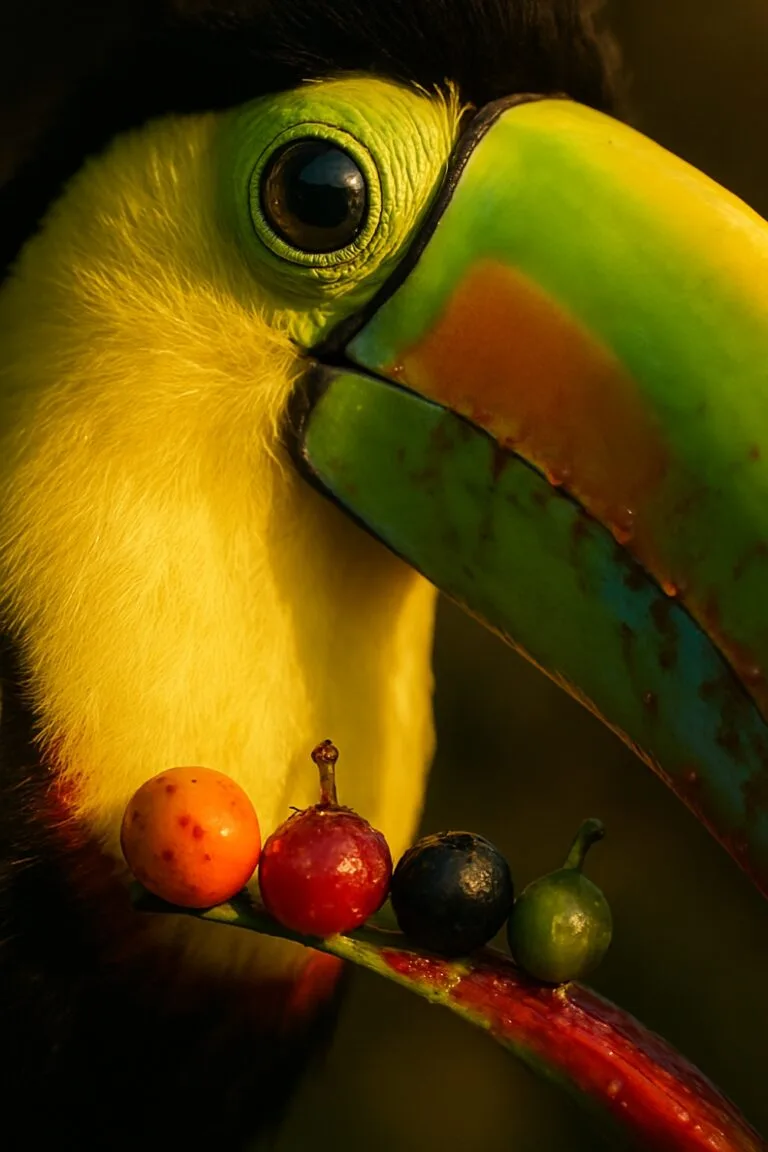
Image source: Bing (Web (fair-use with source credit))
Fruits Galore: The Main Course
When we talk about what do toucans eat, fruit is always number one on the list. They have a special liking for soft, ripe fruits, which are abundant in the tropical rainforest canopy where they live. Think of juicy berries, sweet figs, and a wide array of other tropical produce.
Figs, in particular, are a cornerstone for many toucan species. They are a rich food source that is often available year-round in many parts of their range. By eating these fruits, toucans play a critical role in dispersing seeds.
As they fly from place to place, they drop the seeds in their droppings, helping new trees and plants grow. This makes them vital "gardeners" of the rainforest.
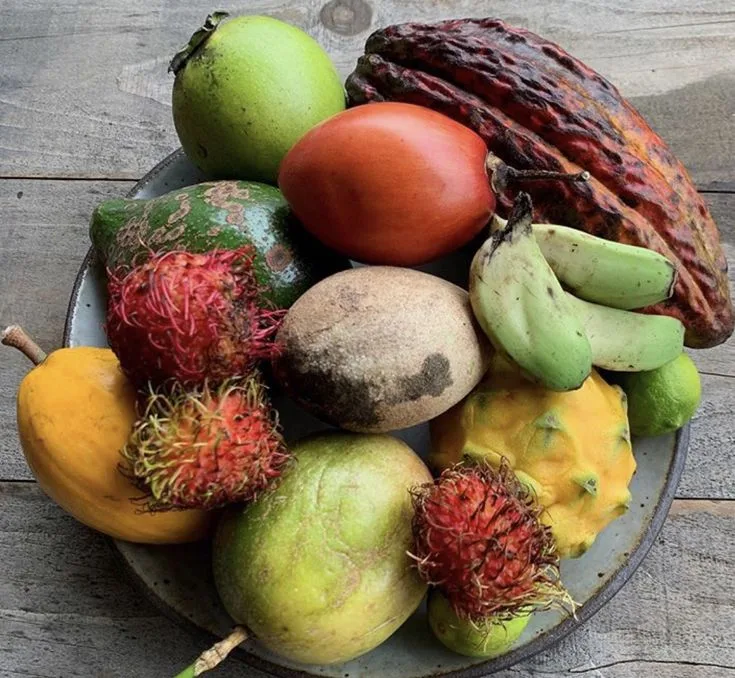
Image source: Bing (Web (fair-use with source credit))
Beyond Fruit: Insects and More
While fruit is their favorite, toucans aren't just dessert-eaters. They also rely on insects and other small invertebrates to round out their diet, especially when they need an extra boost of protein. This includes a variety of ants, beetles, and termites.
They’re quite adept at finding these crawling snacks. They'll often probe into rotting wood or clusters of leaves with their beaks, looking for hidden insect larvae. This insectivorous behavior is particularly important for adult toucans during breeding season when they need more energy, and also for feeding their growing chicks.
Occasional Snacks: Small Critters
This is where the diet of toucans might surprise some people. While not their primary food source, toucans are known to occasionally prey on small vertebrates. This can include small lizards, frogs, and even snakes.
They are also opportunistic feeders when it comes to other birds. Toucans have been observed raiding the nests of smaller birds, eating their eggs and even their nestlings. While this might sound harsh, it's a natural part of the food chain in the rainforest, and it ensures that toucans get the diverse nutrients they need, especially when fruit is less abundant.
How That Amazing Beak Helps Them Eat
That iconic, oversized beak isn't just for show; it's a highly specialized tool that toucans use for a variety of feeding tasks. Its size and shape are perfectly adapted to their diet and their environment. It allows them to access food that might be out of reach for other birds.
The beak itself is surprisingly lightweight, despite its size, due to its hollow, honeycomb-like internal structure. This makes it manageable for the birds to use for everyday feeding activities without being too cumbersome.
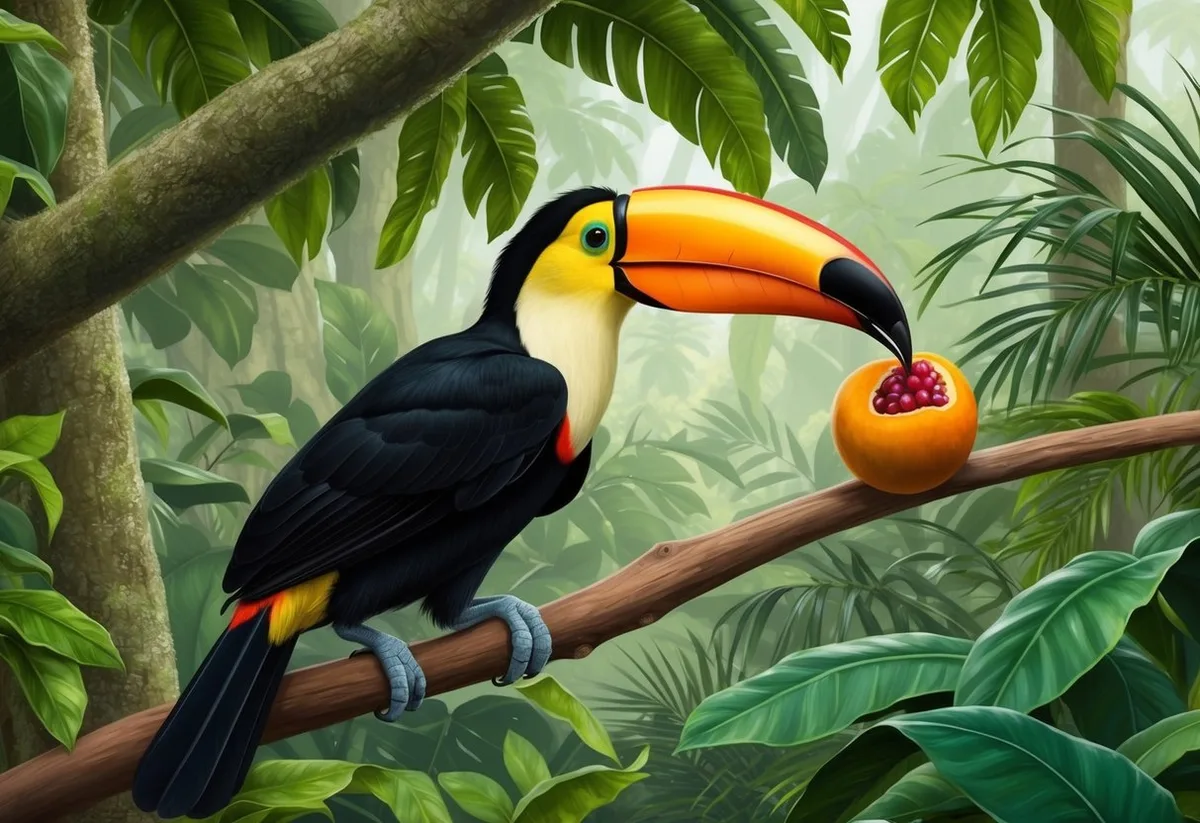
Image source: Bing (Web (fair-use with source credit))
Reaching and Plucking
One of the primary functions of a toucan's beak is reach. Many of the fruits toucans eat grow on thin branches at the very ends of trees. These branches often can't support the weight of a toucan.
However, their long beak allows them to stretch out and pluck the fruit without having to put their full body weight on the fragile limb.
This ability to access food from a distance is a significant advantage. It means they can exploit food resources that are inaccessible to many other birds, reducing competition and ensuring a more consistent food supply. They use the serrated edges of their beaks to help grip and manipulate slippery fruits.
Swallowing with Style
After plucking their food, toucans have a unique way of getting it down their throats. They don't just gulp it down like many other birds. Instead, they often toss the food item up into the air with a flick of their beak.
Then, they catch it further back in their mouth, guiding it towards their gullet. This "toss and catch" technique helps them position the food for easier swallowing, especially larger fruits or wriggling insects. It's a fascinating behavior to observe and demonstrates the beak's versatility beyond just reaching and plucking.
Why the Variety Matters for Toucans
The diverse diet of toucans isn't just a quirky fact; it's fundamental to their survival and their role in the intricate web of the rainforest ecosystem. By consuming a wide range of foods, they are able to adapt to the changing conditions of their environment. This adaptability is a hallmark of successful species.
When one food source becomes scarce, their ability to switch to another ensures they can continue to thrive. This is particularly important in tropical regions where weather patterns and fruit availability can fluctuate significantly throughout the year.
Surviving Seasonal Changes
Tropical rainforests experience wet and dry seasons, which directly impact the availability of fruits. During times when certain fruits are not in season or are scarce due to drought, toucans can rely on insects and small animals to get the nutrients they need. This dietary flexibility means they aren't dependent on a single food source.
For example, when fruit ripens less frequently, an increased insect population might provide a more stable food option. This ability to pivot their diet helps them maintain their body condition and energy levels year-round, which is crucial for everything from migration (in some species) to reproduction.
Their Role in the Ecosystem
Toucans are more than just colorful birds; they are crucial players in their environment. As frugivores, their primary contribution is seed dispersal. When they eat fruits, they ingest the seeds and then excrete them in new locations as they fly.
This process helps to regenerate forests and maintain plant diversity.
Furthermore, by preying on insects and small vertebrates, toucans help regulate the populations of these animals. This can prevent insect outbreaks that might damage vegetation and keeps smaller animal populations in check. They are a key part of the natural balance, influencing both plant and animal life in the rainforest.
Common Toucan Diet Myths Debunked
People often have a simplified view of what toucans eat, sometimes imagining them as purely fruit-eating birds with no other dietary needs. This isn't quite accurate and overlooks their adaptable nature. One common misconception is that their large beaks are clumsy and only useful for eating soft fruits.
In reality, their beaks are quite adept at handling a variety of food types. Another myth is that they are exclusively gentle fruit-eaters and never consume other animals. While fruit is their staple, our research confirms they are opportunistic omnivores.
They will readily eat insects, eggs, and small creatures when available, playing a more active role in their ecosystem's food web than often portrayed.
FAQs About Toucan Eating Habits
What is the main food source for toucans?
The primary food source for toucans is fruit. They are classified as frugivores, meaning a significant portion of their diet comes from various soft fruits found in their tropical rainforest habitats. This includes berries, figs, and other tropical produce.
Do toucans eat insects?
Yes, toucans do eat insects. While fruit is their staple, they supplement their diet with insects like ants and beetles, as well as insect larvae. This provides them with essential proteins and nutrients.
Can toucans eat meat?
Toucans are opportunistic omnivores and will eat small animals. Their diet can include small lizards, frogs, snakes, bird eggs, and even nestlings. This behavior is more common when raising young or when fruit is scarce.
How does a toucan's beak help it eat?
A toucan's large beak is a versatile tool. It allows them to reach fruits on thin branches that cannot support their weight, to pluck and manipulate food, and to swallow food by tossing it into the air and catching it. The beak is lightweight due to its hollow structure.
Are toucans important for their ecosystem?
Toucans play a vital ecological role, primarily as seed dispersers through their fruit consumption. They also help control populations of insects and small animals through their varied diet, contributing to the overall balance of the rainforest ecosystem.