What Do Flamingos Eat
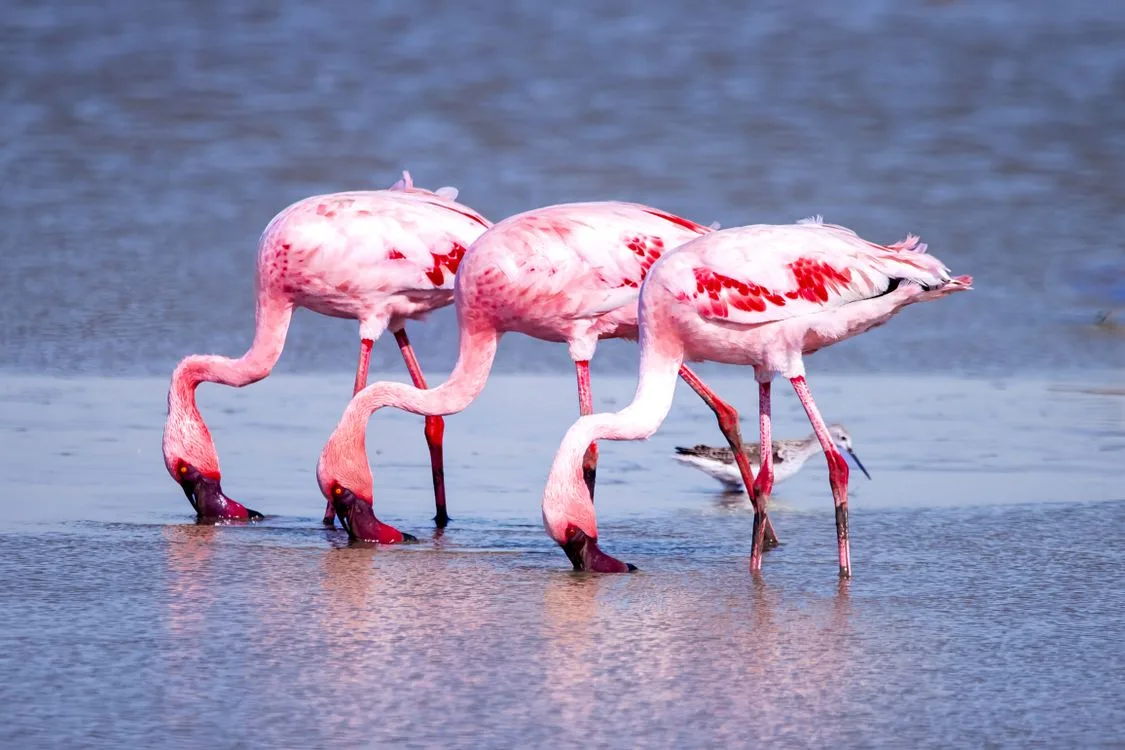
Image source: Bing (Web (fair-use with source credit))
You've seen them, those impossibly pink birds standing elegantly on one leg. But have you ever stopped to wonder what do flamingos eat to achieve such vibrant coloration? It's not something they're born with; their striking shade comes directly from their diet, a fascinating interplay of nature and specialized feeding.
This isn't just about aesthetics; their color is a direct indicator of their health and environment. Understanding their food sources reveals a lot about the unique ecosystems they inhabit and the incredible adaptations that allow them to thrive.
Quick Answer
Flamingos primarily eat algae, brine shrimp, and other small aquatic invertebrates. These food sources are rich in carotenoid pigments, which are responsible for giving flamingos their characteristic pink and reddish colors. Without these pigments, flamingos would be a pale pink or white.
The Flamingo's Filter-Feeding Feast
Flamingos are masters of specialized feeding, and their entire physiology is geared towards extracting tiny food particles from mud and water. It’s not just about what they eat, but crucially, how they eat it. Their unique beaks are perfectly evolved tools for this very purpose.
The feeding process involves a complex, yet elegant, action of scooping and filtering. This method allows them to consume large quantities of small organisms that would be inaccessible to many other birds. Their lifestyle is intrinsically tied to their ability to effectively filter feed in specific aquatic environments.
How Their Beaks Are Built for Dining
A flamingo's beak is one of nature's most remarkable tools. It’s curved and shaped in a way that’s ideal for sifting through mud and water. When a flamingo feeds, it inverts its head, placing its upper beak in the water and its lower beak facing upwards.
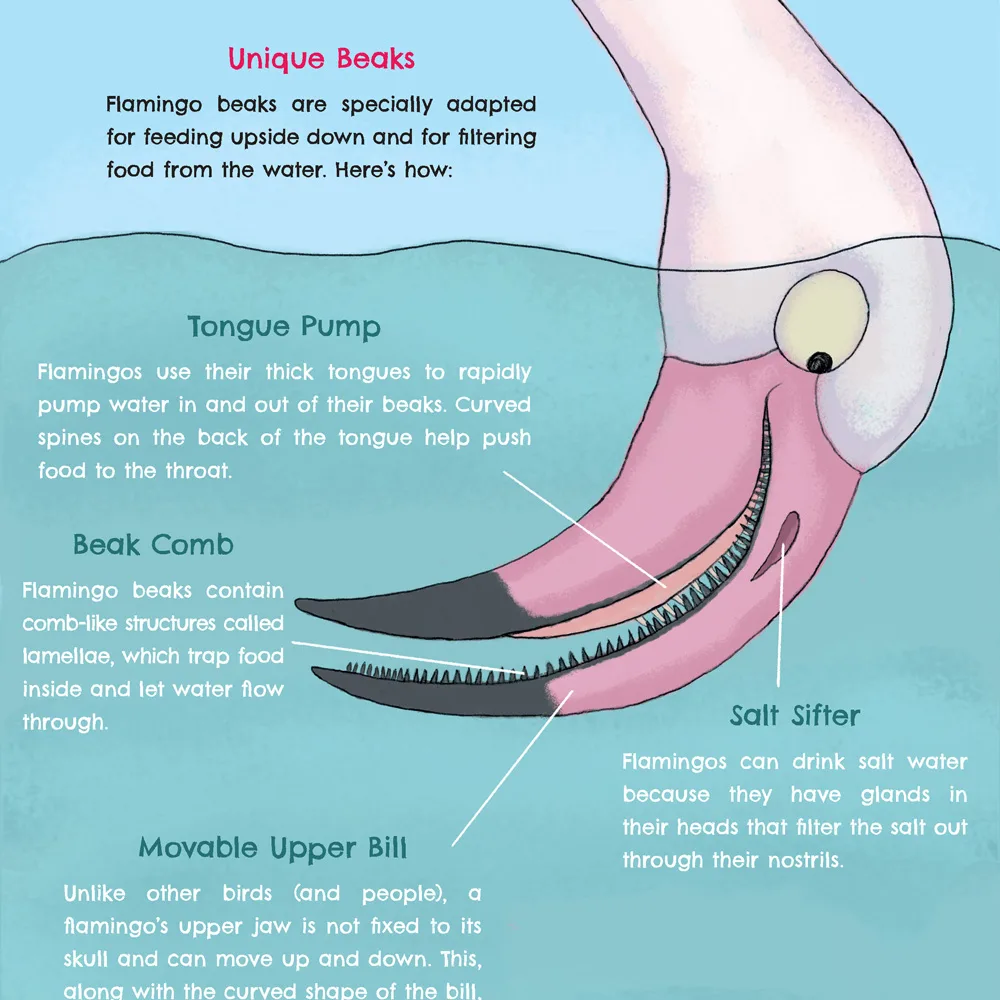
Within the beak, a series of comb-like structures called lamellae line the edges. These lamellae act as fine filters, trapping small food items. The tongue, which is large and fleshy, works like a piston, drawing water and mud into the beak and then expelling it through the lamellae, leaving the food behind.
This intricate system ensures they efficiently capture their meals.
What's on the Menu: Algae, Shrimp, and More
The core of a flamingo's diet consists of small aquatic organisms. The exact mix can vary depending on the species and the specific location, but common staples include various types of blue-green algae and small crustaceans like brine shrimp. These food items are packed with essential nutrients.
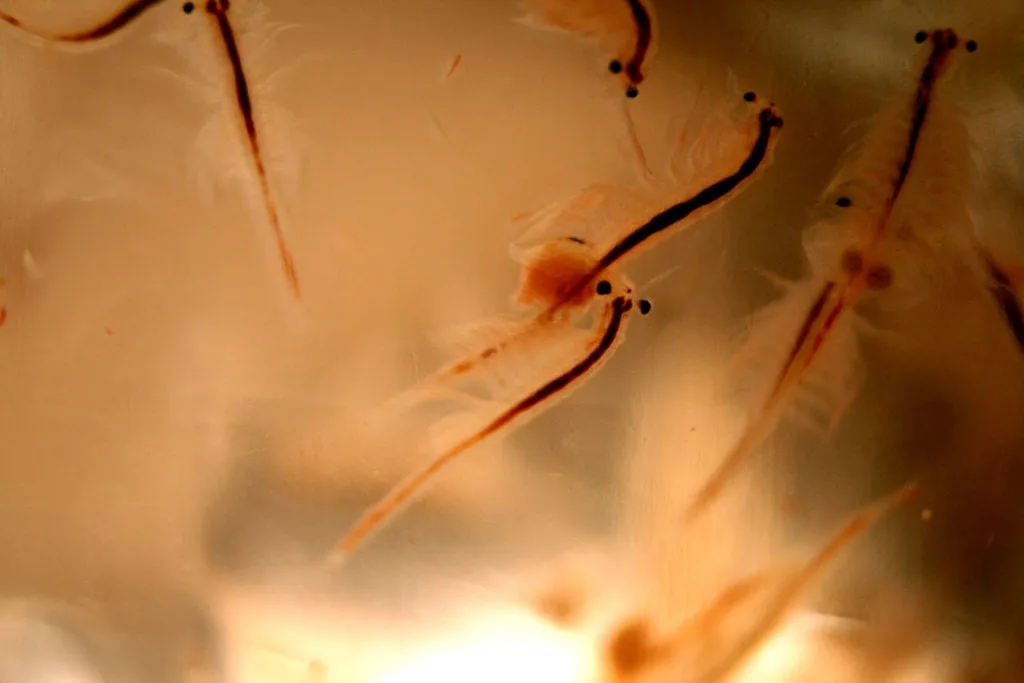
Beyond algae and shrimp, their diet can also include small mollusks, insect larvae, and other tiny invertebrates found in the mud. All these food sources are crucial for providing the necessary pigments that give flamingos their vibrant appearance.
Why Color Matters: More Than Just Pretty
The iconic pink and red hues of flamingos are a direct result of their diet, specifically the presence of carotenoid pigments in the foods they consume. These are the same types of pigments found in carrots and other colorful fruits and vegetables that we eat. It’s a brilliant example of how diet directly influences an animal's appearance.
The Pigment Power of Carotenoids
Carotenoids are organic pigments produced by plants and algae. When flamingos ingest food rich in these pigments, their digestive systems break them down and process them, leading to the deposition of these colors in their feathers, legs, and beaks. The intensity of the color depends on the amount of carotenoids consumed and the bird's ability to metabolize them.
When a Flamingo Isn't Pink
A flamingo’s health and environment can be easily judged by its color. If a flamingo isn't getting enough carotenoid-rich food, or if it has a condition that prevents it from properly processing these pigments, it will appear much paler, sometimes almost white. This pale coloration is a strong indicator that something is amiss with its diet or health.
As of 2026, research continues to explore the nuances of pigment metabolism across different flamingo species and their habitats.
Where Flamingos Find Their Food
Flamingos thrive in specific types of aquatic environments that are rich in the food sources they need. You won't typically find them in deep, open oceans or fast-flowing rivers; their feeding strategy requires shallow, often saline or alkaline waters where their preferred prey can flourish. These unique habitats are key to their survival and distinctive coloration.
Ideal Habitats for Foraging
Flamingos are most commonly found in large, shallow lakes, coastal lagoons, tidal flats, and salt pans. These areas provide the perfect conditions for the growth of algae and the proliferation of small invertebrates and crustaceans. The vast, open nature of these wetlands also offers protection from predators.
The Role of Salty and Alkaline Waters
Many of the water bodies where flamingos forage are characterized by high salinity or alkalinity. These conditions, which might be inhospitable to many other species, create an ideal environment for the specific types of blue-green algae and brine shrimp that are particularly rich in the carotenoid pigments flamingos need. This specialization means their populations are often tied to these unique, less common aquatic ecosystems.
FAQs About Flamingo Eating Habits
What is the primary food source for flamingos?
The primary food sources for flamingos are algae and small crustaceans, such as brine shrimp, which are rich in carotenoid pigments.
How do flamingos get their pink color?
Flamingos get their pink color from carotenoid pigments found in the algae and crustaceans they eat. These pigments are metabolized and deposited in their feathers, legs, and beaks.
Can flamingos survive without eating colorful foods?
Flamingos can survive without carotenoid-rich foods, but they will be significantly paler, appearing white or very light pink, as they lack the pigments for vibrant coloration.
What kind of environment do flamingos live in to find food?
Flamingos typically live in shallow, saline or alkaline lakes, lagoons, and tidal flats where their preferred food sources like algae and brine shrimp thrive.
Do all flamingo species eat the same thing?
While the core diet of algae and crustaceans is common, the exact food sources and proportions can vary between different flamingo species depending on their habitat and beak morphology.
Expert Tips: Enhancing Flamingo Diet Understanding
When studying flamingo diets, it's crucial to look beyond just listing food items. The context of their environment and their unique feeding adaptations are just as vital. Think of it like understanding why a chef uses specific tools for certain ingredients; the method is as important as the ingredient itself.
Beyond the Beak: Habitat Matters
Remember that flamingos are found in very specific habitats for a reason. These shallow, often saline or alkaline waters are perfect breeding grounds for the algae and crustaceans that form their diet. If these wetlands are threatened by development or climate change, the flamingo's food supply is directly impacted.
Organizations like the National Audubon Society often highlight the importance of wetland conservation for bird populations, including flamingos.
Observing Feeding Behavior
Watching how flamingos feed provides invaluable insight. Notice the upside-down posture and the rhythmic movement of their heads and tongues. This isn't just incidental; it’s a highly evolved technique.
If you see them feeding unusually or struggling to filter food, it could signal a problem with the water quality or the available food particles, such as being too large or too small to be effectively filtered by their lamellae.