What Do Pelicans Eat
You've probably seen pelicans and wondered what exactly they gulp down. What do pelicans eat often surprises people because their diet isn't just one thing; it's quite a varied menu. They're masters at snagging what's available, making them fascinating to observe in their natural habitats.
In our research, we found that pelicans are opportunistic feeders, meaning they'll eat a wide range of aquatic life. For instance, a single Great White Pelican can consume up to 4 pounds of food daily, with fish being their primary source, though they're known to diversify. This adaptability is key to their survival in diverse environments.
Quick Answer
Pelicans primarily eat fish, including anchovies, sardines, and minnows. They also consume crustaceans like shrimp and crabs, and occasionally amphibians, insects, and even small birds or rodents. Their diet varies by species and geographic location.
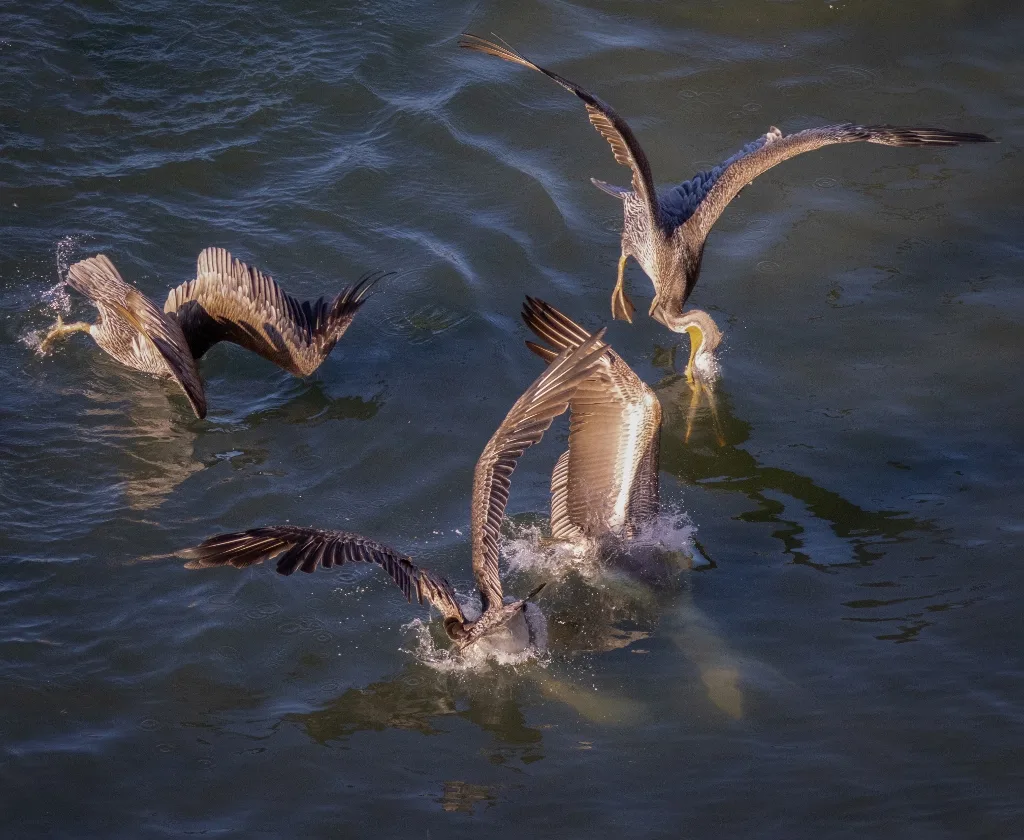
Image source: Web (Bing) / mendonomasightings.com (Web image (fair-use with source credit))
The Pelican's Pouch: Nature's Fishing Net
That iconic, floppy pouch under a pelican's beak is more than just a funny-looking accessory; it's a crucial tool for their feeding strategy. Known scientifically as the gular pouch, this expandable membrane acts like a net, allowing them to scoop up large quantities of water along with their prey. When they lift their heads, the water drains out, leaving the fish or other food items behind to be swallowed.
Think of it like a built-in colander and scoop combined. The pouch is lined with a smooth, keratinized membrane that helps hold onto slippery fish. It’s surprisingly large; some pelicans can hold more than they can actually eat in one go, often storing their catch temporarily before swallowing.
This feature is fundamental to how they operate in their aquatic environments.
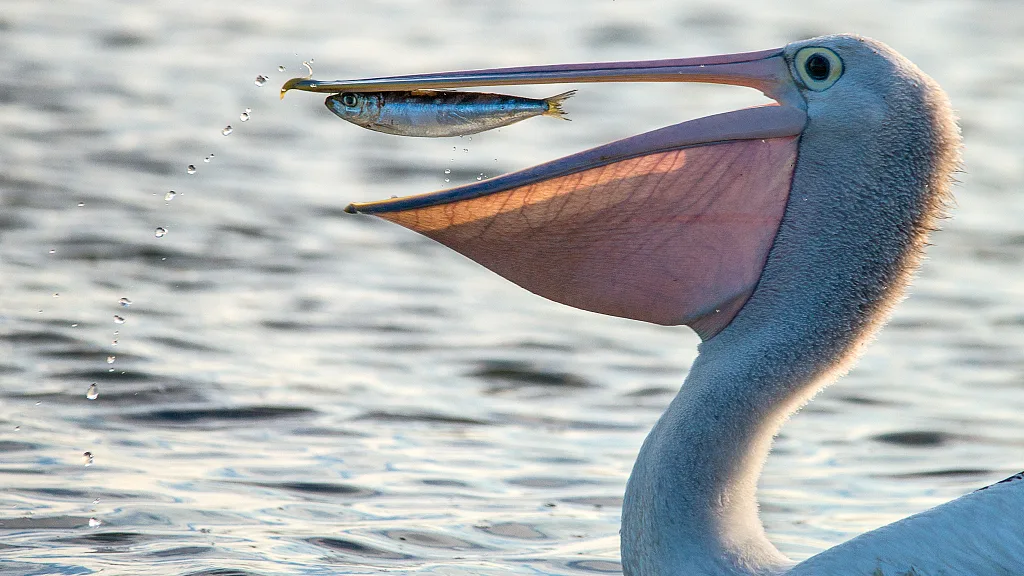
Image source: Web (Bing) / news.cgtn.com (Web image (fair-use with source credit))
How Does the Pouch Work?
- Scooping: The pelican dips its beak and pouch into the water, capturing fish and water.
- Draining: It then tilts its head upwards, allowing the water to spill out over the edge of the pouch.
- Swallowing: What remains is the catch, which the pelican swallows whole.
Fish First: The Staple of a Pelican's Diet
When we talk about what do pelicans eat, fish are by far the most common answer. They're incredibly efficient at finding and catching fish, especially smaller species that travel in schools. Different pelican species have preferences, but generally, they go for whatever is abundant and relatively easy to catch in their watery homes.
The specific types of fish can vary a lot depending on the pelican's location. Along coastlines, you'll find them feasting on anchovies, sardines, and menhaden. In freshwater areas, their diet might include minnows, carp, and other small freshwater fish.
Their ability to adapt to local fish populations is a key survival trait.
Common Fish Prey
- Anchovies: Small, schooling fish found in marine environments.
- Sardines: Another common marine species, similar in size and habit to anchovies.
- Minnows: Small freshwater fish, often found in large numbers.
- Herring: Small to medium-sized schooling fish in both marine and freshwater.
- Carp: Larger freshwater fish, particularly for larger pelican species.
Research from the U.S. Fish and Wildlife Service confirms that fish constitute the primary food source for most pelican species. This dietary reliance highlights the importance of healthy aquatic ecosystems for their populations.
Beyond Fish: Other Treats Pelicans Enjoy
While fish make up the bulk of a pelican's diet, they aren't strictly limited to them. These birds are known to be quite opportunistic, and if other small, easily catchable creatures are around, they'll likely end up in the pouch. This dietary flexibility helps them thrive in various habitats, from saltwater coasts to inland lakes and rivers.
You might be surprised to learn what else can be on their menu. Crustaceans, like shrimp and crabs, are often found in the coastal diets of species such as the Brown Pelican. Amphibians, such as frogs, are also a common find, especially for pelicans that frequent freshwater wetlands.
Even certain insects can be consumed if they're present in large numbers and easy to scoop up.
Other Food Sources
- Crustaceans: Shrimp, crabs, and other small shellfish.
- Amphibians: Frogs, tadpoles, and other small aquatic creatures.
- Insects: Aquatic insects and larvae found near the water's surface.
- Other Small Animals: Occasionally, they might catch small reptiles or even rodents if they venture too close to the water.
It’s important to remember that these aren't the primary food sources, but rather additions to their diet when fish are scarce or when these other items are readily available. This ability to supplement their diet is a crucial part of their ecological success.
How Pelicans Catch Their Catch: Techniques and Tactics
Pelicans employ a variety of methods to snag their meals, showcasing their impressive adaptability. The most common technique, often seen with species like the Brown Pelican, is surface diving. This involves plunging headfirst into the water from a height to grab fish swimming near the surface.
It looks dramatic and is highly effective in marine environments.
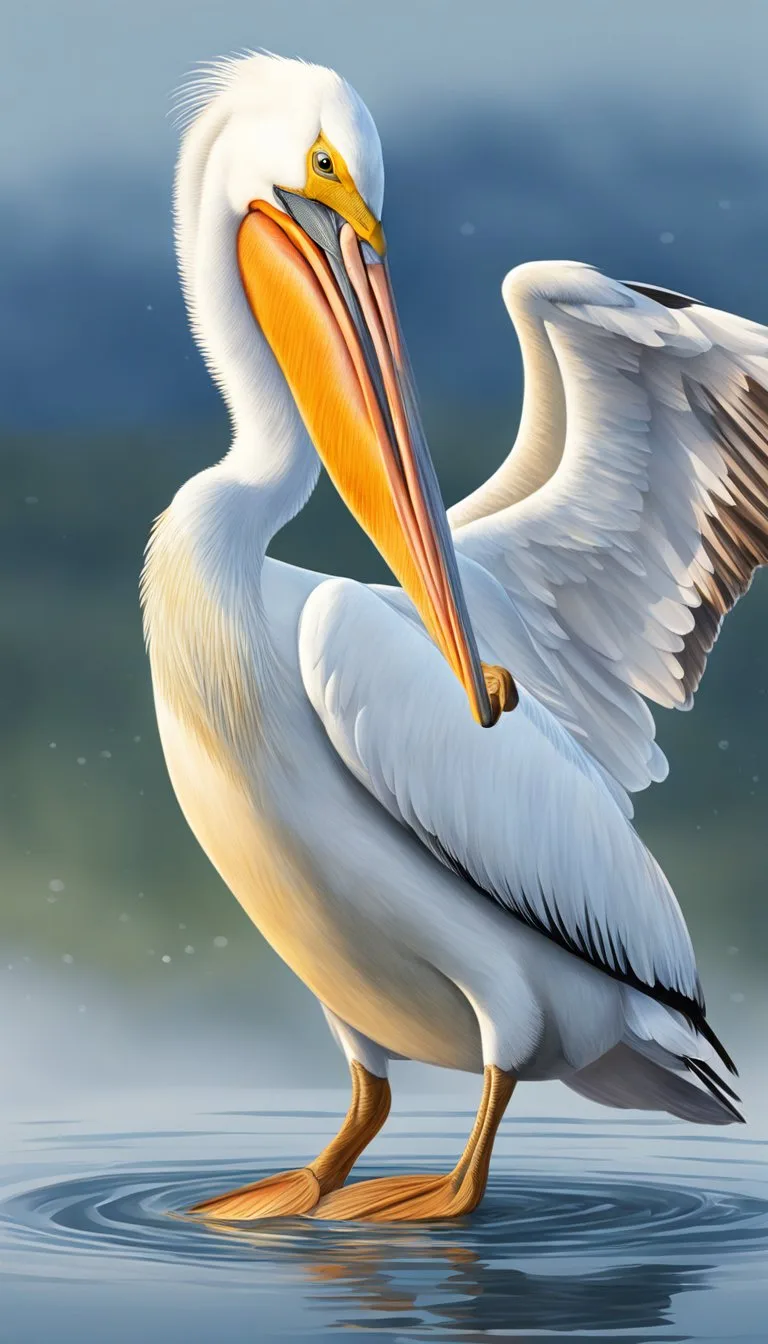
Image source: Bing (Web (fair-use with source credit))
Other pelicans, like the American White Pelican, prefer a more communal approach. They often feed in groups, herding schools of fish into shallow areas or natural traps like coves. Once the fish are concentrated, the pelicans swoop in, scooping them up with their pouches.
This cooperative hunting is a fascinating display of coordinated behavior in the bird world.
Common Hunting Methods
- Surface Diving: Plunging from a height to catch fish just below the surface.
- Shallow Scooping: Foraging in shallow waters by dipping their heads and pouches.
- Cooperative Herding: Working in groups to corral fish into confined areas for easier capture.
- Patrolling Shorelines: Walking or swimming in shallow areas, using their pouches to scoop up whatever they find.
These diverse techniques allow pelicans to exploit different food sources and environments, making them successful predators across various aquatic ecosystems.
Species Spotlight: What Different Pelicans Eat
While the general answer to "what do pelicans eat" is fish, the specifics can really change depending on which pelican species you're looking at. There are eight recognized species of pelicans worldwide, and their size, habitat, and hunting style all play a role in their dietary preferences. For example, the large American White Pelican has different needs and methods than the smaller, diving Brown Pelican.
- Brown Pelicans ( Pelecanus occidentalis): Found along the coasts of the Americas, these are the classic divers. Their diet consists mainly of small schooling fish like anchovies, sardines, and menhaden, which they catch by plunging into the water.
- American White Pelicans ( Pelecanus erythrorhynchos): These large freshwater birds often feed cooperatively. They primarily eat fish such as carp, minnows, and perch, but will also take amphibians and crustaceans.
- Great White Pelicans ( Pelecanus onocrotalus): One of the largest flying birds, found in Europe, Asia, and Africa. They are known to eat large fish, but in some communal feeding situations, they have been observed preying on other birds, like ducklings. Their diet is quite varied based on local availability.
- Australian Pelicans ( Pelecanus conspicillatus): Found across Australia, these pelicans have a broad diet including fish, amphibians, and crustaceans. They are known for being very opportunistic feeders.
Understanding these differences helps appreciate the incredible diversity within the pelican family and how each species has evolved to thrive in its specific environment.