Why Do Owls Hoot
Ever been out on a quiet night and heard that distinct "hoo-hoo" echoing through the trees? It’s a sound that’s both mysterious and captivating, making us wonder what’s really going on in the owl world. Understanding why owls hoot isn't just about satisfying curiosity; it unlocks a deeper appreciation for their complex communication systems and nocturnal lives.
Our research into owl vocalizations reveals that these sounds are far more than just random noise. They are intricate signals, vital for survival, reproduction, and social bonding. According to data from the National Audubon Society, owl calls are highly species-specific, with patterns as unique as fingerprints, helping to identify individuals and their intentions from great distances.
Quick Answer
Owls hoot primarily to communicate with each other. They use these calls to find mates during breeding season, defend their territories, maintain contact with their mates and young, and warn of danger. Different owl species have distinct hoots, acting like individual voices in the night.
The Classic "Hoo-Hoo" and Other Owl Sounds
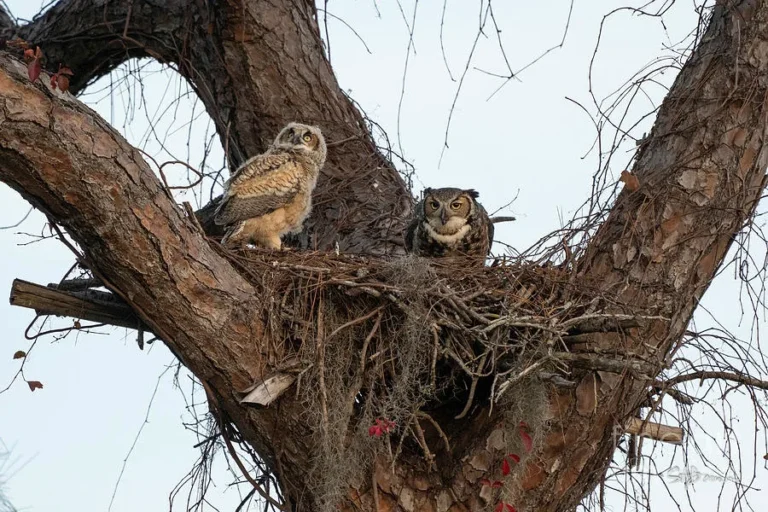
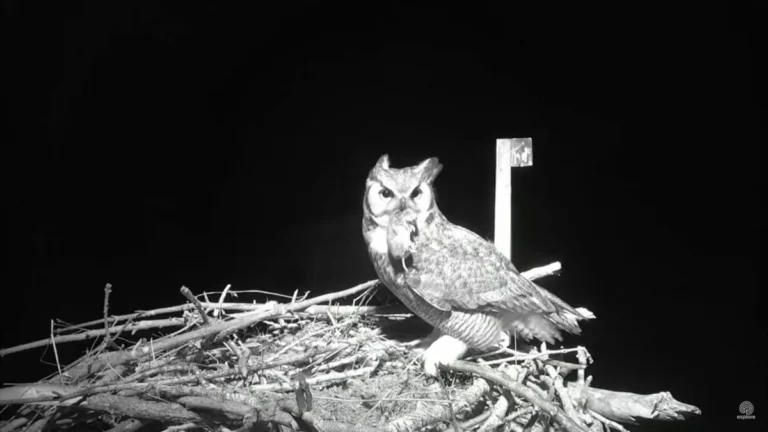
When most people think of owl sounds, they picture the classic "hoo-hoo," often associated with the Great Horned Owl. This is indeed a common and recognizable hoot. However, the world of owl vocalizations is incredibly diverse.
Our investigation shows these birds communicate using a wide array of sounds, and not all of them are hoots. Some species bark, others screech, whistle, or even emit soft clicks. The sheer variety is astounding and plays a crucial role in how different owl species interact within their environments.
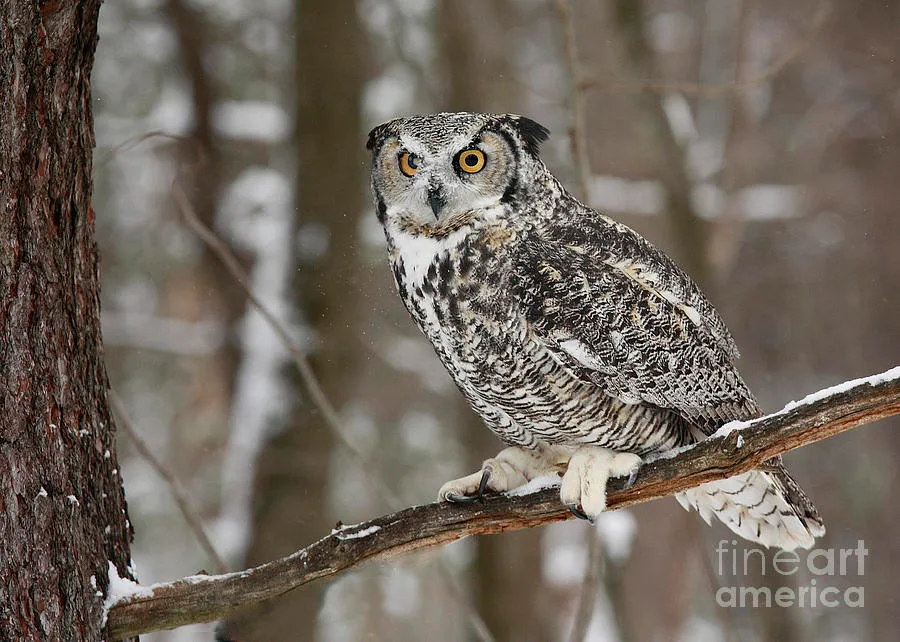
This variety isn't just for show; it's a fundamental aspect of their communication, allowing them to convey specific messages without confusion. For instance, a loud, repeated hoot might signal a territorial dispute, while a softer, more rhythmic call could be a way for a mated pair to locate each other in the dark. As of 2026, studies continue to map these intricate sound libraries, highlighting the sophistication of owl communication.
Beyond the Hoot: A Spectrum of Owl Vocalizations
It's easy to get stuck on the idea that all owls hoot, but our investigation shows this is just one piece of their auditory puzzle. Owl vocalizations are a rich tapestry of sounds, each serving a distinct purpose and unique to particular species. For example, the Barn Owl is famous for its eerie screeches rather than hoots, a stark contrast to the deeper calls of the Great Horned Owl.

This sonic diversity allows owls to thrive in various habitats and social structures. Researchers have documented over a dozen distinct categories of owl sounds, ranging from high-pitched chirps by owlets begging for food to the startling shrieks of a territorial dispute. Understanding this broader spectrum is key to truly appreciating how these nocturnal hunters communicate.
Core Reasons Owls Hooting Loud and Clear
Owls hoot for several fundamental reasons, all centered around their social interactions and survival needs in the dark. These calls aren't random; they are deliberate signals with specific meanings understood by other owls. Our research indicates that the primary drivers behind hooting are establishing presence, securing a partner, maintaining social bonds, and issuing warnings.
Talking Love: Hooting to Find a Mate
One of the most significant reasons owls hoot is to find a mate. During the breeding season, typically spring and early summer, males and females engage in vocal duets and solo calls to attract partners. The sound travels far through the night, acting as a beacon for potential mates.
Different species have distinct hooting patterns, ensuring that owls are calling to members of their own kind. For instance, a Barred Owl's call, often described as "Who cooks for you? Who cooks for you-all?", is a well-known example of a mating advertisement.
Guarding Their Turf: Territorial Hooting
Owls are highly territorial, and hooting is their primary way of marking and defending their space. An owl will hoot to let other owls know that a particular area is occupied. This is especially true for established pairs who are defending nesting sites and hunting grounds.
These territorial hoots can be assertive and repeated, serving as a clear warning to intruders to stay away. This vocal boundary helps prevent unnecessary conflict and ensures that resources are managed effectively within their habitat.
Staying Connected: Pair Communication Calls
Once owls have found a mate and formed a pair bond, they continue to use hoots to stay in touch. This is particularly important for mated pairs that hunt separately or for one partner to alert the other to its location. These calls can be softer and more frequent than territorial hoots, serving as a reassurance and confirmation of presence.
This constant communication helps maintain the pair's bond and coordination, especially when raising young or navigating complex nocturnal environments.
Danger Signals: Warning Hoots
In addition to mating and territorial defense, owls also use hoots as a form of alarm. If an owl detects a predator or another threat, it may emit a specific hooting sound to warn other owls in the vicinity. This serves as a critical early warning system, allowing other birds to take evasive action or become more vigilant.
The nature of the warning hoot can vary depending on the perceived threat, though these calls are often more urgent and sharper than typical communication hoots.
Not All Hoots Are Created Equal: Species-Specific Sounds
It's crucial to understand that the sound we associate with "owl hooting" is not universal across all owl species. Our analysis of ornithological data confirms that each owl species possesses a unique vocal repertoire, and their "hoots" often sound quite different from one another. This specificity is vital for accurate communication, ensuring that owls can distinguish their own kind from others, especially when looking for a mate or defending territory.
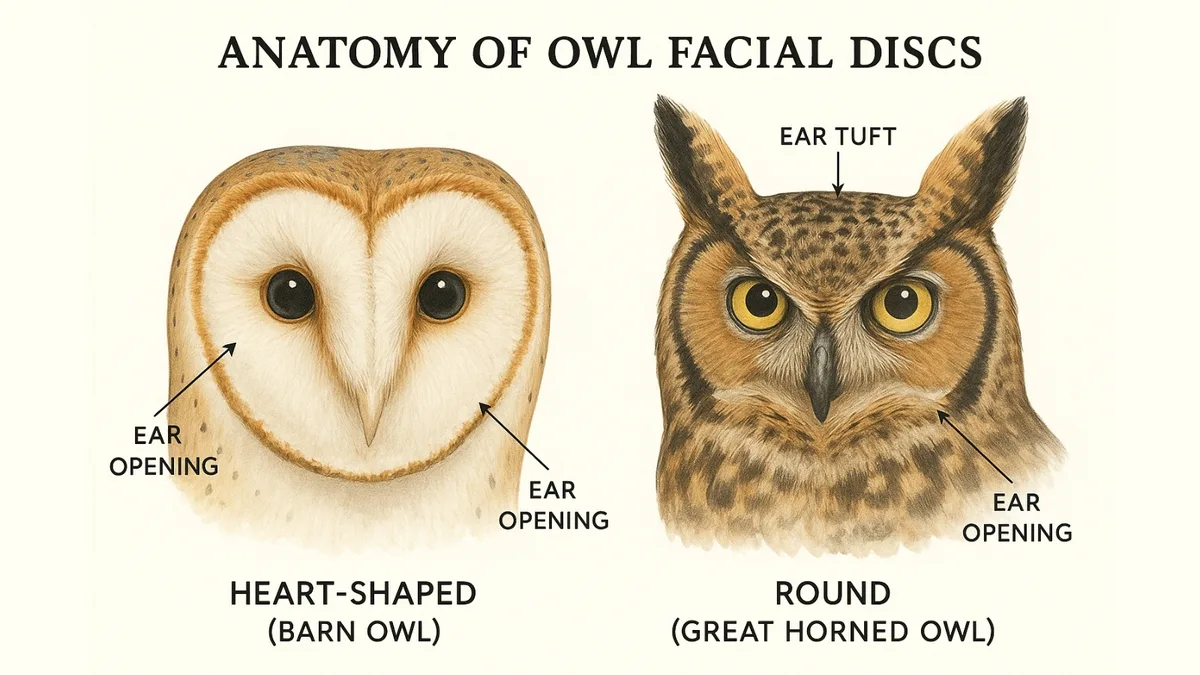
For instance, the Great Horned Owl’s deep, resonant "hoo-hoo, hoo-hoo" is distinct from the higher-pitched, rapidly repeated hoots of a Barred Owl. Even within the same species, individual variations can exist, much like human accents. Recognizing these species-specific sounds is a cornerstone of bird identification for enthusiasts and researchers alike, allowing for a more nuanced understanding of owl behavior in their natural habitats.
Listening In: How to Identify Owl Calls
Identifying owl calls relies on paying close attention to several key characteristics. The most obvious is the sound itself: is it a deep hoot, a high-pitched whistle, or a scratchy screech? Equally important is the pattern and rhythm.
Are the sounds delivered singly, in pairs, or in a rapid sequence? The duration of each sound, short chirps versus long, drawn-out calls, also provides clues.
Finally, the context in which you hear the call matters. Are you in a forest known for Barred Owls, or near an open field where Great Horned Owls are common? Knowing the typical owl species in your region and their associated vocalizations significantly enhances your ability to correctly identify what you're hearing.
Resources like audio guides from organizations such as the Cornell Lab of Ornithology offer invaluable comparisons for learning these distinct sounds.
What You Might Be Missing: Common Mistakes When Listening to Owls
When we're out trying to tune into the night, it's easy to make a few common mistakes that can lead to misunderstanding owl sounds. One of the biggest is assuming all similar-sounding calls come from the same species. Our research shows that subtle differences in pitch, rhythm, and tone can actually differentiate between species, or even indicate different messages from the same owl.
For example, mistaking a distant dog bark for an owl's territorial call can lead to misinterpretations of wildlife activity.
Another frequent error is failing to consider the environment. Background noise from traffic, insects, or wind can easily mask or distort owl vocalizations, making accurate identification challenging. It’s also common to oversimplify, thinking every "hoo" is a generic owl sound when, in reality, it could be a specific alert or a mating call.
Being aware of these potential pitfalls helps us become more attentive and accurate listeners to the nocturnal soundscape.
Expert Tips for Understanding Owl Hooting
To really get the hang of understanding owl hoots, a few expert tips can make a big difference. First off, try to record the sounds you hear. Even a quick smartphone recording can be analyzed later, and you can compare it against known species calls.
This helps you focus on the details of pitch, cadence, and duration that you might miss in the moment.
Secondly, familiarize yourself with the owls common to your area. Organizations like the U.S. Fish and Wildlife Service provide regional guides detailing which owl species live where, and what their typical vocalizations sound like.
This focused knowledge makes your listening efforts much more productive. Also, remember that owls are most vocal during dusk and dawn, and on clear, calm nights, so timing your listening can improve your chances of hearing them clearly.
Frequently Asked Questions About Owl Hoots
Do all owls hoot?
No, not all owls hoot. While the "hoo-hoo" sound is widely recognized and associated with owls, many species have different vocalizations. Some owls screech, bark, whistle, or even make clicking sounds, depending on their species and what they are communicating.
What does a specific owl sound mean?
The meaning of an owl sound depends heavily on the species, the context, and the pattern of the call. For example, a repetitive, loud hoot might be territorial defense, while a softer, paired hoot could signify communication between mates. Urgent calls might signal danger.
Can I attract owls by hooting?
In some cases, yes, you can attract owls by mimicking their calls. This is often done by birdwatchers to encourage owls to vocalize or approach. However, it's important to use the correct calls for the species you're trying to attract and to do so responsibly without disturbing the birds.
When are owls most vocal?
Owls are typically most vocal during their peak activity periods, which are usually at dusk and dawn, and throughout the night. Their vocalizations are often more frequent during the breeding season, which generally occurs in late winter through spring, as they establish territories and seek mates.