How Do Falcons Hunt
If you have ever wondered how do falcons hunt, you are looking at one of the most efficient predatory systems in the natural world. These birds are not just scavengers or opportunistic eaters; they are high-speed aerial specialists that use gravity to their advantage.
As of 2026, scientific observation confirms these raptors can reach speeds exceeding 200 mph during their signature dive. This biological mastery requires unique physiological adaptations that allow the bird to survive the immense pressure of a high-velocity strike.
Quick Answer
Falcons hunt by using high-speed aerial dives called stoops.
They spot prey from high altitudes using extreme visual acuity.
The bird tucks its wings to minimize drag during the descent.
It strikes the prey with a clenched foot to cause immediate incapacitation.
This method relies on kinetic energy to ensure a clean kill.
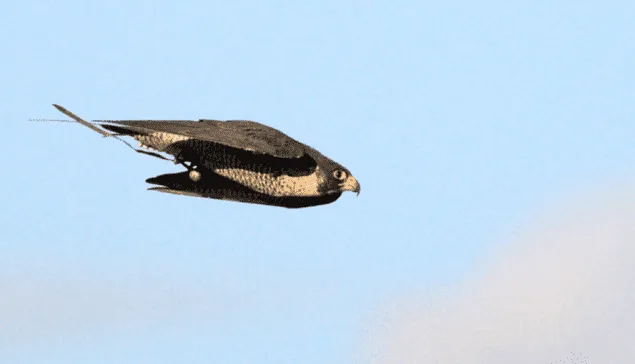
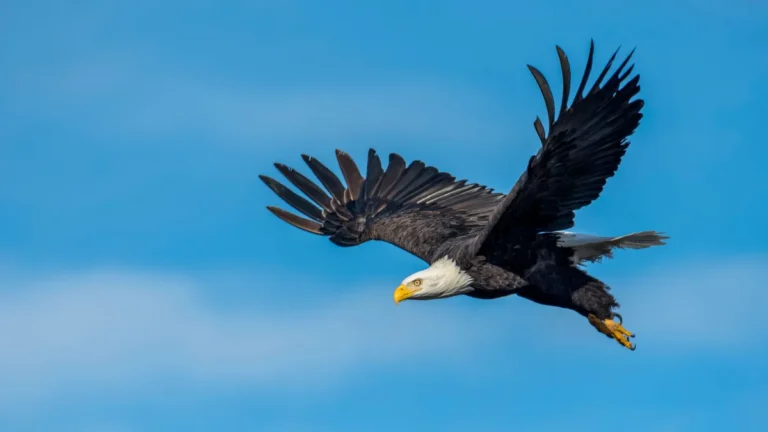
Image source: Web (Bing) / physicsworld.com (Web image (fair-use with source credit))
The Physics of the Stoop: Understanding Falcon Aerial Mechanics
The stoop is the defining feature of falcon hunting. It is a gravity-assisted, vertical dive designed to maximize kinetic energy. By tucking their wings tightly against their body, falcons transform themselves into a teardrop shape.
This shape slashes through air resistance, allowing them to accelerate faster than almost any other animal.
The Peregrine Fund notes that this maneuver is a calculated risk. The bird must constantly adjust its descent angle to account for crosswinds and the movement of its target. Because the bird is moving so fast, even a tiny adjustment in wing angle results in a massive shift in trajectory.
This is not a mindless fall, it is a controlled flight path.
The physics here are brutal. The falcon converts potential energy from its altitude into kinetic energy as it drops. This creates a massive amount of force upon impact.
The goal is to strike the prey with enough speed to cause a fatal injury instantly. This eliminates the need for a prolonged struggle that could result in the falcon sustaining an injury itself.
Anatomy of an Apex Predator: Specialized Equipment for Speed
A falcon is essentially a biological fighter jet. Every part of its anatomy serves the purpose of high-speed interception. The most critical tool is the nictitating membrane.
This thin, translucent third eyelid clears away debris during a dive. It also keeps the eyes from drying out when the bird encounters high-speed wind currents.
Another vital component is the tomial tooth. This is a specialized notch on the upper mandible of the beak. It acts like a precision tool for the falcon.
When the bird makes its kill, it uses this tooth to sever the spinal cord of the prey. This ensures the prey stops moving before the falcon even begins to feed.
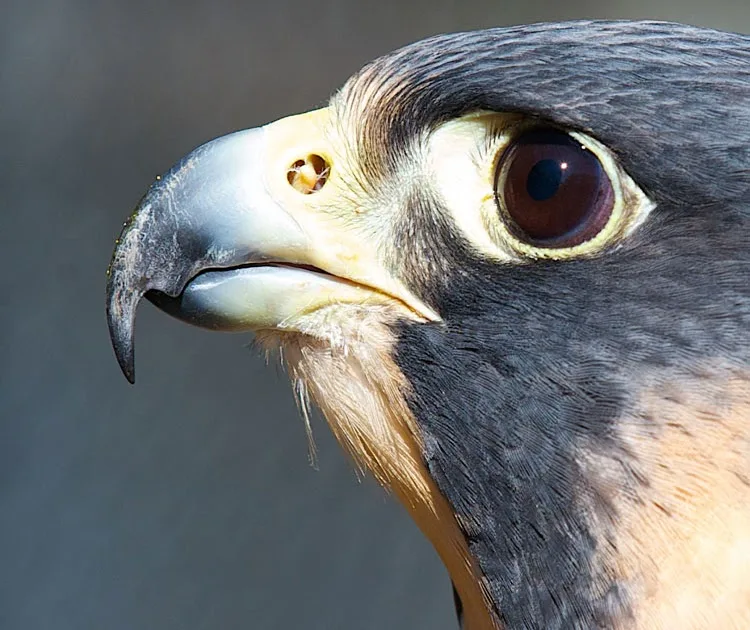
Image source: Web (Bing) / redandthepeanut.blogspot.ca (Web image (fair-use with source credit))
Nasal tubercles also play a massive role in their hunting success. These small, bony structures sit in the middle of the nostrils. They act as baffles to slow down the air as it enters the lungs.
Without them, the sheer pressure of a 200-mph dive would make it impossible for the bird to draw a breath.
The Three-Phase Hunting Workflow: From Cruise to Strike
The hunting process is split into three distinct phases. Each phase requires a different set of physical responses from the bird. Successful hunting depends on the falcon's ability to transition between these states without losing focus on the target.
- The Cruise: The bird maintains a high altitude to maximize its search area.
- The Stoop: The bird locks onto prey and enters a vertical freefall.
- The Strike: The bird hits the target at peak velocity to neutralize it.

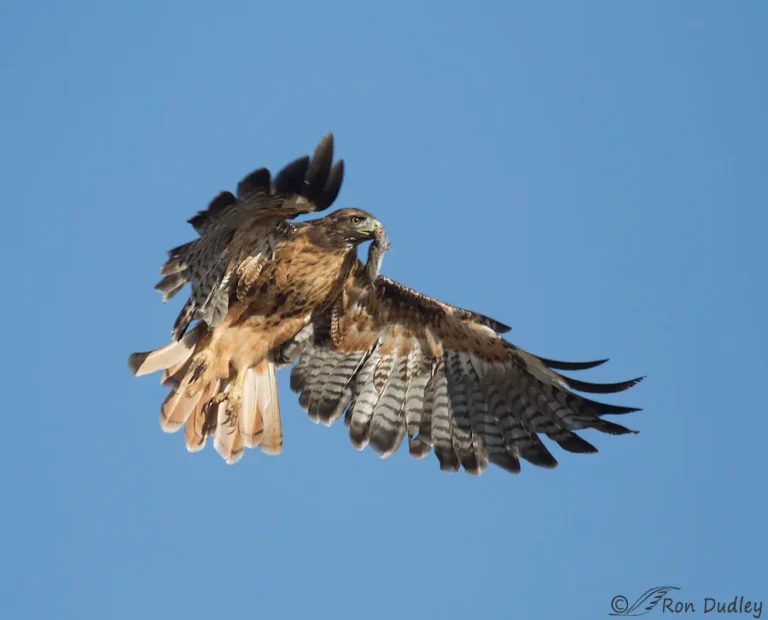
Image source: Web (Bing) / fity.club (Web image (fair-use with source credit))
During the cruise, falcons use binocular vision to spot movement from miles away. They watch for signs of panic in smaller bird flocks. Once a target is identified, the stoop begins.
This is the phase where the falcon manages its G-forces. The final phase, the strike, is a moment of pure physics where kinetic energy performs the work.
Comparing Hunting Strategies: The Stoop vs. Agile Tail-Chasing
Not every hunt involves a dramatic vertical dive. Falcons are versatile and will switch strategies depending on the environment. Understanding the difference between a stoop and tail-chasing reveals how adaptable these predators are in the wild.
| Strategy | Best For | Energy Output |
|---|---|---|
| The Stoop | Open spaces, high altitude | Low |
| Tail-Chasing | Low altitude, dense cover | High |
| Perch Hunting | Short-range surprise | Very Low |
The stoop is a high-stakes, low-effort game. It requires a lot of altitude but very little physical flapping. Tail-chasing, however, is an agile pursuit.
The falcon must match the turns and dodges of the prey. This strategy is much more taxing on the falcon's muscles. Most falcons prefer the stoop whenever possible.
Managing Kinetic Energy: How Falcons Avoid Self-Injury
Striking a target at high speed presents a major danger to the predator. If a falcon hits another bird incorrectly, the shock could break its own bones. This is why they never aim to grab the prey during a high-speed dive.
They aim to strike it with a clenched foot.
The foot acts like a hardened, blunt object. The impact is meant to stun or kill the prey upon contact. Once the prey is falling, the falcon pulls out of its dive.
It then circles back to catch the prey in mid-air. This sequence keeps the falcon's body safe from the impact energy.
If you ever watch this in person, you will notice the bird doesn't stop immediately. It follows through with its momentum. This allows the falcon to redirect its energy safely.
By avoiding a direct, messy collision, the falcon ensures it can hunt again the next day. This level of technical control is why they remain the most successful aerial hunters in the world.
Urban Adaptation: Why Skyscrapers Changed the Way They Hunt
Falcons have successfully colonized major cities by treating skyscrapers like traditional cliff faces. These vertical structures provide perfect high-altitude vantage points for scanning the surrounding area. The architecture mimics the rocky ledges where these birds historically nested and launched their hunting stoops.
This urban shift provides a unique benefit: an endless supply of prey. Pigeons and starlings, which are common in city environments, are the primary food source for urban falcons. Because these prey species congregate around plazas and rooftops, the falcon does not need to roam far to find its next meal.
The urban environment also changes the hunting dynamics. Skyscrapers create wind tunnels that falcons learn to navigate with surprising precision. They use these currents to gain extra lift or to stay hidden from prey until the last second.
It is a perfect example of behavioral adaptation in a man-made landscape.
We see falcons utilizing these man-made cliffs to maximize their hunting efficiency. A single skyscraper can provide enough cover for a falcon to wait for hours without being detected by its targets. Once a flock of pigeons passes the correct height, the falcon launches its attack from the ledge.
It is just as effective as the traditional wild hunting methods observed in nature.
Frequently Asked Questions
Can falcons hunt at night?
Falcons are diurnal hunters and rely on their exceptional color vision to track movement. They do not hunt at night because they cannot see well in low-light conditions. If you see a raptor hunting after dark, it is likely an owl rather than a falcon.
Do falcons eat the prey while in flight?
Falcons do not consume their prey while in the air. After the strike, they carry the prey to a secure location, often called a plucking post. This might be a skyscraper ledge, a cliff, or a sturdy branch where they can eat safely.
How do falcons maintain their vision at high speeds?
They use a specialized nictitating membrane to protect their eyes from high-speed air. This clear, thin eyelid sweeps across the eye to remove dust and maintain moisture. It acts much like a high-performance goggle, ensuring the bird can track prey during the final moments of a 200 mph stoop.
Do falcons work together to hunt?
Falcons are generally solitary hunters that do not use pack-hunting tactics. While a pair might share a territory, each bird hunts on its own. They are fiercely independent and rely entirely on their own speed, agility, and precision to secure a successful kill.
Why do falcons hunt pigeons so often?
Pigeons are a consistent, abundant, and easily spotted food source in urban environments. They fly in predictable patterns, which makes them ideal targets for a falcon that knows how to use the wind. For an urban falcon, these birds represent an easy way to maintain high energy levels year-round.