Where Do Snowy Owls Live
Where do snowy owls live? These magnificent birds of prey are primarily found in the vast, treeless landscapes of the Arctic. Their homes span the tundra regions of North America, Europe, and Asia, where they are perfectly adapted to the cold, open environments.
During the breeding season, they nest on the ground in these harsh northern territories. However, as winter approaches, many snowy owls migrate south, seeking out open country that mimics their native habitat, like fields, marshes, and even the expansive grounds around airports.
Quick Answer
Snowy owls live in the Arctic tundra and coastal regions of North America, Europe, and Asia. They breed in these treeless, open landscapes. In winter, they migrate south to similar open areas like agricultural fields and marshes.
Their range is heavily influenced by prey availability, especially lemmings.
Why Visuals Matter for Snowy Owl Locations
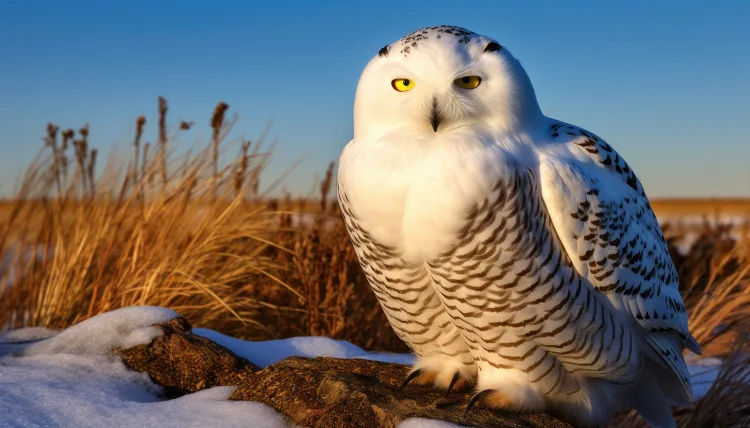
Understanding where snowy owls live really comes to life when you can picture their environment. Describing the stark beauty and specific features of their habitat is one thing, but seeing it makes all the difference. Visuals help us grasp the sheer scale of the tundra, the treeless expanses they prefer, and how their white plumage blends into snowy surroundings.
Without imagery, it's tough to truly appreciate the specific conditions they thrive in and how their adaptations, like dense feathering and keen eyesight, are essential for survival in these often-harsh locales.
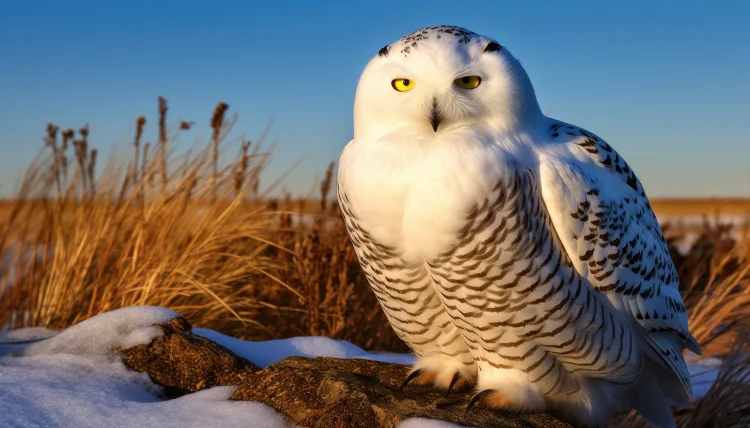
Image source: Web (Bing) / classroom.com (Web image (fair-use with source credit))
Decoding Snowy Owl Habitat: Tundra Essentials
The primary domain of the snowy owl is the Arctic tundra. This biome, characterized by extremely cold temperatures, low precipitation, and a short growing season, provides the specific conditions this bird needs to survive and reproduce. They aren't birds of dense forests or bustling urban centers; their lives are intricately tied to open, unobstructed spaces where they can hunt effectively.

Image source: Bing (Web (fair-use with source credit))
Arctic Plains: The Owl's Primary Breeding Grounds
When spring arrives, snowy owls make their way to the northernmost parts of their range to breed. They favor the vast, treeless expanses of the Arctic tundra, often choosing slightly elevated areas for their nests. These locations, typically far from human settlements, offer protection and unobstructed views for hunting their main prey, which are small rodents like lemmings.
The successful reproduction of snowy owls is heavily dependent on the abundance of these small mammals, so their breeding range directly correlates with these prey populations.
Coastal Zones: Winter Havens and Feeding Spots
While the Arctic tundra is their breeding core, snowy owls also frequent coastal areas, particularly during the non-breeding season. These environments, which can include sand dunes, barrier islands, and salt marshes, provide alternative food sources when inland prey is scarce. The open, windswept nature of these coastal strips offers similar hunting advantages to the tundra, allowing them to spot and ambush prey from the air or from a low perch.
These areas are vital for their survival during months when the deep interior of the Arctic becomes even more challenging.
Snowy Owl Adaptations for Extreme Environments
The snowy owl's survival in its harsh environment is a testament to nature's engineering. Their most striking adaptation is their dense, insulating plumage, which is predominantly white, providing excellent camouflage against snow and ice. This feathering covers their legs and feet, offering protection from the extreme cold.
Their eyes are also adapted for hunting in low light conditions, which is crucial during the long Arctic nights or the dim twilight of winter days.
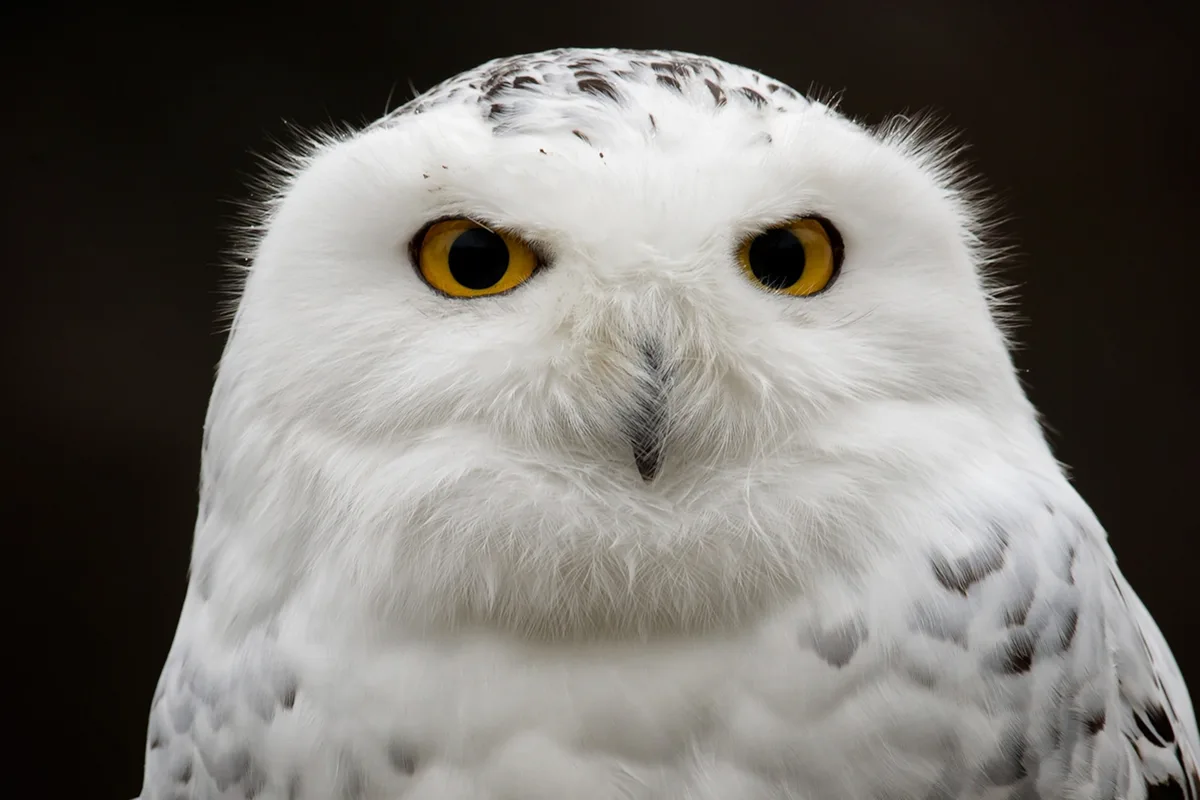
Image source: Web (Bing) / fity.club (Web image (fair-use with source credit))
These birds possess a high metabolic rate to generate body heat and have a specialized diet that helps them thrive where many other species struggle. Their ability to endure freezing temperatures and efficiently hunt small prey in vast, open landscapes is a remarkable example of evolutionary success.
Beyond the Arctic: Winter Range and Migration Patterns
As the harsh Arctic winter sets in, many snowy owls embark on a southward migration, a key part of their life cycle. This movement isn't a strict, predictable journey like some birds; it's often driven by food availability and weather conditions. They don't typically travel thousands of miles but rather move into the more southerly parts of their range or just beyond the Arctic Circle.
You're most likely to find them in open country that resembles their northern home. Think large agricultural fields, grasslands, marshes, and even the flat, open spaces around airports. These areas provide the necessary visibility for hunting their prey, which may shift from lemmings to voles, mice, and waterfowl during this winter period.
While their primary range is the Arctic, these wintering grounds are crucial for their survival.
Spotting Snowy Owls: What to Look For (And What Not To)
Figuring out if you're in snowy owl territory involves knowing what their habitat looks like and where they tend to hang out. If you're in a wide-open, treeless area, especially during winter, you're in a good spot. Look for large fields, expansive marshes, or even coastal dunes where visibility is high.
Avoid densely wooded areas or places with lots of human activity. Snowy owls prefer quiet, remote-feeling spaces where they can hunt without disturbance. They often perch on low objects like fence posts, hay bales, or small mounds of earth.
Their striking white plumage makes them surprisingly visible against a snowy backdrop, but they are also masters of camouflage.
Where Are They Most Likely To Be Seen?
- Northern Regions: During the breeding season (spring/summer), look for them in the true Arctic tundra of Canada, Alaska, Greenland, and Eurasia.
- Southern Expanses (Winter): During winter months, search the northern United States, Canada's southern provinces, and sometimes even into parts of Northern Europe or Asia.
- Open Terrain: Focus on flat, open landscapes like large agricultural fields, airports, coastal plains, and large marshes.
What To Avoid When Looking
- Dense Forests: Snowy owls do not typically inhabit forests.
- Urban Centers: They are wild animals that avoid populated areas.
- Shrublands: Areas with too much low-lying vegetation can obstruct their view and hunting approach.
Remember, patience is key. Spotting a snowy owl is a special experience, and it often requires being in the right place at the right time.
Frequently Asked Questions About Snowy Owl Homes
Where do snowy owls primarily live?
Snowy owls primarily live in the Arctic tundra, across vast, treeless regions of North America, Europe, and Asia. This is where they breed and establish their territories.
Do snowy owls migrate?
Yes, snowy owls migrate. They move south from the Arctic during winter months in search of food and more temperate conditions, typically staying in open, non-forested areas.
What kind of environment do snowy owls prefer for nesting?
They prefer to nest on the ground in open, treeless tundra environments, often on slightly elevated spots that offer good visibility and protection from harsh weather.
Can I find snowy owls in the United States?
You can find snowy owls in the United States, but typically only during the winter months. They inhabit open areas in the northernmost states and sometimes venture further south depending on prey availability.
How do snowy owls survive the cold Arctic winters?
Snowy owls have remarkable adaptations for the cold, including dense, insulating plumage that covers their bodies and legs, a high metabolism to generate body heat, and specialized vision for hunting in low light.
Protecting Snowy Owl Habitats: What You Can Do
Ensuring the continued existence of snowy owl populations starts with protecting their natural habitats. The Arctic tundra and coastal areas they rely on face increasing threats from climate change, industrial development, and human encroachment. Supporting conservation efforts aimed at preserving these fragile ecosystems is crucial.
When visiting areas known to host snowy owls, especially during migration or wintering periods, it's vital to practice responsible wildlife viewing. This means keeping a respectful distance, avoiding unnecessary noise, and never disturbing their hunting or nesting behaviors. By minimizing our impact, we help ensure these magnificent birds have the safe, open spaces they need to thrive for generations to come.