Types of Eagles
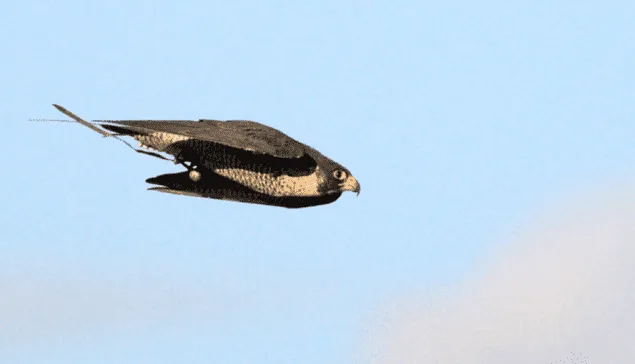
Identifying the various types of eagles in the wild is a rewarding challenge for any bird watcher. While these raptors often appear as simple silhouettes against the clouds, their specific physical markings and flight behaviors provide clear clues for identification.
Most North American observers encounter the Bald Eagle and the Golden Eagle as their primary sightings. Understanding the core characteristics of these species ensures you can confidently label what you see.
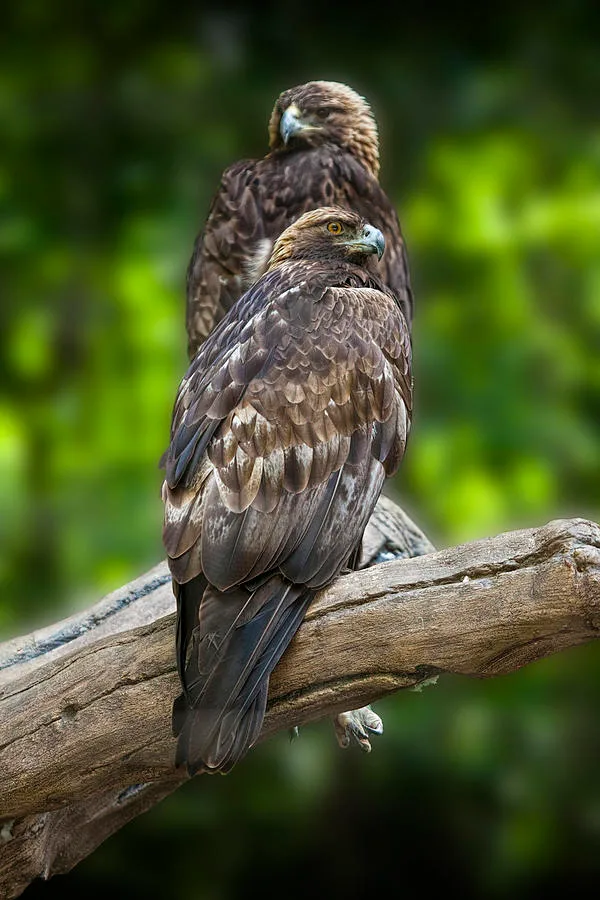
Image source: Web (Bing) / fineartamerica.com (Web image (fair-use with source credit))
Quick Answer
There are over 60 distinct types of eagles worldwide. These large raptors belong to the biological family Accipitridae. The Bald Eagle is a common North American fish eater.
The Golden Eagle prefers open hunting grounds and mountain ranges. Most eagles are apex predators with powerful talons. Identification relies on wing shape and specific color patterns.
Beyond the Silhouette: Why Visual Cues Matter in Eagle Identification
Identifying eagles requires moving past general impressions to look for specific physical markers. If you only look at a bird as a dark shape, you will miss the fine details that confirm the species. Experts often focus on the wing structure, beak size, and overall color intensity when a bird is in flight.
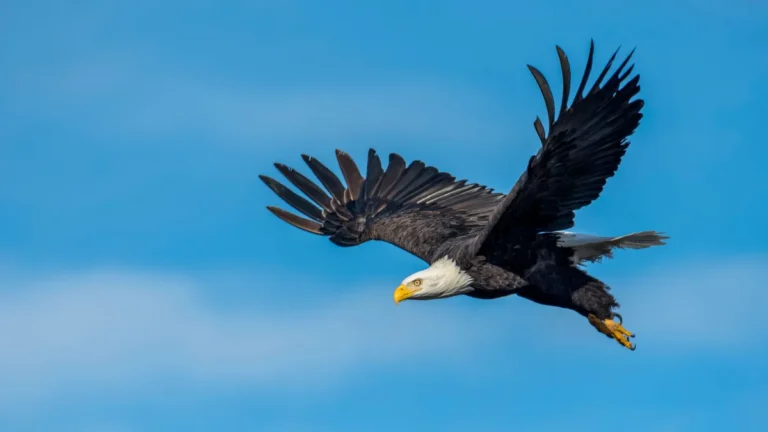
The shape of the wing, particularly how the eagle holds it while gliding, is a major diagnostic feature. Some eagles keep their wings held completely flat like a wooden board. Others tilt their wings upward in a subtle "V" shape.
This posture, known as the dihedral, is an essential tool for separating eagle species from lookalikes like vultures.
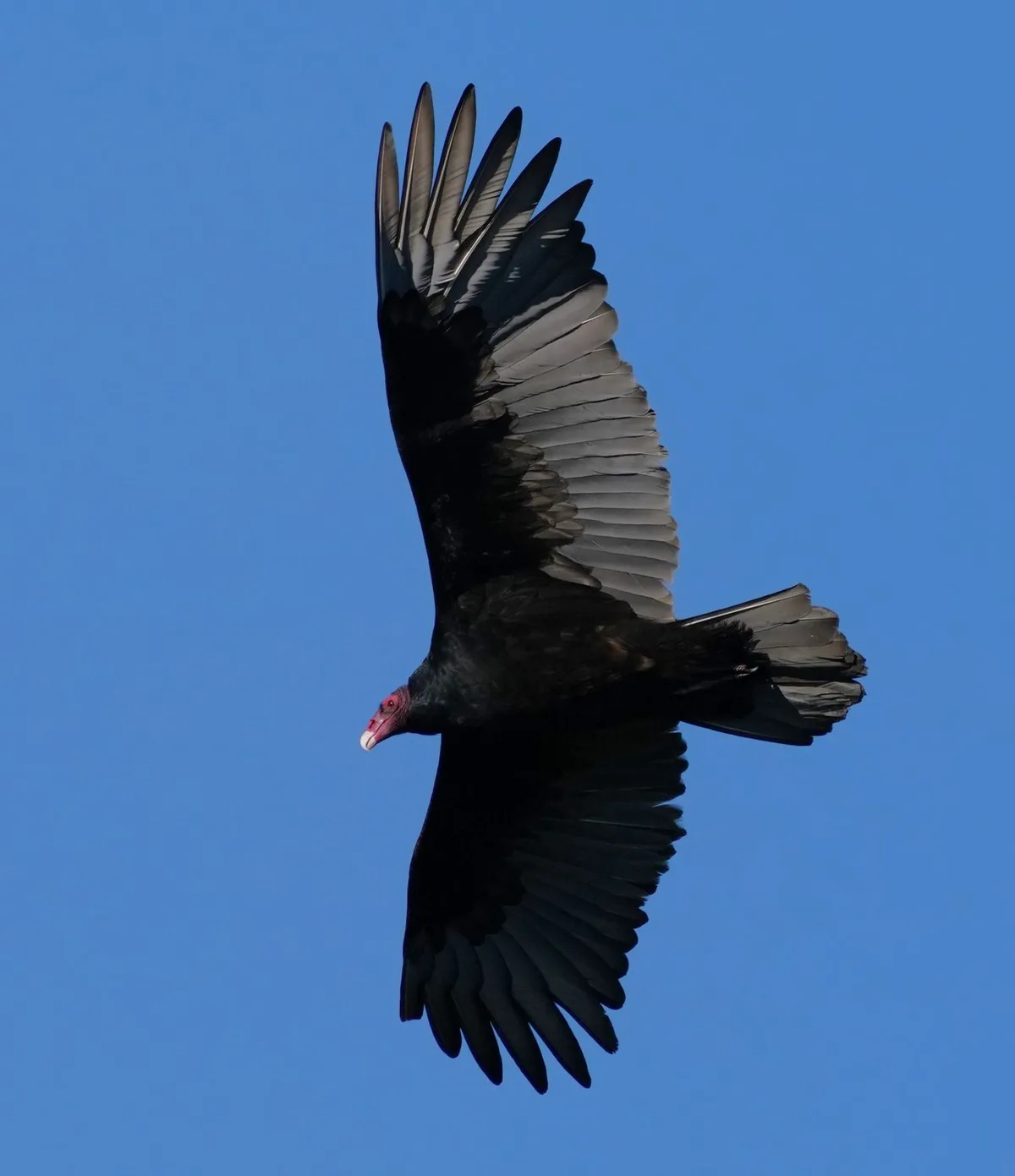
Image source: Bing (Web (fair-use with source credit))
Visual cues also extend to the head and tail proportions. A heavy, massive head often indicates a fish-eating species. A more streamlined head shape might point toward an eagle that hunts mammals.
As of 2026, many birding guides emphasize these structural ratios as the most reliable way to avoid common misidentifications in variable light conditions.
Breaking Down the "Big Two": Bald vs. Golden Eagles
The Bald Eagle and the Golden Eagle are the most widespread species across the continent. While they share a similar size, their biology and habitat preferences differ significantly. The U.S.
Fish and Wildlife Service provides detailed data on their populations to assist with conservation efforts.
The Bald Eagle is synonymous with aquatic environments. You will almost always find them near lakes, rivers, or coastlines where fish are plentiful. Their white head and tail are the hallmark of adult birds, though this transition takes several years to complete.

Image source: Web (Bing) / pixels.com (Web image (fair-use with source credit))
Golden Eagles, by contrast, are masters of the open country. They frequent deserts, prairies, and high alpine areas where they can hunt small mammals like rabbits. They lack the stark white head of the Bald Eagle.
Instead, they feature a rich, brownish plumage with a distinct golden luster on the nape of their neck.
| Feature | Bald Eagle | Golden Eagle |
|---|---|---|
| Preferred Diet | Fish and carrion | Small mammals |
| Key Adult Color | White head/tail | Golden-brown nape |
| Habitat | Waterways/Coasts | Mountains/Prairies |
| Wing Flight | Flat profile | Shallow "V" shape |
Visual Cues for Success: How to Spot the Difference in Flight
When an eagle is soaring high above, you have to work with the data available. Focus on the wing-beat pattern and the silhouette against the sky. A steady, deep wing-beat is a strong indicator of a healthy, adult bird navigating through thermal currents.
Look for the "wing-loading" effect. Bald Eagles tend to have a larger wing surface area relative to their body weight, which allows for efficient soaring over water. Golden Eagles often exhibit a tighter, more agile flight profile.
They can dive with incredible speed to catch prey in rugged terrain.
Consider the light conditions when you are scanning. Bright sunlight often turns every bird into a black silhouette, hiding plumage colors. In these cases, you must rely entirely on the shape of the tail and the wing-tips.
A rounded tail versus a wedge-shaped tail can be the deciding factor when the colors are washed out by the sun.
Decoding Plumage and Age: Why Juveniles Look So Different
Immature eagles are notoriously difficult to identify because they do not display the classic "adult" colors. A first-year Bald Eagle is often a mottled mix of brown and white. This camouflage helps them survive while they hone their hunting skills.
Juvenile Golden Eagles have distinct white patches under their wings and a white base on their tail. These markings fade as the bird matures over several years. You should never rely on color alone when looking at a young bird.
Always cross-reference the plumage with the bird’s structural shape and the local environment.
Learning to spot these young birds requires patience. Many birders confuse immature eagles with large hawks or even vultures. If you are unsure, observe the bird for a longer period.
Watch for hunting behaviors, perching habits, and interactions with other local wildlife.
Common Identification Mistakes and How to Avoid Them
The most frequent mistake is confusing eagles with Turkey Vultures. Vultures exhibit a pronounced "V" shape in flight and often rock from side to side in the wind. Eagles are much more stable, even when gliding through turbulent air.
Another common error involves size estimation. It is difficult to judge the size of a bird that is hundreds of feet in the air. A medium-sized hawk can look massive if it flies close to a nearby tree, while a distant eagle might look small.
Use other objects in the environment, such as trees or fence posts, to gauge the bird's scale.
Finally, avoid the trap of "expectancy bias." This happens when you assume a bird is a Bald Eagle because you are standing near a lake. While habitat is a great clue, it is not a guarantee. Keep an open mind and evaluate the physical features of every bird you see, even if it is in an unexpected location.
Ethical Birding: Staying Compliant with Wildlife Protection Laws
Observing eagles is a privilege that comes with specific legal responsibilities. In the United States, the Bald and Golden Eagle Protection Act prohibits the taking, possession, or harassment of these birds. Harassment includes any human activity that disrupts their normal breeding, feeding, or sheltering habits.
If you are using high-powered optics, stay at a respectful distance to avoid causing the bird to flee its perch or nest. Disturbance is especially critical during the nesting season. If you see an eagle suddenly shift its posture, stop what you are doing and back away.
Never attempt to bait eagles for photographs or closer views. Feeding raptors encourages them to associate humans with food, which often leads to dangerous or illegal outcomes for the birds. Always consult the [U.S.
Fish and Wildlife Service](https://www.fws.gov) for the most current guidelines on protecting these apex predators.
Practical Field Tips for Better Raptor Observations
Success in the field comes down to preparation and the right equipment. You should carry 8×42 or 10×42 binoculars, which provide the ideal balance of magnification and field of view for spotting birds in the sky. If you are serious about long-distance identification, a spotting scope with a tripod is essential for steady, high-detail viewing.
Plan your trips during the times of day when thermal activity is high. Eagles use rising currents of warm air to soar, meaning they are most active mid-morning through the afternoon. Early mornings might offer calm conditions, but you will often find more raptors in the sky once the sun has heated the ground.
Keep a field journal or use a digital logging app like eBird to track your sightings. Recording the time, location, and key behaviors of the eagles you see helps build your personal recognition skills. Over time, these notes will help you notice patterns in arrival dates and territory usage in your local area.
Frequently Asked Questions
How can I tell if an eagle is a male or a female?
Most eagle species exhibit sexual dimorphism where the female is physically larger than the male. In flight, this size difference is subtle and hard to gauge without a direct comparison. You generally cannot distinguish sex by plumage color, as both genders look nearly identical to the human eye.
Do all eagles live near water?
No, the habitat choice depends entirely on the species. While Bald Eagles and Sea Eagles are specialized for hunting fish in riparian zones, others like the Golden Eagle thrive in open grasslands. Always research which species are native to your specific region before heading out into the field.
How many years does it take for a Bald Eagle to get its white head?
It typically takes between four and five years for a Bald Eagle to reach full adult maturity. During the first few years, they go through several distinct plumage stages that look very different from the iconic white-headed adult. This maturation process is a normal part of their biological development.
Is it legal to collect eagle feathers if I find them on the ground?
No, it is not legal to collect, possess, or transport eagle feathers under federal law. The Bald and Golden Eagle Protection Act strictly regulates the possession of any parts of these birds, regardless of whether the bird is dead or alive. If you find a feather, leave it exactly where it lies.
Why do some eagles soar in circles?
Eagles soar in circles to gain altitude by riding thermal updrafts. These columns of warm air allow them to rise high without expending precious energy through active flapping. Once they reach the desired height, they can glide long distances to search for food or monitor their territory.