What Do Great Horned Owls Eat
Curious about what do Great Horned Owls eat? These powerful predators have a remarkably diverse menu that allows them to thrive across a huge range of environments. Their diet isn't fixed; it's a testament to their adaptability and hunting prowess, changing based on what's available and where they live.
Our research indicates they consume over 200 different prey species, making them one of North America's most flexible hunters. Understanding their diet sheds light on their ecological role and how they manage to survive and even flourish in both wild and urban settings.
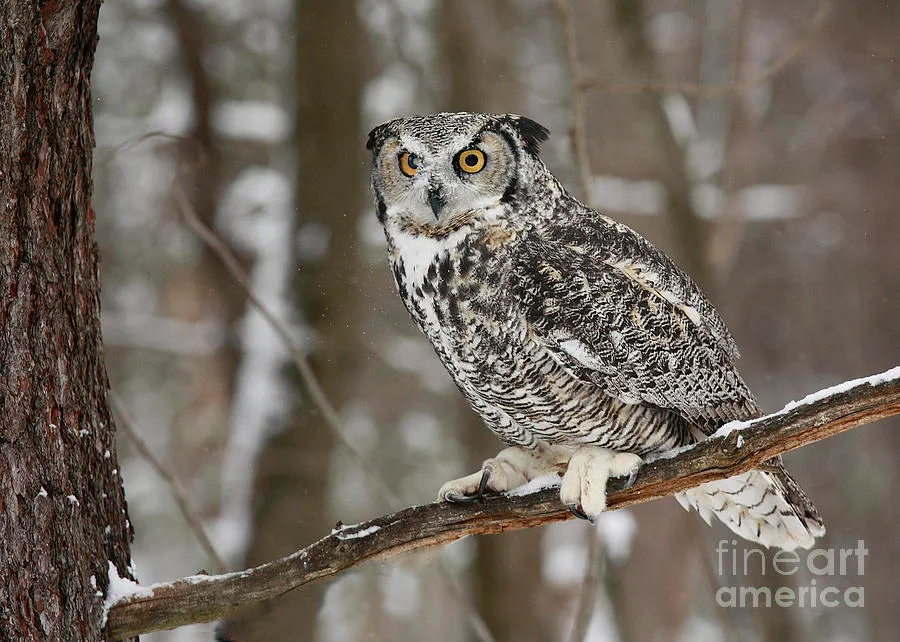
Image source: Bing (Web (fair-use with source credit))
Quick Answer: A Predator's Diverse Appetite
Great Horned Owls eat a wide variety of prey, primarily small to medium-sized mammals and birds. Their diet includes rodents like mice and voles, rabbits, skunks, snakes, frogs, and many bird species. They are opportunistic hunters, and their menu changes based on local availability.
Mammals: The Owl's Meat and Potatoes
When we look at the Great Horned Owl's diet, mammals form a significant portion of their meals. These are often the most abundant and accessible prey, providing substantial energy for these large birds of prey. Their hunting strategy, which involves silent flight and powerful talons, is perfectly suited for ambushing many mammalian species.
Rodents and Lagomorphs: Favorite Feasts
Small rodents like mice, voles, and rats are a staple for Great Horned Owls, especially in areas where they are plentiful. These creatures are quick and often found in grasslands, fields, and even suburban gardens. Owls use their exceptional hearing to detect their rustling movements in the undergrowth, even in complete darkness.
Lagomorphs, which include rabbits and hares, are also a common and vital food source. A rabbit provides a much larger meal than a mouse, offering more sustained energy. Owls will hunt these larger prey items especially when they are young and less experienced.
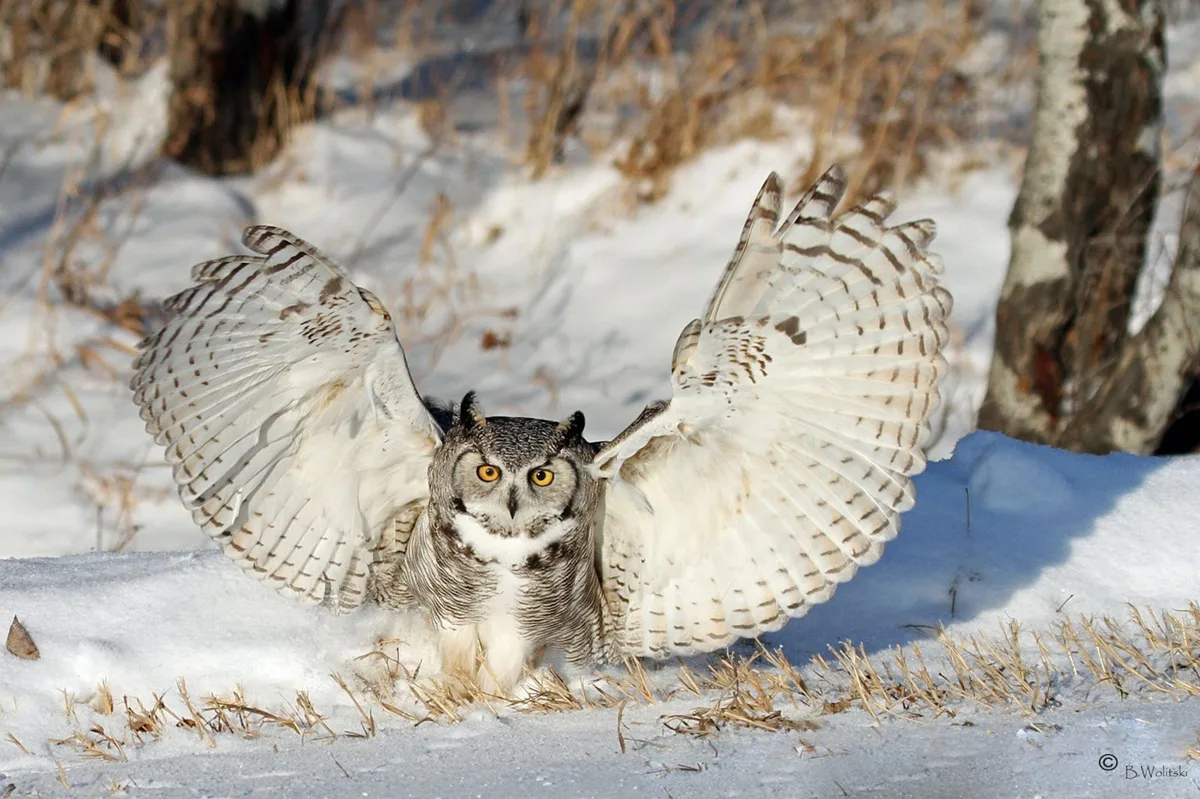
Image source: Web (Bing) / ar.inspiredpencil.com (Web image (fair-use with source credit))
Skunks and Other Unexpected Morsels
It might surprise you, but Great Horned Owls are known to prey on skunks. They typically hunt these animals from above, aiming for the head or back to avoid the scent glands. Their ability to tackle such a famously defensive creature highlights their hunting skill and the effectiveness of their silent approach.
Beyond these more common mammalian targets, their opportunistic nature means they'll also take other small mammals. This can include squirrels, chipmunks, and even bats snatched from the air during twilight hours.
Beyond Mammals: Birds, Reptiles, and More
While mammals are a primary food group, the Great Horned Owl's diet extends far beyond. These owls are not picky eaters and will readily switch to other available prey, demonstrating incredible dietary flexibility. This ability to adapt their menu is a key reason for their widespread success across diverse habitats.
Feathered Friends and Scaly Snacks
Birds of all types are frequently on the menu. This includes smaller songbirds like robins and starlings, as well as larger birds such as doves, pigeons, and even other, smaller owl species. They are skilled enough to catch birds in flight, a remarkable feat of aerial predation.
Reptiles and amphibians also feature in their diet, particularly during warmer months. This can include various snakes, both venomous and non-venomous, as well as lizards, frogs, and toads. Their sharp talons and quick reflexes allow them to dispatch these often quick-moving creatures.
How Great Horned Owls Hunt and Eat
The hunting and eating process of a Great Horned Owl is a masterclass in efficient predation. Their physical adaptations and behavioral strategies are finely tuned for success in their nocturnal and crepuscular hunting periods. Understanding this process reveals why they are such effective hunters.
Silent Swoop to Dinner
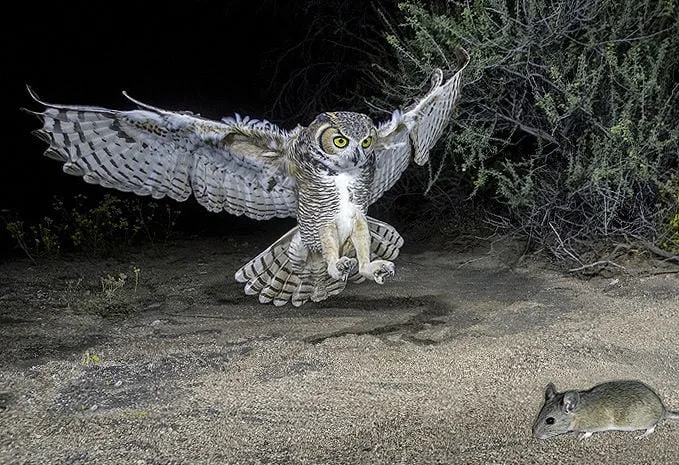
Great Horned Owls typically hunt from a high perch, scanning the landscape below with their exceptionally keen eyesight. They are often active during the low-light hours of dawn and dusk. When prey is spotted, the owl launches into silent flight, its specialized feather structure muffling any sound.
They descend rapidly, using their powerful talons to seize prey with incredible force. The grip is designed to incapacize the animal immediately upon contact. This silent, swift attack minimizes the prey's chance of escape or defense.

Image source: Web (Bing) / flickr.com (Web image (fair-use with source credit))
The Pellet Clue: What They Leave Behind
After a successful hunt, the owl consumes its meal. Small prey, like mice, are often swallowed whole, bones and all. For larger prey, the owl will tear off pieces with its sharp, hooked beak.
Indigestible materials such as bones, fur, feathers, and scales are compacted into a pellet within the owl's gizzard.
These pellets are then regurgitated. Examining owl pellets can tell researchers a great deal about the owl's recent diet, providing concrete data on local prey populations. Per National Wildlife Federation guidelines, these pellets are a natural part of an owl's digestive cycle.
Diet Flexibility: Adapting to the Environment
The Great Horned Owl's survival and widespread distribution are strongly linked to its remarkable dietary flexibility. Unlike some predators that specialize in a single food source, these owls can adjust their diet based on what is most available in their specific habitat and at different times of the year. This adaptability is key to their success as a species.
Habitat Dictates the Menu
The specific types of prey found in different environments directly influence what a Great Horned Owl will eat. For instance, an owl living in a dense forest might primarily hunt squirrels and various forest-dwelling birds. Conversely, an owl in an open grassland or agricultural area will likely focus more on mice, voles, and rabbits.
Even owls living in urban or suburban areas have adapted, often preying on introduced species like Norway rats or common pigeons. Their ability to thrive in such varied settings, from deserts to woodlands to city parks, highlights this dietary versatility. For example, research published in ornithological journals has documented owls in arid regions successfully hunting rattlesnakes and desert rodents.
Seasonal Changes in Prey
Beyond geographical location, the changing seasons also play a role in Great Horned Owl diets. During breeding season, for example, young birds and mammals become more abundant and are a prime target. In winter, when some prey populations might decline or become harder to find, owls might rely more heavily on more resilient food sources or increase their hunting range.
Waterfowl, for instance, might be more accessible as migrating populations pass through an area during certain seasons. The overall availability of prey fluctuates, and the owl's feeding habits shift accordingly. This dynamic approach ensures they can maintain adequate nutrition throughout the year, a critical factor for survival and reproduction.
Real-World Glimpse: An Owl's Impact on Its Ecosystem
The Great Horned Owl's varied diet means it plays a significant role in controlling populations of its prey species. As a top predator, they help maintain the balance within their ecosystem by keeping numbers of rodents, rabbits, and other smaller animals in check. This natural pest control benefits agricultural areas and natural habitats alike.
For example, in areas with high rodent populations, the presence of Great Horned Owls can prevent overgrazing of vegetation and reduce the spread of diseases often carried by these small mammals. Their hunting activities can also influence the behavior of prey species, making them more cautious and altering their foraging patterns. This ripple effect demonstrates the ecological importance of even a single predator species.
Frequently Asked Questions About Great Horned Owl Diets
Do Great Horned Owls eat pets?
While Great Horned Owls are opportunistic and powerful predators, they typically avoid hunting pets like dogs. They might occasionally prey on very small pets like kittens, small rabbits, or guinea pigs if given the opportunity and if they are readily accessible, but this is not a common or preferred food source.
What is the largest prey a Great Horned Owl has been known to take?
Great Horned Owls have been documented taking prey as large as domestic cats and even small foxes. However, their diet primarily consists of smaller animals. Tackling prey significantly larger than themselves requires immense strength and a suitable opportunity, and these instances are rare compared to their usual diet.
Can Great Horned Owls eat poisonous snakes?
Yes, Great Horned Owls are known to prey on venomous snakes, including rattlesnakes. Their ability to fly allows them to approach from above, and they use their powerful talons to strike and kill the snake before it can effectively bite. Their feathers also offer some protection against bites.
Do Great Horned Owls eat fish?
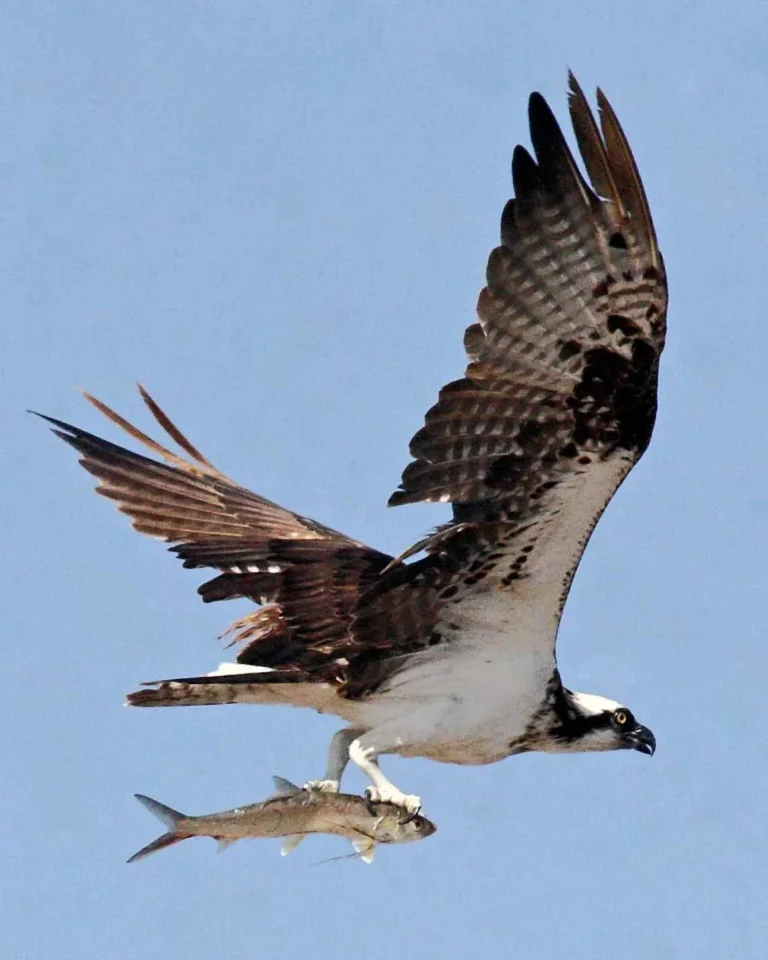
While not a primary food source, Great Horned Owls have been observed catching and eating fish, especially in areas where fish are easily accessible, such as shallow streams or near the edges of lakes. They will also eat amphibians and insects when these are readily available. Their diet is a reflection of their environment.
How often do Great Horned Owls need to eat?
Like most predators, Great Horned Owls need to eat regularly to sustain their energy levels. The frequency depends on the size of their meals and the ambient temperature. Larger prey might sustain them for a couple of days, while smaller prey requires more frequent hunting.
Our research indicates they may consume up to 10-20% of their body weight daily, depending on activity and prey availability.