What Do Barn Owls Eat
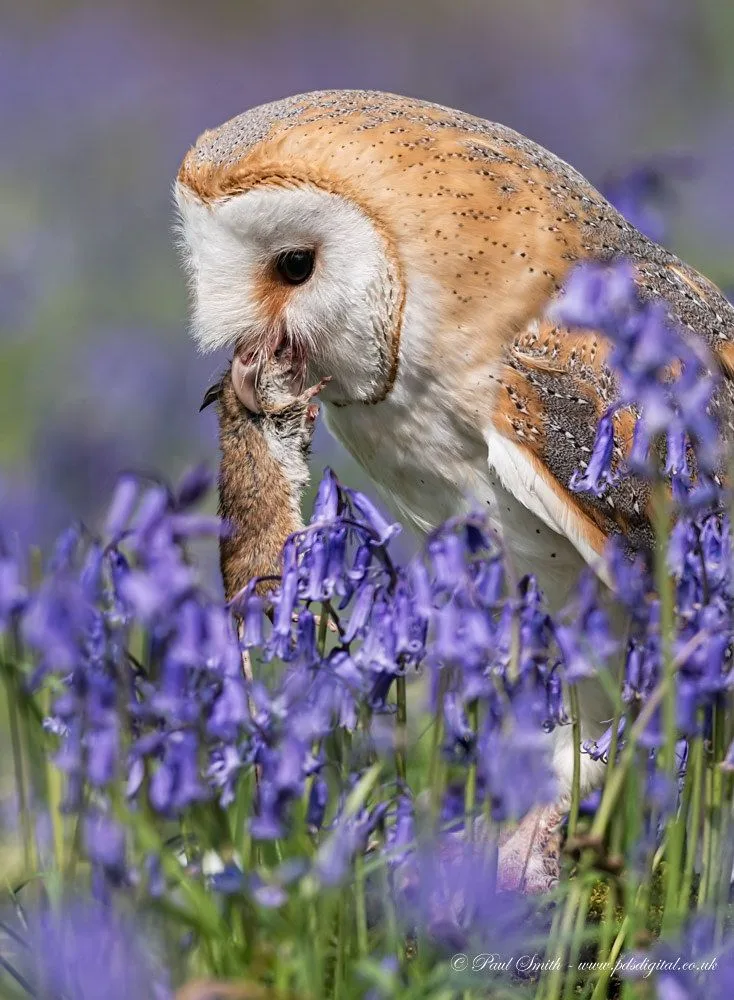
Image source: Web (Bing) / pinterest.com (Web image (fair-use with source credit))
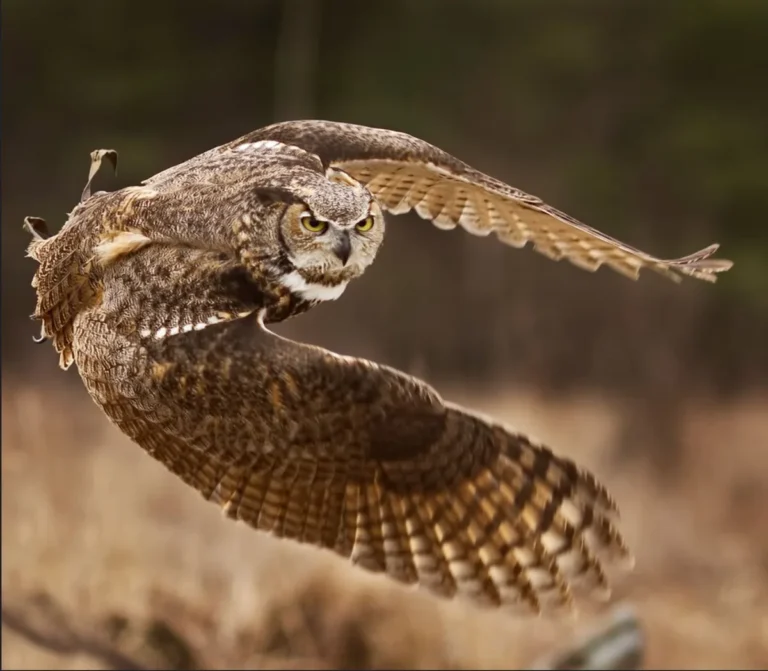
When you spot a barn owl, you're likely wondering about its life, and a big part of that is what do barn owls eat. These incredible birds are masters of the night, and their diet plays a crucial role in the ecosystems they inhabit.
Their hunting success relies on a suite of specialized senses and adaptations that allow them to pinpoint and capture prey with remarkable precision. Understanding their menu offers a fascinating glimpse into their world and the health of the environment they live in.
Quick Answer
Barn owls primarily eat small mammals, with rodents like voles and mice making up the bulk of their diet. They are opportunistic hunters and will also consume shrews, small birds, insects, and occasionally bats or reptiles. Their diet's composition can vary based on local prey availability and the season.
Barn Owl's Favorite Meals: The Rodent Report
For barn owls, the majority of their meals come from the small, scurrying creatures of the night. It’s a diet that’s both efficient for them and beneficial for controlling pest populations. When researchers analyze owl pellets, the indigestible material like fur and bones that owls regurgitate, they consistently find evidence of these small mammals.
Voles, Mice, and Shrews: The Usual Suspects
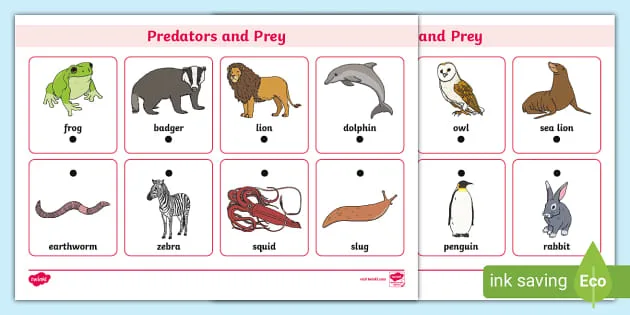
These tiny mammals are the absolute foundation of the barn owl's diet. Their abundance and relatively predictable movements make them prime targets for the owl's hunting prowess.
- Voles: These are often the most common prey item, especially in grasslands and open fields where they thrive. Their burrowing habits don't offer much protection from an owl equipped with superior hearing.
- Mice: Various species of mice are also a staple, found in diverse habitats including agricultural areas, woodlands, and even near human settlements. Their quick movements are no match for a silent predator.
- Shrews: While smaller than voles and mice, shrews are still a valuable food source. They are insectivores, meaning they eat bugs, but their small size and presence in similar habitats make them accessible to barn owls.
Aggregate dietary studies indicate that rodents can account for 70% to 90% of a barn owl's diet, depending heavily on the specific region and available resources.
Beyond Rodents: Occasional Additions to the Menu
While small mammals are their bread and butter, barn owls are adaptable hunters. If other food sources are readily available and easy to catch, they will certainly take advantage. This opportunistic feeding broadens their dietary scope and helps them survive when primary prey might be scarce.
- Small Birds: Occasionally, a barn owl might catch a sleeping bird or one that’s not alert enough. This is a more substantial meal and not a regular part of their diet.
- Insects and Beetles: Larger insects, like certain beetles, can supplement a barn owl's diet, particularly during warmer months when insect populations are high. This is more common for younger owls or in areas with fewer rodents.
- Other Small Critters: Less frequently, barn owls have been documented consuming other small animals. This can include bats (if caught while flying or roosting), small lizards, and even frogs, though these are minor components overall.
How Barn Owls Find Their Food: Hunting Hacks
Barn owls possess an astonishing array of adaptations that make them incredibly effective hunters in low-light conditions. Their entire physiology is geared towards detecting and ambushing prey with minimal effort and maximum success.
Silent Hunters: The Art of Stealth
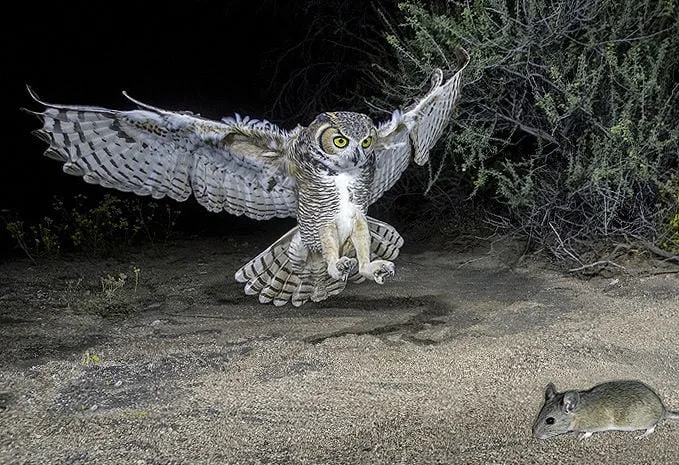
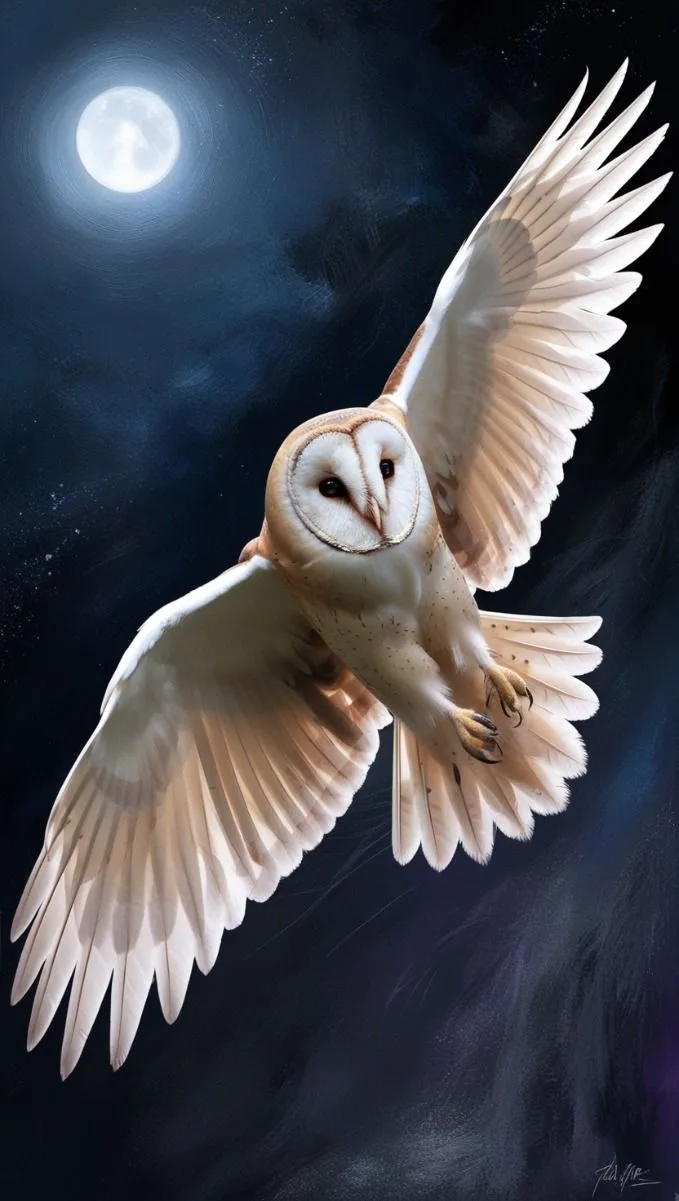
One of the most remarkable features of barn owls is their ability to fly almost completely silently. This is achieved through specialized feather structure. The leading edges of their flight feathers have a comb-like fringe, and the entire feather surface is covered in a soft, velvety down.
These adaptations break up airflow and absorb sound, preventing the typical swooshing noise of bird wings in flight.
This silent approach is critical because many of their prey, particularly rodents, have excellent hearing and would be alerted by the sound of an approaching predator. By flying in near-total silence, the barn owl can get incredibly close before its prey is even aware it's there.
Feathered Sound Detectors: Super Hearing in Action
While their vision is good in low light, barn owls rely even more heavily on their hearing to locate prey. Their facial disc, the collection of feathers that forms a heart shape around their face, acts like a parabolic dish. It funnels faint sounds directly into their ear openings.
What's truly extraordinary is that their ears are asymmetrical, one is higher than the other.
This asymmetry, combined with their ability to tilt their head, allows them to pinpoint the exact source of a sound with incredible accuracy, even if the prey is hidden beneath grass, leaves, or snow. This ability to hear a tiny rustle from several meters away is what allows them to hunt successfully in complete darkness.
Barn Owls as Ecosystem Indicators
The dietary habits of barn owls offer a valuable, non-intrusive way to understand the health of the environments they live in. Because they are so dependent on small mammals, changes in their diet or hunting success can signal shifts in the local ecosystem.
What Their Diet Tells Us About Habitat Health
A barn owl's menu is a direct reflection of the prey populations available in its hunting territory. When their primary food sources, like voles and mice, are abundant, the owls tend to thrive. This abundance often indicates a healthy grassland or agricultural area with suitable cover and food for these rodents.
Conversely, if barn owl populations decline or their diet shifts dramatically to less preferred food sources, it can be an early warning sign. This might suggest a decrease in rodent populations due to factors like habitat loss, increased predation by other animals, disease, or the impact of pesticides on the food chain.
Pellet Analysis: A Window into the Owl's World
Barn owls periodically regurgitate indigestible parts of their meals in the form of pellets. These compact balls of fur and bones are a treasure trove of information for wildlife biologists and ecologists. By collecting and analyzing these pellets, scientists can determine:
- Prey Species: Exactly what animals the owls have been eating.
- Prey Abundance: The relative numbers of different prey species in the area.
- Health of Prey: The condition of the prey, sometimes indicated by bone density or signs of disease.
This method is a cornerstone of understanding barn owl diets and, by extension, the health of their habitat without disturbing the birds themselves. For example, research from organizations like the National Audubon Society utilizes such observational data to track bird populations and their ecological roles.
Real-World Observations: What Studies Show
Ecological research provides concrete data on the dietary patterns of barn owls across different landscapes and seasons. These studies, often conducted over many years, paint a clear picture of their feeding habits and flexibility.
Dietary Data from Different Regions
Studies conducted in agricultural regions, like those across the Midwestern United States, consistently show a high reliance on field mice and voles. In areas with extensive grasslands or meadows, these rodent populations are robust, supporting thriving barn owl colonies. For instance, research published by university wildlife departments has documented instances where voles constituted over 70% of the barn owl's diet in specific agricultural landscapes.
In contrast, studies in more varied environments, such as the edges of woodlands or areas with mixed habitats, might show a slightly broader diet. Here, shrews and small passerine birds can feature more prominently, especially if vole populations are less dominant. The exact species of rodents also varies; in North America, species like the prairie vole and deer mouse are common, while in Europe, the common vole and wood mouse are key prey.
Seasonal Shifts in Barn Owl Cuisine
Barn owls are highly adaptable to seasonal changes, and their diet often reflects this. During spring and summer, when insect populations are high and many small mammals are breeding, barn owls have access to a plentiful food supply. This is often when they are raising their own young, requiring more frequent and substantial meals.
As autumn arrives and winter approaches, insect availability dwindles, and small mammal activity may decrease or become more challenging to detect beneath snow. During these colder months, barn owls may rely more heavily on stored fat reserves and must be more persistent in their hunting efforts. While their preferred prey remains rodents, they might show a greater tendency to hunt less ideal food sources if necessary to survive.
The nutritional quality and energy content of prey can also change seasonally, impacting the owl's overall intake.
Common Questions About Barn Owl Diets
Do barn owls eat snakes?
While not a primary food source, barn owls are opportunistic and have been known to prey on small snakes and lizards, especially when other food is scarce or during warmer months when these reptiles are more active. Their hunting methods allow them to catch a variety of small, ground-dwelling creatures.
What is the main food of a barn owl?
The main food of a barn owl consists overwhelmingly of small mammals, particularly rodents such as voles and mice. These animals form the bulk of their diet due to their abundance and accessibility.
Can barn owls eat prey larger than themselves?
Barn owls typically prey on animals smaller than themselves. While they are powerful hunters, their hunting strategy and digestive system are best suited for small to medium-sized rodents, birds, and insects, not prey that significantly exceeds their own size.
Quick Guide: Key Barn Owl Food Facts
- Primary Food: Small mammals, mainly rodents (voles, mice, shrews).
- Secondary Food: Occasional small birds, insects, bats, reptiles, amphibians.
- Hunting Method: Relies heavily on exceptional hearing and silent flight to ambush prey.
- Diet Indicator: Owl pellets (regurgitated fur and bones) reveal diet composition.
- Ecological Role: Helps control rodent populations; their diet reflects habitat health.
- Seasonal Variation: Diet can shift slightly based on prey availability throughout the year.