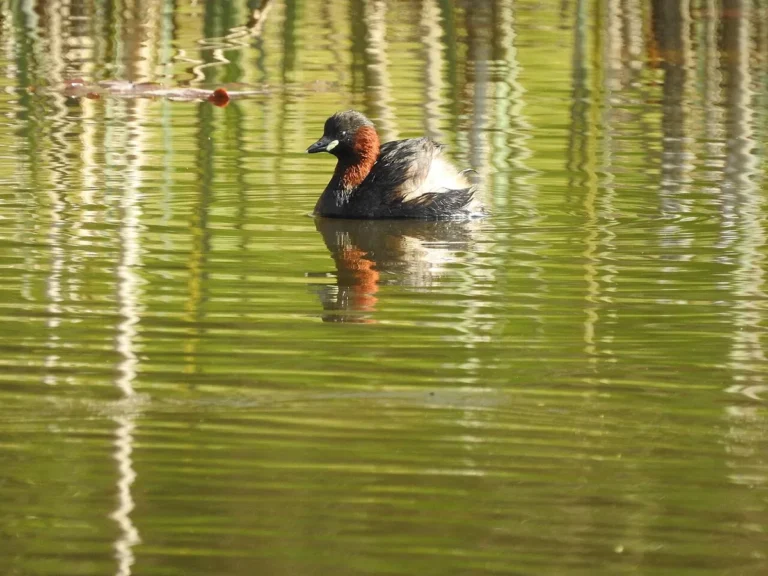
Why Do Ducks Quack
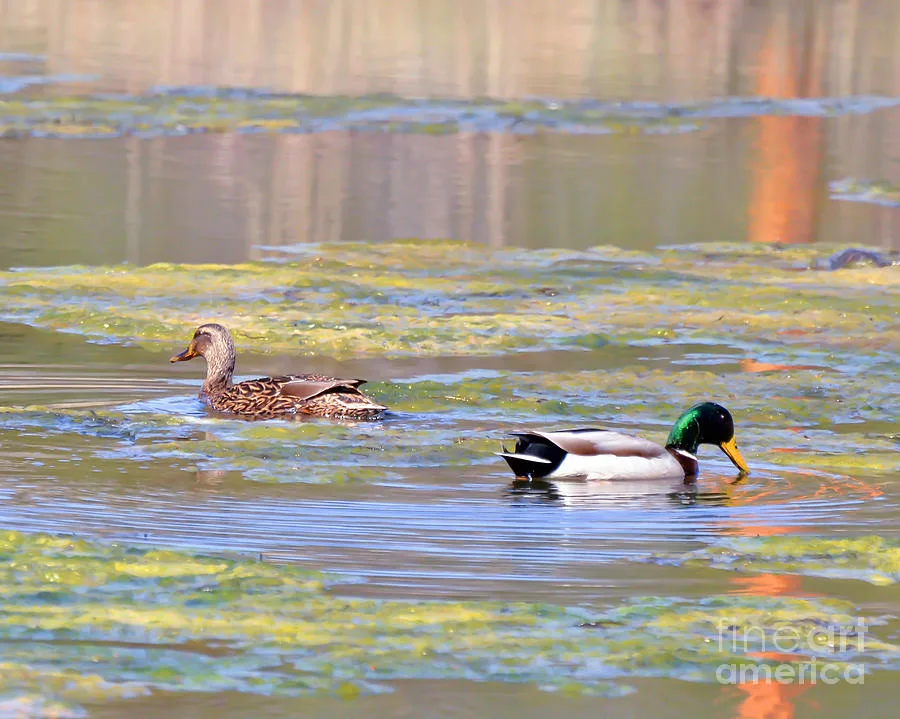
Image source: Bing (Web (fair-use with source credit))
Have you ever been by a pond and heard that distinctive "quack, quack, quack" and wondered what it all means? It turns out, ducks aren't just making noise; they're having conversations. Understanding why ducks quack opens up a fascinating window into their social lives and how they navigate their world.
These vocalizations serve many purposes, from signaling danger to finding mates. Research shows that a standard mallard quack, often produced by females, can be heard up to a mile away under ideal conditions. Let’s dive into the different reasons behind duck communication.
Quick Answer
Ducks quack to communicate a range of messages. Females use loud quacks to signal location, warn of danger, or attract mates. Males often make softer, raspier sounds.
Ducklings quack to stay with their mother. Different species have unique calls for specific social interactions.
The Language of Ducks: More Than Just Noise
Ducks are surprisingly chatty creatures, and their vocalizations are a vital part of their daily lives. Think of it like different words and phrases in our own language, but for ducks, these sounds convey essential information for survival and social bonding. It's not just one sound for one purpose; it's a complex system of calls and responses.
They use these sounds to maintain flock cohesion, alert others to threats, find food, and engage in courtship rituals. The sounds a duck makes can tell you a lot about its emotional state, its intentions, and its environment. Observing these vocalizations can be incredibly rewarding for anyone interested in wildlife.
Female Ducks: The Primary Quackers
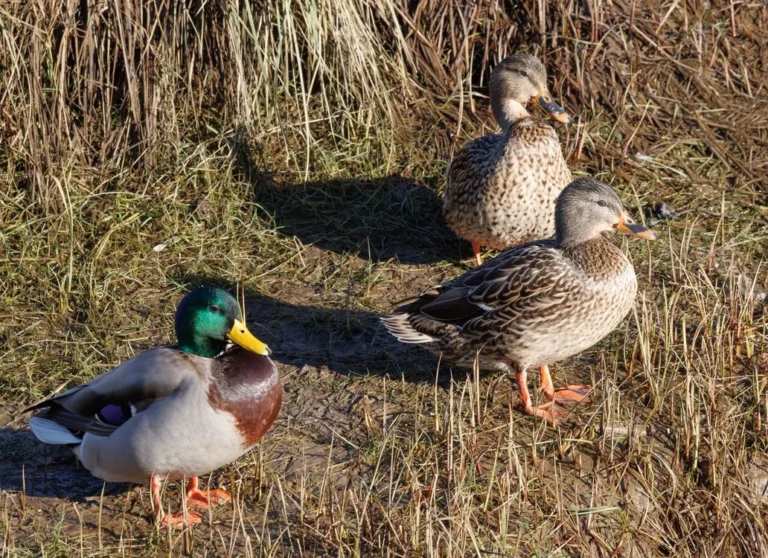
When most people think of a duck quacking, they're usually picturing a female mallard. And there’s a good reason for that: female ducks are generally the ones who produce the loud, classic "quack, quack, quack" sound that's so recognizable. This distinct call is a primary tool in their communication arsenal.
This loud quack serves multiple critical functions. It helps them stay in contact with their offspring, signal their presence to other ducks in the flock, and even ward off potential rivals or predators. It’s a robust sound designed to carry across water and open spaces, ensuring their messages are heard by those who need to hear them.
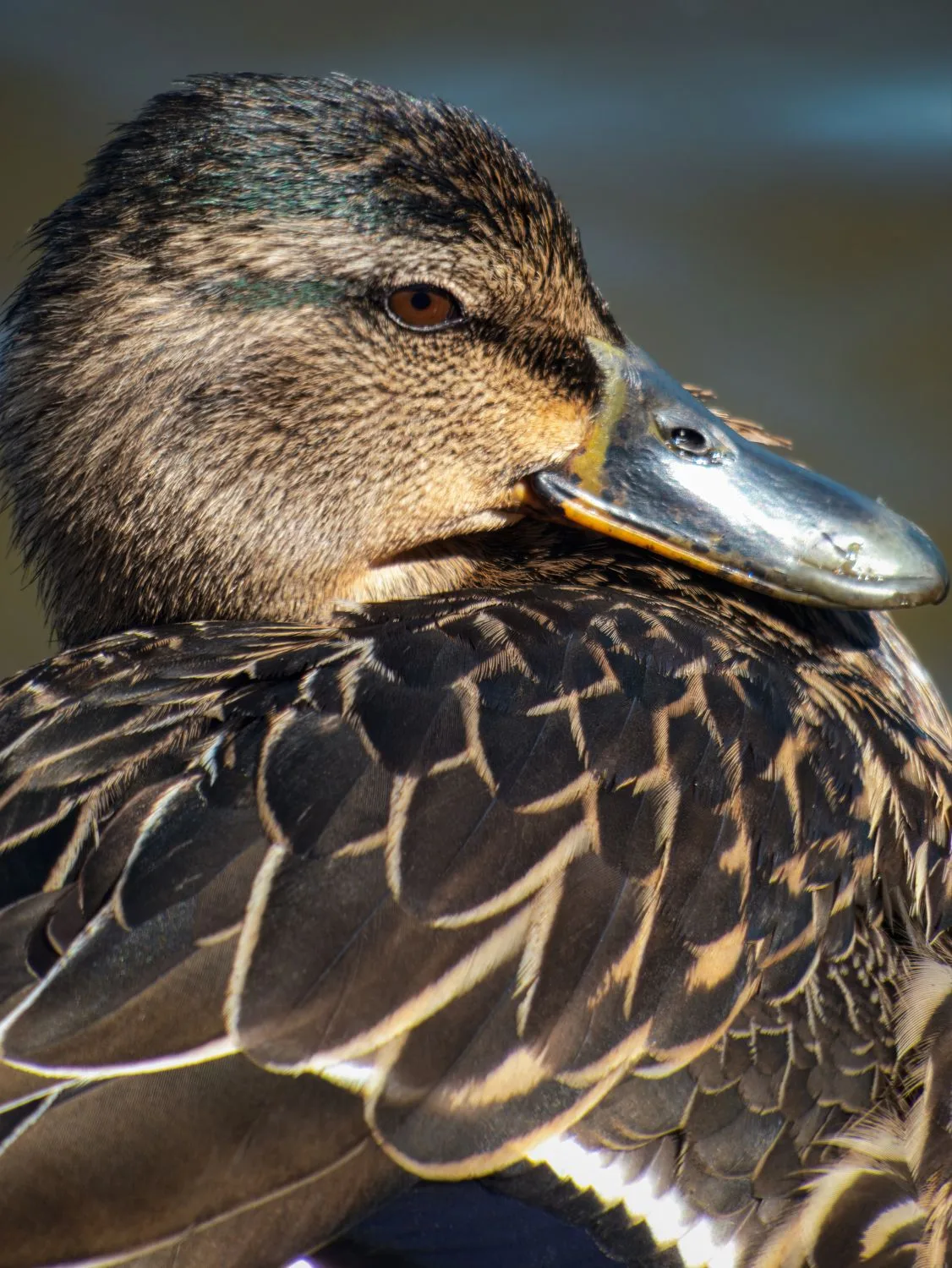
Image source: Bing (Web (fair-use with source credit))
Male Ducks: A Different Tune
Now, if the females are the main quackers, what about the males, also known as drakes? While they do vocalize, their sounds are typically much softer and less distinct than the female's loud quack. You might hear drakes making quieter, raspier calls, or sometimes more breathy, whistling sounds.
These softer vocalizations often play a role in courtship or maintaining a bond with their mate. They might also use these sounds to express mild alarm or to communicate with other males without the aggressive, far-reaching quality of a female's alarm call. It’s a subtler form of communication, often more personal than the broad signals of the females.
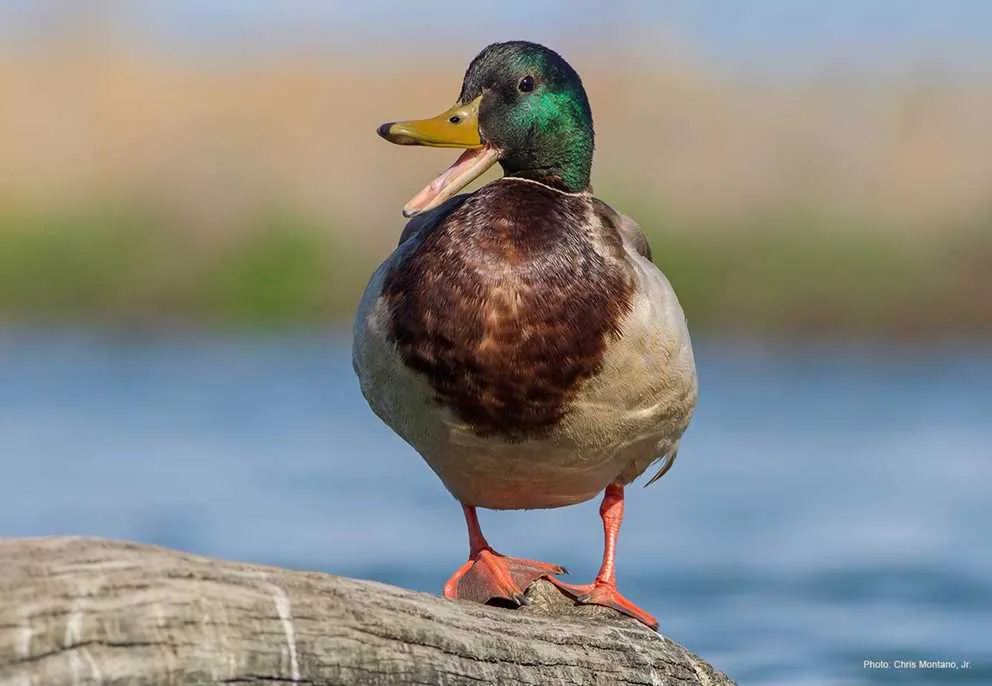
Image source: Bing (Web (fair-use with source credit))
Different Species, Different Calls
It's easy to think all ducks sound the same, but the reality is much richer. Just like different bird species have unique songs, different duck species have their own distinct vocal repertoires. The classic mallard quack is just one example; other ducks communicate using a variety of sounds that are specific to their needs and environments.
For instance, a wood duck might produce a more varied series of whistles and squeals, while a scaup might have a softer, rolling "coo" sound. These species-specific calls are crucial for them to recognize their own kind and avoid confusion in mixed flocks. It's a testament to the diversity within the duck world.
What a Quack Can Mean: From Danger to Dinner
A duck's quack isn't a one-size-fits-all message. Depending on the context, the tone, and the intensity, a quack can signify a whole range of meanings. Understanding these nuances is key to appreciating how ducks communicate.
- Warning of Danger: A sudden, sharp, repeated quack can be a clear signal of alarm. If a predator like a fox, cat, or hawk is spotted, ducks will often erupt in a flurry of loud calls to alert the entire flock to the threat. This immediate alert can give everyone a chance to take flight or dive to safety.
- Finding Food: While not always a loud quack, ducks do have vocalizations associated with foraging. If a duck finds a good patch of food, it might use a softer call to draw others over, or they might vocalize during feeding itself as part of the social dynamic.
Duckling Calls: Staying Close to Mom
Baby ducks, or ducklings, are especially vocal, but their sounds are typically soft peeps and chirps rather than full quacks. These small sounds are vital for their survival. If a duckling gets separated from its mother, its insistent peeping is how it signals distress and calls for her attention.
A mother duck is highly attuned to these calls and will often respond with her own softer vocalizations to guide her brood back to her side. This constant communication helps maintain the group's integrity and ensures no little ones are left behind, especially when they are most vulnerable.
Territory and Courtship Calls
Vocalizations also play a significant role in social interactions like establishing territory and attracting mates. While aggressive displays or postures are common, sounds can also communicate dominance or interest. A loud quack might be used to signal ownership of a prime feeding spot or nesting area.
During the breeding season, both males and females use specific calls to find and attract partners. While male drakes often rely on visual displays and softer vocalizations, females may use their more robust quacks to signal readiness to mate or to evaluate potential suitors. These calls are integral to the continuation of the species.
Understanding Duck Vocalizations: Tips for Observers
If you're out observing ducks, a little awareness can go a long way in deciphering their conversations. It's not always about identifying specific words, but about picking up on patterns and contexts. Paying attention to the sounds a duck makes, and the situation it's in, can reveal a lot.
Start by listening for changes in pitch, volume, and frequency. A single, loud quack might be an alert, while a series of softer sounds could indicate contentment or social interaction. Observing the duck's body language at the same time is also crucial.
Is it alert and looking around? Is it preening? Is it interacting with other ducks?
When Does a Duck Quack? Context is Key
The "why" behind a duck's quack often depends heavily on the situation. Here’s a quick look at common triggers and what they might mean:
- Sudden Appearance of Humans or Predators: This is almost always followed by alarm calls. These are usually sharp, loud, and repeated quickly. The goal is to get everyone’s attention, fast.
- Flock Movement: As ducks take flight or land, you might hear calls that seem to coordinate these actions. It's like a group saying, "Okay, let's go!" or "Here we come!"
- Social Gatherings: When ducks are loafing or feeding together peacefully, you might hear softer, more varied sounds. These are likely social calls, helping to maintain bonds within the group.
- Courtship Displays: During breeding season, specific calls, often more subtle or varied, accompany visual courtship rituals.
By simply spending time watching and listening, you'll start to recognize these patterns yourself. You don't need to be an ornithologist to appreciate the communication happening around you.
Frequently Asked Questions About Duck Quacks
Why do female ducks quack more than males?
Our research indicates that female ducks, particularly species like mallards, possess vocal anatomy that allows for louder and more distinct quacking sounds compared to the softer, raspier calls typically made by males. This difference aids in maternal communication and flock coordination.
Can ducks talk to each other without quacking?
Yes, ducks also use a range of non-vocal signals. Body posture, wing flapping, head bobbing, and even subtle movements can convey messages about dominance, fear, or courtship intentions, often complementing their vocalizations.
Do ducklings quack?
Ducklings primarily communicate with soft peeps and chirps, not full quacks. These sounds are essential for staying in contact with their mother and siblings, especially if they become separated from the group.
Are all duck quacks the same?
No, the sound and meaning of a quack can vary significantly between different duck species. What sounds like a typical mallard quack might be completely different from the vocalizations of a wood duck or a pintail.