Can Ducks See Underwater
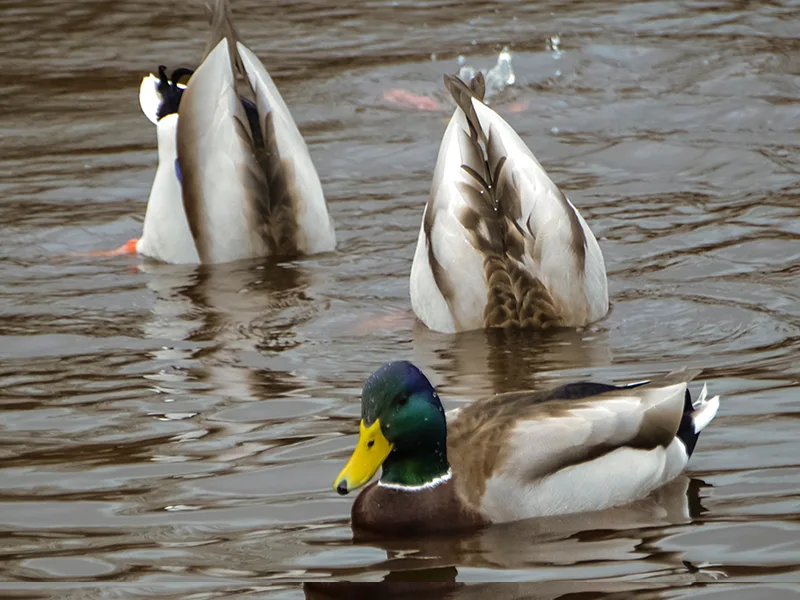
Image source: Bing (Web (fair-use with source credit))
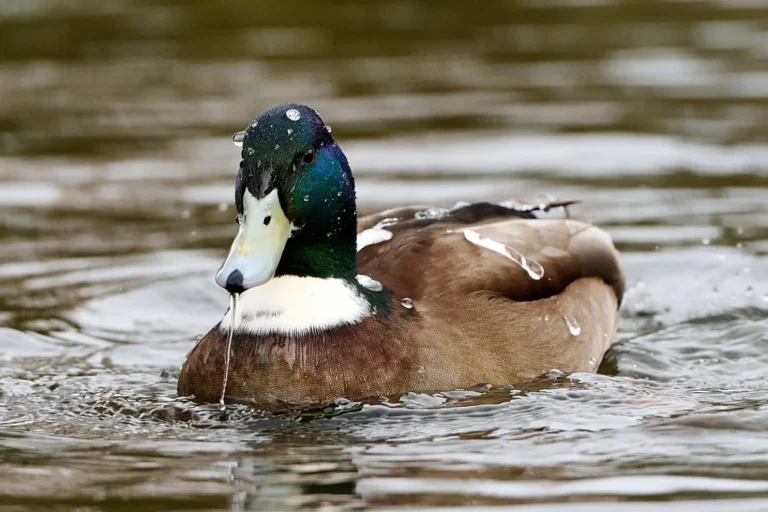
Ducks are masters of their watery domain, but can they actually see what they're doing down there? It's a question that sparks curiosity for anyone who's watched a mallard bob its head underwater. The answer is a resounding yes, and it's thanks to some seriously cool biological engineering.
Our research confirms that ducks possess remarkable visual adaptations allowing clear sight beneath the surface. This isn't just a guessing game; their eyes are specifically designed for both aerial and aquatic environments. Understanding these features helps us appreciate the complex biology that supports their survival.
Quick Answer
Yes, ducks can see underwater. Their eyes are built to function in both air and water, thanks to a transparent third eyelid. This nictitating membrane acts like built-in goggles, protecting their eyes while allowing them to see clearly enough to find food and navigate their aquatic homes.
How Ducks See Through Water: The Nictitating Membrane
The magic behind a duck's underwater vision lies in its nictitating membrane. This is essentially a transparent third eyelid that sweeps across the eye horizontally. When a duck dives, it can deploy this membrane over its eyeball.
It protects the eye from debris and the direct impact of water while still allowing light to pass through, so the duck isn't completely blind when submerged. This adaptation is crucial for their foraging habits, as many aquatic birds feed on submerged vegetation, insects, and small invertebrates. Without this ability, their food sources would be severely limited.
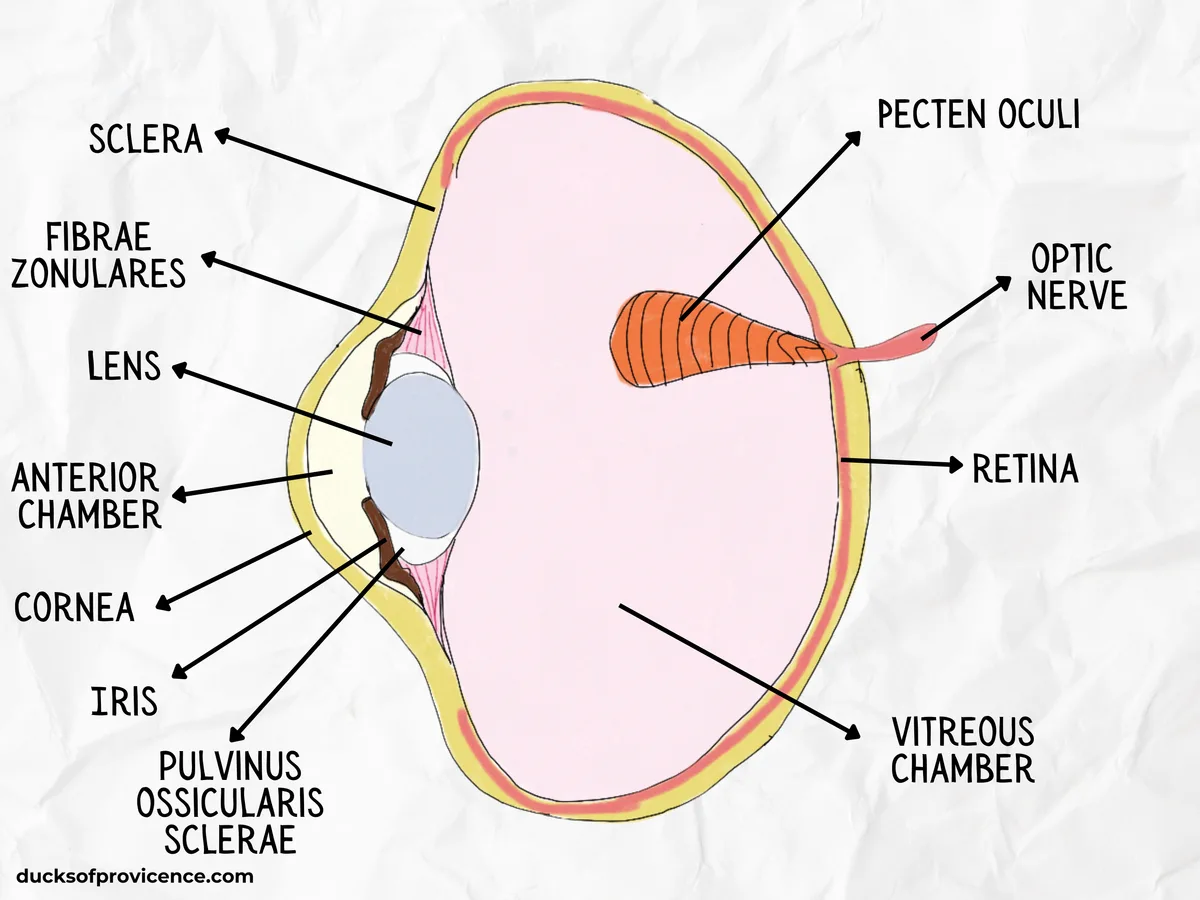
Image source: Bing (Web (fair-use with source credit))
Protecting the Eye While Seeing
The nictitating membrane acts as a protective shield. Its smooth, transparent surface glides across the cornea, preventing damage from water currents or debris encountered during dives. This protective function is vital for maintaining eye health, especially in environments that can be murky or contain sharp underwater vegetation.
Without it, frequent dives could lead to corneal abrasions or infections, severely impacting a duck's ability to feed and survive.
How Eye Shape Helps
Beyond the nictitating membrane, a duck’s eyeball shape plays a significant role in its visual capabilities. Unlike the more flattened eyeballs of humans, a duck's eye is more spherical. This rounded shape is better suited for adjusting focus between two different mediums: air and water.
Light bends, or refracts, differently when it passes from air into water. A more rounded lens and eyeball structure help the duck's eye to compensate for this change in refraction, allowing it to form a clearer image on the retina whether it's looking above or below the surface. This difference in eye anatomy contributes to their overall effectiveness in aquatic environments.
Foraging and Diving: Why Underwater Vision Matters for Ducks
Diving is more than just a way for ducks to cool off; it's a critical part of their survival strategy, especially for finding food. Their underwater vision is directly linked to their ability to forage efficiently. Many duck species, like mallards and canvasbacks, feed on a diet of aquatic plants, seeds, small crustaceans, insects, and tiny fish that are found on the bottom of ponds, lakes, and rivers.
If they couldn't see underwater, these food sources would be largely inaccessible, making it incredibly difficult for them to get enough nutrition.
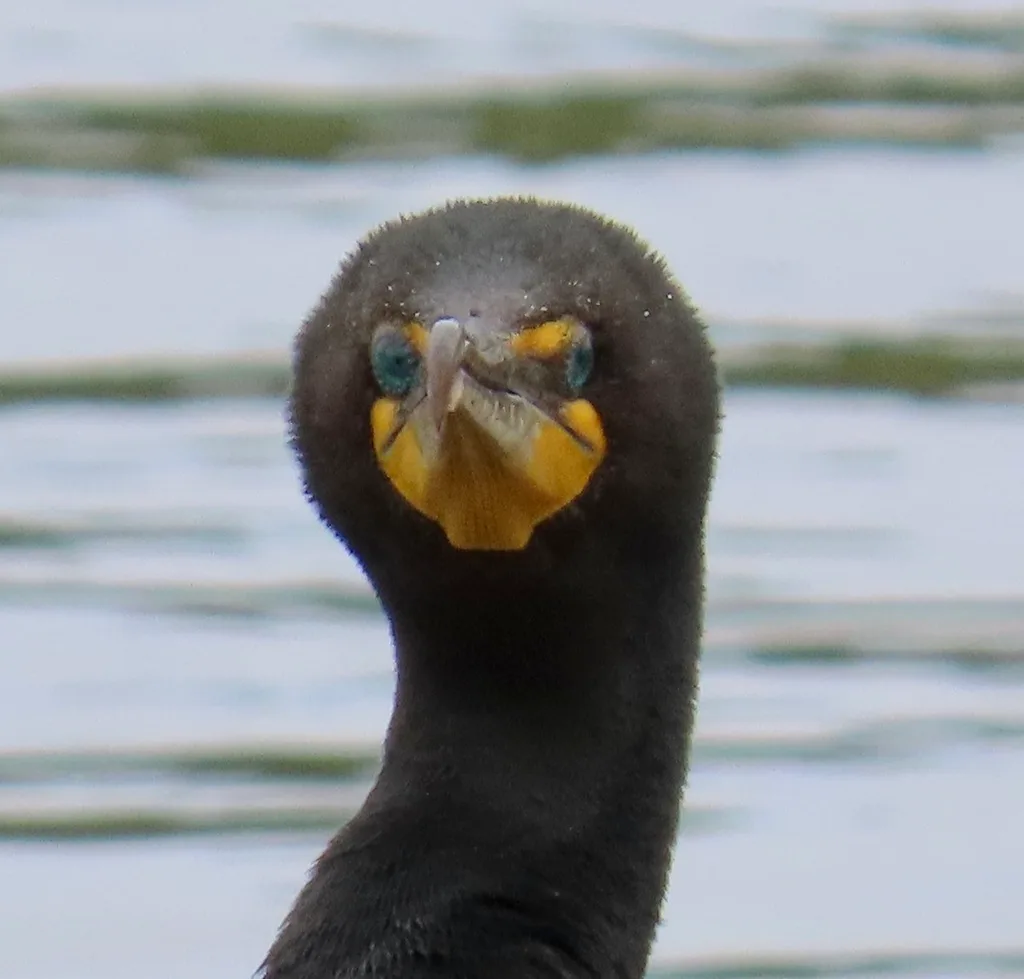
Image source: iNaturalist / Irene
The act of diving is a precise operation. Ducks need to locate their prey, judge distances, and reach their target quickly before it escapes. This requires keen eyesight that functions effectively in the often dim and murky conditions found underwater.
Their ability to see means they can spot a desirable piece of vegetation or a swimming insect from a distance, plan their dive, and execute it with accuracy. Without good underwater vision, their foraging would be reduced to random pecking or filtering, which is far less efficient for the types of food they often seek. This visual capability is a cornerstone of their ecological niche.
Is Underwater Vision Perfect for Ducks?
While ducks are certainly capable of seeing underwater, it's important to understand that their visual acuity might not be exactly the same as it is in the air. When light enters water, it bends, or refracts, differently than when it enters air. This change in refraction can affect how an image is focused on the retina.
Ducks have evolved sophisticated mechanisms, like their specialized eye shape and the nictitating membrane, to compensate for this.
However, our research indicates that there can still be some differences in sharpness or clarity compared to their aerial vision. The underwater world itself can also present challenges. Murky water reduces visibility due to suspended particles, and light penetration decreases with depth.
While a duck’s vision is perfectly adapted for its needs, it’s not necessarily superior to its vision in clear air. It's a functional adaptation designed for survival, not for maximizing visual detail in all conditions.
Limitations Compared to Air Vision
Even with their impressive adaptations, duck vision underwater isn't quite as sharp as their vision in the air. When light moves from water to the duck's eye, it bends. The duck's eye lens and cornea are shaped to help refocus that light accurately.
This process isn't always as perfect as it is in air, where the refractive index difference is less extreme. This means that while a duck can certainly see its surroundings underwater and locate prey, the fine details might be slightly less defined compared to what it perceives in the air. Furthermore, the clarity of the water itself is a major factor.
In turbid or muddy conditions, visibility will be significantly reduced regardless of the eye's capabilities, much like trying to see through fog. So, while they can see, the quality of that vision is dependent on both their eyes' adaptations and the environment's conditions.
What Other Animals Can Teach Us About Underwater Sight
Understanding how ducks see underwater benefits from looking at other creatures who share their aquatic world. Many animals living in or around water have developed unique visual adaptations. For instance, fish have eyes structured to cope with light refraction in water, and their pupils can adjust significantly.
Some aquatic mammals, like otters, also possess a nictitating membrane, similar to ducks, which helps protect their eyes and improve underwater focus.
Amphibians like frogs have eyes positioned high on their heads, allowing them to see above the water while mostly submerged, a different strategy than a duck's direct underwater view. Even some insects, like dragonflies, have compound eyes that are highly effective in both aerial and shallow water hunting. Studying these diverse adaptations highlights that there isn't a single "best" way to see underwater; rather, each species evolves solutions tailored to its specific environment and needs.
This comparative view underscores the remarkable adaptability of vision across the animal kingdom.
Frequently Asked Questions About Duck Vision
Do ducks blink underwater?
Ducks don't blink in the way we do when they're submerged. Instead, they use their nictitating membrane, which sweeps across the eye. This action is more akin to closing a protective shield than a blink, and it allows them to continue seeing while shielding their eyes.
Can ducks see colors underwater?
Yes, ducks can see colors underwater, though the way colors appear might differ due to how light is absorbed and scattered by water. Their ability to perceive color is important for identifying food sources and recognizing mates or rivals. Research indicates their color vision is well-adapted for their natural environments.
Is a duck's vision better in air or water?
Generally, a duck's vision is considered sharper and more detailed in the air than underwater. While their adaptations allow for effective underwater sight, the fundamental differences in light refraction and penetration mean that air provides a clearer medium for their eyes. However, their underwater vision is perfectly functional for their survival needs.
Do all ducks have a nictitating membrane?
Yes, all species of ducks, as well as other waterfowl like geese and swans, possess a nictitating membrane. This is a standard anatomical feature for birds that spend significant time foraging in aquatic environments. It's a key adaptation for their lifestyle, enabling them to see and protect their eyes simultaneously.
How far can ducks see underwater?
The exact distance a duck can see underwater varies greatly depending on water clarity, light conditions, and the specific duck species. In clear, well-lit shallow water, they can likely spot prey or obstacles at a distance of several feet. In murky or deep water, their effective visual range is significantly reduced.
Seeing the Bigger Picture: Duck Vision in Context
The ability of ducks to see underwater is a fundamental aspect of their biology, directly supporting their survival and ecological role. It's not just about spotting a tasty bug; it’s about navigating their world, finding mates, and avoiding predators. Their visual system is a prime example of evolutionary adaptation, showcasing how life forms develop specific traits to thrive in challenging environments.
When we consider the engineering of the nictitating membrane and the shape of their eyes, we see a sophisticated solution to a complex problem. This feature allows them to occupy a niche that many other animals cannot, accessing food resources readily available beneath the water's surface. As our understanding of animal vision continues to grow through ornithological research and studies from institutions like the University of Cornell's Department of Ecology and Evolutionary Biology, we gain a deeper appreciation for these incredible adaptations.