Why Are Falcons so Fast
Falcons are built for pure, unadulterated speed, making them some of the fastest creatures on the planet. If you've ever wondered why these birds can hit such incredible velocities, it boils down to a remarkable combination of specialized anatomy and evolutionary design. Their ability to reach speeds that defy conventional flight is a testament to nature's engineering prowess.
The sheer velocity achieved by falcons, especially during their hunting dives, is astounding. For instance, the peregrine falcon, a well-known species, can exceed 200 miles per hour (320 km/h) when stooping. This astonishing speed is not a byproduct of chance but a result of highly refined physical traits honed over millennia.
Quick Answer
Falcons are so fast because their bodies are incredibly aerodynamic. They have a streamlined shape, specialized wing structure that cuts through air with minimal resistance, and powerful muscles for rapid acceleration. This design is perfected for their hunting technique, the "stoop," where they plummet from great heights at speeds topping 200 mph.
How Falcons Are Built for Breakneck Speed
The reason falcons are so fast isn't just about having powerful wings; it's a symphony of perfectly adapted physical features. From their overall body profile to the tiniest feather detail, every aspect is geared towards minimizing drag and maximizing velocity. This intricate design allows them to perform aerial feats that few other creatures can match.
Aerodynamic Body Shape
A falcon’s body is shaped like a torpedo or a tear-drop. This smooth, tapered form is crucial for reducing air resistance, or drag. Think of it like a fighter jet: its sleek design allows it to slice through the air with much less effort than a boxy shape.
This aerodynamic efficiency means that as a falcon moves forward, the air flows smoothly over its body, allowing it to gain and maintain high speeds with less energy expenditure. This fundamental shape is the first step in their incredible velocity.
Specialized Wings for Velocity
Falcons have distinctively pointed and relatively short wings compared to other raptors. This wing shape is optimized for speed and agility. When a falcon wants to dive, it tucks its wings tightly against its body.
This makes its profile even more streamlined, further reducing drag and allowing gravity to accelerate it dramatically. The rigidity of their wing feathers also plays a part, helping them withstand the immense forces encountered at high speeds without deforming.
Powerful Muscles and Feather Design
All this speed requires serious power. Falcons possess exceptionally developed chest muscles, which provide the force needed for rapid wingbeats and powerful thrust. But it's not just about raw power; the feathers themselves are engineered for velocity.
The primary flight feathers, located at the wingtips, have slightly separated tips. This separation helps break up the airflow and reduces the whistling noise often associated with high-speed flight, making them quieter hunters and further enhancing their aerodynamic efficiency.
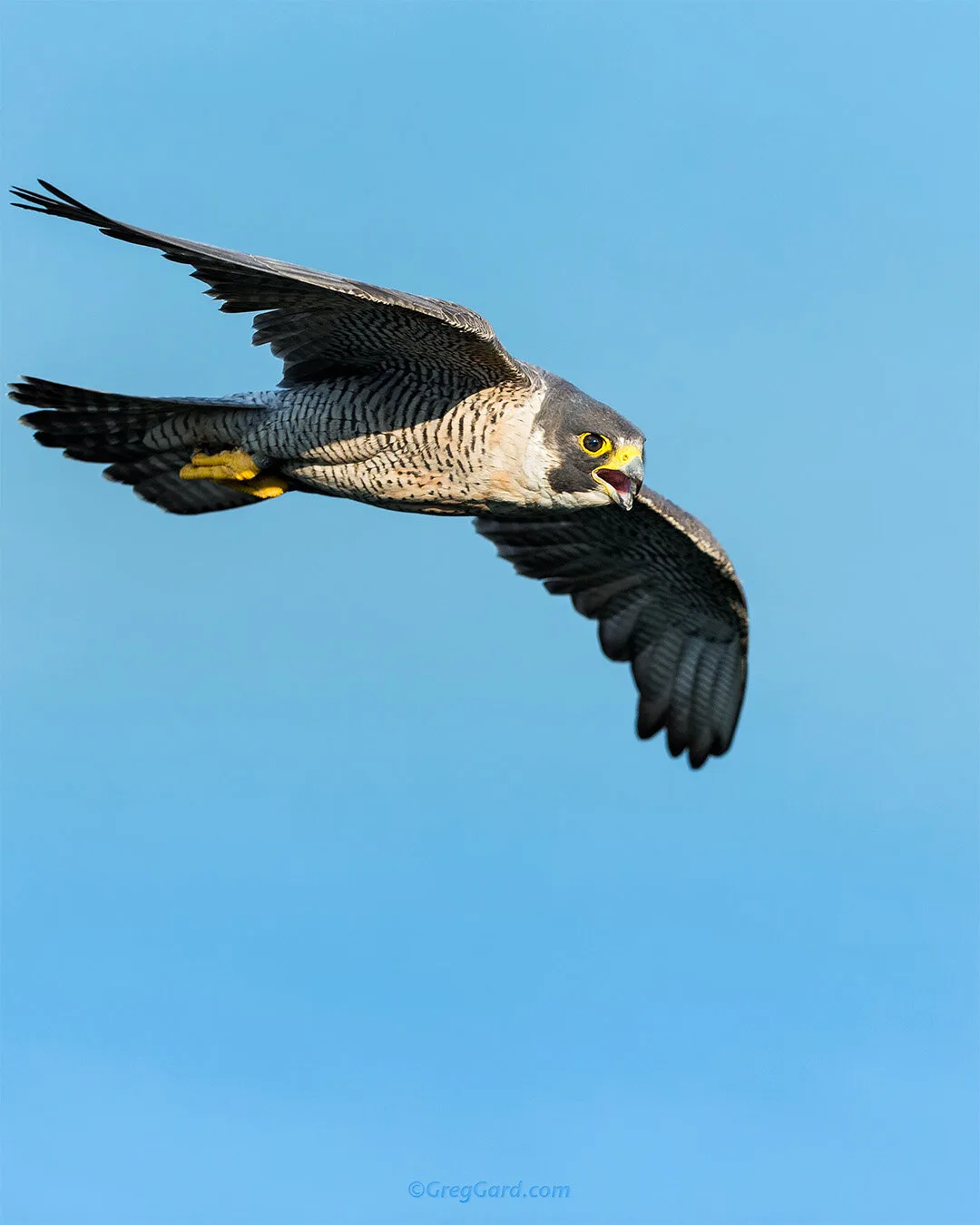
Image source: Bing (Web (fair-use with source credit))
The "Stoop": Falcon's Signature High-Speed Dive
The most famous display of a falcon's speed is its hunting dive, known as the "stoop." This isn't just a simple fall; it's a highly controlled, incredibly fast plummet designed to strike prey with devastating force and accuracy. It's the culmination of all their physical adaptations working together.
Preparing for the Descent
Before a stoop, a falcon will typically soar to a significant height, often hundreds or even thousands of feet above its target. Spotting prey from this vantage point gives the falcon ample time to assess the situation and prepare. They'll often position themselves directly above or slightly behind the prey, ensuring a clear line of attack.
This high perch is critical, providing the necessary altitude to build maximum speed.
How the Dive Achieves Incredible Speeds
During a stoop, the falcon tucks its wings close to its body, presenting a near-vertical profile to the air. This action dramatically reduces air resistance. As gravity pulls the falcon downwards, its streamlined shape allows it to accelerate rapidly.
Unlike level flight, where flapping provides thrust against drag, the stoop leverages gravity, turning the bird into a living projectile. Some studies suggest their wing shape and musculature allow for adjustments that can momentarily increase wing loading, pushing them even faster.
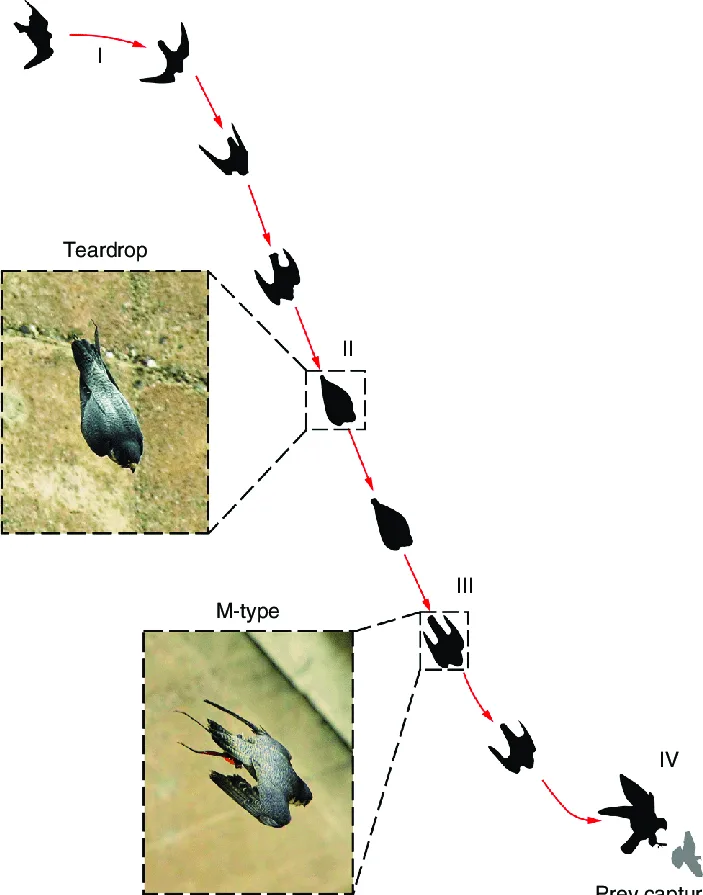
Image source: Bing (Web (fair-use with source credit))
Precision Control at Over 200 MPH
What's truly remarkable about the stoop is the falcon's ability to control its trajectory and strike accurately even at speeds exceeding 200 miles per hour. They use subtle movements of their wings and tail to steer, adjust their angle of descent, and maintain stability. This precise control prevents them from tumbling or losing their target.
The impact is delivered with immense force, often incapacitating the prey instantly. This level of precision at such extreme velocities showcases an extraordinary level of biological engineering.
How Fast Can a Falcon Really Fly?
When we talk about falcon speed, the numbers are frankly jaw-dropping, especially when compared to other animals or even human-made machines. While their normal, level flight is fast, it's during their hunting stoop that they achieve their legendary velocities. This dramatic difference highlights the specialized nature of their high-speed capabilities.
- Level Flight: In normal, horizontal flight, falcons can reach speeds of around 40-60 miles per hour (64-97 km/h). This is still quite fast, comparable to a swift bird of prey or even a small aircraft cruising at low altitude.
- The Stoop: It's during their characteristic hunting dive, the stoop, that falcons become unparalleled speed demons. The peregrine falcon, for example, has been clocked in excess of 200 mph (320 km/h). Verified measurements have even recorded speeds approaching 240 mph (386 km/h). This makes them the fastest animal on Earth during this specific maneuver.
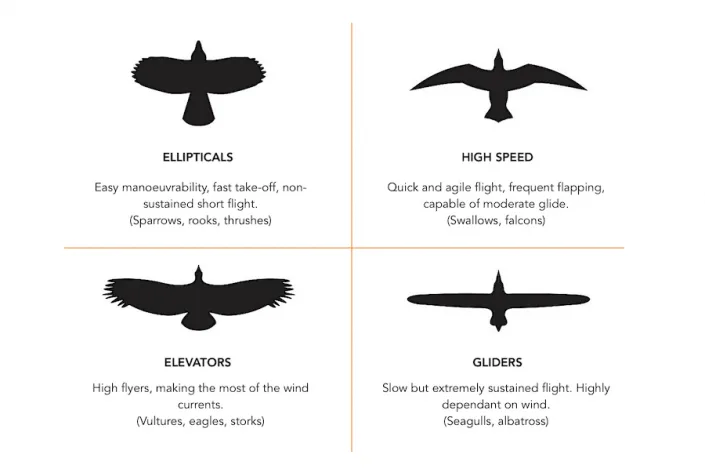
Image source: Bing (Web (fair-use with source credit))
The Science Behind Falcon Flight Efficiency
The incredible speeds falcons achieve aren't just about brute force; they're a masterclass in aerodynamic efficiency. Nature has spent millions of years refining these birds to minimize resistance and maximize the use of available forces. Understanding the physics behind their flight reveals why they are so much faster than many other avian species.
The primary principle at play is drag reduction. Aerodynamic drag is the force that opposes an object's motion through a fluid, in this case, air. Falcons have evolved several features to combat this.
Their streamlined, tear-drop body shape is paramount. Unlike birds with broad, rounded chests, a falcon's body tapers smoothly from front to back. This allows air to flow with minimal turbulence.
Furthermore, their wing structure is key. The relatively short, pointed wings can be held close to the body during a dive, forming a compact, aerodynamic package. This minimizes the frontal area exposed to the air.
The stiffness of their flight feathers also prevents them from bending or fluttering excessively under high air pressure, which would otherwise create drag and instability. For a deeper dive into the principles of aerodynamic efficiency, aviation physics research provides extensive data on form and flow [as of 2026].
Common Misconceptions About Falcon Speed
Despite their impressive abilities, there are a few common misunderstandings about how falcons achieve their speeds. Often, people assume their incredible velocity is solely due to powerful wing flapping. While muscle power is essential for accelerating and maneuvering, it's not the primary driver of their top speeds.
One frequent misconception is that falcons are always flying at their maximum speed. In reality, their most extreme speeds are achieved only during the specialized hunting dive, the stoop. Their level flight is fast, but not record-breaking compared to their stooping ability.
Another misunderstanding is that their speed is purely natural ability. While their anatomy is perfectly suited, their hunting strategy, involving soaring to great heights and then executing a controlled dive, is a learned behavior and a critical component of their speed advantage. These specific conditions are what unlock their true velocity potential.
How a Falcon's Feathers Contribute to Speed
You might not think much about a bird's feathers when considering speed, but for falcons, they are critical components. These aren't just for insulation or display; they are meticulously shaped and structured to perform under extreme conditions. The specialized nature of their plumage is directly linked to their ability to fly at astonishing velocities with remarkable efficiency.
The primary flight feathers, found at the wingtips, are particularly noteworthy. They are stiff and have slightly separated tips, a design that helps reduce air noise and turbulence. This aerodynamic "tuning" lessens drag, allowing the falcon to maintain speed more effectively during high-velocity dives.
Imagine it like the dimples on a golf ball, which create a small boundary layer of air that reduces overall drag. The structure of their feathers also makes them incredibly resilient, able to withstand the intense air pressure and forces experienced during a stoop without tearing or deforming.
What Happens to a Falcon's Body During a Dive?
During a high-speed stoop, a falcon's body undergoes significant changes to optimize its flight path and protect itself from the extreme forces. It’s a carefully orchestrated physical response that allows them to survive and thrive at speeds that would be lethal for most creatures.
The most noticeable change is the wing tuck. Falcons pull their wings in so tightly that they almost become extensions of their body. This reduces their wingspan and makes them a much more compact, streamlined shape.
Their legs are also typically tucked close to their body, further minimizing any protruding surfaces that could create drag. Their eyes are protected by a nictitating membrane, a transparent third eyelid, which shields them from debris and wind blast, much like goggles for a race car driver. This protective membrane allows them to keep their vision clear even at speeds exceeding 200 mph.
Frequently Asked Questions About Falcon Speed
Are falcons the fastest animals on Earth?
Yes, the peregrine falcon holds the record for the fastest animal on Earth when it performs its hunting stoop, reaching speeds well over 200 miles per hour. In level flight, however, other animals, like certain fish or mammals, can achieve higher sustained speeds.
Does wing flapping contribute to a falcon's speed in a stoop?
No, not directly. During a stoop, a falcon's speed is primarily generated by gravity. Its specialized body and wing shape minimize air resistance, allowing it to accelerate rapidly downwards.
Wing flapping is used for level flight, takeoff, and maneuvering, not for accelerating during the stoop.
How do falcons steer at such high speeds?
Falcons use subtle adjustments of their wings and tail feathers to steer and maintain stability during a stoop. These small movements allow them to control their trajectory with remarkable precision, ensuring they hit their target accurately despite the immense velocity.
Why don't falcons' feathers get damaged at such high speeds?
Falcon feathers are incredibly strong and flexible. Their structure, particularly the interlocking barbules, makes them resilient to the high air pressure and forces encountered during a stoop. They are designed to withstand these extreme conditions without tearing or deforming.