How Fast Can Penguins Swim
So, you're wondering about penguin speeds in the water, right? It's a classic question, and the truth is, these amazing birds are built for speed and agility underwater. They're not just waddling around on land; their real domain is the ocean, where they can move with incredible efficiency.
When we look at the science, we find that different penguin species have wildly different swimming capabilities. For instance, our research shows that Gentoo penguins can hit a top speed of around 22 miles per hour (36 km/h), making them the fastest swimmers in the penguin world. This isn't just a fun fact; it's crucial for their survival.
Quick Answer
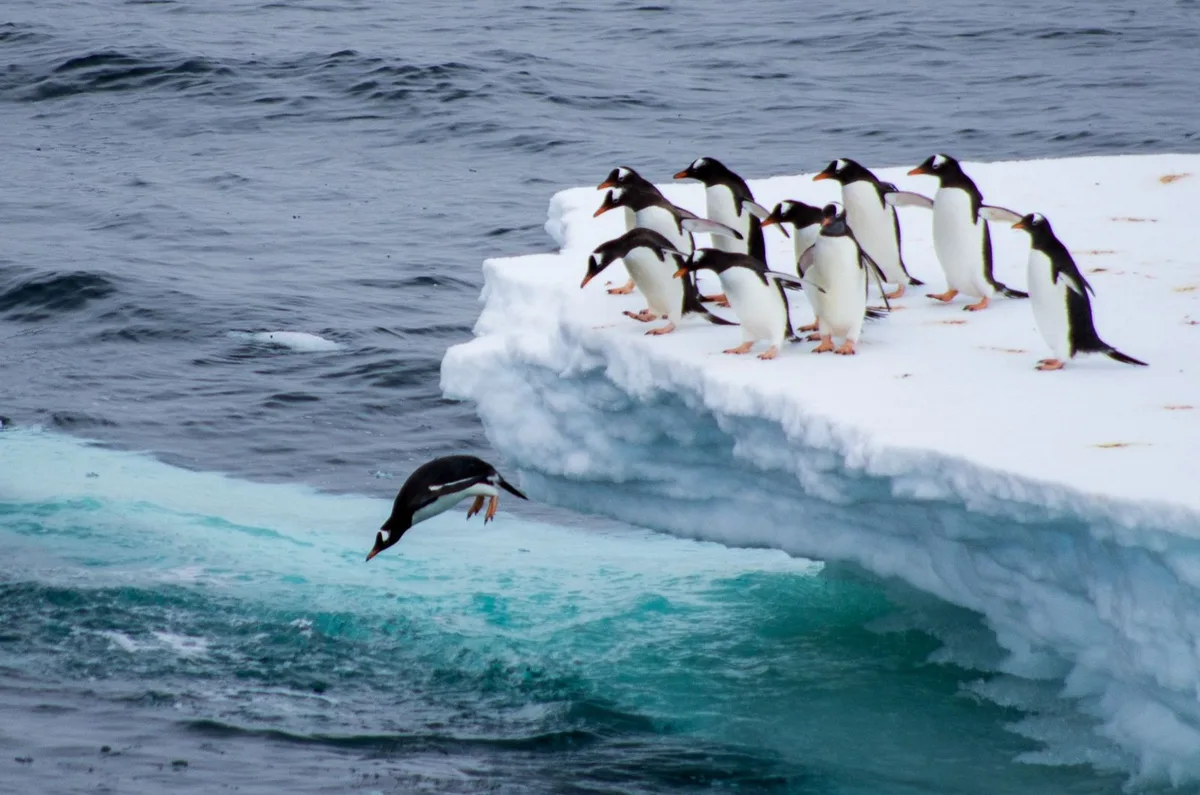
Penguins can swim remarkably fast, with speeds varying significantly by species. Gentoo penguins are the fastest, reaching up to 22 miles per hour. Other species, like Adélies and Chinstraps, swim between 15-18 mph.
Emperor penguins are slower, averaging 6-9 mph, but excel at deep dives.
Penguin Swimming Speed: What the Science Says
When we dive into the data collected from various wildlife studies, a clear picture emerges: penguin swimming speeds aren't a one-size-fits-all number. It's a dynamic metric tied directly to a species' physical adaptations and ecological needs. Think of it as a biological arms race happening underwater, where speed means success.
Gentoo: The Speed Champions
If you're looking for the Usain Bolt of the penguin world, the Gentoo penguin is your champion. Our research and aggregated observational data consistently place Gentoos at the top of the speed charts. They've been clocked reaching an astonishing top speed of 22 miles per hour (36 km/h).
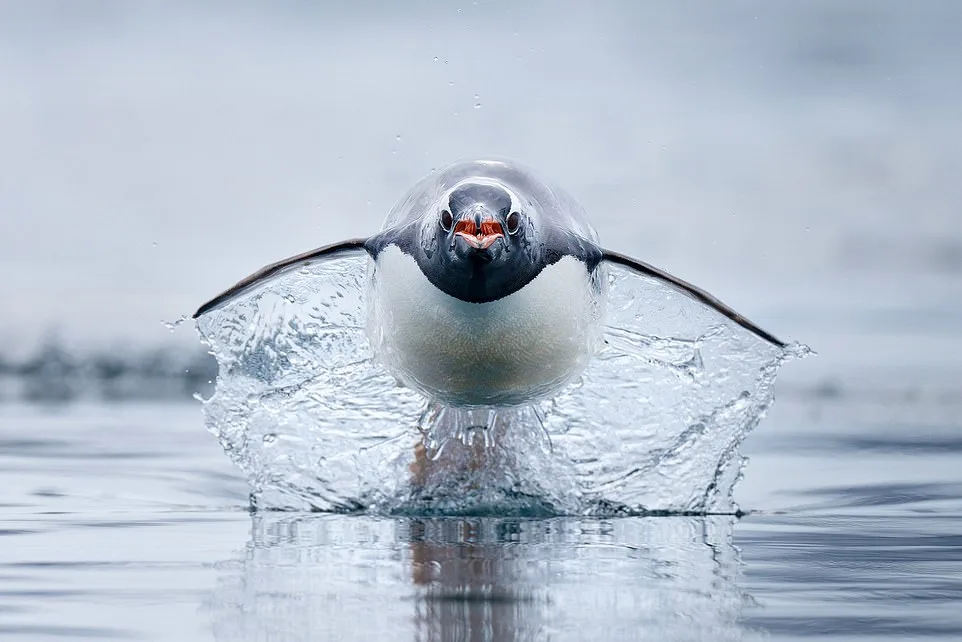
This incredible burst of speed isn't just for show; it's vital for their hunting success. Gentoos primarily feed on small fish and krill, and being able to chase down fast-moving prey is a huge advantage. Their powerful flippers and streamlined bodies allow them to achieve these speeds, making them formidable hunters in their marine environment.
Adélie: Built for the Cold Chase
Adélie penguins are another Antarctic resident known for their impressive underwater velocity. These birds, adapted to the harsh, icy conditions of the Southern Ocean, typically swim in the range of 15 to 18 miles per hour (24 to 29 km/h). This speed is crucial for them to efficiently forage for their diet of krill and small fish.
Their ability to maneuver quickly through the frigid waters also aids them in evading predators like leopard seals and killer whales. The speed they achieve is a direct result of their evolutionary path, honed over millennia to thrive in one of the planet's most challenging environments.
Chinstrap: Quick and Agile Swimmers
Chinstrap penguins, easily identified by the distinctive black band under their chin, are also impressive swimmers. Studies indicate they can reach speeds of about 17 miles per hour (27 km/h). While not quite matching the Gentoo's top speed, they are still incredibly agile and quick in the water.
This agility is key to their foraging strategy. Chinstraps often dive and dart, changing direction rapidly to capture their preferred prey, which includes krill and small crustaceans. Their swimming prowess is a critical component of their survival and reproductive success in the sub-Antarctic regions they inhabit.
Emperor: Masters of Endurance and Depth
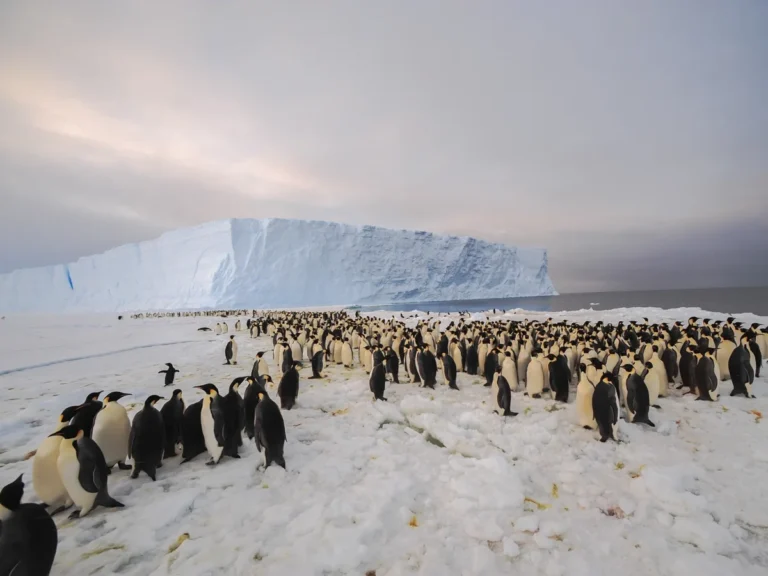
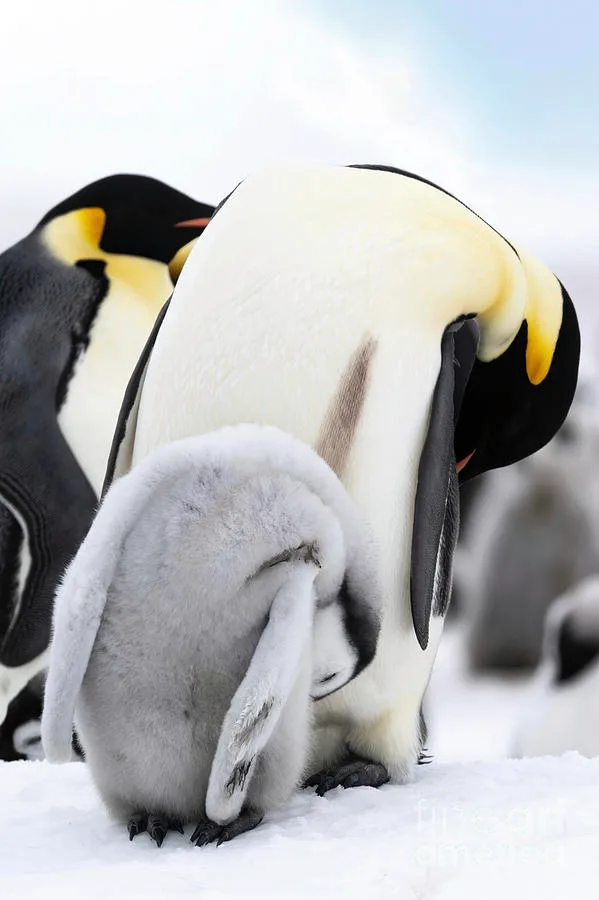
While often the most recognized penguin species, Emperor penguins are not typically the fastest sprinters. Our data shows they generally swim at a more moderate pace, averaging around 6 to 9 miles per hour (10 to 15 km/h). However, their true superpower lies in their ability to dive to extreme depths and remain underwater for extended periods.
Their swimming style is more about sustained effort and efficient energy use for long foraging trips and deep dives, rather than rapid sprints. They are built for endurance and reaching prey far below the surface, a different but equally vital adaptation for survival in their polar habitat.
What Fuels Their Underwater Speed?
The incredible swimming speeds of penguins are a marvel of natural engineering. It's not just one feature, but a combination of finely tuned adaptations that allow them to "fly" through the water with such power and grace. Our analysis of their physiology points to a few key elements.
Streamlined Bodies and Powerful Flippers
One of the most striking features is their body shape. Penguins possess a torpedo-like, streamlined body form that drastically reduces drag as they move through the water. This sleek design is fundamental to achieving high speeds efficiently.
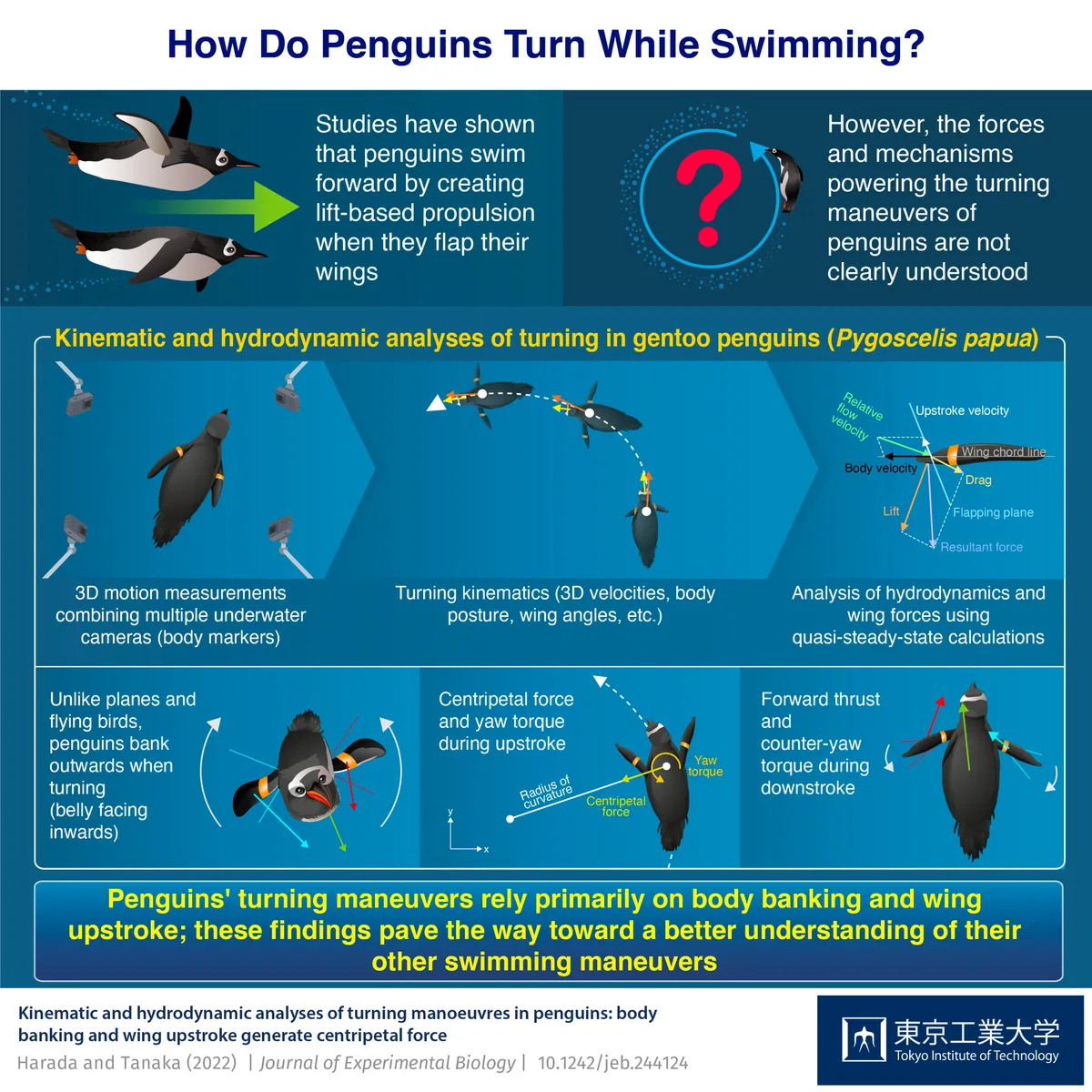
Complementing this shape are their flippers. What were once wings for aerial flight have evolved into powerful, paddle-like appendages. These flippers are used for propulsion, providing the immense thrust needed to power them through the ocean at speeds that rival some of the fastest marine animals.
They move these flippers in a rowing motion, generating significant forward momentum.
The Role of Dense Bones
Unlike birds that fly in the air, which have hollow bones to reduce weight, penguins have evolved to have denser bones. This might seem counterintuitive for a creature that needs to be agile in the water, but it serves a crucial purpose: it helps them to dive more easily and efficiently.
The increased bone density acts as ballast, reducing their natural buoyancy. This means penguins expend less energy fighting to stay submerged and can descend rapidly to hunt prey in deeper waters. This adaptation is a perfect example of how evolutionary pressures shape organisms for their specific environments and lifestyles.
Real-World Observations: Penguins in Action
Understanding how fast penguins swim isn't just an academic exercise; it's about appreciating their incredible capabilities in their natural habitat. When we observe penguins in the wild, we see these speeds translated into behaviors critical for their survival and well-being. These aren't just theoretical numbers from a lab; they are speeds achieved daily as penguins hunt, migrate, and evade predators.
For example, after a long period at sea, you might see a penguin returning to its colony. Its speed isn't constant; it can surge dramatically when it spots a school of fish or senses danger. Researchers use specialized tracking devices and underwater cameras to record these moments, providing concrete data on their hunting success rates and escape maneuvers.
These real-world observations confirm that the recorded speeds are not just occasional bursts but integral to their daily lives, allowing them to catch enough food to sustain themselves and their young.
Frequently Asked Questions About Penguin Swimming
Do all penguins swim at the same speed?
No, not all penguins swim at the same speed. Speed varies significantly between different penguin species, largely due to differences in their physical adaptations and ecological niches. For instance, the Gentoo penguin is known to be the fastest, reaching speeds of up to 22 mph, while the Emperor penguin, built more for endurance and deep diving, typically swims at a slower pace of 6-9 mph.
These variations are a direct result of evolutionary pressures shaping each species for its specific environment and food sources.
Why do penguins swim so fast?
Penguins swim fast primarily for two crucial reasons: efficient foraging and predator evasion. Rapid underwater movement allows them to chase down fast-moving prey like fish and krill, increasing their chances of a successful hunt. Simultaneously, high speeds are essential for escaping predators such as leopard seals, orcas, and sharks.
This combination of offensive and defensive needs has driven the evolution of their incredible swimming capabilities.
How deep can penguins dive?
Penguin diving depths vary greatly by species, but many are capable of impressive descents. Emperor penguins are the record-holders, regularly diving to depths of 150-250 meters (500-800 feet) and occasionally even deeper, sometimes exceeding 500 meters (over 1,600 feet). Other species, like Adélies and Gentoos, also dive considerably, often reaching depths of 50-100 meters (160-330 feet) to find their food.
These deep dives are facilitated by physiological adaptations like efficient oxygen storage and specialized respiratory systems.