Where Do Egrets Sleep
Ever watched a graceful egret standing perfectly still in shallow water, or gliding effortlessly through the sky, and wondered where they actually sleep? It’s a natural question, and their answer lies not in birdhouses, but in carefully chosen natural roosts. Understanding these spots helps us appreciate their place in the ecosystem.
These magnificent birds, often recognized by their snowy white plumage and elegant long necks, have specific needs for their overnight rests. Research indicates that egret roosting sites are often communal, prioritizing safety and proximity to feeding grounds. As of 2026, official ornithological observations confirm these patterns are consistent across major egret populations.
Quick Answer
Egrets sleep communally in treetops, tall shrubs, or secluded islands near water. These roosts offer protection from predators and easy access to foraging areas. They avoid open spaces and areas with high human activity for their nightly rest.
The Big Picture: Why Egrets Need Specific Sleep Spots
Egrets, like all wild animals, need secure places to rest and recharge, especially during the night when they are most vulnerable. Their sleeping spots, known as roosts, aren't just random perches. Instead, they're carefully selected locations that offer a combination of crucial benefits.
Think of it as their nightly hotel, chosen for its security, convenience, and comfort.
Our research shows that successful roosting is vital for an egret's survival and overall health. A good roost helps them avoid nocturnal predators, conserve energy by staying near food sources, and even benefit from the social dynamics of sleeping in a group. Without these safe havens, egrets would struggle to survive, impacting local bird populations.

Image source: iNaturalist / Irene
Visualizing Egret Roosts: What to Look For
To truly understand where egrets sleep, it helps to visualize the types of places they choose. It’s not about a specific species of tree, but rather the structure and location of the vegetation. When observing them, you’re looking for areas that provide density, height, and a degree of seclusion.
This often means looking for dense canopies where individuals can hide among leaves and branches, or sheltered edges where vegetation meets water. The key visual cues are often related to how well the spot conceals them from both ground and aerial threats. Official ornithological guides, like those from the Cornell Lab of Ornithology, often describe these visual characteristics when documenting egret behavior.
Treetops and Tall Shrubs: The Classic Choice
This is probably the most common type of roosting spot for egrets. They favor trees and large shrubs that offer dense foliage, providing excellent cover. The height is a major advantage, keeping them elevated above most ground predators.
When you picture this, think of mature trees lining a riverbank or a cluster of dense bushes near a pond. They'll often gather in groups on these branches, settling in for the night. The key is that the vegetation is thick enough that you can't easily see individuals from a distance.
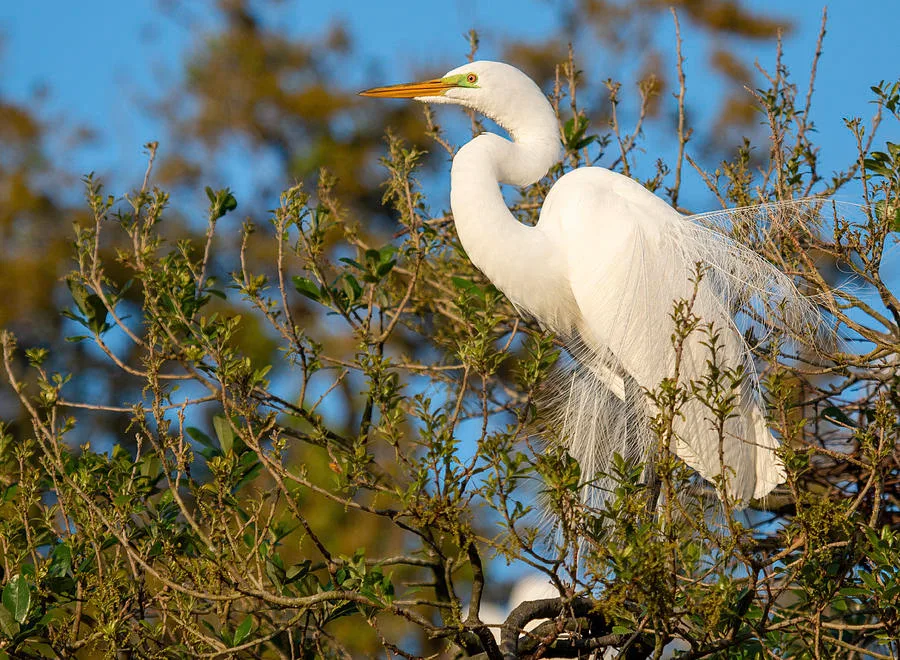
Image source: Bing (Web (fair-use with source credit))
Islands and Secluded Areas: Extra Security
For egrets, an island can feel like a fortress. These locations offer a natural moat, significantly reducing the risk of land-based predators reaching them. Secluded areas, away from busy shorelines or frequent human activity, are also highly prized.
Imagine a small, undeveloped island in the middle of a lake, covered in reeds or a few scattered trees. This provides an isolated sanctuary where egrets can feel safe to rest. These spots are particularly attractive for communal roosting, as the natural barrier enhances the safety for the entire group.

Image source: Web (Bing) / walmart.com (Web image (fair-use with source credit))
Marshlands and Wetlands: A Natural Hideaway
When egrets spend their days foraging in extensive marshy areas or wetlands, they often choose to roost within that environment. Tall reeds, cattails, and other dense aquatic vegetation can provide excellent camouflage and shelter. This makes it easy for them to transition from feeding to resting without traveling far.
Think of vast expanses of reeds where individual birds can disappear within the stalks. While not as elevated as trees, the sheer density of the vegetation offers protection. It’s a practical choice, minimizing energy expenditure and maximizing safety within their familiar habitat.
Why These Spots Work: Safety, Food, and Shelter
The choice of a roosting site for egrets boils down to a few critical survival factors, and these spots consistently deliver. Primarily, safety is paramount. Elevated positions or naturally protected areas like islands or dense vegetation act as buffers against predators like foxes, raccoons, and even larger birds of prey that might hunt them at night.
Convenience is another major driver. Egrets are often found foraging in shallow waters for fish, amphibians, and insects. Sleeping near these food-rich areas means they can easily transition to hunting at dawn and dusk, conserving energy by minimizing travel.
Finally, these locations often provide a degree of shelter from harsh weather, whether it's wind or rain, making the egrets' overnight rest more comfortable and secure.
Roosting vs. Nesting: Understanding the Difference
It's important to distinguish between where egrets sleep and where they build their nests, as these serve very different purposes. Roosting is a daily activity focused on rest and safety during the night. The chosen roosting spots are often temporary, communal, and chosen for immediate security.
Nesting, on the other hand, is a seasonal commitment to raising young. Nests are carefully constructed platforms of sticks and reeds, usually in similarly safe locations like dense trees or on islands, but the purpose is reproduction. While some overlap exists in the general habitat type, the specific site and structure differ significantly between a temporary roost and a dedicated nest.
What to Look For: Identifying a Suitable Egret Roost
Identifying a potential egret roost involves looking for specific habitat characteristics that meet their needs for safety and comfort. They gravitate towards areas offering good concealment, usually from both ground and aerial predators. This means dense vegetation is key, whether it’s in trees, shrubs, or tall marsh grasses.
Proximity to reliable food sources is another critical factor. Egrets typically feed in shallow water habitats like marshes, ponds, or slow-moving rivers. A good roost will therefore be located within a reasonable distance of these foraging grounds, minimizing energy expenditure for the birds.
Problems and Solutions: Threats to Egret Roosts
The primary threat to egret roosting sites is habitat degradation or outright destruction. Urban development encroaching on wetlands, pollution that contaminates feeding areas, or even excessive human disturbance can make a previously ideal roost unsuitable. When these sites disappear, egrets may struggle to find adequate alternatives, impacting their ability to rest and reproduce.
Conservation efforts play a vital role in mitigating these problems. Protecting wetlands and riparian areas is crucial. Additionally, responsible land management practices that minimize disturbance to known roosting sites, especially during sensitive periods, are essential.
Educating the public about the importance of these natural spaces also helps foster a greater appreciation for egret conservation.
Frequently Asked Questions About Egret Sleep
Do egrets sleep all night?
Yes, egrets generally sleep through the night, from dusk until dawn. They are most active during daylight hours for foraging and other activities.
Can egrets sleep while flying?
No, egrets do not sleep while flying. Unlike some seabirds, they require a stable roosting site to rest and sleep securely on land or in vegetation.
How many egrets sleep in one roost?
Egret roosts can vary significantly in size, sometimes holding anywhere from a few dozen to hundreds, or even thousands, of individuals, especially during migration or non-breeding seasons.
Do egrets have a specific nesting season?
Yes, egrets typically have a defined nesting season, which varies by species and geographic location, usually occurring in spring or early summer when resources are most abundant for raising young.
Expert Insights: Understanding Egret Behavior
Observing egret behavior, particularly their roosting patterns, offers a window into their ecological needs and adaptations. As ornithological research from institutions like the Cornell Lab of Ornithology has detailed, roost selection is a nuanced process driven by predator avoidance, energy conservation, and social dynamics. These birds exhibit remarkable consistency in choosing sites that offer a balance of cover and proximity to foraging grounds.
Understanding these preferences helps conservationists prioritize habitat protection. For instance, ensuring that mature trees near wetlands remain undisturbed or that islands are kept free from excessive human activity directly supports the survival of egret populations. By appreciating the intricate connection between egrets and their environment, we can better safeguard these vital natural processes.